

#WritingTips
Marketing strategies that work for self-published fiction authors.
Marketing strategies that work for self-published fiction authors.
Chuck Morgan, Crime Fiction Author
Over the years, self-published fiction authors like you have discovered that effective marketing strategies can significantly enhance your book's visibility and sales. Understanding the nuances of your target audience, leveraging social media, and optimizing your online presence are just a few tactics that can propel your writing career forward. In this blog post, you’ll uncover various marketing strategies tailored for self-published authors, helping you navigate the competitive landscape with confidence and purpose.
Understanding Your Audience
A deep understanding of your audience is crucial in effectively marketing your self-published fiction. By identifying who your readers are, what they enjoy, and where they spend their time, you can tailor your promotional efforts to resonate with them. This knowledge not only enhances your marketing strategies but also enables you to create content that speaks directly to their interests and needs.
Identifying Target Readers
Along your journey as an author, it’s important to pinpoint your target readers. These individuals are the ones most likely to enjoy and appreciate your work. Consider factors such as age, gender, reading preferences, and even their favorite genres. Engaging in research through surveys or social media interactions can reveal valuable insights into who your ideal readers are, helping you tailor your approach.
Creating Reader Personas
Around the foundation of understanding your audience lies the creation of detailed reader personas. These fictional representations of your ideal readers capture demographic information, preferences, and pain points. By developing multiple personas, you can visualize different segments of your readership, enabling you to craft specific marketing messages that appeal to each unique group.
And when you create these reader personas, you give yourself a powerful tool for targeted marketing. Start by outlining their interests, challenges, and what drives their reading choices. You can use this information to inform your book descriptions, cover designs, and even social media content. Tailoring your outreach to speak directly to these personas will not only enhance your engagement but also foster a loyal reader base that feels understood and connected to your work.
Building an Author Brand
Any self-published fiction author must focus on building a strong author brand to stand out in a competitive market. Your brand encompasses your writing style, the themes you explore, and how you interact with your audience. Establishing a clear identity creates a cohesive image that resonates with readers, enhances your marketing efforts, and fosters loyalty among your fanbase.
Establishing a Unique Voice
Your unique voice sets you apart from other authors between the genres you write and the themes you explore. It shapes how readers perceive your work and connects them to your stories on a deeper level. Focus on consistency in tone, style, and subject matter to ensure your voice remains recognizable across your portfolio.
Visual Branding Elements
Besides your unique voice, visual branding elements play a significant role in reinforcing your author brand. This includes your book covers, website design, and any social media graphics you use. Consistency in colors, fonts, and images will help create a visual identity that readers can easily associate with your work.
A cohesive visual branding strategy should reflect your genre and personal style while appealing to your target audience. For example, if you write dark fantasy, deep colors and gothic imagery may be appropriate. Ensure your book covers grab attention and represent your stories accurately, while your website and social media profiles should include visual elements that make navigating your content easy and enjoyable, fostering a strong connection with readers.
Leveraging Social Media
You have a powerful tool at your fingertips for promoting your self-published fiction: social media. Platforms like Facebook, Instagram, Twitter, and TikTok can help you reach a wider audience, showcase your personality, and connect with readers on a personal level. By creating engaging content that resonates with your audience, you can foster a loyal community and enhance your book's visibility.
Platforms for Authors
At your disposal are various social media platforms that cater specifically to authors. Twitter is great for connecting with other writers and industry professionals, while Instagram allows you to share visually appealing content about your books. Facebook groups can help foster community engagement, and TikTok has become a hotspot for book recommendations through inventive short videos.
Engaging with Readers
To effectively engage with your readers, focus on building relationships rather than simply promoting your work. Share insights into your writing process, seek feedback, and participate in conversations that reflect your interests and values. This two-way interaction not only humanizes you as an author but also creates lasting connections that encourage readers to follow your journey.
Readers appreciate authenticity and a personal touch. By sharing behind-the-scenes content, such as your writing routine, character inspirations, or even snippets of your work-in-progress, you create opportunities for more meaningful interactions. Polls, Q&As, and giveaways are fantastic ways to encourage reader participation and keep your audience engaged. The more you interact with your followers, the more invested they will become in you and your writing.
Developing a Website
Building a website is an important step for self-published fiction authors to establish their online presence. A well-designed site acts as a central hub for your marketing efforts, where readers can find information about your books, learn about you, and engage with your content. Your website should reflect your unique voice and brand, making it easier for potential readers to connect with you and your work.
Essential Features
With a focus on key elements, your website should include an author bio, book listings with purchase links, a blog for updates and insights, and contact information for reader engagement. You might also consider a newsletter signup option to build your mailing list, as this can be a valuable tool for keeping your audience informed and engaged with your writing journey.
SEO Best Practices
Before you launch your website, you’ll want to incorporate SEO best practices to enhance your visibility in search engine results. This includes optimizing your content with relevant keywords, using descriptive titles and meta descriptions, and ensuring your site is mobile-friendly and fast-loading. By doing this, you increase your chances of being discovered by potential readers searching for genre-specific content.
Further, engaging with SEO can significantly improve your online presence. Start by researching keywords that resonate with your genre and audience, then integrate them naturally throughout your website content. Regularly updating your blog with fresh, relevant material will not only showcase your expertise but also signal to search engines that your site is active. Building backlinks through guest blogging and collaborations can also boost your authority, increasing the chances of attracting organic traffic to your website.
Using Email Marketing
After establishing your presence as a self-published author, email marketing serves as an invaluable tool to connect with your readers. By communicating directly with your audience, you can build lasting relationships, share updates about your work, and drive sales—all while maintaining a personal touch. Email marketing enables you to reach dedicated fans who eagerly await your content, ensuring that your voice is heard beyond social media algorithms.
Building an Email List
List the potential readers who would enjoy your writing by actively building an email list. This can be accomplished by offering incentives such as free samples, exclusive content, or special discounts for signing up. Promote your signup forms on your website and social media profiles, ensuring that your target audience knows they can access unique material through your newsletter.
Crafting Effective Newsletters
Below are several tips for crafting effective newsletters that engage your readers. To capture your audience's attention, focus on delivering valuable content that resonates with their interests. Be concise but informative, using an appealing layout and eye-catching images. Personalize your messages and consider including a call to action that encourages your readers to interact with your work, such as purchasing your latest novel or participating in a giveaway.
Email is an excellent platform for storytelling. You can share behind-the-scenes insights into your writing process, updates on forthcoming projects, and personalized recommendations based on your readers' preferences. A well-crafted newsletter not only maintains engagement but, fosters a deeper connection between you and your audience, turning casual readers into dedicated fans who eagerly await your next release.
Exploring Online Advertising
To effectively reach potential readers, exploring online advertising can be a powerful tool for self-published fiction authors. With various platforms available, including social media and search engines, you can create targeted campaigns that resonate with your audience. The right online advertising strategy not only boosts your visibility but can also lead to increased book sales and reader engagement.
Paid Promotion Options
By investing in paid promotion options, you can enhance your book's visibility across various platforms. Popular choices include Facebook ads, Amazon Marketing Services, and BookBub advertisements. Each platform offers unique features and targeting capabilities, allowing you to design campaigns that effectively appeal to your specific audience.
Targeting Your Audience
Above all, understanding your target audience is imperative in creating impactful advertising campaigns. By analyzing demographics, interests, and reading habits, you can tailor your ads to attract the right readers. This not only increases the chances of attracting more sales but fosters a loyal reader base that engages with your future works.
Paid advertising options allow you to analyze specific interests and behaviors associated with your target audience. Start by establishing clear criteria based on your book’s genre, themes, and character types. Using tools available on advertising platforms can help you generate insights into your audience's preferences. This granular targeting enables you to reach people who are more likely to appreciate your work, making your advertising efforts more effective.
To wrap up
Following this, you should now understand the best marketing strategies for promoting your self-published fiction. Focus on building your online presence through social media, engaging with readers, and using email marketing. Don’t underestimate the power of book reviews and collaborations with bloggers or influencers to reach a broader audience.
https://chuckmorganbooks.com
How Can Book Reviews Propel Your Self-Published Fiction to New Heights?
How Can Book Reviews Propel Your Self-Published Fiction to New Heights?
Chuck Morgan, Crime Fiction Author
It's imperative for you as a self-published author to understand the impact of book reviews on your fiction's success. Positive reviews can significantly enhance your visibility and credibility, drawing in potential readers who rely on the opinions of others. In this post, we’ll explore how you can leverage reviews to build a strong reputation and ultimately boost your sales, helping your literary work reach new audiences and achieve greater recognition. Your self-publishing journey can thrive with the right strategies for cultivating and using book reviews effectively.
The Importance of Book Reviews
The significance of book reviews in the self-publishing realm cannot be understated. They serve as social proof, helping to validate your work in the eyes of potential readers. When someone encounters a positive review, it can reassure them of your book's quality and entice them to give it a chance, ultimately assisting you in reaching a wider audience and achieving greater success.
Building Credibility and Trust
Along with attracting readers, book reviews help you establish credibility in a saturated market. When previous readers endorse your work through honest reviews, it enhances your author brand and makes you more trustworthy. This trust can ignite word-of-mouth promotions, where satisfied readers share your book with their circles, further expanding your reach.
Enhancing Visibility and Discoverability
Between various online platforms, having reviews of your book can significantly elevate its visibility. Search algorithms often factor in the number and quality of reviews when determining a book's ranking, making these reviews necessary for discoverability. A higher profile means more potential buyers are drawn to your self-published work, ultimately boosting your sales.
Another key element to consider is that book reviews not only impact your book’s immediate visibility but also contribute to its long-term discoverability. As readers post their thoughts on various platforms and social media channels, your book can surface in search results and recommendations, leading to ongoing interest. By consistently gathering reviews, you create a lasting impression that can continue to attract new readers long after your book's launch.
Types of Book Reviews
One of the best ways to leverage book reviews is by understanding the different types available to you:
- Professional Reviews
- Reader Reviews
- Editorial Reviews
- Peer Reviews
- Amazon and Goodreads Reviews
You can choose the type of review that best suits your self-published work for maximum impact.
| Type | Description |
| Professional Reviews | Reviews written by literature critics or established authors. |
| Reader Reviews | Reviews posted by general readers, often on platforms like Amazon and Goodreads. |
| Editorial Reviews | Reviews provided by editorial teams of book retailers or magazines. |
| Peer Reviews | Reviews from fellow indie authors or writing groups. |
| Amazon and Goodreads Reviews | Feedback from readers on e-commerce and social platforms. |
Professional Reviews
Besides gaining exposure, professional reviews lend credibility to your work. These reviews typically come from established critics who can provide insightful critiques and praise that resonate with your target audience. Having a few high-quality professional reviews can enhance your book's reputation and encourage more readers to take a chance on your writing.
Reader Reviews
To reap the benefits of reader reviews, focus on encouraging your audience to share their thoughts. These reviews can significantly influence potential readers and are often perceived as more authentic than professional critiques. Positive reader feedback can enhance your visibility, helping you attract more readers and boost your sales.
At the heart of reader reviews is their grassroots nature, making them invaluable for marketing your self-published fiction. Engaging with your audience through social media, book signings, and email newsletters can motivate readers to leave reviews. Their personal touch often resonates more with potential readers, establishing a community around your book and helping to create a buzz that propels your work forward.
Strategies to Gain Book Reviews
Any aspiring author knows that attracting book reviews is imperative for their self-published fiction. To effectively gain these reviews, consider implementing diverse strategies that resonate with your target audience. By actively seeking feedback and building relationships with readers, you can create a community eager to support your work. In this chapter, discover actionable approaches to garner those all-important reviews.
Engaging with Beta Readers
Between completing your manuscript and launching it to the public, engaging with beta readers is a beneficial step. These individuals provide valuable insights and share their opinions on your story, characters, and writing style. By nurturing these relationships, you can secure enthusiastic readers who will post reviews once your book is published.
Using Social Media and Platforms
Engaging with social media and relevant platforms can significantly expand your reach when acquiring book reviews. Establish your online presence by connecting with readers, authors, and influencers in your genre. Share insights, engage in conversations, and promote your book while inviting honest feedback. This interaction not only cultivates relationships but can also encourage readers to share reviews on their platforms, increasing your book's visibility.
To leverage social media effectively, consider joining genre-specific groups and forums where potential readers gather. Use platforms like Instagram, Facebook, and Goodreads to interact with your audience by sharing sneak peeks, discussing your writing process, and inviting opinions. Hosting giveaways or challenges where participants can receive a copy of your book in exchange for a review can also be a great way to reward reader engagement. By fostering an active presence on these platforms, you enhance your chances of garnering reviews that will propel your self-published fiction to new heights.
Crafting an Effective Review Request
To maximize your chances of receiving meaningful book reviews, it’s crucial to craft an interesting review request. This involves communicating the value of your work, providing potential reviewers with crucial details about your book, and outlining the type of feedback you seek. A well-structured request can grab attention and encourage recipients to engage with your story, ultimately leading to more impactful reviews.
Personalization and Professionalism
Above all, addressing your reviewers personally and showing professionalism can significantly enhance your request. Rather than sending out a generic template, take the time to research your potential reviewers and tailor your message to resonate with them. A personalized approach shows that you respect their opinions and are genuinely interested in their thoughts on your work.
Follow-Up Etiquette
Follow-up communications can be effective in prompting reviewers, but they must be handled with care. Ensure you balance persistence and respect by allowing a reasonable timeframe before reaching out again. Your follow-up should express appreciation for their time, gently remind them of your request, and offer to provide any additional information they might need.
Understanding the importance of follow-up etiquette can enhance your relationship with book reviewers. A considerate approach reflects well on your professionalism and can make reviewers more inclined to respond and write a review. If they haven’t gotten to your book yet, your thoughtful follow-up could spark their interest, making them more eager to share their insights on your fiction.
Leveraging Reviews for Marketing
Despite the common belief that writing a great book is enough to succeed, using book reviews effectively can elevate your marketing strategy. Reviews serve as social proof that your work resonates with readers, allowing you to build authenticity around your brand. By featuring reviews prominently on your website, social media, and promotional materials, you can attract new readers and engage your audience more effectively.
Using Reviews in Promotional Material
By integrating reviews into your promotional materials, you can enhance your book's appeal by showcasing positive feedback. Consider using snippets of reviews in ads, newsletters, and on your book cover. Highlighting endorsements from respected critics or readers will not only catch the attention of potential buyers but also reinforce the quality of your work, prompting others to take a closer look.
Encouraging More Reviews
Between publishing and engaging with readers, garnering reviews can be ongoing. Actively encourage your audience to share their thoughts, whether through social media, newsletters, or book signings. Building a community centered around your work invites more conversations and increases the likelihood that readers will leave reviews, contributing to your overall credibility.
Even after the initial launch, continue to foster relationships with your readers. Engage them through thank-you notes or personalized messages when they leave a review. You can also host giveaways or contests motivating reviews, making it a fun experience for your audience. Such strategies not only encourage more feedback but also cultivate a loyal reader base eager to support your future projects.
Handling Negative Reviews
For self-published authors, negative reviews can be challenging to navigate, but they are often an inevitable part of the journey. Instead of viewing them as a setback, consider how they can provide valuable insights into your work. Each review holds the potential to enhance your writing skills and shape your future projects, so approach them with an open mind and a willingness to learn.
Constructive Criticism as a Tool for Growth
Constructive criticism serves as a powerful tool for your growth as a writer. When readers take the time to provide thoughtful feedback, it can illuminate areas where your storytelling may need improvement. Embrace these insights as opportunities to hone your craft, develop richer characters, and strengthen your narrative structure.
Responding Gracefully
Handling negative reviews gracefully shows your professionalism and willingness to engage with your audience. Instead of reacting defensively, approach the feedback with curiosity and appreciation. By acknowledging the reviewer's perspective, you show that you value their opinion and are committed to growing as a writer.
It is vital to maintain a composed demeanor when addressing any negative feedback. Take a moment to process your feelings before responding, as a well-considered reply can leave a lasting impression. Thank the reviewer for their insights and ask for clarification on specific points. This not only shows your professionalism but can also foster a connection with your audience, turning potential critics into loyal readers.
To wrap up
By leveraging the power of book reviews, you can significantly enhance your self-published fiction's visibility and credibility. Positive reviews attract potential readers but also build trust and encourage word-of-mouth recommendations. Engaging with reviewers and using their feedback can further refine your work and foster a community around your writing. Ultimately, prioritizing reviews in your marketing strategy can open doors and elevate your self-published journey to new heights.
Understanding Algorithms: A Simple Guide for New Fiction Authors
Understanding Algorithms: A Simple Guide for New Fiction Authors
Chuck Morgan, Crime Fiction Author
If you’re a new fiction author, you’ve probably heard people talk about “the algorithm” like it’s some mysterious force controlling your book’s fate. An algorithm is just a set of rules a computer uses to decide what to show people.
And here’s the good news: once you understand what algorithms look for, you can work with them instead of feeling like they’re working against you.
What an Algorithm Actually Is
An algorithm is a recipe.
It takes in information, follows steps, and produces a result.
On book platforms and social media, algorithms decide things like:
· Which books appear in the search results
· Which books get recommended
· Which posts show up in someone’s feed
· Which videos go viral
They’re not judging your writing. They’re reacting to signals.
The Three Things All Algorithms Care About
No matter the platform, Amazon, TikTok, Facebook, Goodreads, they all focus on the same three things.
1. Relevance
Does your book match what the reader is looking for?
Algorithms look at your:
· Cover
· Title
· Description
· Keywords
· Categories
If your book looks and sounds like the genre readers want, the algorithm knows where to place it.
2. Engagement
Are people interacting with your book?
This includes:
· Clicks
· Purchases
· KU page reads
· Reviews
· Ratings
· Time spent reading
More engagement = more visibility.
3. Consistency
Are people interacting with your book over time?
Algorithms love steady activity, not one‑day spikes.
How Amazon’s Algorithm Works (Plain English)
Amazon’s goal is simple: show readers books they’re likely to buy.
It watches:
· What readers click
· What they buy
· What they read
· How fast they read
· What they search for
Then it recommends books that match those patterns.
The most important part of Amazon’s system is the recommendation engine—the “Also Boughts,” “Recommended for You,” and “Top Picks” sections. Most sales come from these, not from search.
If your book attracts the right readers, Amazon will show it to more of them.
How Social Media Algorithms Work
Social platforms reward content that keeps people watching, reading, or interacting.
They boost posts that:
· Get quick engagement
· Spark conversation
· Match a user’s interests
· Keep people on the platform
They bury posts that feel like ads or get ignored.
For authors, this means:
· Authentic beats salesy
· Storytelling beats shouting “Buy my book”
· Consistency beats randomness
You don’t need to go viral. You just need to show up regularly.
How Goodreads’ Algorithm Works
Goodreads recommends books based on:
· Shelves
· Ratings
· Reviews
· Lists
· Book clubs
· Reading activity
The more readers interact with your book, the more Goodreads spreads it.
So early reviews matter.
The Most Important Rule: Clear Signals Win
Algorithms don’t guess. They follow the signals you give them.
Strong signals:
· A cover that fits your genre
· A clear, genre‑specific title
· A description that uses reader‑friendly language
· Keywords readers actually search for
· Categories that match your book
· Steady sales or page reads
· Early reviews
Weak signals:
· A cover that confuses readers
· A vague description
· Misleading keywords
· Random categories
· Sales spikes followed by silence
· No reviews
Strong signals tell the algorithm, “This book belongs here.”
How to Work With Algorithms as a New Author
Here are simple steps that make a big difference.
1. Match your genre
Your cover, title, and description should instantly tell readers what kind of story you’re offering.
2. Use real search terms
Think like a reader:
· “small‑town romance,”
· “serial killer thriller,”
· “cozy mystery with cats,”
Not like a marketer.
3. Pick the right categories
Choose categories where your real readers browse—not tiny categories just to hit #1.
4. Encourage early engagement
Ask early readers to:
· Leave reviews
· Add your book to Goodreads
· Share it with friends
This teaches the algorithm who your audience is.
5. Stay consistent
Algorithms reward steady activity:
· Regular posts
· Small, ongoing ads
· Predictable release schedules
Slow and steady beats big bursts.
Final Thoughts
Algorithms aren’t magical or mysterious. They’re predictable once you understand what they look for: relevance, engagement, and consistency.
If you:
· Present your book clearly
· Aim it at the right readers
· Encourage early interaction
· Stay active over time
The algorithms will help readers discover your work.
NEW RELEASE
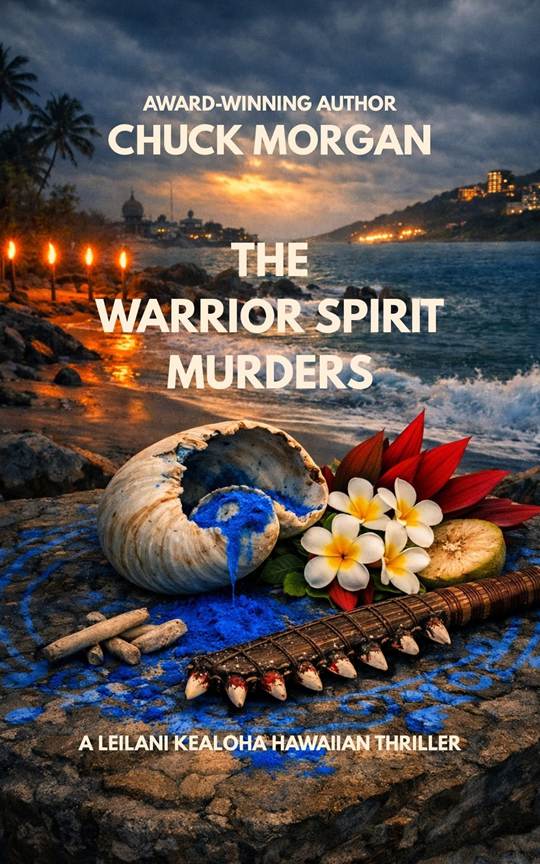
THE WARRIOR SPIRIT MURDERS
A Leilani Kealoha Hawaiian Thriller…new release ebook price…$0.99. Read for free with Kindle Unlimited
A Navy veteran is found on Oʻahu—marked with shells, blue pigment, and a ritual pattern older than the islands themselves. Detective Leilani Kealoha recognizes the signs: this isn’t imitation. It’s doctrine.
As more bodies surface, federal agents swarm the case, but Leilani sees a deeper truth. Someone is twisting cultural tradition into a weapon, resurrecting a corrupted “Warrior Spirit” philosophy to recruit the angry and the lost.
With her son and her elders in the crosshairs, Leilani must decipher a ritual language meant to mislead outsiders and lure insiders home. The killer is building toward a public spectacle that will terrify the island—and ignite a movement.
At the edge of the sea, where old law meets new justice, Leilani faces the most personal investigation of her life. Nothing sacred will be left untouched.
⭐⭐⭐⭐⭐The Warrior Spirit Murders is a fascinating thriller that kept me turning the pages. I enjoyed how the author blended the habitual procedural thriller elements with layered forensic detail that includes ritual knot patterns, encrypted communications, and analysis of coral dust. While these are exciting to follow, it was the relentless pacing that turned remote jungle heiaus and school open houses into pressure cookers of suspense for me. In this tale, actions and places are symbolic, and the sense of mystery grows as the heroine progresses in her chase after clues. Chuck Morgan’s characters are well-developed, rooted in ordinary backgrounds, yet facing a threat that raises the stakes. I enjoyed the depiction of Leilani as a fully realized lead character in the story, who balances her identity as a Hawaiian mother with her badge, while having a difficult partnership with NCIS Agent Castellano. This book is a well-crafted thriller that kept me guessing throughout and one that made me want to read more from this author. Reviewed by Christian Sia for Readers’ Favorite
***
FREE EBOOK
HERE IS AN AWESOME OPPORTUNITY TO FILL OUT YOUR SPRING AND SUMMER READING LISTS AND FIND YOUR NEXT FAVORITE AUTHOR
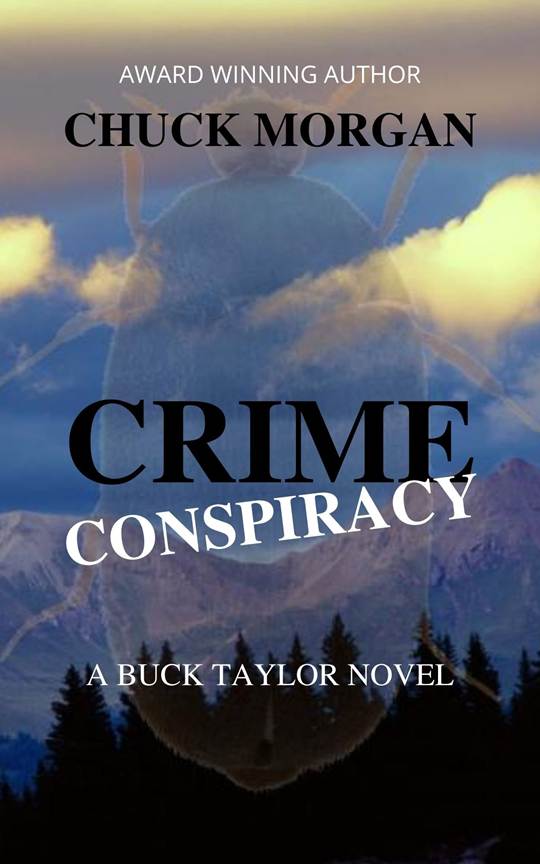 Hello readers…Here is a great opportunity to pick one of my FREE eBooks and check out a bunch of new authors. Click on the link below, enter your email and browse the free eBooks available. You might just find your next favorite author.
Get a free ebook copy of CRIME CONSPIRACY, A BUCK TAYLOR NOVEL…CLICK THE LINK BELOW:
https://books.bookfunnel.com/crimethrillersmay26/pq2st56x35
Check out the rest of my novels on amazon at:
https://www.amazon.com/author/chuckmorgan
or
PLEASE LEAVE AN AMAZON OR GOODREADS REVIEW. THIS IS AN INCREDIBLE HELP TO THE AUTHOR.
Chuck Morgan
The Best Marketing Strategies for New Fiction Authors: A Practical Guide to Building an Audience From Zero
The Best Marketing Strategies for New Fiction Authors: A Practical Guide to Building an Audience From Zero
Chuck Morgan, Crime Fiction Author
Most new fiction authors believe the hardest part of the journey is writing the book. Then they hit “publish” and discover the real challenge: getting readers to notice it. The truth is simple but uncomfortable, great books don’t sell themselves. Readers don’t magically appear. Visibility isn’t luck. It’s strategy, consistency, and understanding how readers discover new stories.
The good news is that fiction authors don’t need a huge budget, a massive following, or a marketing degree to build momentum. What they do need is a clear plan, a willingness to experiment, and a focus on long-term audience building rather than quick wins.
This guide breaks down the most effective, sustainable marketing strategies for new fiction authors. The ones that move books, build readership, and create a foundation for a long career.
1. Start With the Core: Know Your Genre and Your Reader
Marketing begins long before you post on social media or run an ad. It starts with understanding who your book is for.
Readers don’t buy genres, they buy experiences. They buy the feeling your story promises.
Ask yourself:
- What emotional experience does my book deliver?
- What tropes does it use?
- What books is it similar to?
- Who is the ideal reader — age, interests, reading habits?
- What problem does my book solve for them (escape, thrill, comfort, catharsis)?
When you know your reader, everything becomes easier: your cover, blurb, keywords, social content, newsletter tone, and even your long-term brand.
If you skip this step, every other marketing effort becomes guesswork.
2. Build an Author Brand That Signals Your Genre Instantly
Readers make snap decisions. They judge your professionalism, genre, and tone in seconds. Your brand should communicate:
- What you write
- Who it’s for
- What emotional promise do you deliver
For fiction authors, brand is not a logo; it’s consistency across:
- Book covers
- Website
- Social media tone
- Email voice
- Author photo
- Tagline
- Series naming conventions
A thriller author should feel different from a cozy mystery author. A fantasy author should feel different from a romance author.
Branding is not about being fancy; it’s about being recognizable.
3. Create an Email List Early — It’s Your Most Valuable Asset
Social media platforms change. Algorithms shift. Ads get expensive. But your email list is yours forever.
For fiction authors, an email list is the single most reliable way to:
- Launch books
- Build long-term readership
- Get reviews
- Sell backlist titles
- Announce promotions
- Create superfans
How to grow your list from scratch
- Offer a reader magnet. A short story, prequel, bonus epilogue, or character dossier works beautifully. It doesn’t need to be long, but it needs to be irresistible.
- Use a simple landing page. Tools like MailerLite or ConvertKit make this easy.
- Promote it everywhere.
- Back of your book
- Social media
- Website
- Author bio
- Guest posts
- Newsletter swaps
- Email consistently. Once a week or twice a month is enough. Share behind‑the‑scenes content, character insights, early cover reveals, and personal notes that build connection.
Your list becomes your launch team, your review team, and your most loyal fan base.
4. Optimize Your Amazon Presence. It’s Your Primary Storefront
Most fiction sales happen on Amazon, especially for new authors. That means your Amazon page must do the heavy lifting.
Key elements to optimize
- Cover — must match genre expectations instantly
- Title + subtitle — clear, interesting, keyword‑rich
- Book description — scannable, emotional, structured for conversion
- Categories — choose niche categories to increase visibility
- Keywords — use long‑tail phrases readers actually search
- A+ Content — free visual real estate that boosts conversions
- Author page — professional photo, bio, links, and updates
Amazon’s algorithm rewards books that convert well. A polished page increases conversion, which increases visibility, which increases sales; a self-reinforcing loop.
5. Use Social Media Strategically (Not Constantly)
You don’t need to be everywhere. You don’t need to post daily. You don’t need to dance on TikTok unless you want to.
What you need is a platform where you can:
- Show your personality
- Share your writing journey
- Connect with readers
- Network with other authors
- Promote your email list
Best platforms for fiction authors
- TikTok (BookTok) — explosive reach for fiction
- Instagram — visual storytelling, reels, aesthetic branding
- Facebook — groups, older readers, community building
- Threads — low-pressure, conversational
- YouTube Shorts — fast growth, evergreen content
What to post
- Tropes in your book
- Character teasers
- “If you like X, you’ll love this.”
- Behind-the-scenes writing moments
- Aesthetic mood boards
- Quotes from your book
- Personal stories that build connections
Social media is not about selling; it’s about attracting.
6. Leverage Communities Where Readers Already Gather
Instead of shouting into the void, go where readers already hang out.
High‑value communities
- Goodreads groups
- Reddit subreddits (genre‑specific)
- Facebook reader groups
- Discord servers
- Book clubs
- Local libraries
- Local writing groups
Take part as a human, not a marketer. Build relationships. Offer value. When you mention your book, it feels natural, and people respond.
7. Use Newsletter Swaps and Group Promos to Grow Fast
This is one of the most powerful growth strategies for new fiction authors, and it’s free.
Newsletter swaps
You promote another author’s book to your list, and they promote yours to theirs. The key is swapping with authors in your exact genre.
Group promos
Platforms like BookFunnel and StoryOrigin let you join themed promotions:
- “Thrillers with strong female leads.”
- “Cozy mysteries under 300 pages.”
- “Dark fantasy with antiheroes.”
Readers sign up for your magnet, and your list grows quickly with targeted fans.
8. Get Reviews Early and Consistently
Reviews are social proof. They influence Amazon ranking, conversions, and visibility.
How to get early reviews ethically
- ARC team (even 10–20 readers helps)
- Newsletter subscribers
- Beta readers
- BookFunnel ARC programs
- Reedsy Discovery
- Goodreads giveaways
- Back‑of‑book call‑to‑action
Never pay for reviews. Never trade reviews. Never pressure readers. Just make it easy and rewarding for them to support you.
9. Use Content Marketing to Build Long‑Term Discoverability
Content marketing is slow but powerful. It builds authority, SEO, and reader trust.
Effective content types for fiction authors
- Blog posts about your genre
- Behind-the-scenes world building articles
- Character interviews
- Writing journey updates
- Short stories
- YouTube videos
- Podcast guest appearances
This content attracts readers who love your world, your voice, and your storytelling style.
10. Build Relationships With Other Authors — It’s a Force Multiplier
The indie author world is collaborative, not competitive. Authors who network grow faster.
Ways to collaborate
- Co‑host giveaways
- Swap newsletters
- Share each other’s posts
- Co‑write short stories
- Appear on each other’s podcasts
- Bundle books
- Cross‑promote launches
A rising tide lifts all boats, especially in fiction.
11. Plan Launches Like Events, Not Afterthoughts
A strong launch sets the tone for your book’s entire lifespan.
A simple but effective launch plan
- 60 days out: cover reveal
- 45 days out: ARC team
- 30 days out: preorders
- 14 days out: teaser content
- Launch week: daily posts + email sequence
- Post‑launch: reviews push + newsletter swaps
Consistency beats intensity. A steady drumbeat works better than a single loud blast.
12. Think Long‑Term: Series Sell Better Than Standalones
If you want a career, not a one‑off success, write in series.
Series create:
- Repeat buyers
- Higher read‑through
- Stronger branding
- Easier marketing
- More predictable income
A reader who loves Book 1 will buy Book 2, 3, 4, and beyond. A standalone must win a new reader every time.
Final Thoughts: Marketing Is a Skill, Not a Mystery
New fiction authors often feel overwhelmed by marketing because it seems unpredictable. But once you understand how readers discover books — and how platforms reward engagement — the path becomes clear.
The most successful authors aren’t the loudest or the luckiest. They’re the ones who:
- Know their audience
- Build an email list
- Show up consistently
- Optimize their storefront
- Connect with readers
- Collaborate with other authors
- Treat their writing like a long‑term business
You don’t need to do everything. You just need to do the right things consistently.
Email Marketing and Building an Email List for New Authors: A Complete Guide
Email Marketing and Building an Email List for New Authors: A Complete Guide
Chuck Morgan, Crime Fiction Author
If you’re a new author, you’ve probably heard the advice: “Start an email list.” It’s repeated so often that it can feel like a cliché, but it’s also the most consistently accurate marketing truth in publishing. Social media trends shift, algorithms change, and retailers control visibility, but your email list is the one platform you truly own. It follows you from your first book to your twentieth, giving you a direct line to the readers most likely to buy, review, and champion your work.
This article breaks down why email marketing is essential, how to build your list from zero, and how to use it effectively without feeling overwhelmed.
Why Email Marketing Matters More Than Anything Else
Email marketing is the backbone of a sustainable author career for one simple reason: it gives you control. Unlike social media platforms, where your reach can disappear overnight, your email list is stable, predictable, and yours.
According to industry data, authors with strong email lists dramatically outperform those without them. Email consistently delivers higher engagement than any other channel because subscribers choose to hear from you. They’re invested. They’re curious. They’re primed to become fans.
For new authors, this is especially important. You may not have a large social following or a big advertising budget, but you can build a list of readers who care about your stories and want to follow your journey.
Step 1: Choose the Right Email Service Provider
Before you can build a list, you need a platform to host it. Fortunately, there are several beginner‑friendly options designed with authors in mind.
Popular choices include:
- MailerLite – clean interface, generous free tier, excellent automation tools.
- ConvertKit (Kit) – strong for creators, great for sequences and landing pages.
- Flodesk – beautiful templates and simple pricing.
- Substack – ideal if you want a newsletter‑first platform with built‑in discovery.
For most new authors, MailerLite is the easiest and most cost‑effective place to start. It offers free plans for small lists and intuitive tools for creating landing pages, automations, and newsletters.
Step 2: Create a Simple Author Website or Landing Page
You don’t need a full website to build your list. A single landing page, hosted by your email provider, is enough. This page should include:
- A clear headline (Get a Free Story + Exclusive Updates)
- A short description of what the reader will receive
- A signup form
- An interesting image (your book cover or author photo)
As you grow, you can expand into a full website, but don’t let perfection slow you down. A clean signup page is all you need to begin.
Step 3: Offer a Reader Magnet
A reader magnet is a free piece of content you give readers for joining your list. It’s the single most effective way to grow your audience quickly.
Great reader magnets include:
- A free novella or short story
- A prequel to your series
- The first few chapters of your upcoming book
- A bonus epilogue or alternate POV scene
- A world guide, map, or character dossier (for fantasy/sci‑fi)
Your magnet doesn’t need to be long; it just needs to be good and relevant to what you write. The goal is to give readers a taste of your storytelling so they want more.
Step 4: Use Multiple Touchpoints to Collect Emails
Once you have your magnet and landing page, you need to put them where readers will see them. Effective places include:
1. Back Matter of Your Books
This is the highest‑converting location. Add a link at the end of your book that says:
“Enjoyed this story? Get a free bonus chapter and future updates here.”
Readers who finish your book are your warmest leads.
2. Social Media Profiles
Pin your signup link to the top of your Facebook page, Instagram bio, TikTok profile, or X account.
3. Your Website
Place your signup form on your homepage, sidebar, and footer.
4. Giveaways and Promotions
Take part in genre‑specific giveaways through sites like Book Funnel or StoryOrigin. These can help you grow quickly; just be sure to clean your list afterward to remove freebie‑seekers who never engage.
5. In‑Person Events
If you attend signings, conferences, or book fairs, offer a QR code that links to your signup page.
Step 5: Send a Warm Welcome Sequence
Once someone joins your list, don’t leave them hanging. A welcome sequence is a short series of automated emails that introduces readers to you and your work.
A simple 3–5 email sequence might include:
- Delivery of the reader magnet
- A personal introduction—why you write, what you love
- A behind‑the‑scenes look at your book or series
- A soft pitch for your other books
- An invitation to connect on social media or reply to your email
This sequence builds trust and turns casual subscribers into fans.
Step 6: Email Consistently (But Not Constantly)
You don’t need to email every week. You do need to email regularly enough that readers remember who you are.
A good rhythm for new authors is:
- Once a month during quiet periods
- Once a week during a book launch
- Every 2–3 weeks during active writing or promotions
Your emails should be a mix of:
- Updates on your writing
- Behind‑the‑scenes insights
- Personal stories
- Book recommendations
- Exclusive content
- Launch announcements
- Sales and promotions
The key is to be authentic and consistent. Readers want to feel connected to you, not marketed to.
Step 7: Keep Your List Healthy
A strong list isn’t just about size; it’s about engagement. Clean your list every few months by removing subscribers who haven’t opened or clicked in a long time. This improves deliverability and ensures your emails reach the people who care.
Final Thoughts
Email marketing isn’t complicated; it’s strategic. Start with a simple landing page, offer an interesting reader magnet, and show up consistently with value. Over time, your list becomes your most powerful asset: a community of readers who support every book you write.
If you’re a new author, there’s no better time to start than today. Your future fans are waiting.
Social Media Posts vs. Paid Social Media Advertising: A Guide for New Writers
Social Media Posts vs. Paid Social Media Advertising: A Guide for New Writers
Chuck Morgan, Crime Fiction Author
Social media has become one of the most powerful tools for authors — whether you’re launching your first book, building an audience, or trying to grow your brand. But not all social media activity works the same way. As a new writer, you’ll hear two terms over and over: organic social media posts and paid social media advertising.
Both can help you grow. Both can sell books. Both can build your author brand. But they work differently.
This article breaks down the pros, cons, differences, and best uses of each so you can make smart decisions about your author platform, even if you’re starting with zero budget.
1. What Organic Social Media Posts Actually Are
Organic posts are the everyday content you share for free: updates, behind‑the‑scenes writing moments, quotes, videos, character art, book announcements, and conversations with readers. They appear in your followers’ feeds and sometimes reach new people through shares, hashtags, or platform algorithms.
Benefits of Organic Posting
· Builds genuine relationships. Organic content is about connection, not selling. Readers follow authors they feel close to.
· Free and sustainable. You can post daily without spending a dollar.
· Strengthens your brand's voice. Readers learn who you are, what you write, and why they should care.
· Encourages engagement. Comments, shares, and conversations help your visibility.
· Great for long‑term growth. Organic content compounds.
Drawbacks of Organic Posting
· Limited reach. Only a percentage of your followers see each post. Algorithms decide the rest.
· Slow growth. It can take months or years to build momentum.
· Not ideal for launches alone. If you rely only on organic posts, your book release may not reach enough people.
· Requires consistency. You need to show up regularly to stay visible.
2. What Paid Social Media Advertising Is
Paid social media advertising includes boosted posts, sponsored posts, and full ad campaigns on platforms like Facebook, Instagram, TikTok, and X. These ads reach people beyond your followers — often people who have never heard of you.
Benefits of Paid Advertising
· Massive reach. Paid ads can reach thousands of targeted readers instantly.
· Precise targeting. You can target readers by genre interests, age, location, behavior, and more.
· Fast results. Great for book launches, promotions, and list‑building.
· Scalable. Spend more → reach more.
· Customizable creative. Paid ads allow strong visuals, calls‑to‑action, and optimized messaging.
Drawbacks of Paid Advertising
· Costs money. Even small campaigns add up.
· Requires strategy. Poor targeting wastes money quickly.
· Learning curve. Ads require testing, tweaking, and analyzing.
· Not all ads convert. Even good ads can fail if the audience isn’t right.
3. Key Differences Between Organic Posts and Paid Ads
Purpose
Organic: Build relationships, community, and trust.
Paid: Drive reach, clicks, sales, and measurable actions.
Audience
Organic: Mostly your existing followers.
Paid: Anyone you choose to target — even people who’ve never heard of you.
Speed
Organic: Slow and steady.
Paid: Fast and scalable.
Cost
Organic: Free.
Paid: Budget required.
Control
Organic: Algorithm decides who sees your posts.
Paid: You control targeting, placement, and reach.
4. When New Writers Should Use Organic Posting
Organic posting is essential for:
Building your author identity
Readers want to know the person behind the book. Organic content lets you show your personality, process, and passion.
Developing a loyal community
Readers who feel connected to you become superfans, the ones who buy every book, leave reviews, and share your work.
Sharing your writing journey
Draft updates, character sketches, writing struggles, and victories all help readers feel invested.
Growing slowly but authentically
Organic posting is the foundation of your long‑term author brand.
5. When New Writers Should Use Paid Advertising
Paid ads are ideal for moments when you need reach, speed, and precision.
Book launches
Ads can introduce your book to thousands of genre‑specific readers instantly.
Building your email list
Paid ads can drive signups for a free novella, sample chapters, or reader magnet.
Boosting a high‑performing post
If an organic post is already doing well, boosting it can multiply its reach.
Running sales or promotions
Limited‑time discounts perform extremely well with paid ads.
6. Pros and Cons Summary Table
Feature Organic Posts Paid Ads
Cost Free Requires budget
Reach Limited to followers + shares Broad, targeted, scalable
Speed Slow Fast
Best For Community, trust, brand building Launches, sales, list‑building
Control Algorithm‑dependent Full targeting control
Longevity Long‑term growth Short‑term impact
Skill Needed Low Medium–high
7. Should New Writers Use Both?
Yes — and here’s why.
According to industry analysis, the strongest strategies combine organic and paid social media, using each for what it does best. Organic builds trust and steady growth; paid provides reach and results when you need them.
For new writers, this hybrid approach is ideal:
· Use organic content to build your voice, community, and authenticity.
· Use paid ads strategically during launches, promotions, or list‑building pushes.
You don’t need a huge budget. Even $5–$10 boosts can help.
8. A Simple Strategy for New Writers
Step 1: Post organically 3–5 times per week
Share:
· Writing updates
· Quotes
· Behind‑the‑scenes
· Reader questions
· Short videos
· Excerpts
Step 2: Watch what performs well
If a post gets strong engagement, save it. It might be a good candidate for boosting later.
Step 3: Boost only your best content
Boosting a high‑performing post is the easiest, safest way to start with paid ads.
Step 4: Run small, targeted campaigns for launches
Target readers who love your genre. Start small, test, and scale what works.
Final Thoughts
Organic posting and paid advertising are not competitors — they’re partners. Organic content builds your foundation; paid ads amplify your reach. As a new writer, you don’t need to master everything at once. Start with organic posting, learn your audience, and add paid ads when you’re ready.
Hiring an Editor vs. Using Online Editing Tools: What New Authors Need to Know
Hiring an Editor vs. Using Online Editing Tools: What New Authors Need to Know
Chuck Morgan, Crime Fiction Author
For new authors, few decisions feel as intimidating, or as important, as choosing how to edit your manuscript. You’ve poured months or years into writing your book. Now you’re staring at a draft that needs polishing, tightening, correcting, and elevating before it’s ready for readers. The question becomes: Do you hire a professional editor, or do you rely on the growing number of online editing tools available today?
Both paths can lead to a strong finished book, but they offer very different experiences, costs, and outcomes. Understanding the strengths and limitations of each option will help you make the right choice for your goals, your budget, and your writing style.
Why Editing Matters More Than You Think
Before diving into the comparison, it’s worth emphasizing why editing is non‑negotiable. Readers today have endless choices. A single typo on page one, a confusing plot point, or clunky dialogue can cause them to close your book and move on. Worse, negative reviews can follow you for years.
Editing isn’t just about fixing mistakes. It’s about:
· Strengthening your storytelling
· Clarifying your voice
· Improving pacing and flow
· Ensuring consistence
· Enhancing reader immersion
Whether you hire a human or use software, the goal is the same: to produce a book that feels professional, polished, and worth reading.
The Case for Hiring a Professional Editor
Professional editors have been the backbone of publishing for centuries. Even bestselling authors rely on them. For new authors, the benefits can be transformative.
Pros of Hiring a Professional Editor
1. Human Insight and Nuance
A human editor brings something no algorithm can replicate: intuition. They understand subtext, tone, emotional beats, character motivation, and narrative logic. They can tell you when your protagonist’s decision doesn’t make sense, when your dialogue feels flat, or when your pacing drags.
Editing tools can flag passive voice.
A human editor can tell you why your scene lacks tension.
2. Genre Expertise
Editors often specialize in genres—thrillers, romance, sci‑fi, memoir, etc. They know what readers expect, what tropes work, and what pitfalls to avoid. A good editor becomes a partner who helps you shape your book into something that resonates with your target audience.
3. Developmental Guidance
If you’re a new author, you may not just need proofreading—you may need developmental editing, which focuses on big‑picture issues like structure, character arcs, and plot coherence. No software can give you this level of feedback.
4. Accountability and Collaboration
Working with an editor creates a professional relationship. They ask questions, challenge your choices, and push you to improve. This collaboration can elevate your writing skills for future books.
5. A More Polished Final Product
A professional editor can take a good manuscript and make it great. They catch things you never would have seen, even after multiple drafts.
Cons of Hiring a Professional Editor
1. Cost
This is the biggest barrier for new authors. Professional editing can range from a few hundred dollars to several thousand, depending on:
· The type of editing (developmental, line, copyediting, proofreading)
· The editor’s experience
· The length of your manuscript
For many new authors, the price tag feels overwhelming.
Editors often have full schedules. Turnaround times can range from a few weeks to several months. If you’re eager to publish quickly, this can feel slow.
3. Finding the Right Fit
Not all editors are created equal. Some are brilliant. Some are mediocre. Some simply won’t “get” your voice. Finding the right editor takes research, communication, and sometimes trial and error.
4. Emotional Vulnerability
Handing your manuscript to a stranger can feel like handing them your heart. Feedback—no matter how constructive—can sting. New authors sometimes struggle with this part of the process.
The Case for Online Editing Tools
In the last decade, editing software has exploded in popularity. Tools like Grammarly, ProWritingAid, Hemingway Editor, and others promise fast, affordable, AI‑powered editing. For new authors, these tools can be incredibly helpful—but they’re not a complete replacement for human expertise.
Pros of Using Online Editing Tools
1. Affordability
Most editing tools are free or low‑cost. Even premium versions are far cheaper than hiring a professional editor. For authors on a tight budget, this is a major advantage.
2. Speed
Editing tools work instantly. You can upload your manuscript and receive suggestions within seconds. This makes them ideal for quick cleanups or early drafts.
3. Convenience
You can use editing tools anytime, anywhere. They integrate with browsers, word processors, and even mobile devices. This makes them perfect for authors who write on the go.
4. Great for Catching Technical Errors
Editing software excels at:
· Grammar
· Spelling
· Punctuation
· Repeated words
· Passive voice
· Overly long sentences
These tools can clean up surface‑level issues efficiently.
5. Helpful for Learning
Many tools explain why they’re suggesting a change. Over time, this can help new authors improve their writing habits.
Cons of Using Online Editing Tools
1. Lack of Contextual Understanding
Editing tools don’t truly understand stories. They can’t interpret character motivation, emotional nuance, or narrative pacing. They may flag things that are stylistically intentional—or miss things that are structurally broken.
2. Overcorrection
Software often pushes writing toward a bland, uniform style. It may suggest removing sentence fragments that add voice, or correct dialogue that reflects a character’s personality.
3. Inconsistent Accuracy
Editing tools are improving, but they still make mistakes. They may miss homophones, misinterpret complex sentences, or offer suggestions that simply don’t fit your voice.
4. No Developmental Feedback
No editing tool can tell you:
· Your ending feels rushed
· Your villain’s motivation is unclear
· Your subplot disappears halfway through
· Your protagonist isn’t likable enough
These are human‑level insights.
Editing tools don’t understand genre conventions. They can’t tell you whether your thriller lacks suspense or your romance needs more emotional payoff.
Which Option is Right for You?
The truth Os, there’s no one‑size‑fits‑all answer. The best choice depends on your goals, your budget, and your experience level.
Choose a Professional Editor If…
· You’re publishing your first book and want it to be the strongest version possible
· You’re writing in a competitive genre
· You want developmental guidance
· You’re planning a long‑term writing career
· You value collaboration and expert insight
A professional editor is an investment in both your book and your growth as an author.
Choose Online Editing Tools If…
· You’re on a tight budget
· You’re polishing early drafts
· You want quick feedback
· You’re confident in your story structure but need help with grammar and clarity
· You’re experimenting with writing and not ready to invest heavily
Editing tools are excellent for cleanup, but they’re not a substitute for deep editorial insight.
The Best Approach for Most New Authors
Here’s the strategy many successful indie authors use:
1. Use editing tools for your early drafts.
Clean up the grammar, tighten the sentences, and fix obvious issues.
2. Revise your manuscript yourself.
Strengthen your story, characters, and pacing.
3. Hire a professional editor for the later stages.
Let them elevate your manuscript from “good” to “publish‑ready.”
This hybrid approach gives you the best of both worlds: affordability, speed, and professional quality.
Final Thoughts
Editing is where your book becomes the version readers will remember. Whether you choose a professional editor, online tools, or a combination of both, the key is to approach the process with intention. New authors often underestimate how much editing shapes the final product—but readers never do.
Your book deserves the best chance to succeed. Choose the editing path that aligns with your goals, your resources, and the author you want to become.
Writing Eye‑Catching Amazon Descriptions and Using Long‑Tail Keywords to Unlock Hidden Categories: A Guide for New Authors
Writing Eye‑Catching Amazon Descriptions and Using Long‑Tail Keywords to Unlock Hidden Categories: A Guide for New Authors
Chuck Morgan, Crime fiction Author
If you’re a new author stepping into the Amazon ecosystem, you’re entering the largest, most competitive bookstore in the world. Millions of titles. Thousands of new releases every day. Endless noise. And yet, authors break through every single week. Not because they’re lucky, not because they know someone on the inside, but because they understand how Amazon works and how to position their book so readers can find it.
Two of the most powerful tools at your disposal are:
1. An interesting, conversion‑driven Amazon description, and
2. Strategic long‑tail keywords that unlock hidden categories and niche browse paths.
Most new authors underestimate both. They treat the description like an afterthought and the keywords like a chore. But if you want visibility, discoverability, and sales, these two elements are non‑negotiable. They’re your storefront. Your pitch. Your algorithmic handshake with Amazon.
This article breaks down how to write descriptions that stop the scroll, how to use long‑tail keywords the way Amazon’s algorithm prefers, and how to position your book so it lands in the right categories, especially the hidden ones that most authors never even know exist.
Why Your Amazon Description Matters More Than You Think
Readers don’t buy books; they buy promises.
A promise of escape. A promise of tension. A promise of knowledge. A promise of transformation.
Your Amazon description is where you articulate that promise.
On Amazon, your description has three jobs:
1. Hook the reader emotionally
2. Communicate the core experience of your book
3. Convert curiosity into a purchase
If your description fails at any of these, the reader clicks away. And Amazon notices. Low conversion signals tell the algorithm your book isn’t satisfying customer intent, which pushes you down in rankings and reduces your visibility.
A strong description increases your click‑through rate, boosts conversions, and sends positive signals to Amazon’s recommendation engine. That’s how books start appearing in “Customers Also Bought,” “Recommended for You,” and “Trending Near You.”
The Anatomy of an Eye‑Catching Amazon Description
A high‑performing description usually follows a structure that mirrors the psychology of online shoppers. Here’s the breakdown:
1. The Hook (1–3 sentences)
This is your opening punch. It must be emotional, cinematic, or curiosity‑driven. Think of it like the first line of a thriller: it needs to grab the reader by the collar.
Examples of powerful hooks:
· A detective with everything to lose. A paradise with everything to hide.
· When the truth surfaces, someone always pays the price.
· She thought she had left her past behind. The past disagreed.
Your hook should feel like the heartbeat of your book distilled into a single moment of tension.
2. The Story Setup (1–2 brief paragraphs)
This is where you introduce:
· The protagonist
· The central conflict
· The stakes
· The emotional tone
Keep it tight. Keep it visual. Keep it focused on the reader’s experience, not a plot summary.
Readers don’t want a synopsis—they want a promise of the journey.
3. The Escalation (1 paragraph)
This is where you raise the stakes. What’s the ticking clock? What’s the danger? What’s the emotional cost?
This section should make the reader feel the tension rising.
4. The Genre Signal (1–2 sentences)
Amazon’s algorithm and your readers both need clarity. Tell them what kind of book this is.
Examples:
· Perfect for fans of gritty police procedurals and island‑noir thrillers.
· A fast‑paced medical thriller with emotional depth and relentless suspense.
This helps Amazon map your book to the right audience.
5. The Bullet Points (3–6 bullets)
Bullets are essential. They break up the text, increase readability, and highlight selling points. They also allow you to incorporate long‑tail keywords without sounding robotic.
Examples:
· A strong female detective navigating corruption, culture, and deadly secrets
· A tropical noir setting where paradise hides a criminal underworld
· A high‑stakes investigation that blends procedural detail with emotional depth
· A character‑driven thriller for fans of atmospheric, slow‑burn suspense
Bullets should reinforce the book’s identity and appeal.
6. The Call to Action (1–2 sentences)
Never end passively. Tell the reader what to do.
Examples:
· Dive into the first book of this gripping new series today.
· Perfect for fans of crime fiction—start reading now.
A clear CTA increases conversions.
Why Long‑Tail Keywords Matter More Than Short Ones?
Most new authors make the same mistake: they use short, generic keywords like “thriller,” “mystery,” or “romance.”
These are useless.
Amazon’s algorithm doesn’t need you to tell it your book is a thriller. It already knows—from your categories, your cover, your metadata, your Look Inside, your reviews, and your description.
What Amazon needs is context.
Long‑tail keywords provide that context.
A long‑tail keyword is a natural‑language phrase that reflects:
· Subgenre
· Setting
· Character type
· Plot mechanics
· Emotional tone
· Reader intent
Examples:
· tropical crime thriller detective investigates resort break-ins Hawaii
· female detective police procedural uncovering corruption in paradise
· organized crime conspiracy thriller with a strong heroine
· island noir mystery with cultural depth and atmospheric suspense
These phrases do three things:
1. Help Amazon map your book to niche categories
2. Match your book to specific reader search queries
3. Signal the algorithm which audience is most likely to buy
Short keywords are broad. Long‑tail keywords are precise. Precision gets you discovered.
How Long‑Tail Keywords Unlock Hidden Categories
Amazon has thousands of categories, but only a fraction are visible in the public browse tree. The rest are “hidden” or “suppressed”—meaning you can’t select them manually, but Amazon will place you in them if your metadata signals match.
Examples of hidden categories include:
· International Mystery & Crime > Island Noir
· Police Procedurals > Female Detectives
· Crime Thrillers > Organized Crime
· Suspense > Cultural & Regional Crime Fiction
You can’t choose these directly. But you can trigger them.
How?
By using long‑tail keyword sequences that reflect the exact attributes Amazon associates with those categories.
For example:
· tropical crime thriller detective investigates resort break-ins Hawaii
· → Signals Island Noir + Crime Thriller + Police Procedural
· female detective uncovering corruption high-stakes investigation
· → Signals Female Detectives + Police Procedural
· organized crime conspiracy thriller dangerous underworld secrets
· → Signals Organized Crime + Conspiracy Thriller
Amazon’s algorithm reads these sequences, compares them to reader behavior patterns, and maps your book to the categories where similar books perform well.
This is how you land in niche categories with lower competition and higher visibility.
Where to Use Long‑Tail Keywords
You have several strategic locations:
1. Backend Keywords (KDP Dashboard)
You get seven slots. Use natural‑language phrases, not single words. No commas. No repeats of title/author/series words.
2. Amazon Description (Bullets + Body)
Use them sparingly and naturally. Amazon reads your description for context.
3. A+ Content
Amazon scans this too. Use genre‑specific phrasing.
4. Ads (Amazon Ads / Meta / Google)
Long‑tail keywords make your ads more targeted and cheaper.
5. Author Website & Shopify Store
Consistency across platforms strengthens your SEO footprint.
How to Craft Effective Long‑Tail Keyword Sequences
A strong long‑tail keyword sequence should include:
· A genre signal (crime thriller, cozy mystery, medical suspense)
· A character type (female detective, retired cop, forensic pathologist)
· A plot mechanic (break‑ins, conspiracy, missing persons, cold case)
· A setting (Hawaii, small town, New Orleans, Arctic research station)
· An emotional tone (gritty, atmospheric, fast‑paced, character‑driven)
Example formula:
[Setting] + [Character] + [Plot Mechanic] + [Genre] + [Emotional Tone]
Examples:
· Hawaii female detective investigating resort break-ins tropical crime thriller gritty suspense
· small-town sheriff uncovering buried secrets slow-burn mystery atmospheric tension
These read like natural search queries—and that’s exactly what Amazon wants.
Putting It All Together: Description + Keywords + Categories
When your description and keywords work together, you create a unified signal that tells Amazon:
· What your book is
· Who it’s for
· Which categories it belongs in
· Which readers are most likely to buy
This alignment unlocks hidden categories and improves your ranking.
For example:
· Your description highlights a female detective in a tropical noir setting.
· Your bullets reinforce organized crime, cultural depth, and high‑stakes investigation.
· Your backend keywords include long‑tail sequences matching those elements.
Amazon sees the pattern.
Amazon maps you to the right readers.
Amazon places you in the right categories.
Your visibility increases.
Your conversions improve.
Your book climbs.
Final Thoughts: Your Description and Keywords Are Your First Real Marketing Tools
New authors often focus on the wrong things—social media, giveaways, ads—before they’ve nailed the fundamentals. But none of those matter if your Amazon listing isn’t optimized.
· Your description is your pitch.
· Your keywords are your map.
· Your categories are your battlefield.
Master these, and you give your book the best possible chance to break through the noise.
https://chuckmorganbooks.com
Self‑Publishing vs. Traditional Publishing: How New Authors Can Choose the Right Path
Self‑Publishing vs. Traditional Publishing: How New Authors Can Choose the Right Path
Chuck Morgan, Crime Fiction Author
For new authors, one of the biggest early decisions is choosing between self‑publishing and traditional publishing. Both paths can lead to successful writing careers, but they offer very different experiences, timelines, and levels of creative control. Understanding those differences helps you choose the publishing model that fits your goals and the writing life you want to build.
This guide breaks down each option in clear, practical terms so you can make a confident, informed decision.
Why Your Publishing Path Matters?
Your publishing choice affects:
How much control you have over your book
How quickly you can publish
How much you earn per sale
How much marketing you’ll need to do
How your long‑term author career develops
There’s no “right” answer. There’s only the right answer for you.
What Traditional Publishing Looks Like
Traditional publishing is the classic route: literary agents, book deals, advances, and established publishing houses.
How It Works
Write and polish your manuscript.
Query literary agents.
If an agent signs you, they will pitch your book to publishers.
If a publisher buys it, you receive an advance and a contract.
The publisher handles editing, cover design, printing, and distribution.
It’s a long, competitive process—but it comes with professional support.
Pros of Traditional Publishing
1. No Upfront Costs
The publisher pays for:
Editing
Cover design
Printing
Distribution
You don’t invest money to publish.
2. Industry Validation
A book deal signals that professionals believe in your work. For many authors, this recognition matters.
3. Wide Distribution
Traditional publishers can get your book into:
Bookstores
Libraries
Retail chains
International markets
This reach is difficult to achieve independently.
4. Professional Editing and Design
You work with experienced editors and designers who help elevate your book.
5. Access to Certain Awards and Reviews
Some literary awards and review outlets still prioritize traditionally published books.
Cons of Traditional Publishing
1. Slow Timelines
From query to publication, the process can take 2–3 years.
2. High Competition
Agents receive thousands of queries. Publishers accept only a small percentage of agented submissions.
3. Less Creative Control
You may have limited say in:
Your cover
Your title
Your release date
Your marketing plan
4. Lower Royalties
Typical royalties:
10–15% on print
Self‑publishing pays significantly more per sale.
5. You Still Have to Market
Publishers expect authors to:
Build an online presence
Promote their books
Engage with readers
Traditional publishing is not a marketing‑free path.
What Self‑Publishing Looks Like
Self‑publishing has become a powerful, respected option—especially for genre fiction authors. You act as the publisher, making all creative and business decisions.
How It Works
Write and edit your book.
Hire professionals (editor, cover designer, formatter).
Publish through platforms like Amazon KDP, IngramSpark, Kobo, or Draft2Digital.
Manage your own marketing and launch strategies.
You control everything—and you keep more of the profits.
Pros of Self‑Publishing
1. Full Creative Control
You choose:
The cover
The title
The price
The release date
The marketing strategy
Your vision stays intact.
2. Fast Publishing Timeline
You can publish in weeks, not years. This is ideal for:
Series authors
Thriller, mystery, romance, fantasy, and sci‑fi writers
Authors building momentum quickly
3. Higher Royalties
Most platforms offer:
70% on ebooks (within certain price ranges)
40–60% on paperbacks
You earn more per sale.
4. You Keep All Rights
You keep:
Ebook
Audiobook
Foreign
Film/TV
You can license them—or not—on your own terms.
5. Direct Reader Connection
Self‑publishing lets you:
Build a mailing list
Control your brand
Understand your audience
Create long‑term reader loyalty
This is the foundation of a sustainable author career.
Cons of Self‑Publishing
1. Upfront Costs
Professional editing, cover design, and formatting require investment.
2. You Handle Everything
You’re responsible for:
Quality control
Metadata
Marketing
Ads
Launch planning
It’s empowering—but it’s work.
3. Limited Bookstore Presence
Most self‑published books sell online unless you actively pursue bookstore distribution.
4. Some Remaining Stigma
While shrinking, some institutions still favor traditionally published books.
5. Learning Curve
You’ll need to learn:
Publishing platforms
Genre expectations
Marketing basics
Pricing strategies
Self‑publishing is a business, not just a creative outlet.
Which Path Fits You Best?
Here’s a quick way to evaluate your direction.
Traditional Publishing Might Be Right If You…
Want industry validation
Prefer to focus mainly on writing
Don’t want to manage the business side
Are patient with long timelines
Write literary fiction, memoir, or certain nonfiction
Want bookstore and library access
Don’t want to invest upfront
Self‑Publishing Might Be Right If You…
Want full creative control
Write commercial genres (thriller, mystery, romance, fantasy, sci‑fi)
Prefer fast release cycles
Are entrepreneurial
Don’t mind learning marketing
Want higher royalties
Are willing to invest in professional production
The Hybrid Author: The Best of Both Worlds
Many modern writers choose a hybrid path, publishing some books traditionally and others independently. This approach offers:
The credibility of traditional publishing
The income and control of self‑publishing
Multiple revenue streams
Greater career stability
You don’t have to choose one path forever. You can choose the right path for each book.
Final Thoughts
Choosing between self‑publishing and traditional publishing isn’t about choosing your worth as a writer. It’s about choosing a business model.
Both paths can lead to:
Loyal readers
Financial success
Creative fulfillment
A long, meaningful writing career
Ask yourself:
Do I want control or support
Do I want speed or structure
Do I want ownership or partnership
Do I want higher royalties or lower risk
Your answers will point you toward the publishing path that fits your goals—and your voice.