


cmorganwriter@hotmail.com
-
More Books from the Author (1)
-
Articles (82)
Marketing strategies that work for self-published fiction authors.
Marketing strategies that work for self-published fiction authors.
Chuck Morgan, Crime Fiction Author
Over the years, self-published fiction authors like you have discovered that effective marketing strategies can significantly enhance your book's visibility and sales. Understanding the nuances of your target audience, leveraging social media, and optimizing your online presence are just a few tactics that can propel your writing career forward. In this blog post, you’ll uncover various marketing strategies tailored for self-published authors, helping you navigate the competitive landscape with confidence and purpose.
Understanding Your Audience
A deep understanding of your audience is crucial in effectively marketing your self-published fiction. By identifying who your readers are, what they enjoy, and where they spend their time, you can tailor your promotional efforts to resonate with them. This knowledge not only enhances your marketing strategies but also enables you to create content that speaks directly to their interests and needs.
Identifying Target Readers
Along your journey as an author, it’s important to pinpoint your target readers. These individuals are the ones most likely to enjoy and appreciate your work. Consider factors such as age, gender, reading preferences, and even their favorite genres. Engaging in research through surveys or social media interactions can reveal valuable insights into who your ideal readers are, helping you tailor your approach.
Creating Reader Personas
Around the foundation of understanding your audience lies the creation of detailed reader personas. These fictional representations of your ideal readers capture demographic information, preferences, and pain points. By developing multiple personas, you can visualize different segments of your readership, enabling you to craft specific marketing messages that appeal to each unique group.
And when you create these reader personas, you give yourself a powerful tool for targeted marketing. Start by outlining their interests, challenges, and what drives their reading choices. You can use this information to inform your book descriptions, cover designs, and even social media content. Tailoring your outreach to speak directly to these personas will not only enhance your engagement but also foster a loyal reader base that feels understood and connected to your work.
Building an Author Brand
Any self-published fiction author must focus on building a strong author brand to stand out in a competitive market. Your brand encompasses your writing style, the themes you explore, and how you interact with your audience. Establishing a clear identity creates a cohesive image that resonates with readers, enhances your marketing efforts, and fosters loyalty among your fanbase.
Establishing a Unique Voice
Your unique voice sets you apart from other authors between the genres you write and the themes you explore. It shapes how readers perceive your work and connects them to your stories on a deeper level. Focus on consistency in tone, style, and subject matter to ensure your voice remains recognizable across your portfolio.
Visual Branding Elements
Besides your unique voice, visual branding elements play a significant role in reinforcing your author brand. This includes your book covers, website design, and any social media graphics you use. Consistency in colors, fonts, and images will help create a visual identity that readers can easily associate with your work.
A cohesive visual branding strategy should reflect your genre and personal style while appealing to your target audience. For example, if you write dark fantasy, deep colors and gothic imagery may be appropriate. Ensure your book covers grab attention and represent your stories accurately, while your website and social media profiles should include visual elements that make navigating your content easy and enjoyable, fostering a strong connection with readers.
Leveraging Social Media
You have a powerful tool at your fingertips for promoting your self-published fiction: social media. Platforms like Facebook, Instagram, Twitter, and TikTok can help you reach a wider audience, showcase your personality, and connect with readers on a personal level. By creating engaging content that resonates with your audience, you can foster a loyal community and enhance your book's visibility.
Platforms for Authors
At your disposal are various social media platforms that cater specifically to authors. Twitter is great for connecting with other writers and industry professionals, while Instagram allows you to share visually appealing content about your books. Facebook groups can help foster community engagement, and TikTok has become a hotspot for book recommendations through inventive short videos.
Engaging with Readers
To effectively engage with your readers, focus on building relationships rather than simply promoting your work. Share insights into your writing process, seek feedback, and participate in conversations that reflect your interests and values. This two-way interaction not only humanizes you as an author but also creates lasting connections that encourage readers to follow your journey.
Readers appreciate authenticity and a personal touch. By sharing behind-the-scenes content, such as your writing routine, character inspirations, or even snippets of your work-in-progress, you create opportunities for more meaningful interactions. Polls, Q&As, and giveaways are fantastic ways to encourage reader participation and keep your audience engaged. The more you interact with your followers, the more invested they will become in you and your writing.
Developing a Website
Building a website is an important step for self-published fiction authors to establish their online presence. A well-designed site acts as a central hub for your marketing efforts, where readers can find information about your books, learn about you, and engage with your content. Your website should reflect your unique voice and brand, making it easier for potential readers to connect with you and your work.
Essential Features
With a focus on key elements, your website should include an author bio, book listings with purchase links, a blog for updates and insights, and contact information for reader engagement. You might also consider a newsletter signup option to build your mailing list, as this can be a valuable tool for keeping your audience informed and engaged with your writing journey.
SEO Best Practices
Before you launch your website, you’ll want to incorporate SEO best practices to enhance your visibility in search engine results. This includes optimizing your content with relevant keywords, using descriptive titles and meta descriptions, and ensuring your site is mobile-friendly and fast-loading. By doing this, you increase your chances of being discovered by potential readers searching for genre-specific content.
Further, engaging with SEO can significantly improve your online presence. Start by researching keywords that resonate with your genre and audience, then integrate them naturally throughout your website content. Regularly updating your blog with fresh, relevant material will not only showcase your expertise but also signal to search engines that your site is active. Building backlinks through guest blogging and collaborations can also boost your authority, increasing the chances of attracting organic traffic to your website.
Using Email Marketing
After establishing your presence as a self-published author, email marketing serves as an invaluable tool to connect with your readers. By communicating directly with your audience, you can build lasting relationships, share updates about your work, and drive sales—all while maintaining a personal touch. Email marketing enables you to reach dedicated fans who eagerly await your content, ensuring that your voice is heard beyond social media algorithms.
Building an Email List
List the potential readers who would enjoy your writing by actively building an email list. This can be accomplished by offering incentives such as free samples, exclusive content, or special discounts for signing up. Promote your signup forms on your website and social media profiles, ensuring that your target audience knows they can access unique material through your newsletter.
Crafting Effective Newsletters
Below are several tips for crafting effective newsletters that engage your readers. To capture your audience's attention, focus on delivering valuable content that resonates with their interests. Be concise but informative, using an appealing layout and eye-catching images. Personalize your messages and consider including a call to action that encourages your readers to interact with your work, such as purchasing your latest novel or participating in a giveaway.
Email is an excellent platform for storytelling. You can share behind-the-scenes insights into your writing process, updates on forthcoming projects, and personalized recommendations based on your readers' preferences. A well-crafted newsletter not only maintains engagement but, fosters a deeper connection between you and your audience, turning casual readers into dedicated fans who eagerly await your next release.
Exploring Online Advertising
To effectively reach potential readers, exploring online advertising can be a powerful tool for self-published fiction authors. With various platforms available, including social media and search engines, you can create targeted campaigns that resonate with your audience. The right online advertising strategy not only boosts your visibility but can also lead to increased book sales and reader engagement.
Paid Promotion Options
By investing in paid promotion options, you can enhance your book's visibility across various platforms. Popular choices include Facebook ads, Amazon Marketing Services, and BookBub advertisements. Each platform offers unique features and targeting capabilities, allowing you to design campaigns that effectively appeal to your specific audience.
Targeting Your Audience
Above all, understanding your target audience is imperative in creating impactful advertising campaigns. By analyzing demographics, interests, and reading habits, you can tailor your ads to attract the right readers. This not only increases the chances of attracting more sales but fosters a loyal reader base that engages with your future works.
Paid advertising options allow you to analyze specific interests and behaviors associated with your target audience. Start by establishing clear criteria based on your book’s genre, themes, and character types. Using tools available on advertising platforms can help you generate insights into your audience's preferences. This granular targeting enables you to reach people who are more likely to appreciate your work, making your advertising efforts more effective.
To wrap up
Following this, you should now understand the best marketing strategies for promoting your self-published fiction. Focus on building your online presence through social media, engaging with readers, and using email marketing. Don’t underestimate the power of book reviews and collaborations with bloggers or influencers to reach a broader audience.
https://chuckmorganbooks.com
How Can Book Reviews Propel Your Self-Published Fiction to New Heights?
How Can Book Reviews Propel Your Self-Published Fiction to New Heights?
Chuck Morgan, Crime Fiction Author
It's imperative for you as a self-published author to understand the impact of book reviews on your fiction's success. Positive reviews can significantly enhance your visibility and credibility, drawing in potential readers who rely on the opinions of others. In this post, we’ll explore how you can leverage reviews to build a strong reputation and ultimately boost your sales, helping your literary work reach new audiences and achieve greater recognition. Your self-publishing journey can thrive with the right strategies for cultivating and using book reviews effectively.
The Importance of Book Reviews
The significance of book reviews in the self-publishing realm cannot be understated. They serve as social proof, helping to validate your work in the eyes of potential readers. When someone encounters a positive review, it can reassure them of your book's quality and entice them to give it a chance, ultimately assisting you in reaching a wider audience and achieving greater success.
Building Credibility and Trust
Along with attracting readers, book reviews help you establish credibility in a saturated market. When previous readers endorse your work through honest reviews, it enhances your author brand and makes you more trustworthy. This trust can ignite word-of-mouth promotions, where satisfied readers share your book with their circles, further expanding your reach.
Enhancing Visibility and Discoverability
Between various online platforms, having reviews of your book can significantly elevate its visibility. Search algorithms often factor in the number and quality of reviews when determining a book's ranking, making these reviews necessary for discoverability. A higher profile means more potential buyers are drawn to your self-published work, ultimately boosting your sales.
Another key element to consider is that book reviews not only impact your book’s immediate visibility but also contribute to its long-term discoverability. As readers post their thoughts on various platforms and social media channels, your book can surface in search results and recommendations, leading to ongoing interest. By consistently gathering reviews, you create a lasting impression that can continue to attract new readers long after your book's launch.
Types of Book Reviews
One of the best ways to leverage book reviews is by understanding the different types available to you:
- Professional Reviews
- Reader Reviews
- Editorial Reviews
- Peer Reviews
- Amazon and Goodreads Reviews
You can choose the type of review that best suits your self-published work for maximum impact.
| Type | Description |
| Professional Reviews | Reviews written by literature critics or established authors. |
| Reader Reviews | Reviews posted by general readers, often on platforms like Amazon and Goodreads. |
| Editorial Reviews | Reviews provided by editorial teams of book retailers or magazines. |
| Peer Reviews | Reviews from fellow indie authors or writing groups. |
| Amazon and Goodreads Reviews | Feedback from readers on e-commerce and social platforms. |
Professional Reviews
Besides gaining exposure, professional reviews lend credibility to your work. These reviews typically come from established critics who can provide insightful critiques and praise that resonate with your target audience. Having a few high-quality professional reviews can enhance your book's reputation and encourage more readers to take a chance on your writing.
Reader Reviews
To reap the benefits of reader reviews, focus on encouraging your audience to share their thoughts. These reviews can significantly influence potential readers and are often perceived as more authentic than professional critiques. Positive reader feedback can enhance your visibility, helping you attract more readers and boost your sales.
At the heart of reader reviews is their grassroots nature, making them invaluable for marketing your self-published fiction. Engaging with your audience through social media, book signings, and email newsletters can motivate readers to leave reviews. Their personal touch often resonates more with potential readers, establishing a community around your book and helping to create a buzz that propels your work forward.
Strategies to Gain Book Reviews
Any aspiring author knows that attracting book reviews is imperative for their self-published fiction. To effectively gain these reviews, consider implementing diverse strategies that resonate with your target audience. By actively seeking feedback and building relationships with readers, you can create a community eager to support your work. In this chapter, discover actionable approaches to garner those all-important reviews.
Engaging with Beta Readers
Between completing your manuscript and launching it to the public, engaging with beta readers is a beneficial step. These individuals provide valuable insights and share their opinions on your story, characters, and writing style. By nurturing these relationships, you can secure enthusiastic readers who will post reviews once your book is published.
Using Social Media and Platforms
Engaging with social media and relevant platforms can significantly expand your reach when acquiring book reviews. Establish your online presence by connecting with readers, authors, and influencers in your genre. Share insights, engage in conversations, and promote your book while inviting honest feedback. This interaction not only cultivates relationships but can also encourage readers to share reviews on their platforms, increasing your book's visibility.
To leverage social media effectively, consider joining genre-specific groups and forums where potential readers gather. Use platforms like Instagram, Facebook, and Goodreads to interact with your audience by sharing sneak peeks, discussing your writing process, and inviting opinions. Hosting giveaways or challenges where participants can receive a copy of your book in exchange for a review can also be a great way to reward reader engagement. By fostering an active presence on these platforms, you enhance your chances of garnering reviews that will propel your self-published fiction to new heights.
Crafting an Effective Review Request
To maximize your chances of receiving meaningful book reviews, it’s crucial to craft an interesting review request. This involves communicating the value of your work, providing potential reviewers with crucial details about your book, and outlining the type of feedback you seek. A well-structured request can grab attention and encourage recipients to engage with your story, ultimately leading to more impactful reviews.
Personalization and Professionalism
Above all, addressing your reviewers personally and showing professionalism can significantly enhance your request. Rather than sending out a generic template, take the time to research your potential reviewers and tailor your message to resonate with them. A personalized approach shows that you respect their opinions and are genuinely interested in their thoughts on your work.
Follow-Up Etiquette
Follow-up communications can be effective in prompting reviewers, but they must be handled with care. Ensure you balance persistence and respect by allowing a reasonable timeframe before reaching out again. Your follow-up should express appreciation for their time, gently remind them of your request, and offer to provide any additional information they might need.
Understanding the importance of follow-up etiquette can enhance your relationship with book reviewers. A considerate approach reflects well on your professionalism and can make reviewers more inclined to respond and write a review. If they haven’t gotten to your book yet, your thoughtful follow-up could spark their interest, making them more eager to share their insights on your fiction.
Leveraging Reviews for Marketing
Despite the common belief that writing a great book is enough to succeed, using book reviews effectively can elevate your marketing strategy. Reviews serve as social proof that your work resonates with readers, allowing you to build authenticity around your brand. By featuring reviews prominently on your website, social media, and promotional materials, you can attract new readers and engage your audience more effectively.
Using Reviews in Promotional Material
By integrating reviews into your promotional materials, you can enhance your book's appeal by showcasing positive feedback. Consider using snippets of reviews in ads, newsletters, and on your book cover. Highlighting endorsements from respected critics or readers will not only catch the attention of potential buyers but also reinforce the quality of your work, prompting others to take a closer look.
Encouraging More Reviews
Between publishing and engaging with readers, garnering reviews can be ongoing. Actively encourage your audience to share their thoughts, whether through social media, newsletters, or book signings. Building a community centered around your work invites more conversations and increases the likelihood that readers will leave reviews, contributing to your overall credibility.
Even after the initial launch, continue to foster relationships with your readers. Engage them through thank-you notes or personalized messages when they leave a review. You can also host giveaways or contests motivating reviews, making it a fun experience for your audience. Such strategies not only encourage more feedback but also cultivate a loyal reader base eager to support your future projects.
Handling Negative Reviews
For self-published authors, negative reviews can be challenging to navigate, but they are often an inevitable part of the journey. Instead of viewing them as a setback, consider how they can provide valuable insights into your work. Each review holds the potential to enhance your writing skills and shape your future projects, so approach them with an open mind and a willingness to learn.
Constructive Criticism as a Tool for Growth
Constructive criticism serves as a powerful tool for your growth as a writer. When readers take the time to provide thoughtful feedback, it can illuminate areas where your storytelling may need improvement. Embrace these insights as opportunities to hone your craft, develop richer characters, and strengthen your narrative structure.
Responding Gracefully
Handling negative reviews gracefully shows your professionalism and willingness to engage with your audience. Instead of reacting defensively, approach the feedback with curiosity and appreciation. By acknowledging the reviewer's perspective, you show that you value their opinion and are committed to growing as a writer.
It is vital to maintain a composed demeanor when addressing any negative feedback. Take a moment to process your feelings before responding, as a well-considered reply can leave a lasting impression. Thank the reviewer for their insights and ask for clarification on specific points. This not only shows your professionalism but can also foster a connection with your audience, turning potential critics into loyal readers.
To wrap up
By leveraging the power of book reviews, you can significantly enhance your self-published fiction's visibility and credibility. Positive reviews attract potential readers but also build trust and encourage word-of-mouth recommendations. Engaging with reviewers and using their feedback can further refine your work and foster a community around your writing. Ultimately, prioritizing reviews in your marketing strategy can open doors and elevate your self-published journey to new heights.
Understanding Algorithms: A Simple Guide for New Fiction Authors
Understanding Algorithms: A Simple Guide for New Fiction Authors
Chuck Morgan, Crime Fiction Author
If you’re a new fiction author, you’ve probably heard people talk about “the algorithm” like it’s some mysterious force controlling your book’s fate. An algorithm is just a set of rules a computer uses to decide what to show people.
And here’s the good news: once you understand what algorithms look for, you can work with them instead of feeling like they’re working against you.
What an Algorithm Actually Is
An algorithm is a recipe.
It takes in information, follows steps, and produces a result.
On book platforms and social media, algorithms decide things like:
· Which books appear in the search results
· Which books get recommended
· Which posts show up in someone’s feed
· Which videos go viral
They’re not judging your writing. They’re reacting to signals.
The Three Things All Algorithms Care About
No matter the platform, Amazon, TikTok, Facebook, Goodreads, they all focus on the same three things.
1. Relevance
Does your book match what the reader is looking for?
Algorithms look at your:
· Cover
· Title
· Description
· Keywords
· Categories
If your book looks and sounds like the genre readers want, the algorithm knows where to place it.
2. Engagement
Are people interacting with your book?
This includes:
· Clicks
· Purchases
· KU page reads
· Reviews
· Ratings
· Time spent reading
More engagement = more visibility.
3. Consistency
Are people interacting with your book over time?
Algorithms love steady activity, not one‑day spikes.
How Amazon’s Algorithm Works (Plain English)
Amazon’s goal is simple: show readers books they’re likely to buy.
It watches:
· What readers click
· What they buy
· What they read
· How fast they read
· What they search for
Then it recommends books that match those patterns.
The most important part of Amazon’s system is the recommendation engine—the “Also Boughts,” “Recommended for You,” and “Top Picks” sections. Most sales come from these, not from search.
If your book attracts the right readers, Amazon will show it to more of them.
How Social Media Algorithms Work
Social platforms reward content that keeps people watching, reading, or interacting.
They boost posts that:
· Get quick engagement
· Spark conversation
· Match a user’s interests
· Keep people on the platform
They bury posts that feel like ads or get ignored.
For authors, this means:
· Authentic beats salesy
· Storytelling beats shouting “Buy my book”
· Consistency beats randomness
You don’t need to go viral. You just need to show up regularly.
How Goodreads’ Algorithm Works
Goodreads recommends books based on:
· Shelves
· Ratings
· Reviews
· Lists
· Book clubs
· Reading activity
The more readers interact with your book, the more Goodreads spreads it.
So early reviews matter.
The Most Important Rule: Clear Signals Win
Algorithms don’t guess. They follow the signals you give them.
Strong signals:
· A cover that fits your genre
· A clear, genre‑specific title
· A description that uses reader‑friendly language
· Keywords readers actually search for
· Categories that match your book
· Steady sales or page reads
· Early reviews
Weak signals:
· A cover that confuses readers
· A vague description
· Misleading keywords
· Random categories
· Sales spikes followed by silence
· No reviews
Strong signals tell the algorithm, “This book belongs here.”
How to Work With Algorithms as a New Author
Here are simple steps that make a big difference.
1. Match your genre
Your cover, title, and description should instantly tell readers what kind of story you’re offering.
2. Use real search terms
Think like a reader:
· “small‑town romance,”
· “serial killer thriller,”
· “cozy mystery with cats,”
Not like a marketer.
3. Pick the right categories
Choose categories where your real readers browse—not tiny categories just to hit #1.
4. Encourage early engagement
Ask early readers to:
· Leave reviews
· Add your book to Goodreads
· Share it with friends
This teaches the algorithm who your audience is.
5. Stay consistent
Algorithms reward steady activity:
· Regular posts
· Small, ongoing ads
· Predictable release schedules
Slow and steady beats big bursts.
Final Thoughts
Algorithms aren’t magical or mysterious. They’re predictable once you understand what they look for: relevance, engagement, and consistency.
If you:
· Present your book clearly
· Aim it at the right readers
· Encourage early interaction
· Stay active over time
The algorithms will help readers discover your work.
NEW RELEASE
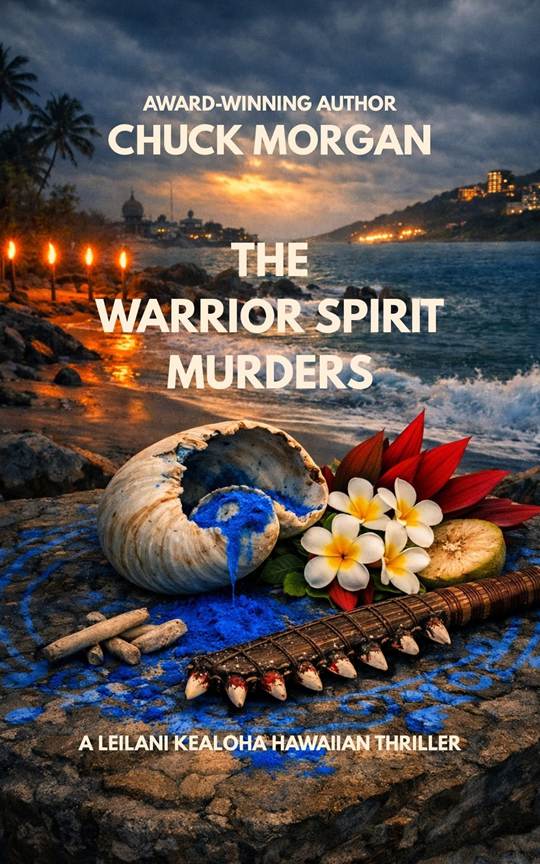
THE WARRIOR SPIRIT MURDERS
A Leilani Kealoha Hawaiian Thriller…new release ebook price…$0.99. Read for free with Kindle Unlimited
A Navy veteran is found on Oʻahu—marked with shells, blue pigment, and a ritual pattern older than the islands themselves. Detective Leilani Kealoha recognizes the signs: this isn’t imitation. It’s doctrine.
As more bodies surface, federal agents swarm the case, but Leilani sees a deeper truth. Someone is twisting cultural tradition into a weapon, resurrecting a corrupted “Warrior Spirit” philosophy to recruit the angry and the lost.
With her son and her elders in the crosshairs, Leilani must decipher a ritual language meant to mislead outsiders and lure insiders home. The killer is building toward a public spectacle that will terrify the island—and ignite a movement.
At the edge of the sea, where old law meets new justice, Leilani faces the most personal investigation of her life. Nothing sacred will be left untouched.
⭐⭐⭐⭐⭐The Warrior Spirit Murders is a fascinating thriller that kept me turning the pages. I enjoyed how the author blended the habitual procedural thriller elements with layered forensic detail that includes ritual knot patterns, encrypted communications, and analysis of coral dust. While these are exciting to follow, it was the relentless pacing that turned remote jungle heiaus and school open houses into pressure cookers of suspense for me. In this tale, actions and places are symbolic, and the sense of mystery grows as the heroine progresses in her chase after clues. Chuck Morgan’s characters are well-developed, rooted in ordinary backgrounds, yet facing a threat that raises the stakes. I enjoyed the depiction of Leilani as a fully realized lead character in the story, who balances her identity as a Hawaiian mother with her badge, while having a difficult partnership with NCIS Agent Castellano. This book is a well-crafted thriller that kept me guessing throughout and one that made me want to read more from this author. Reviewed by Christian Sia for Readers’ Favorite
***
FREE EBOOK
HERE IS AN AWESOME OPPORTUNITY TO FILL OUT YOUR SPRING AND SUMMER READING LISTS AND FIND YOUR NEXT FAVORITE AUTHOR
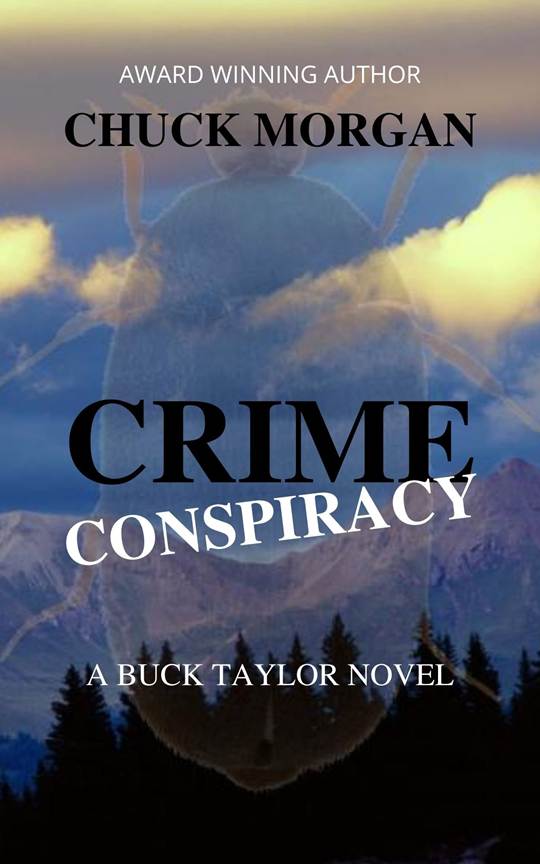 Hello readers…Here is a great opportunity to pick one of my FREE eBooks and check out a bunch of new authors. Click on the link below, enter your email and browse the free eBooks available. You might just find your next favorite author.
Get a free ebook copy of CRIME CONSPIRACY, A BUCK TAYLOR NOVEL…CLICK THE LINK BELOW:
https://books.bookfunnel.com/crimethrillersmay26/pq2st56x35
Check out the rest of my novels on amazon at:
https://www.amazon.com/author/chuckmorgan
or
PLEASE LEAVE AN AMAZON OR GOODREADS REVIEW. THIS IS AN INCREDIBLE HELP TO THE AUTHOR.
Chuck Morgan
The Best Marketing Strategies for New Fiction Authors: A Practical Guide to Building an Audience From Zero
The Best Marketing Strategies for New Fiction Authors: A Practical Guide to Building an Audience From Zero
Chuck Morgan, Crime Fiction Author
Most new fiction authors believe the hardest part of the journey is writing the book. Then they hit “publish” and discover the real challenge: getting readers to notice it. The truth is simple but uncomfortable, great books don’t sell themselves. Readers don’t magically appear. Visibility isn’t luck. It’s strategy, consistency, and understanding how readers discover new stories.
The good news is that fiction authors don’t need a huge budget, a massive following, or a marketing degree to build momentum. What they do need is a clear plan, a willingness to experiment, and a focus on long-term audience building rather than quick wins.
This guide breaks down the most effective, sustainable marketing strategies for new fiction authors. The ones that move books, build readership, and create a foundation for a long career.
1. Start With the Core: Know Your Genre and Your Reader
Marketing begins long before you post on social media or run an ad. It starts with understanding who your book is for.
Readers don’t buy genres, they buy experiences. They buy the feeling your story promises.
Ask yourself:
- What emotional experience does my book deliver?
- What tropes does it use?
- What books is it similar to?
- Who is the ideal reader — age, interests, reading habits?
- What problem does my book solve for them (escape, thrill, comfort, catharsis)?
When you know your reader, everything becomes easier: your cover, blurb, keywords, social content, newsletter tone, and even your long-term brand.
If you skip this step, every other marketing effort becomes guesswork.
2. Build an Author Brand That Signals Your Genre Instantly
Readers make snap decisions. They judge your professionalism, genre, and tone in seconds. Your brand should communicate:
- What you write
- Who it’s for
- What emotional promise do you deliver
For fiction authors, brand is not a logo; it’s consistency across:
- Book covers
- Website
- Social media tone
- Email voice
- Author photo
- Tagline
- Series naming conventions
A thriller author should feel different from a cozy mystery author. A fantasy author should feel different from a romance author.
Branding is not about being fancy; it’s about being recognizable.
3. Create an Email List Early — It’s Your Most Valuable Asset
Social media platforms change. Algorithms shift. Ads get expensive. But your email list is yours forever.
For fiction authors, an email list is the single most reliable way to:
- Launch books
- Build long-term readership
- Get reviews
- Sell backlist titles
- Announce promotions
- Create superfans
How to grow your list from scratch
- Offer a reader magnet. A short story, prequel, bonus epilogue, or character dossier works beautifully. It doesn’t need to be long, but it needs to be irresistible.
- Use a simple landing page. Tools like MailerLite or ConvertKit make this easy.
- Promote it everywhere.
- Back of your book
- Social media
- Website
- Author bio
- Guest posts
- Newsletter swaps
- Email consistently. Once a week or twice a month is enough. Share behind‑the‑scenes content, character insights, early cover reveals, and personal notes that build connection.
Your list becomes your launch team, your review team, and your most loyal fan base.
4. Optimize Your Amazon Presence. It’s Your Primary Storefront
Most fiction sales happen on Amazon, especially for new authors. That means your Amazon page must do the heavy lifting.
Key elements to optimize
- Cover — must match genre expectations instantly
- Title + subtitle — clear, interesting, keyword‑rich
- Book description — scannable, emotional, structured for conversion
- Categories — choose niche categories to increase visibility
- Keywords — use long‑tail phrases readers actually search
- A+ Content — free visual real estate that boosts conversions
- Author page — professional photo, bio, links, and updates
Amazon’s algorithm rewards books that convert well. A polished page increases conversion, which increases visibility, which increases sales; a self-reinforcing loop.
5. Use Social Media Strategically (Not Constantly)
You don’t need to be everywhere. You don’t need to post daily. You don’t need to dance on TikTok unless you want to.
What you need is a platform where you can:
- Show your personality
- Share your writing journey
- Connect with readers
- Network with other authors
- Promote your email list
Best platforms for fiction authors
- TikTok (BookTok) — explosive reach for fiction
- Instagram — visual storytelling, reels, aesthetic branding
- Facebook — groups, older readers, community building
- Threads — low-pressure, conversational
- YouTube Shorts — fast growth, evergreen content
What to post
- Tropes in your book
- Character teasers
- “If you like X, you’ll love this.”
- Behind-the-scenes writing moments
- Aesthetic mood boards
- Quotes from your book
- Personal stories that build connections
Social media is not about selling; it’s about attracting.
6. Leverage Communities Where Readers Already Gather
Instead of shouting into the void, go where readers already hang out.
High‑value communities
- Goodreads groups
- Reddit subreddits (genre‑specific)
- Facebook reader groups
- Discord servers
- Book clubs
- Local libraries
- Local writing groups
Take part as a human, not a marketer. Build relationships. Offer value. When you mention your book, it feels natural, and people respond.
7. Use Newsletter Swaps and Group Promos to Grow Fast
This is one of the most powerful growth strategies for new fiction authors, and it’s free.
Newsletter swaps
You promote another author’s book to your list, and they promote yours to theirs. The key is swapping with authors in your exact genre.
Group promos
Platforms like BookFunnel and StoryOrigin let you join themed promotions:
- “Thrillers with strong female leads.”
- “Cozy mysteries under 300 pages.”
- “Dark fantasy with antiheroes.”
Readers sign up for your magnet, and your list grows quickly with targeted fans.
8. Get Reviews Early and Consistently
Reviews are social proof. They influence Amazon ranking, conversions, and visibility.
How to get early reviews ethically
- ARC team (even 10–20 readers helps)
- Newsletter subscribers
- Beta readers
- BookFunnel ARC programs
- Reedsy Discovery
- Goodreads giveaways
- Back‑of‑book call‑to‑action
Never pay for reviews. Never trade reviews. Never pressure readers. Just make it easy and rewarding for them to support you.
9. Use Content Marketing to Build Long‑Term Discoverability
Content marketing is slow but powerful. It builds authority, SEO, and reader trust.
Effective content types for fiction authors
- Blog posts about your genre
- Behind-the-scenes world building articles
- Character interviews
- Writing journey updates
- Short stories
- YouTube videos
- Podcast guest appearances
This content attracts readers who love your world, your voice, and your storytelling style.
10. Build Relationships With Other Authors — It’s a Force Multiplier
The indie author world is collaborative, not competitive. Authors who network grow faster.
Ways to collaborate
- Co‑host giveaways
- Swap newsletters
- Share each other’s posts
- Co‑write short stories
- Appear on each other’s podcasts
- Bundle books
- Cross‑promote launches
A rising tide lifts all boats, especially in fiction.
11. Plan Launches Like Events, Not Afterthoughts
A strong launch sets the tone for your book’s entire lifespan.
A simple but effective launch plan
- 60 days out: cover reveal
- 45 days out: ARC team
- 30 days out: preorders
- 14 days out: teaser content
- Launch week: daily posts + email sequence
- Post‑launch: reviews push + newsletter swaps
Consistency beats intensity. A steady drumbeat works better than a single loud blast.
12. Think Long‑Term: Series Sell Better Than Standalones
If you want a career, not a one‑off success, write in series.
Series create:
- Repeat buyers
- Higher read‑through
- Stronger branding
- Easier marketing
- More predictable income
A reader who loves Book 1 will buy Book 2, 3, 4, and beyond. A standalone must win a new reader every time.
Final Thoughts: Marketing Is a Skill, Not a Mystery
New fiction authors often feel overwhelmed by marketing because it seems unpredictable. But once you understand how readers discover books — and how platforms reward engagement — the path becomes clear.
The most successful authors aren’t the loudest or the luckiest. They’re the ones who:
- Know their audience
- Build an email list
- Show up consistently
- Optimize their storefront
- Connect with readers
- Collaborate with other authors
- Treat their writing like a long‑term business
You don’t need to do everything. You just need to do the right things consistently.
Email Marketing and Building an Email List for New Authors: A Complete Guide
Email Marketing and Building an Email List for New Authors: A Complete Guide
Chuck Morgan, Crime Fiction Author
If you’re a new author, you’ve probably heard the advice: “Start an email list.” It’s repeated so often that it can feel like a cliché, but it’s also the most consistently accurate marketing truth in publishing. Social media trends shift, algorithms change, and retailers control visibility, but your email list is the one platform you truly own. It follows you from your first book to your twentieth, giving you a direct line to the readers most likely to buy, review, and champion your work.
This article breaks down why email marketing is essential, how to build your list from zero, and how to use it effectively without feeling overwhelmed.
Why Email Marketing Matters More Than Anything Else
Email marketing is the backbone of a sustainable author career for one simple reason: it gives you control. Unlike social media platforms, where your reach can disappear overnight, your email list is stable, predictable, and yours.
According to industry data, authors with strong email lists dramatically outperform those without them. Email consistently delivers higher engagement than any other channel because subscribers choose to hear from you. They’re invested. They’re curious. They’re primed to become fans.
For new authors, this is especially important. You may not have a large social following or a big advertising budget, but you can build a list of readers who care about your stories and want to follow your journey.
Step 1: Choose the Right Email Service Provider
Before you can build a list, you need a platform to host it. Fortunately, there are several beginner‑friendly options designed with authors in mind.
Popular choices include:
- MailerLite – clean interface, generous free tier, excellent automation tools.
- ConvertKit (Kit) – strong for creators, great for sequences and landing pages.
- Flodesk – beautiful templates and simple pricing.
- Substack – ideal if you want a newsletter‑first platform with built‑in discovery.
For most new authors, MailerLite is the easiest and most cost‑effective place to start. It offers free plans for small lists and intuitive tools for creating landing pages, automations, and newsletters.
Step 2: Create a Simple Author Website or Landing Page
You don’t need a full website to build your list. A single landing page, hosted by your email provider, is enough. This page should include:
- A clear headline (Get a Free Story + Exclusive Updates)
- A short description of what the reader will receive
- A signup form
- An interesting image (your book cover or author photo)
As you grow, you can expand into a full website, but don’t let perfection slow you down. A clean signup page is all you need to begin.
Step 3: Offer a Reader Magnet
A reader magnet is a free piece of content you give readers for joining your list. It’s the single most effective way to grow your audience quickly.
Great reader magnets include:
- A free novella or short story
- A prequel to your series
- The first few chapters of your upcoming book
- A bonus epilogue or alternate POV scene
- A world guide, map, or character dossier (for fantasy/sci‑fi)
Your magnet doesn’t need to be long; it just needs to be good and relevant to what you write. The goal is to give readers a taste of your storytelling so they want more.
Step 4: Use Multiple Touchpoints to Collect Emails
Once you have your magnet and landing page, you need to put them where readers will see them. Effective places include:
1. Back Matter of Your Books
This is the highest‑converting location. Add a link at the end of your book that says:
“Enjoyed this story? Get a free bonus chapter and future updates here.”
Readers who finish your book are your warmest leads.
2. Social Media Profiles
Pin your signup link to the top of your Facebook page, Instagram bio, TikTok profile, or X account.
3. Your Website
Place your signup form on your homepage, sidebar, and footer.
4. Giveaways and Promotions
Take part in genre‑specific giveaways through sites like Book Funnel or StoryOrigin. These can help you grow quickly; just be sure to clean your list afterward to remove freebie‑seekers who never engage.
5. In‑Person Events
If you attend signings, conferences, or book fairs, offer a QR code that links to your signup page.
Step 5: Send a Warm Welcome Sequence
Once someone joins your list, don’t leave them hanging. A welcome sequence is a short series of automated emails that introduces readers to you and your work.
A simple 3–5 email sequence might include:
- Delivery of the reader magnet
- A personal introduction—why you write, what you love
- A behind‑the‑scenes look at your book or series
- A soft pitch for your other books
- An invitation to connect on social media or reply to your email
This sequence builds trust and turns casual subscribers into fans.
Step 6: Email Consistently (But Not Constantly)
You don’t need to email every week. You do need to email regularly enough that readers remember who you are.
A good rhythm for new authors is:
- Once a month during quiet periods
- Once a week during a book launch
- Every 2–3 weeks during active writing or promotions
Your emails should be a mix of:
- Updates on your writing
- Behind‑the‑scenes insights
- Personal stories
- Book recommendations
- Exclusive content
- Launch announcements
- Sales and promotions
The key is to be authentic and consistent. Readers want to feel connected to you, not marketed to.
Step 7: Keep Your List Healthy
A strong list isn’t just about size; it’s about engagement. Clean your list every few months by removing subscribers who haven’t opened or clicked in a long time. This improves deliverability and ensures your emails reach the people who care.
Final Thoughts
Email marketing isn’t complicated; it’s strategic. Start with a simple landing page, offer an interesting reader magnet, and show up consistently with value. Over time, your list becomes your most powerful asset: a community of readers who support every book you write.
If you’re a new author, there’s no better time to start than today. Your future fans are waiting.
Social Media Posts vs. Paid Social Media Advertising: A Guide for New Writers
Social Media Posts vs. Paid Social Media Advertising: A Guide for New Writers
Chuck Morgan, Crime Fiction Author
Social media has become one of the most powerful tools for authors — whether you’re launching your first book, building an audience, or trying to grow your brand. But not all social media activity works the same way. As a new writer, you’ll hear two terms over and over: organic social media posts and paid social media advertising.
Both can help you grow. Both can sell books. Both can build your author brand. But they work differently.
This article breaks down the pros, cons, differences, and best uses of each so you can make smart decisions about your author platform, even if you’re starting with zero budget.
1. What Organic Social Media Posts Actually Are
Organic posts are the everyday content you share for free: updates, behind‑the‑scenes writing moments, quotes, videos, character art, book announcements, and conversations with readers. They appear in your followers’ feeds and sometimes reach new people through shares, hashtags, or platform algorithms.
Benefits of Organic Posting
· Builds genuine relationships. Organic content is about connection, not selling. Readers follow authors they feel close to.
· Free and sustainable. You can post daily without spending a dollar.
· Strengthens your brand's voice. Readers learn who you are, what you write, and why they should care.
· Encourages engagement. Comments, shares, and conversations help your visibility.
· Great for long‑term growth. Organic content compounds.
Drawbacks of Organic Posting
· Limited reach. Only a percentage of your followers see each post. Algorithms decide the rest.
· Slow growth. It can take months or years to build momentum.
· Not ideal for launches alone. If you rely only on organic posts, your book release may not reach enough people.
· Requires consistency. You need to show up regularly to stay visible.
2. What Paid Social Media Advertising Is
Paid social media advertising includes boosted posts, sponsored posts, and full ad campaigns on platforms like Facebook, Instagram, TikTok, and X. These ads reach people beyond your followers — often people who have never heard of you.
Benefits of Paid Advertising
· Massive reach. Paid ads can reach thousands of targeted readers instantly.
· Precise targeting. You can target readers by genre interests, age, location, behavior, and more.
· Fast results. Great for book launches, promotions, and list‑building.
· Scalable. Spend more → reach more.
· Customizable creative. Paid ads allow strong visuals, calls‑to‑action, and optimized messaging.
Drawbacks of Paid Advertising
· Costs money. Even small campaigns add up.
· Requires strategy. Poor targeting wastes money quickly.
· Learning curve. Ads require testing, tweaking, and analyzing.
· Not all ads convert. Even good ads can fail if the audience isn’t right.
3. Key Differences Between Organic Posts and Paid Ads
Purpose
Organic: Build relationships, community, and trust.
Paid: Drive reach, clicks, sales, and measurable actions.
Audience
Organic: Mostly your existing followers.
Paid: Anyone you choose to target — even people who’ve never heard of you.
Speed
Organic: Slow and steady.
Paid: Fast and scalable.
Cost
Organic: Free.
Paid: Budget required.
Control
Organic: Algorithm decides who sees your posts.
Paid: You control targeting, placement, and reach.
4. When New Writers Should Use Organic Posting
Organic posting is essential for:
Building your author identity
Readers want to know the person behind the book. Organic content lets you show your personality, process, and passion.
Developing a loyal community
Readers who feel connected to you become superfans, the ones who buy every book, leave reviews, and share your work.
Sharing your writing journey
Draft updates, character sketches, writing struggles, and victories all help readers feel invested.
Growing slowly but authentically
Organic posting is the foundation of your long‑term author brand.
5. When New Writers Should Use Paid Advertising
Paid ads are ideal for moments when you need reach, speed, and precision.
Book launches
Ads can introduce your book to thousands of genre‑specific readers instantly.
Building your email list
Paid ads can drive signups for a free novella, sample chapters, or reader magnet.
Boosting a high‑performing post
If an organic post is already doing well, boosting it can multiply its reach.
Running sales or promotions
Limited‑time discounts perform extremely well with paid ads.
6. Pros and Cons Summary Table
Feature Organic Posts Paid Ads
Cost Free Requires budget
Reach Limited to followers + shares Broad, targeted, scalable
Speed Slow Fast
Best For Community, trust, brand building Launches, sales, list‑building
Control Algorithm‑dependent Full targeting control
Longevity Long‑term growth Short‑term impact
Skill Needed Low Medium–high
7. Should New Writers Use Both?
Yes — and here’s why.
According to industry analysis, the strongest strategies combine organic and paid social media, using each for what it does best. Organic builds trust and steady growth; paid provides reach and results when you need them.
For new writers, this hybrid approach is ideal:
· Use organic content to build your voice, community, and authenticity.
· Use paid ads strategically during launches, promotions, or list‑building pushes.
You don’t need a huge budget. Even $5–$10 boosts can help.
8. A Simple Strategy for New Writers
Step 1: Post organically 3–5 times per week
Share:
· Writing updates
· Quotes
· Behind‑the‑scenes
· Reader questions
· Short videos
· Excerpts
Step 2: Watch what performs well
If a post gets strong engagement, save it. It might be a good candidate for boosting later.
Step 3: Boost only your best content
Boosting a high‑performing post is the easiest, safest way to start with paid ads.
Step 4: Run small, targeted campaigns for launches
Target readers who love your genre. Start small, test, and scale what works.
Final Thoughts
Organic posting and paid advertising are not competitors — they’re partners. Organic content builds your foundation; paid ads amplify your reach. As a new writer, you don’t need to master everything at once. Start with organic posting, learn your audience, and add paid ads when you’re ready.
Hiring an Editor vs. Using Online Editing Tools: What New Authors Need to Know
Hiring an Editor vs. Using Online Editing Tools: What New Authors Need to Know
Chuck Morgan, Crime Fiction Author
For new authors, few decisions feel as intimidating, or as important, as choosing how to edit your manuscript. You’ve poured months or years into writing your book. Now you’re staring at a draft that needs polishing, tightening, correcting, and elevating before it’s ready for readers. The question becomes: Do you hire a professional editor, or do you rely on the growing number of online editing tools available today?
Both paths can lead to a strong finished book, but they offer very different experiences, costs, and outcomes. Understanding the strengths and limitations of each option will help you make the right choice for your goals, your budget, and your writing style.
Why Editing Matters More Than You Think
Before diving into the comparison, it’s worth emphasizing why editing is non‑negotiable. Readers today have endless choices. A single typo on page one, a confusing plot point, or clunky dialogue can cause them to close your book and move on. Worse, negative reviews can follow you for years.
Editing isn’t just about fixing mistakes. It’s about:
· Strengthening your storytelling
· Clarifying your voice
· Improving pacing and flow
· Ensuring consistence
· Enhancing reader immersion
Whether you hire a human or use software, the goal is the same: to produce a book that feels professional, polished, and worth reading.
The Case for Hiring a Professional Editor
Professional editors have been the backbone of publishing for centuries. Even bestselling authors rely on them. For new authors, the benefits can be transformative.
Pros of Hiring a Professional Editor
1. Human Insight and Nuance
A human editor brings something no algorithm can replicate: intuition. They understand subtext, tone, emotional beats, character motivation, and narrative logic. They can tell you when your protagonist’s decision doesn’t make sense, when your dialogue feels flat, or when your pacing drags.
Editing tools can flag passive voice.
A human editor can tell you why your scene lacks tension.
2. Genre Expertise
Editors often specialize in genres—thrillers, romance, sci‑fi, memoir, etc. They know what readers expect, what tropes work, and what pitfalls to avoid. A good editor becomes a partner who helps you shape your book into something that resonates with your target audience.
3. Developmental Guidance
If you’re a new author, you may not just need proofreading—you may need developmental editing, which focuses on big‑picture issues like structure, character arcs, and plot coherence. No software can give you this level of feedback.
4. Accountability and Collaboration
Working with an editor creates a professional relationship. They ask questions, challenge your choices, and push you to improve. This collaboration can elevate your writing skills for future books.
5. A More Polished Final Product
A professional editor can take a good manuscript and make it great. They catch things you never would have seen, even after multiple drafts.
Cons of Hiring a Professional Editor
1. Cost
This is the biggest barrier for new authors. Professional editing can range from a few hundred dollars to several thousand, depending on:
· The type of editing (developmental, line, copyediting, proofreading)
· The editor’s experience
· The length of your manuscript
For many new authors, the price tag feels overwhelming.
Editors often have full schedules. Turnaround times can range from a few weeks to several months. If you’re eager to publish quickly, this can feel slow.
3. Finding the Right Fit
Not all editors are created equal. Some are brilliant. Some are mediocre. Some simply won’t “get” your voice. Finding the right editor takes research, communication, and sometimes trial and error.
4. Emotional Vulnerability
Handing your manuscript to a stranger can feel like handing them your heart. Feedback—no matter how constructive—can sting. New authors sometimes struggle with this part of the process.
The Case for Online Editing Tools
In the last decade, editing software has exploded in popularity. Tools like Grammarly, ProWritingAid, Hemingway Editor, and others promise fast, affordable, AI‑powered editing. For new authors, these tools can be incredibly helpful—but they’re not a complete replacement for human expertise.
Pros of Using Online Editing Tools
1. Affordability
Most editing tools are free or low‑cost. Even premium versions are far cheaper than hiring a professional editor. For authors on a tight budget, this is a major advantage.
2. Speed
Editing tools work instantly. You can upload your manuscript and receive suggestions within seconds. This makes them ideal for quick cleanups or early drafts.
3. Convenience
You can use editing tools anytime, anywhere. They integrate with browsers, word processors, and even mobile devices. This makes them perfect for authors who write on the go.
4. Great for Catching Technical Errors
Editing software excels at:
· Grammar
· Spelling
· Punctuation
· Repeated words
· Passive voice
· Overly long sentences
These tools can clean up surface‑level issues efficiently.
5. Helpful for Learning
Many tools explain why they’re suggesting a change. Over time, this can help new authors improve their writing habits.
Cons of Using Online Editing Tools
1. Lack of Contextual Understanding
Editing tools don’t truly understand stories. They can’t interpret character motivation, emotional nuance, or narrative pacing. They may flag things that are stylistically intentional—or miss things that are structurally broken.
2. Overcorrection
Software often pushes writing toward a bland, uniform style. It may suggest removing sentence fragments that add voice, or correct dialogue that reflects a character’s personality.
3. Inconsistent Accuracy
Editing tools are improving, but they still make mistakes. They may miss homophones, misinterpret complex sentences, or offer suggestions that simply don’t fit your voice.
4. No Developmental Feedback
No editing tool can tell you:
· Your ending feels rushed
· Your villain’s motivation is unclear
· Your subplot disappears halfway through
· Your protagonist isn’t likable enough
These are human‑level insights.
Editing tools don’t understand genre conventions. They can’t tell you whether your thriller lacks suspense or your romance needs more emotional payoff.
Which Option is Right for You?
The truth Os, there’s no one‑size‑fits‑all answer. The best choice depends on your goals, your budget, and your experience level.
Choose a Professional Editor If…
· You’re publishing your first book and want it to be the strongest version possible
· You’re writing in a competitive genre
· You want developmental guidance
· You’re planning a long‑term writing career
· You value collaboration and expert insight
A professional editor is an investment in both your book and your growth as an author.
Choose Online Editing Tools If…
· You’re on a tight budget
· You’re polishing early drafts
· You want quick feedback
· You’re confident in your story structure but need help with grammar and clarity
· You’re experimenting with writing and not ready to invest heavily
Editing tools are excellent for cleanup, but they’re not a substitute for deep editorial insight.
The Best Approach for Most New Authors
Here’s the strategy many successful indie authors use:
1. Use editing tools for your early drafts.
Clean up the grammar, tighten the sentences, and fix obvious issues.
2. Revise your manuscript yourself.
Strengthen your story, characters, and pacing.
3. Hire a professional editor for the later stages.
Let them elevate your manuscript from “good” to “publish‑ready.”
This hybrid approach gives you the best of both worlds: affordability, speed, and professional quality.
Final Thoughts
Editing is where your book becomes the version readers will remember. Whether you choose a professional editor, online tools, or a combination of both, the key is to approach the process with intention. New authors often underestimate how much editing shapes the final product—but readers never do.
Your book deserves the best chance to succeed. Choose the editing path that aligns with your goals, your resources, and the author you want to become.
Writing Eye‑Catching Amazon Descriptions and Using Long‑Tail Keywords to Unlock Hidden Categories: A Guide for New Authors
Writing Eye‑Catching Amazon Descriptions and Using Long‑Tail Keywords to Unlock Hidden Categories: A Guide for New Authors
Chuck Morgan, Crime fiction Author
If you’re a new author stepping into the Amazon ecosystem, you’re entering the largest, most competitive bookstore in the world. Millions of titles. Thousands of new releases every day. Endless noise. And yet, authors break through every single week. Not because they’re lucky, not because they know someone on the inside, but because they understand how Amazon works and how to position their book so readers can find it.
Two of the most powerful tools at your disposal are:
1. An interesting, conversion‑driven Amazon description, and
2. Strategic long‑tail keywords that unlock hidden categories and niche browse paths.
Most new authors underestimate both. They treat the description like an afterthought and the keywords like a chore. But if you want visibility, discoverability, and sales, these two elements are non‑negotiable. They’re your storefront. Your pitch. Your algorithmic handshake with Amazon.
This article breaks down how to write descriptions that stop the scroll, how to use long‑tail keywords the way Amazon’s algorithm prefers, and how to position your book so it lands in the right categories, especially the hidden ones that most authors never even know exist.
Why Your Amazon Description Matters More Than You Think
Readers don’t buy books; they buy promises.
A promise of escape. A promise of tension. A promise of knowledge. A promise of transformation.
Your Amazon description is where you articulate that promise.
On Amazon, your description has three jobs:
1. Hook the reader emotionally
2. Communicate the core experience of your book
3. Convert curiosity into a purchase
If your description fails at any of these, the reader clicks away. And Amazon notices. Low conversion signals tell the algorithm your book isn’t satisfying customer intent, which pushes you down in rankings and reduces your visibility.
A strong description increases your click‑through rate, boosts conversions, and sends positive signals to Amazon’s recommendation engine. That’s how books start appearing in “Customers Also Bought,” “Recommended for You,” and “Trending Near You.”
The Anatomy of an Eye‑Catching Amazon Description
A high‑performing description usually follows a structure that mirrors the psychology of online shoppers. Here’s the breakdown:
1. The Hook (1–3 sentences)
This is your opening punch. It must be emotional, cinematic, or curiosity‑driven. Think of it like the first line of a thriller: it needs to grab the reader by the collar.
Examples of powerful hooks:
· A detective with everything to lose. A paradise with everything to hide.
· When the truth surfaces, someone always pays the price.
· She thought she had left her past behind. The past disagreed.
Your hook should feel like the heartbeat of your book distilled into a single moment of tension.
2. The Story Setup (1–2 brief paragraphs)
This is where you introduce:
· The protagonist
· The central conflict
· The stakes
· The emotional tone
Keep it tight. Keep it visual. Keep it focused on the reader’s experience, not a plot summary.
Readers don’t want a synopsis—they want a promise of the journey.
3. The Escalation (1 paragraph)
This is where you raise the stakes. What’s the ticking clock? What’s the danger? What’s the emotional cost?
This section should make the reader feel the tension rising.
4. The Genre Signal (1–2 sentences)
Amazon’s algorithm and your readers both need clarity. Tell them what kind of book this is.
Examples:
· Perfect for fans of gritty police procedurals and island‑noir thrillers.
· A fast‑paced medical thriller with emotional depth and relentless suspense.
This helps Amazon map your book to the right audience.
5. The Bullet Points (3–6 bullets)
Bullets are essential. They break up the text, increase readability, and highlight selling points. They also allow you to incorporate long‑tail keywords without sounding robotic.
Examples:
· A strong female detective navigating corruption, culture, and deadly secrets
· A tropical noir setting where paradise hides a criminal underworld
· A high‑stakes investigation that blends procedural detail with emotional depth
· A character‑driven thriller for fans of atmospheric, slow‑burn suspense
Bullets should reinforce the book’s identity and appeal.
6. The Call to Action (1–2 sentences)
Never end passively. Tell the reader what to do.
Examples:
· Dive into the first book of this gripping new series today.
· Perfect for fans of crime fiction—start reading now.
A clear CTA increases conversions.
Why Long‑Tail Keywords Matter More Than Short Ones?
Most new authors make the same mistake: they use short, generic keywords like “thriller,” “mystery,” or “romance.”
These are useless.
Amazon’s algorithm doesn’t need you to tell it your book is a thriller. It already knows—from your categories, your cover, your metadata, your Look Inside, your reviews, and your description.
What Amazon needs is context.
Long‑tail keywords provide that context.
A long‑tail keyword is a natural‑language phrase that reflects:
· Subgenre
· Setting
· Character type
· Plot mechanics
· Emotional tone
· Reader intent
Examples:
· tropical crime thriller detective investigates resort break-ins Hawaii
· female detective police procedural uncovering corruption in paradise
· organized crime conspiracy thriller with a strong heroine
· island noir mystery with cultural depth and atmospheric suspense
These phrases do three things:
1. Help Amazon map your book to niche categories
2. Match your book to specific reader search queries
3. Signal the algorithm which audience is most likely to buy
Short keywords are broad. Long‑tail keywords are precise. Precision gets you discovered.
How Long‑Tail Keywords Unlock Hidden Categories
Amazon has thousands of categories, but only a fraction are visible in the public browse tree. The rest are “hidden” or “suppressed”—meaning you can’t select them manually, but Amazon will place you in them if your metadata signals match.
Examples of hidden categories include:
· International Mystery & Crime > Island Noir
· Police Procedurals > Female Detectives
· Crime Thrillers > Organized Crime
· Suspense > Cultural & Regional Crime Fiction
You can’t choose these directly. But you can trigger them.
How?
By using long‑tail keyword sequences that reflect the exact attributes Amazon associates with those categories.
For example:
· tropical crime thriller detective investigates resort break-ins Hawaii
· → Signals Island Noir + Crime Thriller + Police Procedural
· female detective uncovering corruption high-stakes investigation
· → Signals Female Detectives + Police Procedural
· organized crime conspiracy thriller dangerous underworld secrets
· → Signals Organized Crime + Conspiracy Thriller
Amazon’s algorithm reads these sequences, compares them to reader behavior patterns, and maps your book to the categories where similar books perform well.
This is how you land in niche categories with lower competition and higher visibility.
Where to Use Long‑Tail Keywords
You have several strategic locations:
1. Backend Keywords (KDP Dashboard)
You get seven slots. Use natural‑language phrases, not single words. No commas. No repeats of title/author/series words.
2. Amazon Description (Bullets + Body)
Use them sparingly and naturally. Amazon reads your description for context.
3. A+ Content
Amazon scans this too. Use genre‑specific phrasing.
4. Ads (Amazon Ads / Meta / Google)
Long‑tail keywords make your ads more targeted and cheaper.
5. Author Website & Shopify Store
Consistency across platforms strengthens your SEO footprint.
How to Craft Effective Long‑Tail Keyword Sequences
A strong long‑tail keyword sequence should include:
· A genre signal (crime thriller, cozy mystery, medical suspense)
· A character type (female detective, retired cop, forensic pathologist)
· A plot mechanic (break‑ins, conspiracy, missing persons, cold case)
· A setting (Hawaii, small town, New Orleans, Arctic research station)
· An emotional tone (gritty, atmospheric, fast‑paced, character‑driven)
Example formula:
[Setting] + [Character] + [Plot Mechanic] + [Genre] + [Emotional Tone]
Examples:
· Hawaii female detective investigating resort break-ins tropical crime thriller gritty suspense
· small-town sheriff uncovering buried secrets slow-burn mystery atmospheric tension
These read like natural search queries—and that’s exactly what Amazon wants.
Putting It All Together: Description + Keywords + Categories
When your description and keywords work together, you create a unified signal that tells Amazon:
· What your book is
· Who it’s for
· Which categories it belongs in
· Which readers are most likely to buy
This alignment unlocks hidden categories and improves your ranking.
For example:
· Your description highlights a female detective in a tropical noir setting.
· Your bullets reinforce organized crime, cultural depth, and high‑stakes investigation.
· Your backend keywords include long‑tail sequences matching those elements.
Amazon sees the pattern.
Amazon maps you to the right readers.
Amazon places you in the right categories.
Your visibility increases.
Your conversions improve.
Your book climbs.
Final Thoughts: Your Description and Keywords Are Your First Real Marketing Tools
New authors often focus on the wrong things—social media, giveaways, ads—before they’ve nailed the fundamentals. But none of those matter if your Amazon listing isn’t optimized.
· Your description is your pitch.
· Your keywords are your map.
· Your categories are your battlefield.
Master these, and you give your book the best possible chance to break through the noise.
https://chuckmorganbooks.com
Self‑Publishing vs. Traditional Publishing: How New Authors Can Choose the Right Path
Self‑Publishing vs. Traditional Publishing: How New Authors Can Choose the Right Path
Chuck Morgan, Crime Fiction Author
For new authors, one of the biggest early decisions is choosing between self‑publishing and traditional publishing. Both paths can lead to successful writing careers, but they offer very different experiences, timelines, and levels of creative control. Understanding those differences helps you choose the publishing model that fits your goals and the writing life you want to build.
This guide breaks down each option in clear, practical terms so you can make a confident, informed decision.
Why Your Publishing Path Matters?
Your publishing choice affects:
How much control you have over your book
How quickly you can publish
How much you earn per sale
How much marketing you’ll need to do
How your long‑term author career develops
There’s no “right” answer. There’s only the right answer for you.
What Traditional Publishing Looks Like
Traditional publishing is the classic route: literary agents, book deals, advances, and established publishing houses.
How It Works
Write and polish your manuscript.
Query literary agents.
If an agent signs you, they will pitch your book to publishers.
If a publisher buys it, you receive an advance and a contract.
The publisher handles editing, cover design, printing, and distribution.
It’s a long, competitive process—but it comes with professional support.
Pros of Traditional Publishing
1. No Upfront Costs
The publisher pays for:
Editing
Cover design
Printing
Distribution
You don’t invest money to publish.
2. Industry Validation
A book deal signals that professionals believe in your work. For many authors, this recognition matters.
3. Wide Distribution
Traditional publishers can get your book into:
Bookstores
Libraries
Retail chains
International markets
This reach is difficult to achieve independently.
4. Professional Editing and Design
You work with experienced editors and designers who help elevate your book.
5. Access to Certain Awards and Reviews
Some literary awards and review outlets still prioritize traditionally published books.
Cons of Traditional Publishing
1. Slow Timelines
From query to publication, the process can take 2–3 years.
2. High Competition
Agents receive thousands of queries. Publishers accept only a small percentage of agented submissions.
3. Less Creative Control
You may have limited say in:
Your cover
Your title
Your release date
Your marketing plan
4. Lower Royalties
Typical royalties:
10–15% on print
Self‑publishing pays significantly more per sale.
5. You Still Have to Market
Publishers expect authors to:
Build an online presence
Promote their books
Engage with readers
Traditional publishing is not a marketing‑free path.
What Self‑Publishing Looks Like
Self‑publishing has become a powerful, respected option—especially for genre fiction authors. You act as the publisher, making all creative and business decisions.
How It Works
Write and edit your book.
Hire professionals (editor, cover designer, formatter).
Publish through platforms like Amazon KDP, IngramSpark, Kobo, or Draft2Digital.
Manage your own marketing and launch strategies.
You control everything—and you keep more of the profits.
Pros of Self‑Publishing
1. Full Creative Control
You choose:
The cover
The title
The price
The release date
The marketing strategy
Your vision stays intact.
2. Fast Publishing Timeline
You can publish in weeks, not years. This is ideal for:
Series authors
Thriller, mystery, romance, fantasy, and sci‑fi writers
Authors building momentum quickly
3. Higher Royalties
Most platforms offer:
70% on ebooks (within certain price ranges)
40–60% on paperbacks
You earn more per sale.
4. You Keep All Rights
You keep:
Ebook
Audiobook
Foreign
Film/TV
You can license them—or not—on your own terms.
5. Direct Reader Connection
Self‑publishing lets you:
Build a mailing list
Control your brand
Understand your audience
Create long‑term reader loyalty
This is the foundation of a sustainable author career.
Cons of Self‑Publishing
1. Upfront Costs
Professional editing, cover design, and formatting require investment.
2. You Handle Everything
You’re responsible for:
Quality control
Metadata
Marketing
Ads
Launch planning
It’s empowering—but it’s work.
3. Limited Bookstore Presence
Most self‑published books sell online unless you actively pursue bookstore distribution.
4. Some Remaining Stigma
While shrinking, some institutions still favor traditionally published books.
5. Learning Curve
You’ll need to learn:
Publishing platforms
Genre expectations
Marketing basics
Pricing strategies
Self‑publishing is a business, not just a creative outlet.
Which Path Fits You Best?
Here’s a quick way to evaluate your direction.
Traditional Publishing Might Be Right If You…
Want industry validation
Prefer to focus mainly on writing
Don’t want to manage the business side
Are patient with long timelines
Write literary fiction, memoir, or certain nonfiction
Want bookstore and library access
Don’t want to invest upfront
Self‑Publishing Might Be Right If You…
Want full creative control
Write commercial genres (thriller, mystery, romance, fantasy, sci‑fi)
Prefer fast release cycles
Are entrepreneurial
Don’t mind learning marketing
Want higher royalties
Are willing to invest in professional production
The Hybrid Author: The Best of Both Worlds
Many modern writers choose a hybrid path, publishing some books traditionally and others independently. This approach offers:
The credibility of traditional publishing
The income and control of self‑publishing
Multiple revenue streams
Greater career stability
You don’t have to choose one path forever. You can choose the right path for each book.
Final Thoughts
Choosing between self‑publishing and traditional publishing isn’t about choosing your worth as a writer. It’s about choosing a business model.
Both paths can lead to:
Loyal readers
Financial success
Creative fulfillment
A long, meaningful writing career
Ask yourself:
Do I want control or support
Do I want speed or structure
Do I want ownership or partnership
Do I want higher royalties or lower risk
Your answers will point you toward the publishing path that fits your goals—and your voice.

Understanding Amazon Algorithms for New Authors
Understanding Amazon Algorithms for New Authors
Chuck Morgan, Crime Fiction Author
For new authors, Amazon can feel like a vast, mysterious ecosystem where some books rise to the surface effortlessly while others sink without a trace. The truth is far less mystical: Amazon’s algorithms are powerful, logical, and surprisingly predictable once you understand what they’re designed to do. They exist for one purpose — to connect readers with books they’re most likely to buy.
If you’re just stepping into the world of publishing, learning how these systems work is one of the most valuable skills you can develop. It’s not about gaming the system. It’s about aligning your book with the signals Amazon already rewards.
This guide breaks down the core components of Amazon’s algorithms in a clear, accessible way so you can make smarter decisions, avoid common pitfalls, and give your book the best possible chance to succeed.
1. Amazon Is a search engine first, a store second
Most new authors think of Amazon as a bookstore. It behaves much more like Google.
Readers type in:
• “crime thriller with a female detective”
• “Hawaiian mystery series”
• “slow-burn romantic suspense”
• “police procedural box set”
Amazon’s job is to return the most relevant, highest‑converting books for that search.
This means:
• Your keywords,
• Your categories,
• Your title and subtitle,
• Your book description,
• Your Look Inside sample,
• And your sales history
…all work together to tell Amazon who your book is for.
The clearer those signals are, the more confidently Amazon can recommend your book to the right readers.
2. The A9 Algorithm: How Amazon Decides What to Show
Amazon’s primary search algorithm is known as A9. While the exact formula is proprietary, years of testing by publishers and marketers have revealed the core factors it prioritizes.
A9 rewards books that:
• Convert well (people who see the book buy it)
• Maintain consistent sales
• Match reader search intent
• Have strong metadata (keywords, categories, title, subtitle)
• Have a healthy review profile
• Keep readers engaged (for Kindle books)
A9 penalizes books that:
• Have mismatched keywords
• Have low conversion rates
• Have poor or misleading metadata
• Have high return rates
• Have weak or inconsistent sales
In short:
Amazon wants to promote books that make readers happy and make Amazon money.
Your job is to help Amazon understand your book so it can do exactly that.
3. Keywords: The Hidden Engine Behind Discoverability
For new authors, keywords are often misunderstood or underused. Amazon gives you seven keyword fields, and each field can contain long‑tail keyword phrases, not just single words.
A long‑tail keyword is a natural, reader‑style search phrase like:
• “crime thriller set in the American West”
• “female detective police procedural series”
• “Hawaiian noir mystery with a strong female lead”
These phrases do three things:
1. Tell Amazon exactly who your book is for
2. Help you appear in niche, low‑competition searches
3. Unlock hidden categories (like Island Noir or Organized Crime Thrillers)
Amazon’s algorithm reads these phrases and uses them to match your book with readers who type similar searches.
What NOT to do:
• Don’t repeat words from your title or subtitle
• Don’t keyword‑stuff
• Don’t use competitor author names
• Don’t use irrelevant terms just to chase traffic
Amazon is smarter than that, and it will penalize you for it.
4. Categories: Your Book’s First Signal to Amazon
Categories are Amazon’s way of shelving your book. They help readers find you, but they also help Amazon understand your genre.
Most authors choose categories that are:
• Too broad
• Too competitive
• Too disconnected from their actual story
The result?
Your book gets buried.
The smarter approach:
Choose narrow, accurate, low‑competition categories that match your book’s themes, setting, and subgenre.
For example:
• Instead of Mystery, Thriller & Suspense, choose Crime Fiction > Police Procedurals
• Instead of Romance, choose Romantic Suspense > Military Romance
• Instead of Literature & Fiction, choose Noir > Island Noir
The more specific your categories, the easier it is to:
• Rank
• Earn a bestseller tag
• Signal Amazon’s algorithm
• Reach the right readers
5. Conversion Rate: The Algorithm’s Most Important Metric
Amazon tracks every step of a reader’s journey:
• How many people see your book page
• How many click
• How many buy
• How many read (for Kindle)
• How many return
This is your conversion rate, and it’s the single most powerful signal Amazon uses.
If 100 people view your book and 10 buy it, you have a 10% conversion rate.
If 100 people view your book and 1 buys it, you have a 1% conversion rate.
Amazon will promote the 10% book every time.
How to improve your conversion rate:
• A strong, professional cover
• A compelling, scannable description
• A powerful first chapter
• Accurate keywords and categories
• Social proof (reviews, blurbs, endorsements)
Conversion rate is why a great cover and a strong description matter more than almost anything else.
6. The 30‑Day and 90‑Day Windows: Why Launches Matter
Amazon gives new books a temporary boost during:
• The first 30 days
• The first 90 days
During these windows, Amazon is watching:
• How many people buy
• How many pages are read
• How many reviews appear
• How readers respond
If your book performs well early, Amazon will:
• Push it into more search results
• Recommend it in “Customers Also Bought”
• Place it in “Readers Also Enjoyed”
• Show it in email promotions
If your book performs poorly early, Amazon will reduce visibility.
This is why coordinated launches, newsletter swaps, ads, and early reviews matter so much.
7. The “Customers Also Bought” Carousel: Your Book’s Neighborhood
This is one of the most powerful discovery tools on Amazon.
If your book appears next to:
• Similar authors
• Similar genres
• Similar themes
…Amazon will start recommending your book to those authors’ readers.
But if your book appears next to:
• Cookbooks
• Children’s books
• Unrelated genres
…your algorithmic signals get scrambled.
This usually happens when:
• Keywords are inaccurate
• Categories are mismatched
• Friends and family buy your book
• You run ads to the wrong audience
Your goal is to build a clean, accurate “neighborhood” of comparable titles.
8. Reviews: Social Proof and Algorithmic Fuel
Amazon doesn’t reveal exactly how reviews affect ranking, but we know they influence:
• Conversion rate
• Reader trust
• Amazon’s confidence in your book
A book with:
• 20+ reviews
• A 4.3–4.7 average
• Detailed, authentic feedback
…will almost always outperform a book with:
• 2 reviews
• A 5.0 average
• Short, vague comments
Amazon also tracks:
• Review velocity
• Review diversity
• Verified purchases
Slow, steady, organic reviews are ideal.
9. Kindle Unlimited and Page Reads
If your book is in Kindle Unlimited, Amazon tracks:
• Pages read
• Completion rate
• Reader engagement
High engagement tells Amazon: “This book satisfies readers.”
Low engagement tells Amazon: “This book may not be a good recommendation.”
For KU authors, page reads can be just as important as sales.
10. Ads and the Algorithm: A Symbiotic Relationship
Amazon ads don’t directly improve your ranking.
But they do improve:
• Visibility
• Click‑through rate
• Conversion rate
• Sales velocity
And those do improve your ranking.
Ads are essentially a way to feed the algorithm the data it needs to understand your book.
11. The Long Game: Why Consistency Beats Spikes
Amazon rewards:
• Steady sales
• Consistent engagement
• Predictable reader behavior
A book that sells:
• 5 copies a day for 60 days
Will often outperform a book that sells:
• 100 copies in one day
• Then nothing for a week
Slow, steady growth builds a stable algorithmic foundation.
Final Thoughts: Amazon Isn’t Your Enemy, It’s Your Partner
For new authors, Amazon’s algorithms can feel intimidating. But once you understand how they work, they become a powerful ally.
Amazon wants:
• Clear metadata
• Accurate targeting
• Strong reader satisfaction
• Consistent performance
You want:
• Visibility
• Discoverability
• Sales
• Loyal readers
When you align your book with Amazon’s systems, you’re not gaming the algorithm; you’re helping it help you.
If you’re writing crime, thrillers, noir, or police procedurals, genres where you already have deep expertise, these principles become even more powerful. Amazon thrives on clarity, and your minimalist, emotionally resonant approach to storytelling and design fits perfectly with what the algorithm rewards.
Self‑Publishing vs. Traditional Publishing: How a New Author Can Choose the Right Path
Self‑Publishing vs. Traditional Publishing: How a New Author Can Choose the Right Path
Chuck Morgan, Crime Fiction Author
For a brand‑new author, few decisions feel as overwhelming, or as defining, as choosing between self‑publishing and traditional publishing. Both paths can lead to a successful writing career, but they work differently, and each comes with its own set of expectations, responsibilities, and rewards. The good news is that there’s no “wrong” choice. The better news is that once you understand how each option works, the right path for you usually becomes clear.
This article breaks down the differences in plain English, focusing on what new authors actually need to know—not the myths, not the hype, and not the outdated advice that still floats around writing groups. Think of this as a practical guide to help you make a confident, informed decision about your publishing future.
What Traditional Publishing Really Means
Traditional publishing is the long‑established route: you write a manuscript, find a literary agent, and that agent submits your book to publishers. If a publisher buys your book, they pay you an advance, handle production, and distribute your book to bookstores.
What You Get With Traditional Publishing
Here’s what most new authors care about:
• No upfront costs. You don’t pay for editing, cover design, printing, or distribution.
• Professional team support. Editors, designers, marketers, and sales reps work on your book.
• Bookstore access. Traditional publishers have relationships with retailers, which increases your chances of seeing your book on shelves.
• Industry credibility. Some readers, reviewers, and media outlets still view traditionally published books as more “legitimate.”
What Traditional Publishing Requires
This is the part many new authors don’t realize:
• You need a literary agent. Most major publishers won’t look at unagented submissions.
• It can take years. Finding an agent can take months or longer. Selling the book can take months. Publishing the book can take one to two years after that.
• You give up creative control. The publisher decides on the cover, price, release date, and sometimes even the title.
• You earn smaller royalties. Traditional authors typically earn 8–15% on print books and around 25% on ebooks.
Who Traditional Publishing Works Best For
Traditional publishing is a strong fit if:
• You want the prestige and validation of a major publisher.
• You prefer to focus on writing while others handle production.
• You’re patient and willing to wait for the right opportunity.
• You write genres that publishers actively seek (thrillers, romance, book‑club fiction, memoir, etc.).
• You want your book in physical bookstores nationwide.
If these points resonate with you, traditional publishing may be worth pursuing.
What Self‑Publishing Really Means
Self‑publishing puts you in the driver’s seat. You write the book, hire your own editors and designers, upload your files to platforms like Amazon KDP or IngramSpark, and manage your own marketing.
It’s not the “vanity publishing” of decades past. Today, self‑publishing is a thriving, respected, and highly profitable path for many authors.
What You Get With Self‑Publishing
Here’s what draws many new authors to this route:
• Full creative control. You choose the cover, title, price, release date, and everything else.
• Speed. You can publish in weeks instead of years.
• Higher royalties. Amazon KDP pays up to 70% on ebooks and around 60% minus print costs on paperbacks.
• Ownership. You keep your rights, your files, and your future options.
• Flexibility. You can update your book anytime—fix typos, change the cover, add a new edition.
What Self‑Publishing Requires
But self‑publishing also comes with responsibilities:
• You pay for production. Editing, cover design, formatting, and marketing are your expenses.
• You run the business. You’re the publisher, which means you make the decisions and manage the process.
• You must learn the basics of marketing. Even a great book needs visibility.
• You need to be comfortable with trial and error. Success often comes from experimenting with covers, blurbs, ads, and pricing.
Who Self‑Publishing Works Best For
Self‑publishing is a strong fit if:
• You want control over your creative and business decisions.
• You’re willing to learn the publishing process.
• You want to publish quickly and build momentum.
• You write in genres that thrive in self‑publishing (romance, thrillers, fantasy, sci‑fi, mystery).
• You’re entrepreneurial or at least open to becoming more business‑minded.
If this sounds like you, self‑publishing may be the better path.
The Money Question: Which Path Pays Better?
New authors often assume traditional publishing pays more because it’s the “professional” route. In reality, the opposite is often true.
Traditional Publishing Earnings
• Advances for debut authors vary widely, but many fall between $5,000 and $20,000.
• You don’t earn royalties until your advance “earns out.”
• Royalties are smaller because the publisher takes most of the revenue.
Self‑Publishing Earnings
• You keep a much larger share of each sale.
• You can publish multiple books per year, increasing your income potential.
• Many self‑published authors earn more than traditionally published authors, especially in genre fiction.
But here’s the key: self‑publishing income depends on your willingness to treat your writing like a business. If you’re willing to learn marketing, build a readership, and publish consistently, the financial upside can be significant.
Creative Control: How Much Say Do You Want?
This is one of the biggest differences between the two paths.
Traditional Publishing
• You may not get the cover you want.
• You may not get the title you want.
• You may not get the release date you want.
• You may not get the final say on edits.
Some authors love having a team make these decisions. Others find it frustrating.
Self‑Publishing
• You control every detail.
• You can hire the professionals you want.
• You can change anything at any time.
If creative freedom matters to you, self‑publishing is the clear winner.
Marketing: The Truth No One Tells New Authors
Here’s the reality that surprises many first‑time writers:
Both paths require you to market your own book.
Traditional publishers do some marketing, but most of their budget goes to their biggest authors. Debut authors often receive minimal support.
Self‑published authors handle their own marketing, but they also keep more of the profits.
If you’re willing to learn basic marketing skills—email lists, social media, newsletters, ads, or reader engagement—self‑publishing gives you more control and more reward.
If you prefer someone else to handle marketing, traditional publishing might help, but it’s not guaranteed.
Speed to Market: How Fast Do You Want Your Book Out?
This is one of the clearest differences.
Traditional Publishing Timeline
• Querying agents: months to years
• Submission to publishers: months
• Production: 12–24 months
Total: 2–4 years from finished manuscript to bookstore shelf.
Self‑Publishing Timeline
• Editing and design: 1–3 months
• Uploading and publishing: days
Total: as fast as you want.
If you want to build a career quickly, self‑publishing gives you momentum. If you’re patient and want the traditional experience, the longer timeline may not bother you.
Distribution: Where Will Your Book Be Sold?
Traditional Publishing
• Bookstores (big and small)
• Libraries
• Online retailers
• International markets
Self‑Publishing
• Amazon (the biggest market)
• Kobo, Apple Books, Barnes & Noble Press
• Print distribution through IngramSpark
• Libraries (if you choose the right distributors)
Self‑published authors can reach almost everywhere traditional authors can—except widespread physical bookstore placement, which remains a traditional advantage.
The Hybrid Option: You Don’t Have to Choose Just One
Many successful authors today are hybrid authors, meaning they publish some books traditionally and others independently.
This approach gives you:
• The credibility of traditional publishing
• The income and control of self‑publishing
• The flexibility to choose the best path for each project
For example, you might traditionally publish a memoir but self‑publish your thriller series. Or you might self‑publish early in your career, build an audience, and later attract a traditional deal.
Hybrid publishing is becoming more common every year.
How to Decide: A Simple Framework for New Authors
If you’re still unsure, here’s a quick way to clarify your direction.
Choose Traditional Publishing If You Want:
• Prestige and industry recognition
• A professional team handling production
• A chance at bookstore placement
• A slower, curated publishing experience
Choose Self‑Publishing If You Want:
• Creative control
• Faster publication
• Higher royalties
• Ownership of your rights
• The ability to build a long‑term career on your own terms
Choose Hybrid Publishing If You Want:
• The best of both worlds
• Flexibility
• Multiple income streams
• A career that adapts to your goals
Final Thoughts: Your Path Should Match Your Personality and Goals
There’s no single “best” publishing path. There’s only the path that aligns with your goals, your temperament, and the writing life you want to build.
If you’re entrepreneurial, curious, and eager to learn, self‑publishing can be empowering and financially rewarding. If you value tradition, collaboration, and the prestige of a major publisher, traditional publishing may feel more fulfilling. And if you want flexibility, hybrid publishing gives you room to grow.
What matters most is that you choose the path that supports your long‑term vision—not the path someone else says is “better.”
Can a minimalist book cover still convey lyrical narratives and Emotion?
Can a minimalist book cover still convey lyrical narratives and Emotion?
Chuck Morgan, Crime Fiction Author
Minimalist book covers often look deceptively simple—one object, one color field, a quiet title. But simplicity isn’t the same as emptiness. When done well, minimalism can feel poetic, atmospheric, and emotionally charged. It can hint at a novel’s inner music without spelling out every detail. For new authors, this approach can be a powerful way to communicate tone, theme, and narrative promise with clarity and confidence.
This guide breaks down how minimalist covers work, why they resonate with readers, and how you can use them to express the emotional qualities of your story even when you’re working with very few visual elements.
What Minimalism Really Means in Book Cover Design
Minimalism isn’t about making a cover “plain.” It’s about intentional reduction—stripping away everything that doesn’t serve the emotional or narrative core of your book.
A minimalist cover typically uses:
• 1–3 visual elements (a single object, a silhouette, a shape)
• 1–3 colors (often a dominant color, a neutral, and a small accent)
• Large areas of negative space
• Clean, restrained typography
This economy of elements forces clarity. When you remove clutter, busy scenes, multiple characters, and decorative flourishes, you create space for one strong idea to shine. That idea becomes the emotional anchor of the cover.
Minimalism helps readers:
• Understand the mood instantly
• Recognize the cover at thumbnail size
• Feel the emotional “temperature” of the story
• Sense the tone without being overwhelmed by detail
In other words, minimalism doesn’t reduce meaning. It concentrates it.
What Minimalist Covers Strip Away—and Why That Matters
Most beginning authors try to show too much: the protagonist, the villain, the setting, the key object, the dramatic moment, the tagline, the subplots. The result is often visual noise.
Minimalism removes:
• Literal scenes
• Multiple characters
• Overly descriptive imagery
• Decorative borders or flourishes
• Dense or competing typography
• Background clutter
What remains is one motif—a single object, symbol, or gesture that carries the emotional weight of the story.
Examples might include:
• A lone chair in an empty room
• A single red thread across a pale background
• A silhouette of a house with one lit window
• A pair of glasses lying on cracked pavement
These aren’t illustrations of the plot. They’re emotional signposts. They hint at tension, loss, intimacy, danger, nostalgia—whatever your story leans toward.
By reducing the visual field, you create hierarchy. The viewer’s eye goes exactly where you want it to go. That clarity makes minimalism feel confident and lyrical.
How Restraint Invites Interpretation and Emotional Projection
One of the secret strengths of minimalism is the semantic gap, the space between what you show and what you imply. When you withhold specifics, readers fill in the blanks with their own imagination, memories, and emotional associations.
This is why a minimalist cover can feel strangely personal. It becomes a mirror.
You can guide that emotional projection through:
Scale
• A tiny object in a vast field of color suggests isolation or insignificance.
• A large, cropped shape feels immediate and intimate.
Texture
• Grainy textures feel nostalgic or weathered.
• Smooth, flat surfaces feel modern or cold.
Color Temperature
• Cool grays and blues evoke distance, melancholy, or suspense.
• Warm beiges and ochres suggest memory, comfort, or longing.
Minimalism doesn’t tell readers what to feel. It nudges them toward a mood and lets them complete the emotional arc themselves.
Translating a Novel’s Lyrical Arc into Minimal Visual Language
Even if your book is rich, layered, and emotionally complex, you can still express its “lyrical” qualities through minimal design. Think of your story’s emotional arc as a melody. Your cover becomes the opening note.
To do this, choose:
• One or two motifs that symbolize the story
• A controlled palette that sets tone
• Deliberate scale and placement to suggest rhythm
• 50–80% negative space to create breathing room
For example:
• A crime novel about buried secrets might use a single shovel blade emerging from darkness.
• A literary novel about grief might use a wilted flower against a pale, quiet background.
• A thriller about surveillance might use a lone camera lens or a single eye.
These aren’t literal scenes—they’re lyrical distillations of the story’s emotional core.
Symbolism, Gesture, and Negative Space
Minimalist covers rely heavily on symbolism and gesture. A small shift in angle, scale, or placement can change the entire emotional reading.
Symbolic shorthand
• A clenched hand = tension
• A tilted horizon = unease
• A single bloom = fragility
• A broken object = loss or rupture
Color as emotional anchor
• Deep navy = introspection
• Vermilion = urgency
• Soft cream = nostalgia
• Stark black-and-white = confession or moral clarity
Negative space as silence
Negative space functions like a rest in music. It gives the focal element weight and resonance. It also slows the viewer’s reading of the image, creating a more contemplative, lyrical experience.
Typography as Voice: Rhythm, Tone, and Hierarchy
In minimalism, type isn’t decoration, it’s part of the emotional storytelling.
Tone
• Serif fonts feel literary, classic, or introspective.
• Sans-serif fonts feel modern, cold, or clinical.
• Condensed fonts feel tense or urgent.
• Light, airy fonts feel intimate or fragile.
Rhythm
Spacing and line breaks create a visual tempo:
• Tight tracking = tension
• Wide tracking = breath or distance
• Large title + small author name = bold, declarative tone
• Small title + large author name = quiet, confident restraint
Practical guidelines
• Use no more than 2–3 typographic levels
• Maintain clear scale ratios (1.2–3× difference)
• Test readability at 60px, 18px, and 12px
Typography becomes the “voice” of the cover—calm, sharp, whispering, or commanding depending on your choices.
Color, Texture, and Materiality as Emotional Signals
Minimalist covers rely heavily on the emotional power of color and texture.
Palette
A simple 2–3 color system works best:
• Dominant color (70%) sets the emotional base
• Secondary color (20%) supports tone
• Accent color (10%) adds narrative emphasis
Texture
• Uncoated paper feels soft, intimate, or handmade
• Matte lamination feels modern and quiet
• Glossy finishes feel bold or dramatic
• Linen textures feel nostalgic or tactile
Tactile cues
Even in digital thumbnails, texture influences perception. A soft-touch matte cover suggests a different emotional register than a high-gloss thriller finish.
Designing for Story: Strategies That Suggest Narrative Without Showing It
Minimalism thrives when you choose one narrative premise and build the cover around it.
Use contrast and scale
A single oversized object can imply stakes.
A tiny object in a vast field can imply vulnerability.
Use directional cues
A shadow pointing off-frame suggests pursuit.
A diagonal line suggests disruption or imbalance.
Use one prop to imply character
A broken watch, a child’s toy, a bloodied glove—these hint at backstory without showing a scene.
Visual “Beats” in a Single Image
Even a minimalist cover can contain a subtle three-beat sequence:
1. Anchor – the main object or symbol
2. Interruption – a shadow, tilt, or secondary detail
3. Resolution – a small clue that reframes the meaning
This creates a tiny narrative moment—a visual micro‑story that feels lyrical and emotionally alive.
Balancing Ambiguity and Specificity
Minimalism works best when you combine:
• One specific detail (a scuffed shoe, a torn letter)
• Two or three ambiguous cues (a shadow, a doorway, a horizon)
Specificity grounds the viewer.
Ambiguity invites interpretation.
This balance is what makes minimalist covers feel poetic rather than empty.
Common Missteps That Flatten Emotion
Minimalism fails when:
• There’s no emotional anchor
• The symbol is too abstract
• The palette doesn’t match the genre
• The typography is too small or too weak
• The cover is so empty it feels unfinished
Minimalism isn’t about removing meaning. It’s about refining it.
Practical Guidelines for Authors and Designers
• Limit yourself to three elements
• Choose one dominant color
• Use one typographic voice
• Ensure the cover reads clearly at thumbnail size
• Write a one-sentence narrative that the cover must express
• Test with 10–15 readers and note common emotional responses
• Iterate by removing or swapping one element at a time
Minimalism is a discipline. The fewer elements you use, the more intentional each one must be.
Conclusion: Minimalism as Lyrical Storytelling
A minimalist book cover can absolutely convey lyrical narratives and deep emotion. In fact, minimalism often heightens emotional resonance because it removes distractions and focuses the reader’s attention on one powerful idea.
By choosing suggestion over detail, you invite readers to participate in the story before they even open the book. You give them space to imagine, interpret, and feel. And that’s the essence of lyrical storytelling—evoking emotion through restraint, rhythm, and carefully chosen moments.
Minimalism doesn’t silence your story.
It lets it breathe.

How the Lettering on a Book Cover Shows the Story’s Mood and Pace
How the Lettering on a Book Cover Shows the Story’s Mood and Pace
Chuck Morgan, Crime Fiction Author
When new authors think about book covers, they usually picture the artwork first, the image, the colors, and the overall vibe. But the lettering on your cover does just as much work as the picture behind it. In fact, the typography often communicates the story’s mood and pace before a reader even notices the art. The font, size, spacing, and style of your title and author name all send signals about what kind of experience your book delivers.
Typography isn’t decoration. It’s storytelling.
This article breaks down how lettering shapes mood and tempo in a way that’s easy to understand, even if you’ve never thought about design before. By the end, you’ll know how to choose the type that matches your story’s emotional tone and narrative speed — and you’ll feel confident making decisions that help your book stand out.
Why Typography Matters More Than You Think
Readers decide fast. In a bookstore or online, they glance at a cover for maybe two seconds before deciding whether to look closer. In those two seconds, the lettering does a huge amount of heavy lifting.
Typography can:
• Signal genre
• Suggest the emotional tone
• Hint at pacing
• Create expectations
• Attract the right readers
• Repel the wrong ones
Think of it this way: if your story is a movie, the typography is the soundtrack. It sets the mood before the first scene even begins.
A thriller with soft, curly script sends the wrong message.
A cozy romance with sharp, blocky lettering feels off.
A literary novel with loud, neon fonts confuses readers.
Typography is a promise. Your job is to make sure the promise matches the book.
Mood: How Lettering Shows Emotion
Mood is the emotional atmosphere of your story — dark, hopeful, tense, romantic, playful, eerie, gritty, warm, or anything in between. Typography expresses mood through shape, weight, and style.
Here’s how different choices communicate different feelings.
1. Sharp, angular fonts → Tension, danger, conflict
These fonts have edges, corners, and a sense of precision. They work well for:
• Thrillers
• Crime fiction
• Horror
• High‑stakes drama
They tell the reader: This story cuts. Pay attention.
2. Soft, rounded fonts → Comfort, warmth, gentleness
Rounded letters feel friendly and safe. They’re perfect for:
• Romance
• Cozy mysteries
• Heartwarming fiction
• Children’s books
They say: You’re safe here. Settle in.
3. Elegant serif fonts → Tradition, seriousness, depth
Serif fonts have little “feet” at the ends of the letters. They feel classic and grounded. They fit:
• Historical fiction
• Literary fiction
• Memoir
• Epic fantasy
They whisper: This story has weight.
4. Minimalist sans‑serif fonts → Modern, clean, cool
Sans‑serif fonts skip the decorative touches. They feel sleek and contemporary. They work for:
• Sci‑fi
• Tech thrillers
• Modern drama
• Nonfiction
They signal: This story moves with the present.
5. Handwritten or script fonts → Intimacy, emotion, personality
These fonts feel personal and expressive. They’re great for:
• Romance
• YA
• Journals or memoirs
• Character‑driven stories
They say: This story comes from the heart.
Tempo: How Lettering Shows the Speed of the Story
Tempo is the rhythm of your book — fast, slow, steady, chaotic, or unpredictable. Typography can hint at pacing long before a reader opens the first page.
1. Fast‑paced stories → Bold, tight, high‑contrast lettering
Fast stories need fonts that feel urgent. You’ll often see:
• Thick, heavy letters
• Tight spacing
• High contrast
• Strong vertical lines
These choices create a sense of pressure and momentum. They tell the reader: This book moves.
2. Slow‑burn stories → Spacious, elegant, calm lettering
Slow‑burn narratives benefit from:
• Thin or medium‑weight fonts
• Wide spacing
• Soft curves
• Gentle contrast
This creates breathing room. It signals: This story unfolds gradually.
3. Chaotic or unpredictable stories → Distressed or irregular fonts
These fonts might look:
• Weathered
• Scratched
• Uneven
• Fragmented
They hint at instability or danger. They tell the reader: Expect the unexpected.
4. Steady, balanced stories → Clean, even, well‑spaced fonts
These fonts feel controlled and consistent. They’re ideal for:
• Family sagas
• Character‑driven fiction
• Contemporary drama
They say: This story has a measured rhythm.
How to Match Typography to Your Story
You don’t need design training to make smart choices. You just need to think about what your story feels like.
Here’s a simple process any new author can follow.
Step 1: Identify your story’s emotional core
Ask yourself:
• Is the story dark or light?
• Is it tense or gentle?
• Is it gritty or polished?
• Is it intimate or distant?
Write three words that describe the emotional tone.
These words will guide your typography choices.
Step 2: Identify your story’s pacing
Is your book:
• Fast and breathless?
• Slow and atmospheric?
• A mix of both?
• Chaotic and unpredictable?
Your pacing should influence the weight and spacing of your lettering.
Step 3: Look at other books in your genre
This isn’t copying — it’s research.
Pay attention to:
• Font style
• Font size
• Placement
• Color
• Spacing
Patterns will appear quickly. Genres follow visual rules because readers rely on those cues.
Step 4: Choose fonts that match both mood and tempo
Here are a few examples:
A dark, fast thriller
→ Sharp, bold, tightly spaced sans‑serif font
A gentle, slow romance
→ Soft, rounded script with generous spacing
A gritty crime novel
→ Distressed serif font with strong contrast
A modern sci‑fi adventure
→ Clean, geometric sans‑serif with tight spacing
A literary family saga
→ Elegant serif with moderate spacing
Typography is a tool. Use it to reinforce the story you’ve written.
Color, Size, and Placement Also Affect Mood and Tempo
Typography isn’t just the font. It’s the entire presentation.
Color
• Red feels urgent
• Black feels serious
• White feels clean
• Gold feels elegant
• Pastels feel gentle
Size
• Large titles feel bold and fast
• Smaller titles feel quiet and thoughtful
Placement
• Centered titles feel stable
• Off‑center titles feel modern or edgy
• Vertical titles feel experimental
Every choice adds another layer of meaning.
Common Mistakes New Authors Make
Here are the pitfalls to avoid:
1. Choosing a font because it “looks cool”
Cool doesn’t matter. Fit matters.
2. Using too many fonts
Two fonts maximum — one for the title, one for your name.
3. Picking fonts that don’t match the genre
A horror novel with bubbly lettering confuses readers.
4. Using hard‑to‑read script
If a reader can’t read your title instantly, they move on.
5. Ignoring spacing
Crowded letters feel frantic.
Wide letters feel calm.
Spacing is pacing.
A Simple Formula for New Authors
If you want a quick rule of thumb, here it is:
Mood = Font Style
Tempo = Font Weight + Spacing
Match both to your story, and your cover will feel right.
Typography Is Storytelling
When a reader looks at your cover, they’re not just seeing words — they’re feeling something. Typography sets the emotional temperature and the narrative rhythm before the first sentence ever appears.
You don’t need to be a designer to make smart choices. You just need to understand what your story feels like and choose lettering that reflects that feeling.
Typography is your first impression.
Typography is your handshake.
Typography is your promise.
Make sure it’s the right one.

How a Simple Image Becomes a Strong Book Cover
How a Simple Image Becomes a Strong Book Cover
Chuck Morgan, Crime Fiction Author
A good cover works because every part, composition, color, typography, and detail, pulls in the same direction. The goal is not to explain your plot but to suggest the experience the reader will have. A thriller should feel tense. A romance should feel warm. A fantasy should feel epic. Readers make these judgments in seconds, so clarity matters more than complexity.
Think of a cover as a billboard. It must be readable from afar, recognizable at thumbnail size, and emotionally accurate at full size. When you choose one powerful image, a simple color palette, and clear type, you give readers an immediate sense of what your book is about.
Telling a Story with One Picture
Before a reader opens your book, the cover is already shaping their expectations. You can guide that reaction with a few beginner-friendly principles:
• Choose one or two main things to look at. Too many objects create confusion.
• Use the rule of thirds. Place your primary object slightly off-center to create natural balance.
• Limit your colors. Two dominant colors and one accent color keep the mood focused.
These choices act like the first sentence of your story. A single rusty key on peeling wallpaper suggests secrets and inheritance. A lone figure on a rain-soaked street suggests danger, isolation, or movement. You don’t need to spell out the plot—just give readers the emotional doorway.
Choosing Your Focal Image: Symbol or Scene
Most covers rely on either a symbol or a scene, and each approach has strengths.
• Symbol covers use one object; a locket, a compass, a ring, a knife.
They’re bold, simple, and easy to recognize even at thumbnail size. Symbols work well when your story has a central object or theme.
• Scene covers show a place; a train platform, a kitchen, a forest, a street.
They give readers a sense of setting and atmosphere. Scenes work well when the world of your story is a major draw.
Whichever you choose, keep 20–30% of the cover empty so your title has room to breathe. And stick to one or two focal points so the design stays clear when reduced to a small image online.
Using Small Details to Suggest Plot and Character
Tiny, well-chosen details can hint at backstory, conflict, or stakes with no text. These “micro-clues” reward readers who look closer:
• A smudged passport suggests travel, identity, or escape.
• A burned sleeve hints at danger or violence.
• A wedding ring tucked in a pocket suggests betrayal or secrecy.
• A rotary phone signals a specific time period.
Use only three to five of these details. Too many will clutter the design. Arrange them so that the biggest shape still reads clearly at thumbnail size. Shrink your cover to 25–30% or view it on your phone to make sure the primary image still pops.
Guiding the Reader’s Eye with Composition
Readers scan covers in predictable patterns, usually a quick Z or F shape starting at the top. You can use this to your advantage:
• Place your title or primary image near a third-line intersection.
• Use one strong focal point to anchor the design.
• Keep a simple hierarchy: title first, image second, author name third.
This structure helps your cover stay readable at any size. Even at 60–120 pixels wide, the title should be clear and the primary image recognizable.
Color and Texture That Set the Mood
Color is emotional shorthand. You can signal genre and tone instantly with the right palette:
• Dark blues and teals feel serious, moody, or literary.
• Bright reds or neon greens feel urgent, dangerous, or futuristic.
• Soft pastels feel romantic, gentle, or youthful.
Limit yourself to three primary colors. Make sure the title contrasts strongly with the background so it’s readable in thumbnails.
Texture also plays a role:
• Soft-touch matte feels intimate and warm. Good for memoirs or emotional fiction.
• Gloss or spot UV adds shine and drama. Great for thrillers.
• Foil stamping adds a premium or historical feel.
You don’t need to memorize technical specs. Just match the finish to the emotional tone of your story.
Typography as the Book’s Voice
Fonts carry personality just like characters do. Choosing the right one helps readers understand your book’s tone:
• Serif fonts feel classic, literary, or historical.
• Slab serifs feel gritty and strong—great for crime or Westerns.
• Geometric sans-serifs feel modern and clean.
• Script fonts feel romantic or personal.
Pick one main font and one supporting font. Make sure the title is large enough to read at thumbnail size. Use spacing, scale, and color to make the typography feel like part of the image, not just a label stuck on top.
Placing the Title for Maximum Impact
Your title should feel integrated with the art. You can:
• Center it for bold, simple impact.
• Align it with a strong line in the image.
• Overlap it slightly with the primary object to create depth.
Aim for the title to take up 10–25% of the cover height. This keeps it readable without overwhelming the art. Remember that the spine also matters. Its width changes with page count, so your type must adapt.
Matching Your Cover to Your Genre and Market
Readers rely on visual cues to know what kind of book they’re looking at. Each genre has its own “language”:
• Romance uses soft colors, warm lighting, and faces.
• Thrillers use dark backgrounds, sharp type, and motion.
• Fantasy uses symbols, landscapes, and ornate type.
• Crime often uses bold type, gritty textures, and high contrast.
If you’re writing a series, keep your covers consistent:
• Use the same font family.
• Keep a similar color palette.
• Repeat a visual motif on each cover.
This helps readers recognize your books instantly on a shelf or online.
Making Sure Your Cover Works Everywhere
A cover must succeed in two places:
• On a physical shelf, where readers see it from several feet away.
• As a tiny thumbnail, where readers see it at 60–120 pixels wide.
To test your design:
• Shrink it to phone size.
• Make sure the title is still readable.
• Make sure the primary image is still recognizable.
• Remove unnecessary textures. They disappear at small sizes, anyway.
Simple designs almost always perform better.
Basic Print and Digital Requirements
You don’t need to be a production expert, but a few basics help:
• Paperbacks need extra space around the edges (bleed).
• Hardcovers need room for flaps.
• Digital covers look best at a 1.6:1 ratio (tall and narrow).
• Print uses CMYK, screens use RGB, so colors may shift slightly.
These are normal parts of the process, and most design tools handle them automatically once you know what to look for.
Bringing It All Together
A great book cover isn’t about fancy effects or complicated art. It’s about clarity, emotion, and storytelling. When you combine:
• One strong focal image
• A simple, balanced composition
• A limited color palette
• Clear, expressive typography
• A few meaningful details
• Genre-appropriate cues
…you create a cover that feels professional, communicates instantly, and invites readers into your story.
Covers are promises. When yours is clear and emotionally accurate, readers know exactly what kind of journey you’re offering, and they’re far more likely to pick up the book.
How can synesthetic design improve your fiction book cover?
How can synesthetic design improve your fiction book cover?
Chuck Morgan, Crime Fiction Author
Most readers react quickly to hints that remind them of different senses. By mixing color, texture, type, and imagery in smart ways, you can make a cover feel like it has a sound, a smell, or a touch. This creates a stronger emotional reaction, sets clear genre expectations, and helps your book stand out in a crowded market.
What synesthetic design means for book covers
Synesthetic design is when you purposely combine visual elements, color, type, texture, and implied movement to make readers sense something beyond sight. Only a small percentage of people have true synesthesia, but everyone understands learned associations.
Examples:
• Deep indigo can feel quiet
• Bright red can feel intense
• Embossing can feel heavy or historical
Synesthesia in design terms
In design, synesthesia is simply translating story elements into sensory signals.
• Color choices can echo sound
• Type color can mimic tone
• Texture and movement can act like musical rhythm
These choices shape how readers feel about your book before they even read the first page.
Common cross‑sensory cues
Designers often rely on predictable pairings:
• Color ↔ Sound: Dark blues feel like low bass; bright yellows feel like high treble
• Texture ↔ Emotion: Soft paper feels intimate; rough linen feels gritty
• Motion ↔ Mood: Upward lines feel hopeful; blurred motion feels tense
These help your cover match your genre and tone.
You can test 3–5 cover versions with a small reader group to see which mood they pick up. For example:
• Indigo + soft textures = “mysterious”
• Bright red + tight type = “urgent”
Why synesthetic design matters?
Readers decide fast, often in 2–5 seconds. When your cover hints at sound, touch, or temperature, they understand the genre and mood instantly. Minor changes can shift click‑through rates by 20–40%, so sensory cues can directly improve sales.
Clarifying story and emotion
You can express your book’s tone through sensory shorthand:
• Lyrical stories work well with soft colors and flowing type
• Suspense benefits from sharp angles and high contrast
Matching a character's voice to texture and rhythm helps readers feel the pacing before they open the book.
Standing out in a crowded market
With so many new books released each year, a strong sensory “signature” helps readers remember yours. A consistent color, texture, or pattern can act like a logo for a series. Testing thumbnails and tracking engagement helps you choose the most memorable cue.
Core design principles
To make synesthetic cues work, stick to solid basics:
• Keep your palette to 3–5 colors
• Use only two type families
• Create a clear focal point
• Make sure the design still works at thumbnail size
Readers form opinions in as little as 50 milliseconds, so clarity is everything.
Consistent sensory language
Match sensory words to visual choices:
• “Warm” = soft gradients and warm colors
• “Cold” = desaturated blues and sharp edges
Use one texture style across the whole cover so the mood stays consistent.
Typography as voice and rhythm
Type can feel like sound or touch:
• Serifs feel classic or intimate
• Sans‑serifs feel modern
• Condensed fonts feel urgent
Limit yourself to two font families, use clear size hierarchy, and adjust spacing so the text “flows” like the story’s voice.
Imagery and negative space
You can suggest senses without showing them literally:
• Rust close‑ups can imply a metallic smell
• Circular spacing can suggest echo
• Blurred areas can imply movement or sound
Leave 30–50% negative space so the sensory message doesn’t get crowded.
Practical tools and techniques
Use design software to layer textures, test motion, and prepare print effects like embossing or spot UV. Create several digital and physical proofs, track engagement, and keep a list of sensory terms that match your story’s themes.
Creating a sensory brief
Start by choosing 6–10 sensory goals (e.g., “gritty,” “warm,” “sharp”). Map each one to color, contrast, texture, and type. Build a one‑page brief and a small mood board so designers and printers know exactly what you mean.
Visualizing sound and touch
You can layer textures, use blend modes, or even turn audio waveforms into design elements. Dark, matte areas can represent low sounds; bright highlights can represent high ones. Height maps and embossing can create a sense of physical weight or warmth.
Rapid prototyping
Export print‑ready files, digital covers, and mockups quickly. Order a few physical proofs to check texture and color accuracy. Use consistent color profiles so your sensory cues look the same across print and digital formats.
To wrap up
Now you can harness synesthetic design to make your fiction cover communicate mood, evoke tactile and sonic associations, and guide readers' expectations through deliberate color, texture, and typographic choices; by aligning sensory metaphors with your story's themes, you amplify emotional resonance, increase shelf impact, and create a memorable visual language that draws readers to your book.
NEW PSYCHOLOGICAL THRILLER BY AWARD-WINNING AUTHOR CHUCK MORGAN
CHIMERA DELIVERS A CHILLING PSYCHOLOGICAL THRILLER WHERE IDENTITY
FORENSICS AND MURDER SPIRAL INTO ONE. NEW RELEASE EBOOK PRICE ONLY…$0.99 FOR A LIMITED TIME.
A tense and cerebral novel by award-winning Chuck Morgan blurs the line between hunter and hunted inside a meticulously staged nightmare.
New York, NY, February 26, 2026 — Author Chuck Morgan unleashes a gripping psychological thriller with Chimera, a Kindle edition that fuses forensic precision with unsettling suspense. The novel draws readers into a cold case resurgence where ritualistic murder scenes reveal chilling order rather than chaos and where the most dangerous question is not who the killer is but what the killer is becoming.
Chimera follows FBI Special Agent Dirk Trainor as a decades-old spiral of violence resurfaces with terrifying clarity. Each crime scene is staged with meticulous design, marked by a spiral cross signature that grows more refined with every kill.
As the investigation deepens, the evidence points inward. Adoption records surface. Fugue like
visions haunt Trainor. A DNA result fractures everything he believes about himself and his past. Alongside his partner Jill Quarters, Trainor races to stop the next murder while confronting the possibility that identity itself may be the missing link binding the crimes together.
Morgan crafts a narrative that balances procedural accuracy with psychological depth. The novel explores how self-control separates precision from chaos and how obsession can masquerade as order. Through layered revelations, Chimera examines the fragility of identity and the terrifying implications of inherited violence and hidden bloodlines.
What sets Chimera apart is its fusion of forensic detail and philosophical unease. The spiral is not merely a signature but a symbol of control ritual, and descent. Each chapter tightens the pattern, pulling readers deeper into a labyrinth where geometry becomes language and murder becomes message. Morgan’s prose is sharp, controlled, and relentless, mirroring the killer’s own meticulous discipline.
The inspiration behind Chimera stems from the idea that the most unsettling crimes are not driven by
impulse but by design. Morgan challenges readers to consider whether monsters are born, constructed, or uncovered through truth.
The book is now available. Secure your copy here: https://www.amazon.com/dp/B0GG5TXDSH
For interview requests, or additional information, please contact:
Chuck Morgan
Email: cmorganwriter@hotmail.com
Why Do Some Fiction Book Covers Feel Timeless While Others Fade Quickly?
Why Do Some Fiction Book Covers Feel Timeless While Others Fade Quickly?
Chuck Morgan, Crime Fiction Author
There's a blend of design choices and cultural context that determine longevity, and you can learn to spot them: enduring covers use clear, restrained typography, balanced composition, and symbols that tap universal themes rather than fleeting trends; your eye also responds to durable production and flexible branding that translate across formats and decades, so timelessness is both aesthetic and strategic.
Design fundamentals that age well
You rely on a handful of durable choices to keep a cover from dating itself: a restrained 2-3 color palette, a strong typographic hierarchy, and a clear grid based on common trade sizes (5"×8" or 6"×9"). Historical examples-Penguin's orange fiction block since 1935 and Faber & Faber's typographic simplicity-show how consistent systems outlast trends. Favor scalable elements, avoid trendy textures, and design so the cover reads at thumbnail and full scale.
Composition, proportion, and the power of restraint
You create longevity by placing focal elements on established anchors: the rule of thirds or golden ratio (~1.618) guides eye flow and makes covers feel balanced. Use a 4-6 column grid, keep outside margins roughly 0.5-0.75", and let negative space breathe around type and imagery. Designers who pare back competing elements; single focal image and one dominant type block, generate covers that stay readable and relevant across formats and decades.
Timeless typography and enduring color systems
You pick typefaces with pedigrees-Garamond, Bembo, Baskerville for serifs; Helvetica, Univers, Frutiger for sans-then limit families to one display and one text style. Adopt a 2-3 color system and prefer Pantone spot inks when you need consistent print matches; CMYK works for mass trade but can mute saturated hues. Those choices give your cover reproducible, legible identity from jacket to ebook thumbnail.
You fine-tune further by pairing typefaces for contrast (large display at 48-72 pt on jacket fronts with secondary at 18-24 pt), applying optical kerning, and considering x-height for legibility at small sizes. Stick to two weights per family, use spot color for a single pop when possible, and study case studies like Chip Kidd’s 1990s covers-bold display type plus minimal imagery-to see how restraint and precise type work together to create lasting recognition.
Imagery and symbolism
Evocative, archetypal imagery versus trendy literalism
You react faster to archetypal images-eyes, keys, maps, a single weathered object because they condense theme into a memorable emblem. F. Scott Fitzgerald’s 1925 cover art (Francis Cugat’s “celestial eyes”) is a textbook example of an enduring motif. Many 2000s-2010s covers that leaned on literal photography or topical props, especially in YA, often date within five years as fashion and photo styles change, leaving you with a cover that feels of-the-moment rather than timeless.
Cultural specificity, universality, and iconography
You judge iconography by how a symbol travels: crowns and clocks usually read globally, while region-specific motifs-Andean textiles, Japanese ukiyo-e references, West African adinkra, anchor a cover to a place and audience. Editions of One Hundred Years of Solitude, for example, show wildly different visual vocabularies across Latin America, Europe and the U.S., which helps local resonance but can fragment a book’s global visual identity.
You should weigh color and symbol meanings when aiming for longevity: white signals purity in many Western markets but mourning in parts of East Asia, red can mean danger, luck or romance depending on culture, and pictorial metaphors translate unevenly. Test iconography across target markets; prefer scaled-back symbols that adapt to typography; and use a distinctive motif-one visual element that can be resized or recolored-to maintain recognition across editions and decades.
Production and material longevity
Manufacturing choices determine whether your copy will look decades old or freshly discarded; acid-free, lignin-free papers and Smyth-sewn bindings are proven to last 100-500 years in archival conditions, while cheap perfect binding and low-weight filler paper (50-70 gsm) start failing in 10-20 years. You’ll notice publishers like Folio Society and Penguin Deluxe invest in 120-160 gsm endpapers, 300-350 gsm cover boards and PUR adhesive to keep spines intact through heavy use.
Paper, printing techniques and finishes that endure
Archival 100% cotton or alkaline-buffered papers resist yellowing and can outlive wood-pulp stocks by centuries; interior text typically reads best at 70-90 gsm, but you’ll find durability jumps with 90-120 gsm grades. Offset lithography delivers consistent ink laydown for long runs, while digital suits short runs with variable data; finishes such as aqueous coatings, matt-laminate and hot-foil stamping protect covers-aqueous resists abrasion, matt preserves tones, and foil adds durability to lettering.
Reissues, dust jackets, and how physical care preserves relevance
Reissues often pair refreshed jacket art with upgraded materials-clothbound editions, slipcases and sewn signatures-to keep the book physically and visually relevant. Store jackets in archival polyester (Mylar) sleeves, keep humidity at 40-50% RH and temperature around 18-22°C, and place books upright with gentle bookends to avoid spine creep. Libraries and collectors use slipcases and periodic condition checks to extend both life and resale value.
When publishers mark anniversaries, they frequently upgrade production: 50th- or 100th-anniversary editions commonly include heavier cover boards, sewn binding, and archival paper, which you’ll see in limited runs from houses like Vintage and the Folio Society. For your own copies, use pH-neutral boxes or silica-gel packs to stabilize microclimates, avoid direct sunlight that fades inks in weeks to months, and handle spines with a cradle or your hands at the boards rather than forcing open the joint-small habits add decades to a book’s usable life.
Market dynamics and trend cycles
Short promotional windows, retailer merchandizing rules and cultural fashions conspire to make covers move fast: publishers concentrate marketing spend into 6-12 week launch cycles, retailers rotate front-of-store displays monthly, and social platforms like BookTok have vaulted titles such as The Song of Achilles back onto bestseller lists within days. You feel these forces as visible churn-one season’s neon gradients and serif-minimalism give way to the next aesthetic as attention and shelf space get redistributed.
How marketing, retail and fashion drive rapid turnover
Marketing teams chase visibility, so you’ll see covers redesigned to match current ad assets, influencer aesthetics and retail planograms; that alignment boosts conversion but shortens a look’s lifespan. Trade retailers favor bold, category-signaling designs on endcaps, while indie stores rotate themed tables by month, and fast-fashion cycles borrowed from apparel cause genre palettes-pastel romcoms, dark thriller matte blacks-to surge and fade within a single selling season.
Publisher strategy, series branding and backlist stewardship
When you manage a series or backlist, consistent spine treatments and logo treatments create discoverability that outlasts trends-Penguin Classics and many long-running fantasy series use uniform spines so readers can spot collections at a glance. You’ll also see publishers time reissues and new jackets to media tie-ins, anniversaries or awards, turning one-off marketing spikes into sustained sales for older titles.
You can extend a title’s lifespan by employing tiered editions, staggered reprints and coordinated campaigns: issue a trade paperback, follow with a mass-market or illustrated edition, and schedule a boxed set or anniversary slipcase around a film/TV release. Targeted pricing, placement in backlist-focused catalogs, and partnerships with book clubs or subscription boxes often multiply visibility-HarperCollins and Penguin regularly use these levers to convert single spikes into multi-year backlist revenue.
Reader perception and cultural context
You often read covers through cultural filters: Penguin’s orange fiction launched in 1935 still signals “classic” to many, while film tie-ins like The Hunger Games (2012) or Gone Girl (2014) shifted expectations toward cinematic imagery. Designers, marketing and major adaptations nudge your sense of what feels durable; when a book is repeatedly reissued, its visual language gets reinforced across bookstores, libraries and online thumbnails, which you interpret as either timeless coherence or a dated trend depending on the era and exposure.
Nostalgia, memory, and the role of collective taste
You respond strongly to nostalgia because it ties cover cues to personal and collective memories: mid-century paperbacks with Futura or Bodoni type, chipboard spines and limited palettes evoke 1950s-60s reading habits. Collectors pay hundreds or thousands for certain 1950s first editions, and designers like Chip Kidd (Jurassic Park, 1990) have created images that tap retro sensibilities. That shared memory network helps your preferences merge into a taste for “retro” or “timeless” aesthetics.
Critical reputation, awards and canonization effects
You perceive covers differently once critics and awards endorse a work: Booker, Pulitzer, Nobel or National Book Award winners often see backlist sales rise by hundreds of percent and are reissued with sober, enduring designs. Arundhati Roy’s 1997 Booker win and Kazuo Ishiguro’s 2017 Nobel illustrate how prizes amplify visibility and push publishers to present books as lasting cultural artifacts, which changes how you and the market treat their covers.
You can see publishers’ playbook after a prize: they add laurels, commission restrained typography and fold a book into a series-Penguin Modern Classics or Norton Critical Editions-so instructors, libraries and collectors accept a stable look. Course adoptions alone can move thousands of copies and lock a cover into academic circulation. Practical outcomes include uniform spines for shelf presence, larger type for longevity, and marketing that converts a temporary hit into a canonical-looking object you’re likelier to trust and keep.
Practical lessons for designers and publishers
Treat your covers as product systems: build a repeatable typography and color language (Penguin’s tri-band system from 1935 shows how a simple device endures), A/B test thumbnails because small image variants can shift click-through by double-digit percentages, and align cover choices with marketing windows and print specs so spine and trim communicate on-shelf and online.
Case examples: covers that stayed relevant versus those that dated quickly
You can study Francis Cugat’s 1925 artwork for The Great Gatsby and Harper Lee’s recurrent tree motif-both motifs persisted across reissues for decades-against 1980s airbrushed airport-thriller paperbacks and some 2010s white-minimalist trends that often looked tired within 5-7 years, showing how iconic imagery and clear systems outlast trendy stock-photo aesthetics.
Guidelines for creating an enduring fiction cover
Prioritize legibility at thumbnail size (ensure title reads at ~100 px wide), limit palettes to two or three dominant colors, establish a strong typographic hierarchy, design modular elements for variants and translations, and avoid overtly trendy textures or fonts so your cover reads coherently across formats and years.
Operationalize those guidelines by producing a small asset system: a thumbnail-focused layout, a full-cover layout, and a scalable vector title; define contrast targets (WCAG 4.5:1 for body-level text), specify final print dimensions (e.g., 6×9" at 300 DPI → 1800×2700 px), and version three tested thumbnails before committing to wide print runs.
Conclusion
The lasting appeal of some fiction covers comes from simplicity, strong typography, and imagery that taps archetypal themes so your cultural associations endure, while trend-driven designs rely on dated motifs, faddish color palettes, or overworked details that quickly age; when you evaluate or commission a cover, prioritize clarity of concept, material quality, and a visual restraint that serves the story, because those choices help your book feel relevant across generations.

How can the “Reverse Writing” Method Dissolve Creative Paralysis?
How can the “Reverse Writing” Method Dissolve Creative Paralysis?
Chuck Morgan, Crime Fiction Author
Most people experience creative paralysis at some point, leading to frustration and stalled projects. The "Reverse Writing" method can be a transformative tool for you to break through this block. By encouraging you to start with the end goal in mind and work backward, this technique helps reframe your thinking and unlocks your creative potential. This post will explore how implementing this approach can invigorate your writing process and foster innovation, enabling you to regain confidence in your creative endeavors.
Understanding Creative Paralysis
Creative paralysis manifests as an inability to generate ideas or move forward with projects, often leading to frustration and self-doubt. It’s that moment when inspiration vanishes, leaving you staring at a blank page or canvas. This phenomenon can affect anyone, regardless of their artistic background or experience level, hindering progress and stifling expression.
Defining Creative Paralysis
Creative paralysis is the mental block that prevents you from producing creative work. You might find yourself overwhelmed by choices, fearing judgment, or struggling with perfectionism. This state of inaction can hinder not just individual projects but also your overall creative confidence.
Common Triggers and Symptoms
You may encounter creative paralysis because of various triggers such as deadlines, high expectations, or burnout. Symptoms include procrastination, excessive self-criticism, and a sense of being stuck, which can hinder your creative flow and leave you feeling unfulfilled.
Common triggers include external pressure, like looming deadlines, leading to anxiety about meeting expectations. Personal feelings of inadequacy, possibly stemming from past failures, can exacerbate this state. Symptoms often manifest in procrastination and avoidance behaviors. For instance, over-analyzing initial ideas can transform into pursuing trivial tasks instead, which further delays actual creative work. Understanding these triggers and symptoms can be pivotal in addressing creative paralysis effectively.
Mechanisms Behind Reverse Writing
Reverse writing operates on a psychological level, leveraging techniques that facilitate a freer flow of creativity. By altering the typical writing process, it encourages you to bypass internal editors and self-doubt, fostering a natural connection to your thoughts. This method does not just apply to writing; it serves to unlock your mindset, allowing you to explore ideas without judgment, promoting an exploratory approach to content creation.
Psychological Insights
Engaging in reverse writing helps you tap into your subconscious, reducing anxiety associated with traditional writing. The format can ease pressure by allowing you to focus on expression instead of structure. You may find that ideas develop naturally when you write backwards, providing insight into your true thoughts and emotions without the interference of critical thought.
Cognitive Benefits
From a cognitive perspective, reverse writing can enhance your brain's flexibility, allowing for more innovative connections between concepts. Studies show that altering tasks, like writing in reverse, can stimulate different neural pathways and lead to improved problem-solving skills. As your mind explores ideas in a non-linear fashion, you break free from rigid thought patterns, inviting a more fluid creative process that can be applied across various disciplines.
Engaging in reverse writing can increase your cognitive load capacity, meaning your brain becomes better at multitasking and managing various streams of thought simultaneously. This training effect encourages deeper thinking and enhances your ability to switch between ideas effectively. As a result, you not only generate more ideas but cultivate an agile mindset that thrives on complexity and innovation, reinforcing your creative abilities.
Practical Application of Reverse Writing
The reverse writing method can be seamlessly integrated into your creative routine, offering a fresh perspective that encourages fluid thought. This technique involves starting with your conclusion or main idea and working backward to explore concepts and details. By doing so, you can break free from rigid thinking patterns and unlock a more dynamic writing process.
Step-by-Step Guide
| 1. Identify Your Main Idea | Write the conclusion or key concept you want to express. |
| 2. List Supporting Points | Create an outline of the arguments or details that lead to your conclusion. |
| 3. Expand Each Point | Elaborate on each supporting point, providing examples or anecdotes. |
| 4. Compose Your Paragraph | Integrate your ideas into a cohesive text, starting from the conclusion. |
Tips for Effective Practice
To maximize the benefits of reverse writing, consider incorporating these strategies into your practice. Establish a dedicated time for writing, ensuring minimal distractions. Use prompts or structured themes to guide your reverse writing process. Embrace free-writing to foster spontaneity, allowing ideas to flow without self-censorship. Experiment with different formats to discover what resonates with you.
- Set a timer for short writing bursts to maintain focus.
- Switch up your writing location to stimulate creativity.
- Involve peers for feedback to refine your ideas.
- Perceiving each exercise as an opportunity for growth enhances your creativity.
Revisiting your steps can provide insight into your creative habits. Variation is key; try writing in different genres or styles to keep the process engaging. Allow yourself to make mistakes; they often lead to unexpected breakthroughs. Pay attention to how the reverse flow of ideas shapes your understanding, and adapt your approach based on what you learn about your writing preferences. Perceiving this journey as a learning experience can enrich your overall creativity.
- Regularly reflect on your progress to identify patterns.
- Assess the emotional responses generated by your writing.
- Keep a journal to document your reverse writing experiences.
- Perceiving these reflections as valuable insights will inspire further exploration.
Real-Life Success Stories
Many creatives have experienced transformational breakthroughs through the “Reverse Writing” method, showcasing its effectiveness in overcoming creative blocks. By exploring these real-life examples, you gain insight into how others have harnessed this technique to unlock their potential and boost their productivity.
Case Studies
Consider these interesting case studies that highlight the tangible benefits of the reverse writing method:
- Jane, a novelist, completed her first draft in three weeks using reverse exercises, doubling her previous writing speed.
- Michael, a graphic designer, reported a 60% increase in client satisfaction after implementing the method to generate fresh concepts.
- Rachel, a filmmaker, found that script revisions took only half the time once she started reverse writing, leading to three completed projects in less than a year.
- Tom, a marketing copywriter, boosted his weekly output by 40% after integrating reverse writing exercises into his routine.
Testimonials from Creatives
Creatives across various fields rave about the life-changing impact of the Reverse Writing method. Testimonials reveal experiences of newfound clarity and productivity, with many attesting to how this approach amplified their creative flow. Each story is a testament to the method's versatility, highlighting that whether you are an author or a designer, this technique can significantly enhance your output and inspire innovation.
Overcoming Challenges with Reverse Writing
Engaging in reverse writing is not without its hurdles. Many may struggle to let go of traditional writing norms, fearing judgment or imperfections. Others grapple with the initial discomfort of starting in a reverse manner, which feels foreign to their established routines. Such obstacles can generate frustration, and you may feel tempted to abandon this promising technique altogether.
Common Obstacles
In the journey of implementing reverse writing, you might encounter several challenges. Resistance to change can arise, particularly if you're accustomed to a linear approach. The pressure to produce 'perfect' content can stifle your creativity, making it difficult to embrace the exploratory nature of this method.
Strategies for Persistence
To maintain your commitment to reverse writing, establish a consistent routine that encourages experimentation. Set aside dedicated time each day to practice without pressure, allowing your creativity to flow freely. Engaging in supportive communities or workshops can also provide motivation and accountability, reinforcing your efforts.
Building a habit around reverse writing can be transformative. Consider starting with short prompts or challenges that inspire you to write freely without self-judgment. For instance, allocate just 10 minutes a day for free writing in reverse order. You can share your writing in workshops or online forums for feedback, which fosters growth and reduces isolation. Over time, by weaving reverse writing into your daily practice, you cultivate resilience against creative blocks, turning potential frustrations into opportunities for innovation.
To wrap up
Drawing together the insights on the “Reverse Writing” method, you can effectively dissolve creative paralysis by shifting your perspective and allowing your ideas to flow freely. This technique encourages you to start at the conclusion, energizing your thought process and helping you bypass the usual constraints that stifle creativity. By embracing this approach, you can unlock new pathways for inspiration, leading to innovative solutions and renewed confidence in your creative capabilities.
Can Outsourcing the Tough Stuff Elevate an Author’s Craft?
Can Outsourcing the Tough Stuff Elevate an Author’s Craft?
Chuck Morgan, Crime Fiction Author
With the ever-growing landscape of publishing, exploring how outsourcing specialty tasks can bolster your literary works is vital. By delegating aspects like editing, formatting, and marketing, you can dedicate more time to your creative process, enhancing the quality of your writing. This post examines the potential benefits and considerations of outsourcing, helping you determine if it's the right strategy for elevating your literary oeuvre.
The Role of Specialized Tasks in Literary Creation
Defining Specialized Tasks in Writing
Specialized tasks in writing encompass the intricate layers of storytelling, character development, and thematic exploration that elevate a piece from mere narrative to an art form. You engage with elements such as tone, subtext, and pacing, which require a careful understanding of your audience and intent. These tasks often demand a level of detail that transforms simplistic prose into rich, immersive experiences, inviting readers to explore deeper into the text.
The Impact of Detail on Literary Quality
Detail significantly influences literary quality, as it weaves a more intricate tapestry of meaning and emotion. Engaging with sensory descriptions and emotional subtleties enriches your narrative, allowing readers to connect more profoundly with characters and settings. This level of detail not only enhances reader immersion but also propels themes and motifs, resulting in a more resonant and memorable experience.
Consider how meticulous attention to detail can shift a story's effectiveness. Classic works, like those of Gabriel García Márquez, thrive on layered descriptions that evoke strong emotions and vivid imagery. By intensifying the reader's sensory experience, whether through the smell of incense in a pivotal scene or the nuanced reaction of a character in a crisis, you create moments that linger well beyond the page. This depth does not merely embellish writing; it transforms it, granting readers insight into experiences that mirror real life, making your narrative not only a story but a journey of connection and reflection.
The Outsourcing Landscape: Who and What to Consider
Understanding the outsourcing landscape involves not just identifying tasks but also finding the right partners who can bring your vision to life. You should consider industry experience, client reviews, and expertise in the specific tasks you want to outsource. This ensures that the professionals you choose can both match your style and elevate your literary work.
Identifying Qualified Outsourcing Partners
Choosing qualified outsourcing partners requires thorough research and careful vetting. Look for individuals or agencies that specialize in literary tasks, from editing to cover design. Review their portfolios, assess their communication skills, and check for testimonials from other authors. Partnerships built on trust and professional competence will enhance the quality of your projects.
Evaluating the Tasks Suitable for Outsourcing
Identifying which tasks to outsource hinges on discerning which elements can enhance your productivity and creativity. Consider areas that consume a lot of time but do not directly involve the core of your storytelling, such as proofreading, research, or social media management. By outsourcing these functions, you can focus on writing and refining your craft, thus enhancing your literary oeuvre.
| Task Type | Reason for Outsourcing |
| Proofreading | Ensures grammatical accuracy |
| Research | Frees up time for writing |
| Marketing | Professional promotion skills |
| Cover Design | Visual appeal to attract readers |
| Transcription | Efficiency in turning drafts to text |
When evaluating tasks suitable for outsourcing, focus on those that challenge your productivity or detract from your storytelling. An example might be hiring a virtual assistant for administrative tasks, allowing you to dedicate more time to your writing craft. You can also consider editorial services for nuanced revisions or specialized beta readers for targeted feedback on specific themes or characters. Prioritization should align with your creative and logistical needs.
- Knowing what tasks you excel in helps define what to outsource.
| Consideration | Example |
| Time Consumption | Researching historical facts |
| Skill Specialization | Graphic design for cover art |
| Creative Liberty | Collaborating with a co-writer |
| Market Reach | Leveraging social media expertise |
| Element of Surprise | Feedback from unfamiliar audiences |
Evaluating the tasks suitable for outsourcing can significantly impact your writing process. Focusing on aspects that do not require your specific touch allows you to allocate energy towards creating interesting narratives. Engaging with professionals to handle your social media presence or manage your schedule can provide you with more room to innovate and expand your storytelling capabilities, ultimately enhancing your literary production.
- Knowing the balance between your strengths and what to delegate leads to effective outsourcing.
Balancing Authenticity and Efficiency
Balancing authenticity and efficiency requires a clear strategy. You must ensure that the outsourced tasks resonate with the core of your writing while allowing you to focus on higher-level creativity. This dual focus not only preserves your unique voice but also enhances productivity, enabling you to engage more deeply with your audience.
Preserving Authorial Voice in Collaborative Settings
Maintaining their authorial voice amid collaboration involves establishing clear guidelines and expectations for everyone involved in the writing process. By providing reference materials and tone descriptors, you help ensure that the essence of your work remains intact while benefiting from external perspectives. This approach fosters a cohesive narrative that feels true to your style.
Strategies for Seamless Integration of Outsourced Work
Effective integration of outsourced work starts with meticulous communication. Clearly outline the specifics of your voice and style, using examples from your existing writings. Employ collaborative tools that allow for real-time feedback and revisions, ensuring the final product aligns with your vision. Regularly review and refine the outsourced content to maintain the desired authenticity.
Using project management tools and clear workflow processes can significantly enhance the effectiveness of outsourced work. Implementing shared documents and maintaining open lines of communication throughout the writing process fosters collaboration. Consider setting up milestones for drafts to encourage feedback loops and adjustments. For instance, using platforms like Trello or Asana allows you to track progress and align efforts with your creative goals. Engaging regularly with your collaborators ensures adjustments can be made promptly, maintaining the continuity of your voice and intent. Ultimately, fostering a collaborative environment enriches the outcome while keeping your authentic voice at the forefront.
Success Stories: Authors Who Transformed Their Work
Many authors have embraced outsourcing to elevate their literary creations, enhancing both quality and productivity. By collaborating with experts, they have reshaped their narratives, maintained authenticity, and reached a wider audience. These success stories illustrate how strategic partnerships can redefine your writing journey while maintaining your unique voice.
Notable Examples of Outsourcing in Modern Literature
Several well-known authors have successfully outsourced aspects of their writing. For instance, Neil Gaiman used a collaborative approach with illustrators and editors to enrich his storytelling. Similarly, James Patterson employs co-authors to produce numerous bestsellers, allowing him to maintain creative output across multiple projects while ensuring quality through expert collaboration.
Important Points from Successful Authors' Experiences
Successful authors reveal that outsourcing can enhance creativity and efficiency in the writing process. Engaging specialists in editing, research, or even content creation allows you to focus on your strengths. These authors highlight the importance of selecting the right collaborators and maintaining open communication to ensure alignment with their vision.
Insights from these successful authors show that establishing clear objectives and expectations is vital when outsourcing tasks. Leveraging the expertise of editors or research assistants not only streamlines your workflow but also provides fresh perspectives that can inject new life into your narratives. Balancing your creative vision with the talents of others can lead to enhanced literary depth and broader appeal, as demonstrated by the impressive outcomes of those who have effectively integrated outsourcing into their writing processes.
Potential Pitfalls: When Outsourcing Goes Wrong
Outsourcing can lead to several pitfalls that may derail your creative process. Poor communication with freelance writers or editors can cause misunderstandings, resulting in outputs that don't align with your vision. Relying heavily on others for your unique voice and style can dilute the essence of your work, leading to an inauthentic final product. Deadlines may also become an issue, as external contributors might miss timelines, disrupting your publishing plans.
Common Missteps and Their Consequences
Failing to vet the skills and experience of the individuals you outsource can lead to subpar work that ultimately reflects poorly on you. For instance, choosing a freelancer without a background in literary writing may yield content lacking depth and sophistication. Neglecting to establish clear guidelines and expectations often results in a mismatch between your vision and the final deliverable, risking your reputation and reader satisfaction.
Mitigating Risks Through Strategic Planning
Employing a strategic planning approach can significantly reduce the risks associated with outsourcing. Establish clear objectives, timelines, and specific guidelines for the nuances you want preserved in your work. Regular check-ins and feedback loops can ensure that the outsourced tasks align closely with your creative vision. By choosing the right partners based on their expertise and past performances, you create a supportive framework that enhances rather than detracts from your literary oeuvre.
This entails developing a comprehensive brief outlining your expectations and desired outcomes. Engaging in trial projects with potential collaborators can help gauge their ability to meet your standards. You could consider implementing periodic reviews to assess progress and facilitate adjustments as needed. This method not only sharpens focus but also reinforces your narrative's integrity while maintaining creative control throughout the outsourcing process.
Summing up
Conclusively, outsourcing nuanced tasks can significantly enhance your literary oeuvre by allowing you to focus on your core strengths—storytelling and creativity. By delegating time-consuming or specialized tasks to skilled professionals, you can enhance the quality of your work and expand your creative horizons. This strategy not only optimizes your productivity but also enriches your writing with diverse perspectives and expertise, ultimately leading to a more polished and interesting body of work.
Is collaboration worthwhile for indie storytellers?
Is collaboration worthwhile for indie storytellers?
You may find that collaboration can transform your storytelling process in unexpected ways. As an indie storyteller, working with others can enhance creativity, expand your audience, and refine your craft. Exploring various perspectives and skills fosters a dynamic environment that encourages innovation. This post looks into the benefits and challenges of collaborative projects, helping you decide if this alchemical process is right for your narrative journey.
The Unique Currency of Collaboration
Collaboration transforms storytelling by leveraging diverse strengths and perspectives, creating a richer narrative experience. Indie storytellers benefit immensely from collective creativity, where unique voices meld into a cohesive dialogue that attracts broader audiences. Each collaborator brings their unique currency—expertise, insights, and fresh ideas—that enhances the overall project and elevates the final product. This fusion not only enriches the storytelling but also fosters a sense of community among creators.
Creative Synergy: Fueling Innovative Ideas
In collaborative environments, creative synergy emerges as individuals bounce ideas off one another, leading to innovative breakthroughs. Your project can grow as collaborators challenge convention and spark imaginative solutions. This collective brainstorming fosters an atmosphere where risks are embraced, and experimental narratives unfold, ultimately broadening the scope of your storytelling capabilities.
Resource Pooling: Maximizing Limited Budgets
Pooling resources enables indie storytellers to stretch limited budgets while enhancing production quality. By sharing talents, equipment, and contacts, you can access a broader range of skills and tools, making the project more viable. This collaborative approach transforms financial constraints into opportunities, as each member contributes their strengths and assets toward a common goal.
Using collaboration, you can access various tools and skills that might otherwise be out of reach. For instance, if you have a writer, a filmmaker, and a musician pooling their resources, the film could leverage high-quality audio and visuals without straining the budget. In a successful collaboration, these contributions can seamlessly blend, providing a more polished and professional outcome at a fraction of traditional costs. This approach also fosters a collaborative spirit, encouraging all participants to invest more personally in the project, ultimately leading to higher-quality results.
The Emotional Landscape: Navigating Relationships in Indie Storytelling
Emotional intelligence plays a pivotal role in indie storytelling, as navigating relationships with collaborators significantly influences both the creative process and the final product. A deeper understanding of emotions can enhance communication, foster a sense of community, and enable you to harness the full potential of your collaborators' input. Recognizing the emotional landscape not only enriches your stories but also creates an environment ripe for innovation and genuine connection.
Building Trust: The Foundation of Collaborative Success
Establishing trust is vital for collaborative success in storytelling. Being transparent, consistent, and respectful in your interactions lays the groundwork for open dialogue and shared ownership of the creative process. When everyone feels valued and heard, it cultivates a safer space for sharing ideas and taking risks, ultimately leading to more profound creative breakthroughs.
Conflict Resolution: Converting Tensions into Growth
Conflict is an inevitable aspect of collaboration, but instead of viewing it as a setback, consider it an opportunity for growth. Engaging with different perspectives allows for richer discussions and can clarify team objectives. A structured approach to conflict resolution fosters understanding, encourages alternative viewpoints, and can lead to transformative solutions that strengthen your collaborative work.
Managing conflict effectively requires a few key strategies. Actively listen to your collaborators to ensure everyone feels their voice is acknowledged. Encourage constructive feedback rather than personal attacks and focus discussions on solutions rather than problems. Highlighting common goals can realign everyone toward a shared vision. For example, indie filmmakers like the Duplass Brothers exemplify this approach, often resolving differences by prioritizing their narrative goals above personal disagreements, fostering a creative environment that propels their projects forward. By embracing conflict as a productive force, you cultivate a resilient storytelling team prepared to face challenges head-on.
Turning Ideas into Impactful Narratives
Transforming ideas into interesting narratives involves blending various elements—theme, structure, and character development—into a cohesive whole. This alchemical process requires not only creativity but also a keen awareness of how different voices and perspectives can enhance the story. By experimenting with new formats and collaborative dynamics, you elevate your narrative, creating a richer experience for your audience.
Diverse Perspectives: Enhancing Narrative Depth
Involving individuals from varied backgrounds brings fresh insights and angles to your storytelling. Each collaborator adds unique experiences and viewpoints, enabling you to explore complex themes and characters more authentically. Engaging in discussions that draw from multiple cultural, social, or professional experiences can lead to more relatable and impactful narratives, as you offer your audience a broader spectrum of human experience.
Collaborative Writing Techniques: Exploring New Dimensions
Adopting collaborative writing techniques can open new avenues for creativity and innovation in your storytelling. Techniques such as pairing writers for dialogue creation or using round-robin storytelling can generate unexpected twists and dynamic character interactions. Embracing tools like online brainstorming sessions or shared digital platforms encourages real-time feedback, allowing you to refine your ideas and enhance narrative flow collectively.
Using platforms like Google Docs enables multiple authors to contribute simultaneously, facilitating organic growth of the story. Incorporating methods like 'storyboarding' or 'character interviews' can further deepen character development and plot nuances. You might find that specifying roles, such as 'idea generator' or 'critical analyzer' during sessions helps structure collaboration, leveraging the strengths of each participant. This structured approach often results in narratives that are not only innovative but resonate more profoundly with their audience.
Measurable Outcomes: Assessing the Value of Collaborative Projects
Evaluating the success of collaborative projects extends beyond traditional metrics. You should consider various measurable outcomes such as audience engagement, social media impact, and the long-term value of partnerships formed during production. These factors can provide a clearer picture of the overall effectiveness and reach of your storytelling efforts, illustrating how collaboration can amplify your voice in an increasingly competitive landscape.
Audience Engagement: Metrics Beyond Box Office Sales
Your audience engagement can be gauged through multiple channels, including social media interactions, website traffic, and community feedback. While box office sales provide one measure of success, analyzing comments, shares, and likes on social platforms reveals deeper connections with viewers. Tracking these metrics over time helps you understand genuine interest in your work and refine future collaborative efforts.
Festival Circuit Success: How Partnerships Increase Visibility
Collaborative efforts can significantly elevate your project’s presence on the festival circuit. By joining forces with established filmmakers, you enhance your credibility, which can lead to more screening opportunities and networking advantages. Festivals often favor curated stories from teams with an interesting backstory, making collaboration a strategic move to enhance your visibility and increase your chances of recognition.
Networking at festivals opens doors to collaborations that can propel your career forward. When two or more storytellers tag-team for a project, their combined strengths attract attention from industry insiders and audiences alike. Consider the success of films that emerged from partnerships at Sundance or Cannes; these collaborations often lead to multiple awards, distribution deals, and increased marketing budgets. By pooling resources, you also gain access to a wider audience through shared promotional activities, further amplifying your visibility within the industry.
The Future of Indie Storytelling: Embracing Collaborative Models
As indie storytellers navigate an ever-evolving landscape, embracing collaboration enables them to blend diverse perspectives and skill sets. This shift not only enhances the depth of your narratives but also fosters a supportive community. By pooling resources, connecting with fellow creatives, and using innovative tools, you can explore new avenues for storytelling that resonate with wider audiences.
Emerging Platforms: New Frontiers for Cooperative Creation
New platforms like Wattpad and Discord offer indie storytellers innovative spaces for collaboration, allowing them to co-create in real-time and share feedback instantly. These platforms cultivate a sense of community, enabling you to engage directly with readers and fellow creators, which can lead to unexpected partnerships and collaborative projects.
Learning from Other Industries: Cross-Pollination Opportunities
Your storytelling can benefit significantly from examining how other industries collaborate creatively, adopting techniques from fields such as gaming and film production. Observing how these sectors integrate technology and audience engagement strategies can inspire your own methods of collaboration and story development.
The video game industry often collaborates across disciplines—designers work closely with writers and marketers to create immersive experiences. Understanding this model allows you to implement similar practices in storytelling, integrating various skill sets to enhance project quality. Building partnerships with professionals from diverse sectors can lead to innovative storytelling techniques and fresh ideas, creating a rich tapestry that elevates your creative work beyond traditional methods. Recognizing these cross-pollination opportunities will not only broaden your narrative scope but also open pathways for audience engagement you may not have previously considered.
Conclusion
With these considerations, you can assess whether the alchemy of collaboration is worthwhile for your journey as an indie storyteller. By engaging with diverse creators, you open doors to unique perspectives and shared resources that can elevate your work. While collaboration may require compromise and communication, the potential to enhance your storytelling and reach wider audiences makes it an interesting path. Embrace the opportunities that collaborative efforts provide, as they can significantly enrich your creative process and outcomes.
How can unorthodox rituals shatter writer’s block in plain English?
How can unorthodox rituals shatter writer’s block in plain English?
Chuck Morgan, Crime Fiction Author
Many writers experience the frustration of writer’s block at some point. This challenge can impede your creativity and slow down your progress. By incorporating unorthodox rituals into your writing routine, you can stimulate your mind and regain your flow. These unconventional practices can help you break free from mental constraints, encouraging fresh ideas and perspectives. Discover how these unique approaches can transform your writing sessions and enhance your overall productivity.
Understanding Writer’s Block
Writer's block is a common challenge that can hinder your creativity and productivity. It occurs when you find it difficult to generate ideas or put your thoughts into words. This mental barrier can arise at any stage of the writing process, leaving you feeling frustrated and stuck.
Definition and Causes
Writer's block can be defined as a temporary inability to write coherently or consistently. Causes vary widely and may include fear of failure, perfectionism, fatigue, or even external pressures like deadlines. Sometimes, the source is simply mental exhaustion or a lack of inspiration, leading to a complete standstill in your creative flow.
Common Effects on Creativity
The impact of writer's block on your creativity can be profound. It can lead to feelings of inadequacy and self-doubt, which further stifle your ability to express ideas. You may overthink your writing, losing sight of your original vision, or even abandoning projects altogether. This spiral can cause decreased motivation and a prolonged writing hiatus.
When you face writer's block, you might experience a range of psychological effects that further compromise your creative faculties. The pressure to produce can lead to a vicious cycle where anxiety increases, making it even harder to write. You may also withdraw from writing communities or miss out on collaborative opportunities, isolating yourself and diminishing your overall inspiration. Misunderstanding only compounds the problem, intensifying the writer's block and making it more challenging to find a way back to their creative process.
The Role of Rituals in Writing
Rituals form a vital part of the writing process, providing structure and predictability. Engaging in specific actions before you write can signal to your brain that it's time to create. These rituals can range from simple acts like making a cup of tea to more complex routines, such as a morning meditation or a dedicated writing space. By establishing these behaviors, you create a mental environment conducive to creativity and focus.
What Are Rituals?
Rituals are repeated, purposeful activities that help prepare you for specific tasks. In writing, these can be anything from a set time for writing, particular music, or even wearing a specific outfit. These practices often provide a sense of comfort and efficacy, making it easier for you to get into the writing mindset.
Psychological Benefits of Rituals
Engaging in rituals can significantly enhance your psychological readiness to write. They serve as cues that direct your mind to shift into a creative mode, reducing anxiety and increasing focus. Studies show that rituals can foster a sense of control, boosting motivation and performance as you write.
This sense of control through rituals can be especially beneficial in combating writer's block. When you consistently follow a ritual, you condition your mind and body to expect productivity and creativity. For example, a study by psychologists showed that individuals who practiced a short ritual before engaging in a challenging task performed significantly better than those who did not. This means that by incorporating simple rituals before writing, you can create a powerful mental framework that helps clear the barriers posed by writer's block, allowing for a more fluid creative process.
Unorthodox Rituals to Overcome Writer’s Block
Overview of Unconventional Approaches
Unorthodox rituals can reshape your writing routine, offering fresh perspectives that combat the stagnation of writer’s block. These practices often entail breaking free from conventional writing norms, allowing your creativity to flow more freely. By embracing unique behaviors, you can shift your mindset and approach your work with renewed energy, transforming the writing process into an invigorating experience.
Examples of Unorthodox Rituals
Embracing unconventional methods can breathe life into your writing process. Techniques like writing in unusual locations, using absurd prompts, or incorporating physical movement can all serve as catalysts for creativity. Some writers benefit from quirky rituals, such as wearing a particular outfit or consuming specific foods while writing, to create a unique atmosphere that fosters inspiration.
Writers may choose to write at unusual hours, experimenting with environments like a cafe or park to spark creativity. Taking part in writing sprints or timed exercises with friends can induce a playful, competitive atmosphere, helping to eliminate distractions and boost motivation. By incorporating these unconventional practices into your routine, you can significantly enhance your creative flow and diminish the grip of writer’s block.
Analyzing Their Rituals
Examining the rituals of successful writers reveals common elements that contribute to overcoming writer's block. Notably, routines incorporating physical activity, mindfulness practices, and structured schedules foster and focused creative environment. Each writer tailored their approach, showing that personalization is vital in enhancing creativity.
In-depth analysis of these rituals shows that writers often implement a blend of physical and mental practices. For example, Dickens' walks promoted brainstorming, while McIntosh's yoga incorporated mindfulness, linking body and mind. King’s distraction-free environment maximizes concentration, and Gilbert’s journaling nurtures a positive mindset. This showcases the need to find what resonates with you personally, reinforcing the concept that effective rituals vary widely among individuals.
Implementing Unorthodox Rituals in Your Routine
Integrating unorthodox rituals into your writing routine can unlock creativity and combat writer’s block. Start small and choose rituals that resonate with you personally. This might include writing in a different location, engaging in a brief physical activity before you write, or adopting a unique warm-up routine. Tailor these rituals to fit your lifestyle, ensuring they enhance rather than disrupt your creative process.
How to Choose the Right Ritual
Select rituals that reflect your personality and interests. Consider what activities energize or inspire you. For example, if you enjoy nature, writing outdoors might be beneficial. Experiment with different rituals to see what stimulates your creativity. Let your preferences guide your selection, making sure it feels authentic and enjoyable.
Tips for Consistency and Adaptation
To ensure your rituals become a consistent part of your writing routine, establish a specific time each day dedicated to them. Adapt your rituals based on your writing goals or current challenges. Flexibility is vital; if one ritual doesn’t yield results, try another. Incorporate variety to keep your practice fresh and engaging.
- Create a dedicated writing space.
- Use timers to limit distractions.
- Mix different rituals to maintain excitement.
- Keep a journal to track what works.
- Perceiving patterns in what inspires you can help refine your approach.
Understanding rituals requires observing how they influence your mindset and output. Track changes in your writing productivity and emotional state when using specific rituals. Adapting based on your findings will lead to more effective practices over time, turning exploratory rituals into powerful tools for consistent creativity.
- Find an accountability partner to share progress.
- Establish a reward system for sticking to your rituals.
- Regularly assess the impact of each ritual.
- Be patient, as habits take time to develop.
- Perceiving minor improvements can motivate sustained practice.
Summary of Expert Recommendations
Experts agree: incorporating specific rituals into your writing routine can transform your creative process. Suggestions include setting aside a dedicated space for writing, maintaining a consistent schedule, and using unique tools like scent or music to trigger inspiration. These practices create a sense of familiarity that can shatter blocks and evoke a steady stream of ideas.
Building on these recommendations, you might find that combining visual cues, such as mood boards, with auditory elements like playlists unlocks a new level of creativity. Setting a specific time to write, even if it’s just for short bursts, reinforces a habit that can consistently bring you back to your work. Rituals like lighting a particular candle or wearing a favorite hat while writing can signal to your brain it’s time to create, crafting an environment that fosters inspiration and focus. Tailoring these habits to suit your individual preferences will enhance their effectiveness, propelling you toward your creative goals.
To wrap up
Embracing unorthodox rituals can effectively dissolve your writer’s block by shaking up your routine and encouraging creativity. Engaging in activities that diverge from your normal writing process, such as movement, art, or even meditation, can stimulate your mind and unlock fresh ideas. By allowing yourself to experiment and break free from traditional constraints, you open up new pathways for inspiration that reignite your passion for writing. Implementing these unconventional strategies can be the key to overcoming obstacles and reigniting your creative flow.
MERRY CHRISTMAS AND HAPPY HOLIDAYS
This week I wanted to do just a quick blog to wish everyone a Merry Christmas or Happy Holidays. As a way of thanking my loyal readers and those looking for a new crime fiction series to read I am offering one of my full length novels as a free audiobook on my You Tube page...Chuck Morgan Books or on my Substack pod cast at chuck684.substack.com. I hope you enjoy it. You can find the entire Crime Series as well as my other novels on Amazon or at chuckmorganbooks.com. Enjoy.
CRIME UNRAVELED — A Buck Taylor Novel (Book 13)
2025 Reader’s Favorite Book Awards — Crime Fiction Silver Medalist
A landslide buries a canyon—and uncovers a conspiracy.
A catastrophic landslide tears through Colorado’s iconic Glenwood Canyon, obliterating the highway and damming the Colorado River. As chaos spreads across the state, one chilling question arises from the rubble: Was this a freak act of nature or a meticulously engineered attack?
Colorado Bureau of Investigation Agent Buck Taylor steps into the devastation expecting answers. Instead, he finds murder. A geologist is executed. Another’s wife is brutally killed. And a powerful local family, steeped in wealth, influence, and buried secrets, stands at the center of a tightening web of lies.
When an ecoterrorist group suddenly claims responsibility, the investigation veers into dangerous new territory. With winter closing in and the body count rising, Buck and his team must race the clock to uncover the truth before the next disaster strikes. One that may hit far closer to home than anyone realizes.
Perfect for Fans of C.J. Box, Craig Johnson, Michael Connelly, and Nevada Barr
A gripping blend of crime, conspiracy, and Colorado wilderness suspense
Why Readers Can’t Put Down Crime Unraveled
• High-Stakes Natural Disaster Thriller: A massive landslide destroys Glenwood Canyon, setting off a chain reaction of danger, mystery, and political intrigue.
• A Murder Case with Teeth: What begins as a geological catastrophe spirals into homicide, revenge, and a deadly cover‑up.
• Buck Taylor at His Best: The award-winning CBI agent faces one of his most complex and personal investigations yet.
• Twists You Won’t See Coming: Ecoterrorists, family secrets, and shifting motives collide in a relentless, page‑turning pursuit of the truth.
• Authentic Colorado Atmosphere: Rugged landscapes, harsh winter conditions, and real-world investigative detail bring every scene to life.
• A Series That Keeps Delivering: Book 13 continues the acclaimed tradition of character depth, procedural accuracy, and emotional punch that fans love.
If you crave crime fiction packed with tension, heart, and explosive revelations… this is your next must‑read.
Add Crime Unraveled to your cart now and dive into Buck Taylor’s most dangerous case yet.
Do obscure niches open more ways to self‑publish?
Do obscure niches open more ways to self‑publish?
Chuck Morgan, Crime Fiction Author
Many self-publishers overlook the potential of obscure niches, missing out on unique opportunities to connect with specific audiences. By exploring these unconventional topics, you can carve out a distinct space in the market that not only attracts dedicated readers but also opens doors to diverse revenue streams. This post will guide you through the benefits of focusing on niche subjects and provide insights to help you leverage your passion into successful self-publishing ventures.
The obscure Niche Advantage
Delving into obscure niches allows you to cater to specific audiences, enhancing your market reach. These specialized areas often have dedicated followers who are passionate about the subject, connecting with readers more profound. By focusing on unique themes and topics, you create an opportunity to establish a loyal customer base that eagerly awaits your work, distinguishing your writing from broader, more general offerings.
The Allure of Specialized Markets
Specialized markets draw attention because of their distinctiveness and relatability. When you write for these audiences, you address their unique interests and challenges, making your content more engaging. This connection fosters community and loyalty, as readers often feel a personal affinity for authors who understand their niche. It’s a way to create a small but committed readership that values your expertise and perspectives.
Profitability in Fewer Competitors
Navigating an obscure niche typically results in fewer competitors, allowing your work to stand out more prominently. In markets where mainstream topics dominate, it’s easy to get lost in the crowd. Niche writing, however, facilitates increased visibility and can lead to higher sales, making your efforts more financially rewarding. Authors focused on specialized content can often demand higher prices, capitalizing on their unique insights and limited competition.
The reduced competition in obscure markets contributes to greater profitability in several ways. First, specializing means you can target your marketing more effectively, reaching eager readers rather than a broad audience with diluted interests. Niche topics often have higher perceived value, allowing you to set premium pricing for your books or products. For example, a writer focused on herbal medicine may find their niche audience willing to spend more for expertise and detailed guidance than they would on a general health book. As a result, creating content for a specific niche doesn't just build community; it also opens avenues for sustainable income and growth.
Tapping into Unique Audiences
Exploring obscure niches not only provides a unique voice but also opens avenues to engage distinct audiences that mainstream publishers often overlook. By tailoring your content for these specific groups, you create a loyal readership that feels understood and valued. This specialized focus can lead to higher engagement rates, repeat readers, and targeted marketing opportunities.
Finding Your Tribe: Identifying Target Demographics
Understanding your audience involves researching demographics such as age, interests, and online behavior. Use tools like social media analytics or Google Trends to identify who is engaging with similar content. Block out time for surveys or direct outreach to clarify what resonates with your targeted niche, helping you to refine your message and maintain relevance.
Building Community Support Around Niche Topics
Community support is vital in nurturing your niche audience. Engage with your readers through online forums, social media groups, and niche platforms, creating spaces for discussions that center on shared interests. Regularly take part in these communities by offering insights, responding to comments, or organizing events, which strengthens your connection and fosters loyalty.
Creating community support involves more than just direct interaction; it requires building a safe space for sharing ideas and experiences. Hosting online events, such as webinars or Q&A sessions on platforms like Discord or Facebook Groups, can draw in users eager to connect. Collaborating with influencers within these niches might also enhance your visibility, as their endorsement can attract their audience into your community. Ultimately, a tight-knit community can transform casual readers into passionate advocates for your work, enhancing both your reach and the content’s impact.
Innovative Strategies for Niche Self-Publishing
Applying innovative strategies can elevate your niche self-publishing efforts. Focusing on tailored content and using emerging digital platforms can significantly enhance your visibility and connection with targeted readers. By tapping into the nuances of your niche, you can foster a loyal following and explore additional revenue streams.
Crafting Tailored Content that Resonates
Your content must align with the interests and needs of your specific audience. By conducting thorough research on your niche, you can create engaging materials that not only inform but also inspire. Incorporating unique perspectives and specialized knowledge allows for stronger connections, ensuring your readers feel understood and valued.
Leveraging Emerging Digital Platforms
Using new digital platforms expands your reach beyond traditional publishing avenues. Social media channels, microblogging sites, and niche-focused forums provide venues for targeted engagement. Platforms like TikTok or Instagram can amplify your content through creative visuals, while Substack allows for focused newsletters tailored to passionate interests. Engaging with these platforms increases your chances of reaching untapped audiences and drives sales.
Emerging platforms often have lower competition, making it easier for you to establish authority in your niche. For instance, the rise of audiobooks and podcasts creates opportunities for serialized storytelling or expert interviews that cater to your audience's preferences. Exploring crowdfunding platforms can offer funding while also building a community around your work. Adapting to these trends makes your self-publishing strategy more dynamic and responsive to reader needs.
Expanding Opportunities Beyond Traditional Publishing
Leveraging obscure niches can guide you to unexplored publishing opportunities. By identifying specific interests that resonate with targeted audiences, you can tap into markets often overlooked by traditional publishers. Think about creating supplemental materials, like workbooks, guides, or merchandise that align with your niche content. This approach not only diversifies your income streams but also deepens engagement with your readers, establishing you as an authority in your chosen field.
Monetization Avenues: Beyond the Book
Exploring monetization options beyond conventional book sales can amplify your earnings significantly. Consider offering online courses, webinars, or exclusive memberships related to your niche. Affiliate marketing can supplement your income, along with options for merchandise such as themed apparel or branded products. By diversifying, you create multiple pathways for revenue while sustaining engagement with your audience.
Creating a Long-Term Brand with Niche Expertise
Building a brand around your niche not only establishes your reputation but also fosters a loyal community. Regularly publish content that showcases your expertise, like blog posts, podcasts, or videos, tailored to your niche audience's interests. This consistent output positions you as a leader, creating long-term relationships with readers who trust your insights and are eager to support your ventures.
Establishing a long-term brand requires a commitment to quality and consistency. As you share valuable insights, case studies, or personal anecdotes within your niche, your audience will increasingly view you as an indispensable resource. Engage with your followers through social media or newsletters to cultivate a community around your brand, encouraging interaction and feedback. Collaborations with other niche experts can expand your reach, further solidifying your authority and elevating your presence within the niche market.
Risk Assessment: Understanding Potential Pitfalls
Diving into obscure niches can yield unexpected rewards, but a careful risk assessment is vital. Failing to gauge market demand, understanding your target audience, and not accounting for growing trends can lead to significant setbacks. You might find that what was once a burst of niche interest dwindled, leaving your title underperforming in a sea of competition. An honest evaluation of these variables will safeguard your investment of time and resources.
Market Fluctuations and Sustainability
Niche markets are not immune to fluctuations, which can affect your book’s longevity. Trends that capture reader interest can change rapidly, leaving titles outdated almost overnight. You need to stay informed about emerging topics and growing reader preferences to ensure that your niche has sustainable opportunities. Regularly analyzing sales data and keeping an ear to the ground in your community will help you expect and adapt to these shifts.
Balancing Passion with Commercial Viability
Finding the sweet spot between passion projects and commercially viable works is vital. Pursuing a niche that excites you while still appealing to a market ensures both creativity and profitability. You might think about ways to incorporate current trends within your niche, adding unique twists that distinguish your content from competitors. This balance can be challenging, but understanding your audience's desires while nurturing your interests can lead to a successful blend.
Striking the right balance often involves research and experimentation. Look at successful titles within your niche while examining what resonates with readers. Forcing your passion into a market without considering commercial viability can tank your efforts. Conversely, solely chasing trends may lead to burnout. Engaging with existing communities around your niche can also reveal gaps you can fill, allowing you to maintain your enthusiasm while ensuring that your project meets concrete market demands. Your goal is to create something authentic that also has a consumer following, ensuring both artistic fulfillment and financial success.
Conclusion
Drawing together the insights on obscure niches, you can see how targeting specialized topics may serve as a gateway to broader self-publishing opportunities. By focusing on unique subjects, you not only cater to specific audiences but also enhance your visibility in a crowded market. Embracing these niches allows you to innovate your content and build a loyal readership that appreciates your distinct perspective. Ultimately, leveraging obscure themes can elevate your self-publishing journey and open doors to unexpected avenues for growth and engagement.
https://chuckmorganbooks.com
Why Does Micro-Meditation Work Wonders Against Mental Stagnation?
Why Does Micro-Meditation Work Wonders Against Mental Stagnation?
Chuck Morgan, Crime Fiction Author
Many individuals experience mental stagnation, feeling stuck in their thoughts and unable to progress. Micro-meditations, brief mindfulness practices lasting just a few minutes, can effectively break this cycle. By incorporating these short bursts of meditation into your routine, you can enhance focus, increase clarity, and promote a sense of well-being. These techniques help you reset your mind, eliminate distractions, and foster creativity, ultimately allowing you to overcome mental blocks and improve your overall mental health.
Understanding Mental Stagnation
Mental stagnation often manifests as a feeling of being stuck, unable to progress in personal or professional life. You may experience a lack of motivation, decreased creativity, and an inability to solve problems effectively. This mental block can lead to frustration and a sense of hopelessness, overshadowing your potential and daily activities.
Definition and Symptoms
Mental stagnation is characterized by persistent feelings of inertia, where thoughts and ideas seem to freeze, hindering your ability to think clearly. Symptoms include a sense of overwhelm, fatigue, difficulty concentrating, and a pervasive lack of inspiration. You might also notice a decline in your overall productivity and decision-making abilities.
Causes of Mental Stagnation
Your mental stagnation can stem from various factors, such as prolonged stress, lack of stimulation, or unhealthy habits. External pressures, like job demands or personal responsibilities, may also contribute to this mental state. Negative thought patterns and a toxic environment are significant contributors that can form a feedback loop, perpetuating your stagnation.
Specific causes include burnout from work-related stress, which can reduce your cognitive flexibility and creativity. For example, engaging in repetitive tasks without adequate breaks can leave you feeling uninspired. A cluttered personal environment or social isolation can exacerbate this condition, further diminishing your motivation. Psychological factors, like fear of failure or perfectionism, also play a role, where the pressure to perform prevents you from trying alternative approaches or thinking outside the box.
The Science Behind Micro-Meditations
Micro-meditations tap into your brain's neuroplasticity, promoting neural rewiring with just a few minutes of focused attention. Scientific studies show that even brief mindfulness practices can enhance cognitive flexibility and increase overall mental clarity. By providing quick bursts of focus, these techniques trigger physiological and psychological changes that refresh your mental state, countering stagnation effectively.
Physiological Effects
Your body responds positively to micro-meditations by lowering cortisol levels and reducing stress markers. This reduction in physiological stress can lead to enhanced focus and improved energy levels. Specific studies show that even short mindfulness sessions can lower heart rates and improve overall cardiovascular health, creating a conducive environment for heightened mental function.
Psychological Benefits
Engaging in micro-meditations enhances your emotional well-being, promoting resilience against negative thoughts. These brief moments of mindfulness help in redirecting your focus, making it easier to combat feelings of anxiety and frustration. Research suggests that individuals who practice micro-meditations report increased feelings of happiness and lower levels of emotional distress, paving the way for greater productivity and creativity.
By incorporating micro-meditations into your daily routine, you cultivate mental agility, allowing yourself to respond more adeptly to challenges. For example, a study found that participants who practiced short meditative breaks experienced a 31% increase in creativity levels compared to a control group. These practices not only provide immediate emotional relief but also empower you to maintain a more positive outlook over time, effectively breaking the cycle of mental stagnation.
Techniques for Effective Micro-Meditation
Effective micro-meditation can be achieved through a variety of techniques tailored to fit seamlessly into your daily routine. One approach is focusing on your breath; inhale deeply through your nose, hold for a few seconds, and exhale slowly through your mouth. Alternatively, you might try guided imagery, visualizing a peaceful scene that brings you calm. Incorporating repetitive affirmations or mantras can also enhance your focus. The key is to find a technique that resonates with you and allows you to shift your mental state.
Duration and Frequency
Engage in micro-meditations lasting anywhere from 2 to 10 minutes, depending on what suits your schedule and needs. Consistency is crucial, so aim to practice several times throughout the day—ideally, three to five sessions. You may notice greater benefits by incorporating these short sessions during transitional periods, such as before meetings or after lunch, helping to refresh your mind and increase productivity.
Ideal Environments
Choosing the right environment for micro-meditation can significantly enhance its effectiveness. Aim for quiet spaces that minimize distractions, such as your home office or a secluded area in a park. Soft lighting, comfortable seating, and calming scents, like lavender or sandalwood, can create a comforting atmosphere. This intentional setting allows your mind to relax, paving the way for deeper focus and clarity during your sessions.
Consider finding a spot conducive to relaxation, free from interruptions. Natural settings, like a park or garden, often work wonders, providing peace and tranquility. Even a cozy corner in your home with minimal clutter can serve your needs. Experiment with different environments to discover which one helps you best settle into your mindfulness practice. Establishing a consistent locale can become a trigger for your brain, signaling that it's time to shift into a state of calm and focus.
Integrating Micro-Meditations into Daily Life
To reap the benefits of micro-meditations, seamlessly weaving them into your daily routine is necessary. Consider setting aside brief intervals throughout your day—perhaps during your morning coffee, a lunch break, or while waiting for public transport. Even just five minutes of focused breathing can enhance your mental clarity and reduce stress. The key is consistency; those few moments can accumulate to create a powerful habit that promotes mindfulness and creativity.
Creating a Routine
Your micro-meditation practice thrives on routine. Start by identifying natural pauses in your day, like after waking up or during commutes. Setting an alarm or reminder can help you pause without distraction. Choose specific locations that reinforce relaxation, whether it's a designated quiet corner at home or an outdoor space. The more you integrate these moments into your schedule, the more effortlessly they'll become a part of your everyday life.
Overcoming Barriers
Often, barriers to adopting micro-meditation stem from the misconception that it requires extensive time or effort. You may feel overwhelmed, thinking you need to experience silence or a calm mind before you start. However, the beauty of micro-meditation lies in its accessibility. Recognize that even a minute of focused attention can be transformative. Start small; commit to just one minute of focused breathing, increasing the duration as you become more comfortable. Breaking down these barriers makes the practice achievable and enjoyable.
Case Studies and Success Stories
Micro-meditations have led to notable transformations in individuals and organizations alike, showcasing their effectiveness against mental stagnation.
- A 2021 study involving 200 participants showed a 30% decrease in reported levels of anxiety after just two weeks of daily micro-meditation.
- Employees at a tech firm implemented micro-meditation breaks, resulting in a 25% increase in productivity over three months.
- Case research from a wellness center revealed that 85% of clients reported enhanced focus and creativity after incorporating micro-meditation into their routine for four weeks.
- An educational study found that students who practiced micro-meditation showed a 20% improvement in test scores due to increased concentration levels.
Personal Transformations
Many individuals have experienced life-altering benefits from micro-meditations. For instance, one participant shared that daily sessions helped them manage chronic stress, leading to improved relationships and better emotional regulation. This journey often unfolds in small steps, with users frequently reporting enhanced self-awareness and mindfulness.
Workplace Applications
Micro-meditations are increasingly adopted in workplaces, promoting mental clarity and reducing burnout among employees. Companies are integrating these practices into their wellness programs, leading to measurable improvements in overall morale and efficiency.
The direct impact on workplace culture is significant; teams that dedicate time to micro-meditation during work hours report fewer conflicts and increased collaboration. One case study showed an all-time low in absenteeism correlated with introducing micro-meditation, while another found that employee satisfaction ratings improved by over 40%. This holistic approach nurtures not only individual well-being but also collective creativity and productivity.
Comparing Micro-Meditations to Traditional Meditation
| Aspect | Micro-Meditation |
| Duration | Typically lasts 1-5 minutes |
| Frequency | Can be practiced multiple times daily |
| Format | Often spontaneous |
| Setting | Anywhere, no special environment needed |
Time Commitment
You can fit micro-meditations into even the busiest schedules, requiring only a moment of your day. Unlike traditional meditation, which often demands sizable blocks of time, micro-meditations empower you to regain focus and clarity quickly, making them perfect for a hectic lifestyle.
Accessibility and Approachability
Micro-meditations provide easy access to mindfulness techniques that may feel intimidating in a traditional setting. With no prerequisites necessary, you can engage in these brief practices anytime and anywhere, ensuring that meaningful moments of reflection are always within reach.
Unlike traditional meditation, which sometimes involves detailed techniques or specific environments, micro-meditations strip these elements away, making mindfulness adaptable to your needs. You don’t need prior experience or extensive knowledge; even a few seconds of conscious breathing in a coffee shop can yield benefits. Whether standing in line or taking a break at work, these practices foster a sense of peace without formalities, significantly enhancing their appeal and effectiveness in day-to-day life.
Conclusion
Upon reflecting, you can see how micro-meditations serve as effective tools against mental stagnation by breaking the cycle of repetitive thoughts and enhancing cognitive flexibility. These short, intentional pauses allow you to clear your mind, regain focus, and boost creativity. By integrating micro-meditations into your daily routine, you not only cultivate a sense of mindfulness but also create space for new ideas to flourish, ultimately leading to improved mental clarity and productivity.
https://chuckmorganbooks.com
Which Quirky Habits Awaken a Dormant Muse Effortlessly?
Which Quirky Habits Awaken a Dormant Muse Effortlessly?
Chuck Morgan, Crime Fiction Author
Most creative individuals experience periods of stagnation, but incorporating certain quirky habits into their routines can effortlessly reignite their inspiration. From engaging in spontaneous dance breaks to maintaining a playful attitude towards failures, these unconventional practices can stimulate your mind and awaken your dormant muse. By embracing activities that divert your usual thought patterns, you allow creativity to flow more freely, ultimately leading to remarkable artistic breakthroughs.
Understanding the Muse
Grasping the essence of your muse involves recognizing its fluctuating nature. This elusive energy often appears when you least expect it, intertwining with your emotional state and daily experiences. By developing an awareness of your creative cycles, you can better understand when your muse is likely to spark inspiration or take a backseat.
The Role of Inspiration
Inspiration acts as the catalyst that ignites your creativity, manifesting through diverse stimuli such as art, the environment, or personal experiences. It can be a fleeting thought or a profound moment that triggers a surge of ideas, serving as the bridge between your inner world and expression.
Identifying Dormant States
Dormant states in your creative process often stem from routine or emotional fatigue. Recognizing signs of stagnation, like procrastination or a lack of enthusiasm, is crucial. These indicators suggest your muse may require a nudge, prompting you to explore unconventional practices that can revive your artistic spirit.
Identifying dormant states requires vigilance. You might notice a decline in creativity after prolonged periods of monotony or stress. When enthusiasm wanes, take time to assess your surroundings and mindset. Are you stuck in a repetitive routine? Are external pressures dulling your spark? Engaging with nature, trying new activities, or shifting your workspace can be effective ways to reinvigorate your muse and unlock dormant creativity.
Quirky Habits to Awaken Creativity
Physical Activities
Engaging in physical activity can drastically shift your mindset and spark creativity. Go for a brisk walk, try yoga, or dance to your favorite tunes. Even a few minutes of exercise releases endorphins, enhancing your mood and cognitive function. Research shows that even short bursts of activity can foster creative thinking by encouraging new connections within your brain.
Unconventional Rituals
Embracing unconventional rituals can lead to unexpected bursts of creativity. Whether it’s writing with your non-dominant hand or creating an art piece while blindfolded, these unusual methods can unlock new perspectives and insights. Rituals that feel silly or odd can liberate your mind from conventional constraints, allowing your muse to flourish.
Incorporating unconventional rituals into your routine nudges you out of your comfort zone, vital for sparking creativity. For instance, an artist might start each day by painting with a completely different medium or color palette. This unexpected shift not only rejuvenates your creative process but also reduces anxiety associated with stagnation. In doing so, you open up avenues for exploration, breaking away from the rigid patterns that often stifle innovation and originality.
Environmental Influences
Your surroundings play a pivotal role in igniting your creativity and influencing your mood. Whether it's the chaos of an urban landscape or the tranquility of a quiet room, the environment can either stifle or stimulate your thoughts. By curating a space that reflects your artistic aspirations, you effortlessly invite your muse to reawaken. Pay attention to how various elements—light, color, and sound—affect your emotional state and creative output.
The Power of Space
An intentionally designed space enhances your productivity and inspiration. Consider decluttering your workspace, adding personal artwork, or creating a dedicated zone for your creative endeavors. A minimalistic area allows you to focus, while vibrant decorations may uplift your spirit. Tailor your environment to suit your artistic needs and watch how it transforms your creative process.
Nature's Impact
Your connection to nature significantly boosts creativity and mental well-being. Studies show that spending time outdoors reduces stress and enhances cognitive function. Walking in a park or gazing at greenery can recharge your mind, allowing fresh ideas to flow freely. Nature fosters a sense of peace that can remove barriers to inspiration.
Many studies have highlighted the profound effect of nature on creativity. For instance, a 2012 study found that time spent in natural settings boosts creative problem-solving by up to 50%. The soothing sights and sounds of nature not only lower cortisol levels but also encourage divergent thinking, allowing your mind to wander and explore unconventional ideas. By integrating regular nature breaks into your routine, you harness this natural influence, providing a consistent source of inspiration and rejuvenation for your creative pursuits.
Mental Techniques
Mental techniques can serve as powerful catalysts for unlocking your creativity. These strategies not only boost your imaginative capacity but also help you navigate through creative blocks with ease. Engaging your mind in specific practices can awaken dormant ideas, making them accessible and tangible for your creative endeavors.
Visualization Practices
Visualization practices enable you to see your ideas as if they have already come to fruition. By vividly imagining the details of your project, from colors to textures, you cultivate a stronger emotional connection with your creative vision, making it more tangible and motivating to pursue.
Mindfulness and Meditation
Incorporating mindfulness and meditation into your routine allows you to center your thoughts and create mental space for creativity. By focusing on the present moment without judgment, you can unveil hidden insights that often spark innovative ideas. This clarity enhances your ability to tap into your creative pool.
Mindfulness and meditation techniques can significantly enhance your creative flow by helping you quiet mental distractions. Regular practice, even if just for a few minutes, fosters a sense of calm that allows you to explore your thoughts more freely. Studies show that mindfulness can increase cognitive flexibility, which is crucial for creative thinking. As you cultivate a habit of present-moment awareness, you'll find it easier to access your thoughts, leading to a rich tapestry of ideas waiting to be expressed.
Engaging with Art and Culture
Engaging with art and culture can be a transformative experience, reigniting your creativity and expanding your perspective. Visiting galleries, attending performances, or simply immersing yourself in diverse art forms can inspire fresh ideas and unique interpretations. Whether it's a contemporary exhibition or a classic play, the stimulation provided by different artistic expressions can shift your mindset, making room for your dormant muse to emerge.
Exploring New Mediums
When you explore new mediums, you open yourself up to different expressions that can unlock creativity in unexpected ways. Trying your hand at painting, sculpture, or digital art allows your brain to think outside traditional boundaries. This experimentation not only enhances your skills but also cultivates a playful mindset that encourages risk-taking and innovation.
The Influence of Music
Music wields a formidable influence over your emotional state and creative output. The right soundtrack can elevate your mood, stimulate your imagination, and enhance focus. Genres like classical music have facilitated deep concentration, while upbeat tracks can inject energy into your creative process, helping to break through mental blocks.
Studies show that certain types of music can significantly affect cognitive functions, including creativity. For instance, background music with a tempo of around 60 beats per minute can boost brain activity and enhance problem-solving abilities. Engaging with different genres, from jazz improvization to ambient soundscapes, allows you to experiment with emotions and themes, effectively channeling your feelings into your art. As you curate playlists that resonate with your projects, consider how different rhythms and melodies affect your creative flow, allowing you to tap into deeper reservoirs of inspiration.
Community and Collaboration
Engaging with a community of like-minded individuals can significantly enhance your creative process. Collaboration allows ideas to flow freely, inspiring new perspectives and enriching your work. Sharing your thoughts and receiving constructive feedback creates an environment ripe for innovation. By immersing yourself in a collaborative atmosphere, your dormant muse can awaken, encouraging you to push boundaries and explore uncharted territories in your creative journey.
The Importance of Connection
Connection with others fosters a sense of belonging that is imperative for creativity. When you engage with fellow creatives, you gain access to diverse viewpoints and experiences. This symbiotic relationship can spark new ideas, helping you to overcome creative blocks. Sharing challenges and victories with others makes the creative process feel less isolating and more invigorating.
Finding Your Tribe
Discovering a community of individuals who share your interests and passions can redefine your creative journey. By surrounding yourself with peers who inspire and challenge you, your artistic output can flourish. Look for workshops, local gatherings, or online forums where you can connect with others, enhancing both your skills and motivation.
When searching for your tribe, consider the benefits of targeted focus. For example, joining specialized groups, such as local writer's circles or art collectives, can introduce you to individuals who resonate with your creative style. Networking through social media platforms, such as Instagram or LinkedIn, can also facilitate these connections. Taking part in collaborative projects or attending events can lead to friendships that nurture your creative spirit, ultimately transforming the way you approach your work.
Conclusion
Considering all points, embracing quirky habits like spontaneous doodling, changing your workspace, or engaging in playful activities can significantly awaken your dormant muse. These creative techniques not only stimulate your imagination but also create a relaxed environment for inspiration to flourish. By integrating these habits into your routine, you allow your mind to explore new ideas and perspectives, leading to a more fruitful creative process and enhancing the overall quality of your work.
https://chuckmorganbooks.com

WHY DO WE EAT TURKEY ON THANKSGIVING?
WHY DO WE EAT TURKEY ON THANKSGIVING?
Chuck Morgan, Crime Fiction Author
So, in keeping with the spirit of Thanksgiving, I thought I would step away from my usual weekly blog about self-publishing fiction books and ask a question that many people might be thinking this morning.
WHY DO WE EAT TURKEY ON THANKSGIVING?
We are all aware of the story of the first Thanksgiving that we are taught in school. The pilgrims and the indigenous people and the feast they shared. Now, whether you believe the whole story, the question remains. Why do we eat turkey now?
Earlier this week the Vice President asked a military gathering. Who likes turkey? Most of the crowd raised their hands. Some because they like turkey and some because it was the Vice President asking the question. When they lowered their hands, the Vice President told them they were full of shit. Nobody likes turkey. That might be a bit of an overstatement because I think there are some people who actually like turkey, but he had a point. I have never agreed with anything the VP has said, but he may be on to something. So, after a discussion around the dinner table yesterday, we came to the same conclusion. Most of us don't really like turkey. So why do we eat it?
Turkey is a pain in the butt to be honest. No matter your choice of cooking methods, turkey is dry and has little taste. It takes too long to cook and takes up too much room in the refrigerator. And we seem to have leftovers for weeks. I'm sure my family is a lot like yours. We eat the same food every week. Steak, chicken, pork chops, pizza, pasta or some variation. No one ever asks if we can have turkey for dinner, to change things up. And let's look at the sides. Stuffing can be made in 5 minutes and comes out of a box, yet we never have stuffing for a change of pace. Cranberry sauce is available year-round on the grocery store shelves. My son loves cranberry sauce. He ate almost an entire can yesterday, by himself, yet we never buy it for a change of pace, and he does the grocery shopping. Then we come to Green Bean Casserole. I find it hard to believe that anyone in the world likes green bean casserole. How often do you make green bean casserole other than Thanksgiving? I'll bet not much, yet green beans are available all year round.
So, on a holiday, when we are supposed to be thankful for everything and everyone we have in our lives. Why do we eat food we don't eat at other times and probably don't really like?
I think we have been programmed from birth, by generations of parents and grandparents that eating turkey on Thanksgiving is what we do, and we don't really think about it. It's almost patriotic. By eating turkey, we are honoring our forefathers and the sacrifices they made. I'm not sure I buy that. I think it's more primal. I think we eat turkey and all the fixings because we believe we have to. That not eating turkey would violate some secret rule that no one has ever seen, but we all know exists. Because our parents said so.
Turkey is a $4 billion industry, with about $1billion in sales occurring over Thanksgiving. If you look at those numbers, a lot of people must be eating turkey during the rest of the year. But who are they? The industry even makes it simple for us. You don't need to buy the whole bird. You can buy breasts, wings, thighs or legs. All individually wrapped and ready to defrost and cook. It couldn't be simpler, but in my family. We don't do it.
Many people go to festivals and events and walk around all day chewing on a turkey leg. Why? I think it has to do with our ancient ancestors. When we see a roasting turkey leg at a festival, our tiny speck of Neanderthal gene kicks in and takes over the rest our gene pool. It's our chance to go caveman and we chow down. Besides, who can resist a pretty girl or a tall strapping guy in a period costume munching on a huge turkey leg and knowing that we can be part of the club?
Bottom line, it comes down to us. What do we want? Do we want to eat turkey because we always have and it's what we are supposed to do or do we want to eat something we are truly thankful for. Our conclusion. Next year we are probably going to go Italian.
Happy Thanksgiving.
How Can Self-Published Authors Effectively Market Their Fiction eBooks?
How Can Self-Published Authors Effectively Market Their Fiction eBooks?
Chuck Morgan, Crime Fiction Author
With the landscape of publishing constantly growing, you have a wealth of opportunities to market your fiction eBooks successfully. Navigating this dynamic environment can seem daunting, but with the right strategies, you can reach a broader audience and boost your sales. This blog post will provide you with practical tips and techniques that empower you to promote your work effectively, build an engaged reader base, and establish your presence in the competitive world of self-publishing.
Understanding Your Target Audience
Before plunging into marketing strategies, it’s vital to understand your target audience. Knowing who will read your fiction ebook will help you tailor your marketing efforts and create content that resonates with potential readers. This awareness informs your promotional choices, the platforms you use, and how you engage with your audience. By taking the time to identify your readers, you can effectively connect with the right people and drive interest in your work.
Identifying Your Genre
Among the first steps in understanding your target audience is identifying the genre of your ebook. Whether it’s romance, fantasy, or science fiction, each genre has its distinct audience. By pinpointing your genre, you can better understand the expectations and preferences of your readers, shaping your marketing strategy to appeal specifically to them.
Creating Reader Personas
For effective marketing, creating reader personas is key to understanding your audience's motivations and preferences. Reader personas represent fictional profiles of your ideal readers, including their demographics, interests, and reading habits. By developing these personas, you can gain insights into how to reach and engage your audience, tailoring your messaging and promotional tactics to meet their needs.
Another important aspect of creating reader personas is gathering data about your existing readership. This can involve analyzing feedback from readers, reviews, and social media interactions. You can refine your reader personas by considering factors such as age, profession, and lifestyle. As a result, you’ll be better equipped to craft marketing strategies that resonate, ultimately leading to stronger connections with your audience and increased sales for your ebook.
Building an Author Platform
It is necessary for self-published authors to create a strong author platform, as it serves as the foundation for their marketing efforts. This platform not only helps you connect with potential readers but also establishes your credibility and authority as a writer. By engaging actively with your audience and showcasing your work, you can foster lasting relationships that will benefit your book sales and overall career growth.
Establishing a Professional Website
Across the digital landscape, having a professional website is paramount for self-published authors aspiring to market their fiction eBooks. Your website acts as a central hub for your brand, providing readers with information about your books, upcoming events, and ways to connect with you. Ensure your website has a clean design, easy navigation, and optimized content to attract and keep visitors.
Leveraging Social Media
One of the most effective ways to engage with your audience is through social media platforms. These channels allow you to share updates, insights into your writing process, and interact with potential readers. By curating a consistent and authentic presence, you can broaden your reach and build a loyal follower base who are invested in your literary journey.
Websites and social media should work in tandem to amplify your author platform. Use your website to house your content and direct traffic from social media to further engage potential readers. Create captivating posts that not only share your book-related news but also provide valuable insights, behind-the-scenes content, and personal anecdotes. This method fosters a sense of community and encourages interactions that can lead to genuine interest in your work.
Using Online Marketplaces
One of the most effective ways to reach your audience is by leveraging online marketplaces where readers actively seek new titles. Platforms like Amazon Kindle Direct Publishing, Apple Books, and Kobo can vastly expand your book's visibility. By tapping into their extensive user bases, you can engage with potential readers and enhance your sales potential through well-placed listings. Tailoring your marketing strategies to these platforms can significantly improve your success as a self-published author.
Choosing the Right Retailers
Of the various online marketplaces available, it's vital to choose the ones that align with your target audience. Research the demographics and reading habits of each platform to determine where your specific genre thrives. For instance, Amazon may be ideal for fiction, whereas niche genres could find a better home on specialized sites. Your choice of retailer can influence your sales, so take the time to evaluate your options.
Optimizing Your Book Listings
Across all online marketplaces, optimizing your book listings is key to attracting readers. Ensure your book title, subtitle, and description are engaging, concise, and filled with relevant keywords. High-quality cover images and informative blurbs can catch potential buyers' attention. Engaging in regular updates and considering reader feedback can improve your listing's performance.
And to further enhance your book listings, focus on utilizing reader reviews and ratings to build credibility. Encourage readers to leave feedback, as positive reviews can influence others’ purchasing decisions. Use social media and mailing lists to promote your book's availability, driving traffic directly to your listings. Consider incorporating promotional pricing or limited-time offers to reward early sales and boost visibility on these platforms.
Generating Buzz Through Reviews
For self-published authors, generating buzz through book reviews can be a powerful tool in marketing their fiction eBooks. Reviews not only help establish credibility but also create an opportunity for readers to discover your work. Fostering positive reviews contributes to increased visibility and may encourage potential readers to choose your book over others.
The Importance of Book Reviews
By gathering reviews, you enhance your book's reputation while providing social proof to potential readers. Quality reviews help shape perceptions and can play a significant role in a reader's decision-making process. They signal to readers that your work is worth their time and investment.
Strategies for Obtaining Reviews
Importance lies in actively seeking reviews for your ebook. One effective strategy is to connect with book bloggers and reviewers who align with your genre. Engaging with your target audience through social media can also increase the likelihood of obtaining organic reviews. Consider offering free copies of your book in exchange for an honest review to generate initial feedback and build momentum.
It’s beneficial to create a list of potential reviewers, from book bloggers to influencers in your genre. Reach out with a personalized message explaining why your ebook would resonate with their audience. Use social media platforms and author communities to promote your book and invite readers to leave reviews. Consider incorporating a call to action within your book, encouraging readers to share their thoughts online. This proactive approach will foster a community of readers eager to support and review your work, ultimately driving buzz around your ebook.
Engaging with Reader Communities
Keep in mind that connecting with reader communities can significantly amplify your eBook's visibility. By actively engaging with these groups, you can create lasting relationships with potential readers who are passionate about your genre. Use social media platforms, local events, and online forums to immerse yourself in these communities, making it easier for your work to reach an enthusiastic audience.
Taking part in Book Clubs
Below are some practical tips for participating in book clubs to promote your work. Consider reaching out to local book clubs or joining online groups that focus on your genre. Offer to attend meetings as a guest author, facilitating discussions about your ebook. Providing a free copy for members can spark interest and generate buzz as they share their thoughts about your writing.
Using Forums and Online Groups
One effective method for increasing engagement is to tap into forums and online groups dedicated to books and writing. These platforms are filled with potential readers and fellow authors who are eager to discuss your genre.
Taking part in forums and online groups not only allows you to showcase your expertise but also fosters a sense of community. By sharing insights about your writing process and answering questions, you can build trust and rapport with group members. Engaging in meaningful conversations elevates your visibility, creating a genuine interest in your ebook. Be sure to contribute valuable content rather than overtly promoting your work, as this authentic approach will leave a positive impression and encourage readers to seek your writing.
Creating a Launch Strategy
Now that your ebook is ready, it’s time to define a launch strategy that maximizes your reach and engagement. Establishing a simple plan allows you to create a buzz around your book, ensuring that your audience is excited and informed on launch day. Your strategy should involve several phases, including pre-launch promotions to build anticipation and effective launch day tactics to maintain momentum. By organizing your approach, you can significantly increase your chances of a successful launch.
Pre-Launch Promotions
By implementing pre-launch promotions, you can create anticipation and excitement around your ebook. Consider running giveaways, offering advance review copies, or engaging in social media campaigns that highlight snippets of your work. You can also leverage your email list to share exclusive content and updates, helping to warm up your audience before the official release. These strategies not only generate buzz but also lay the groundwork for a more successful launch.
Launch Day Tactics
The day of your ebook launch is when all your preparation comes to fruition. You should be actively promoting your book across all your marketing channels, including social media, email newsletters, and your author website. Engage with readers by hosting a virtual event or live Q&A session, which can foster a sense of community and encourage instant purchases. Consider timing your promotions strategically, such as pricing your ebook at a discount for launch day only, to entice readers to click that buy button.
Strategy plays a vital role in your launch day tactics. You should focus on maximizing visibility by scheduling social media posts throughout the day, ensuring that your book is frequently in your followers' feeds. Encourage reviews and shares as they can influence potential readers’ decisions. Reaching out to book bloggers and influencers for potential features can enhance your visibility. Tracking engagement metrics on launch day will also provide insight into what resonates with your audience, allowing you to adjust your promotional strategies in real-time and foster ongoing interest in your ebook.
To wrap up
Summing up, effectively marketing your self-published fiction eBooks requires a multifaceted approach. You should leverage social media platforms to build a community around your work, engage in author collaborations, and optimize your book listings for search visibility. Consider using email newsletters to maintain direct communication with your readers. Investing time in online book promotion services and seeking honest reviews can significantly boost your visibility. By actively applying these strategies, you can enhance your outreach and connect with potential readers more effectively.
https://chuckmorganbooks.com
How Indirect Income Shapes Author Autonomy.
How Indirect Income Shapes Author Autonomy.
Chuck Morgan, Crime Fiction Author
It's imperative to understand how indirect revenue streams can enhance your autonomy as an author. By diversifying your income sources beyond traditional book sales, you can gain greater control over your work and make more strategic decisions regarding your career. This approach allows you to explore new avenues such as merchandizing, public speaking, or online courses, reducing reliance on any single revenue source. As a result, you can cultivate a more sustainable writing practice and maintain your creative integrity while navigating the ever-evolving publishing landscape.
The Economics of Indirect Revenue Streams
Defining Indirect Revenue Streams in Publishing
Indirect revenue streams in publishing refer to income generated from non-traditional sources, such as speaking engagements, online courses, and merchandise sales, that complement your core work as an author. These avenues use your experience and audience while providing financial support that transcends conventional book sales. By diversifying your income sources, you reduce reliance on unpredictable book sales and open avenues for sustained financial stability.
The Financial Advantage of Diversifying Income
Diversifying income through indirect revenue streams enhances financial resilience in unpredictable markets. By engaging in multiple ventures, you can offset slow periods in book sales, ensuring a steady cash flow. For instance, authors who teach workshops may earn thousands per event, significantly boosting their overall earnings. Merchandizing aligns your brand with your writing, creating further income opportunities without extra publishing costs.
Taking advantage of indirect revenue streams can significantly enhance your financial strategy. Authors like Amanda Hocking and Mark Dawson have thrived by integrating diverse income channels, from social media sponsorships to subscription platforms, allowing them to earn six figures annually. This adaptability not only cushions against fluctuating sales but provides a platform for creative expression connected to your core writing. With statistical analysis showing that successful authors often engage in three or more income channels, your financial foundation can be fortified through an innovative approach to monetizing your talents.
Author Autonomy: A significant change
As the publishing industry grows, you find yourself at the forefront of a fundamental change, where traditional constraints give way to new forms of independence. You can now leverage various income streams that are not strictly tied to book sales, allowing you to align your writing with personal values and artistic vision. This shift empowers you, creating opportunities to dictate the terms of your career and engage with your audience in ways that enhance your brand and reach.
Shifting Power Dynamics in the Publishing Landscape
Power dynamics within the publishing landscape have shifted significantly, placing more control in your hands as an author. Traditional gatekeepers, such as agents and publishers, are no longer your only pathways to success. With the rise of self-publishing and online platforms, you can connect directly with readers, establish your own pricing strategies, and gain immediate feedback, affirming your place as a content creator who drives their own narrative.
The Role of Direct-to-Consumer Engagement
Engaging with your readers directly enhances your autonomy by fostering stronger relationships and generating additional revenue. By utilizing platforms like social media, newsletters, and personal websites, you can create unique content tailored to your audience's preferences. This approach not only drives sales but also cultivates a loyal fan base that values your work beyond traditional book formats.
Direct-to-consumer engagement allows you to build a dynamic relationship with your audience. By offering exclusive content, such as behind-the-scenes looks at your writing process or personalized Q&A sessions, you create a sense of community and exclusivity. Platforms like Patreon enable you to monetize this engagement, providing your fans with tailored rewards while supplementing your income. Your ability to interact and respond to reader interests significantly amplifies your creative freedom and revenue potential, making each interaction a strategic part of your wider artistic journey.
Creative Freedom Through Financial Security
Financial stability enables you to explore your creativity without constraints, fostering a work environment where innovation thrives. Securing revenue from diverse sources allows you to take risks with your projects, experiment with new ideas, and forge your unique voice. This autonomy leads to richer storytelling and heightens artistic expression, as you no longer feel tethered to the unpredictable demands of traditional markets. By prioritizing revenue streams outside conventional sales, you can devote more energy to crafting stories that resonate with authentic passion.
Balancing Artistic Integrity with Market Demands
Navigating the intersection of artistic integrity and market demands requires a thoughtful approach. You can maintain your unique voice while understanding audience preferences, enabling you to create interesting content that attracts readers. This balance allows you to make informed decisions without compromising your vision. Engaging with your audience through social media or community platforms can also provide invaluable insights, ensuring you stay true to your artistry while remaining relevant in a competitive landscape.
The Impact of Multiple Income Sources on Creative Output
Multiple income sources have a transformative effect on your creative output, allowing for increased freedom and flexibility in your writing. With diverse revenue streams, you can confidently pursue projects that may not have immediate commercial viability but hold personal significance. This financial cushion encourages experimentation, like integrating multimedia elements or exploring niche genres, ultimately resulting in more authentic and varied work. Having a stable financial foundation permits you to prioritize quality over quantity, leading to a more fulfilling and productive creative process.
Consider authors who have successfully leveraged multiple income streams to enhance their creative endeavors. For instance, Andrew Sullivan, a prominent writer and blogger, generates income through subscriptions while engaging readers directly, allowing him to focus on long-form, in-depth content that reflects his passions. In contrast, traditional publishing often forces authors to churn out market-friendly pieces. This shift enables you to prioritize your artistic vision without the pressure of conventional sales, empowering you to create work that is both financially viable and creatively rewarding.
Practical Strategies for Building Indirect Revenue Streams
Exploring diverse opportunities allows you to create sustainable income beyond book sales. Engaging in multi-faceted approaches, such as monetizing content through workshops, webinars, or coaching, provides a unique way to appeal to your audience. Delve into podcasting or video creation to reach broader demographics, and consider merchandise that resonates with your brand. Use crowdfunding for niche projects, drawing in dedicated supporters willing to invest in your creative vision.
Exploring Alternative Platforms and Formats
Alternative platforms are vital in enhancing your reach and revenue. Consider platforms like Patreon or Substack, where you can offer exclusive content to dedicated followers. Embrace different formats such as audiobooks, interactive narratives, or serialized fiction to cater to varied preferences. By diversifying your offerings, you enhance your visibility and create additional revenue channels.
Building a Brand Beyond Traditional Publishing
Establishing a brand requires consistent engagement with your audience across various platforms. Leverage social media to share your journey, insights, and personal stories that resonate with readers. Develop a recognizable voice and visual identity, ensuring your brand reflects your core values and style. Collaborate with creators in related fields to expand your reach and enhance credibility. This multifaceted approach strengthens relationships with your audience and fosters a loyal community.
Your brand identity can leverage storytelling elements that connect with your audience on an emotional level. Consistent branding across platforms—from your website to merchandise—creates a cohesive experience that fosters trust and recognition. Engaging in joint ventures or partnerships can expose you to new audiences, while offering unique, branded content like limited edition books or themed merchandise solidifies your market position. Building an email list allows for direct communication with your supporters, providing personalized updates and exclusive offers that deepen their investment in your brand.
The Psychological Impact of Financial Independence
Financial independence reshapes your mindset, empowering you to take creative risks without the constant pressure of traditional sales metrics. This newfound security fuels your artistic freedom, allowing you to explore innovative ideas and themes that resonate deeply with your audience. You can focus on your craft, knowing that diversified income streams buffer against market volatility, fostering a more profound sense of self-worth and purpose in your writing journey.
Confidence and Risk-Taking for Authors
With financial stability, your confidence grows, encouraging you to take calculated risks in your writing. Pursuing unique genres or unconventional narratives becomes less daunting when you're not solely reliant on sales from one book. This courage can lead to groundbreaking work that pushes boundaries and challenges norms, ultimately attracting a wider readership eager for innovative content.
How Autonomy Transforms Author-Reader Relationships
Autonomy alters the connection you have with your readers, shifting it from a transactional focus to a more genuine, collaborative experience. You’re no longer tied to industry expectations, which allows you to engage with your audience, responding to their feedback and interests rather than market demands. This transformation fosters loyalty and deeper emotional ties, as readers feel valued and invested in your journey, leading to stronger community building around your work.
This change in dynamic promotes a sense of partnership, as readers become more than just passive consumers; they are part of your creative process. Engaging directly via social media, newsletters, or exclusive content can create a dialogue that enriches both your writing and their experience. For instance, surveys and polls can guide your next project, making your audience feel heard and involved. As a result, readers are more likely to support your endeavors, whether through purchases or word-of-mouth promotion, creating a sustainable ecosystem that thrives on mutual respect and shared passion.
Final Words
To wrap up, understanding how indirect revenue streams can reframe your author autonomy allows you to explore diverse income avenues beyond traditional sales. This shift not only empowers you to take control of your creative output but also enables you to engage with new audiences and build sustainable careers. By diversifying your revenue sources, you enhance your financial stability and artistic freedom, positioning yourself in a landscape where your voice and decisions hold greater importance.
Can Odd Creative Prompts Reignite a Writer’s Momentum Instantly?
Can Odd Creative Prompts Reignite a Writer’s Momentum Instantly?
Chuck Morgan, Crime Fiction Author
Just when you feel your creativity stalling, odd creative prompts can serve as a spark to reignite your momentum. These unconventional ideas challenge your thinking and push you beyond your comfort zone, offering fresh perspectives that invigorate your writing process. By engaging with quirky scenarios or bizarre characters, you can unlock new pathways in your imagination and rediscover your passion for storytelling. Explore how embracing the unexpected can ultimately enhance your productivity and motivation as a writer.
The Power of Creativity
Harnessing the power of creativity is imperative to overcoming hurdles in your writing journey. It fuels innovation and original thought, enabling you to produce captivating content that resonates with readers. When you allow your imagination to wander, unexpected ideas can surface, revitalizing your passion for writing. Engaging with unconventional prompts can elevate your creativity, helping you explore new genres or themes that you might not typically consider.
Understanding Creative Blocks
Creative blocks can be frustrating, leaving you feeling stagnant and uninspired. These mental barriers often stem from a fear of failure, self-doubt, or external pressures that stifle your imagination. You may stare at a blank page, struggling to articulate your thoughts. Recognizing the source of your block is the first step toward breaking free and reigniting your creative flow.
The Role of Prompts in Writing
Prompts play a significant role in stimulating your creativity and breaking through mental barriers. Whether they're bizarre scenarios or thought-provoking questions, these prompts encourage you to think outside the box and explore new ideas. By providing a foundation to build upon, prompts can kick start your writing process, enabling you to bypass the daunting blank page. For instance, a prompt like "Write about a world where color doesn't exist" invites you to engage with abstract concepts and challenge your narrative boundaries.
Prompts can serve as a strategic tool to diversify your work. You may find that a simple twist in perspective can lead to richer characters or deeper themes. Using prompts regularly has helped many writers discover unexpected stories and enhance their creative skills. They can act as literary catalysts, encouraging spontaneity and experimentation, which are vital for maintaining momentum in your writing practice.
Types of Odd Creative Prompts
Creative prompts come in various forms, each designed to spark inspiration in unique ways. Here’s a breakdown of different types that can break you out of a writing rut:
| Visual Prompts | Inspire writing through images, artwork, or photographs. |
| Sensory Prompts | Engage your senses by describing sounds, smells, or tastes. |
| Abstract Prompts | Challenge your thinking with concepts like freedom or chaos. |
| Conceptual Prompts | Explore ideas and themes rather than concrete images. |
| Hybrid Prompts | Combine elements from various prompt types for a unique challenge. |
- Visual prompts often use imagery, such as a photograph of a crowded street, to evoke narratives.
- Sensory prompts might describe the taste of a particular fruit, encouraging detailed scenes and character interactions.
- Abstract prompts focus on emotions or philosophical ideas, pushing you to explore deeper themes.
- Conceptual prompts encourage you to write based on an idea rather than a visual cue, which can open new pathways in your narrative.
- Hybrid prompts blend the visual and the abstract, leading to unexpected story developments.
After exploring these types, you'll realize that the variety in creative nudges available can enhance your writing practice.
Visual and Sensory Prompts
Visual and sensory prompts immerse you in the scene by engaging your senses. An image of a foggy forest or the sound of rain can transport you into new settings. By focusing on what can be seen, touched, or heard, you’re encouraged to create a rich, immersive atmosphere for your story or character. These prompts ignite your imagination, offering a specific yet broad foundation to build upon.
Abstract and Conceptual Prompts
Abstract and conceptual prompts invite you to think beyond the tangible. They direct your writing towards themes such as identity, time, or interconnectedness, encouraging you to explore depth in narrative. This approach challenges you to create stories that resonate on multiple levels, engaging readers emotionally as well as intellectually.
Abstract and conceptual prompts can serve as a powerful springboard for deeper exploration in your writing. A prompt centered on "freedom" can lead to reflections on personal liberation, societal constraints, or individual choices. By delving into these themes, you generate content that transcends mere events, inviting readers to connect with the underlying ideas on a more personal level. This opens the door to richly layered narratives that spark curiosity and contemplation, making your writing resonate longer with your audience.
Techniques to Incorporate Prompts
To effectively use creative prompts, establish structured techniques that seamlessly integrate them into your writing practice. By incorporating various methods, you can maximize their potential to inspire fresh ideas and rekindle your motivation.
Daily Writing Rituals
Creating daily writing rituals can significantly enhance your engagement with creative prompts. Set a specific time each day dedicated to writing, even if it’s just for 10 minutes. Use randomly generated prompts or select ones that resonate with you, allowing them to guide your thoughts. Consistent practice builds momentum and transforms writing into a habit.
Group Writing Exercises
Taking part in group writing exercises can amplify your creativity through collaboration and shared experiences. When you engage with others, explore various perspectives that challenge your thinking and inspire new directions. Groups often use prompts to kick off brainstorming sessions, leading to innovative ideas that you might not have conceived alone.
Group writing exercises often involve activities like round-robin storytelling or prompt-based writing challenges. For instance, one member might propose an unusual scenario, and everyone quickly writes their take on it. This fast-paced environment encourages spontaneity and removes the self-conscious barriers that often inhibit creativity. The diversity of voices presents a rich tapestry of narratives, fostering an atmosphere where one can learn and evolve as a writer. By critiquing and sharing feedback, you gain a deeper understanding of your own style while being inspired by your peers.
The Impact of Regular Practice
Consistent writing practice shapes your habits and improves your skills. When you commit to writing regularly, you develop a rhythm that enhances your creativity and productivity. Studies show that dedicated writers often produce 30% more work than their less consistent counterparts. The more you write, the easier it becomes to tap into your unique voice and ideas.
Building Momentum Over Time
Each writing session builds upon the last, creating a cycle of continuous improvement. As you refine your style and ideas, you build a reservoir of creativity that propels future projects. This momentum grows exponentially; small daily efforts become significant achievements over weeks and months. You’ll find that skipping just one session can disrupt this progress, underscoring the value of establishing a routine.
Overcoming Inertia
Inertia can stifle your creativity and prevent you from writing. The longer you avoid sitting down to write, the more daunting the task becomes. Combatting inertia starts with setting achievable goals. Try committing to just five minutes of writing each day; this initial low barrier helps ease you into a productive mindset. Before long, you'll find that your resistance diminishes, and the act of writing becomes something you look forward to rather than dread.
Acknowledging the mental block caused by inertia is vital to your progress. You might recall times you sat staring at a blank page, feeling overwhelmed by the thought of creating something perfect. By breaking your writing into small, manageable tasks—like brainstorming for 10 minutes or drafting a single paragraph—you make the process more approachable. Over time, these small steps accumulate, transforming inertia into a sense of accomplishment and reinforcing your writing habit.
Case Studies: Success Stories
- Writer A: After a year of stagnation, using an odd prompt led to a 40% increase in output, resulting in a published novella in three months.
- Writer B: Engaged with bizarre prompts and saw a 70% boost in creativity, leading to four short stories that were featured in top literary journals.
- Writer C: Embraced random writing exercises, yielding a 30% improvement in daily writing consistency, ultimately finishing a long-awaited manuscript.
- Writer D: Used unusual prompts and experienced a 50% increase in reader engagement based on social media analytics.
Writers Who Benefited from Odd Prompts
Many writers have found themselves revitalized by the use of odd creative prompts. These peculiar challenges often serve as a catalyst for creative thinking, allowing you to unlock new perspectives and ideas. Each case illustrates how unconventional prompts have spurred significant progress in both output and quality of work.
Analyzing Their Techniques
These successful writers employed various techniques that maximized the benefits of odd prompts. They set strict time limits for writing sessions, allowing the prompts to foster spontaneous creativity. Many also integrated these prompts into their daily routines, ensuring consistent engagement. This combination of structure and randomness created a fertile environment for creative flow.
The strategic use of time constraints pushed many to step outside their comfort zones, leading not only to improved productivity but also to innovative storylines. By consistently incorporating odd prompts into their writing rituals, you can mimic their success, transforming moments of stagnation into bursts of creativity. Tailoring these techniques to your habits can harness a similar revitalizing effect on your writing process.
Tips for Creating Your Own Prompts
- Draw from your experience or interests.
- Incorporate random elements, such as objects or emotions.
- Use genres or styles that challenge you.
- Set constraints to spark creativity.
- Collaborate with others for diverse ideas.
Tailoring Prompts to Your Style
Customize your prompts to resonate with your unique voice and genre preferences. If you favor fantasy, consider scenarios involving mythical creatures in everyday settings. Alternatively, if your strength lies in realism, focus on prompts that challenge social norms or emotional intricacies. Such alignment with your style not only enhances your enjoyment but also deepens your engagement, allowing ideas to flow naturally.
Experimenting with Different Approaches
Do not shy away from shaking up your routine with unexpected prompt formats. For example, try using visual prompts like photographs or paintings, or even redistributing elements of classic tales in modern settings. This may lead you to styles or themes that you might not have explored otherwise, sparking inspiration and creativity in your writing.
By diversifying your approach, you can uncover new pathways for creativity. For instance, using a prompt that combines poetry with prose can push you to think about rhythm and imagery in fresh ways. Consider writing prompts that involve dialogue, pushing for character development. Some writers find success in using prompts that require direct interaction with readers, like inviting them to submit ideas or suggestions. The key is to remain open to experimenting beyond your comfort zone; you may find unexpected sources of inspiration that reignite your writing passion.
Final Words
Summing up, odd creative prompts can refresh your writing momentum by stimulating your imagination and breaking creative blocks. When you engage with unconventional ideas, you unlock new perspectives and inspiration that can reinvigorate your passion for writing. These prompts challenge you to think outside the box and explore unfamiliar territory, ultimately enhancing your creativity. By incorporating such prompts into your routine, you can discover fresh opportunities for expression and keep your writing journey dynamic and exciting.
https://chuckmorganbooks.com
What Obscure Mind Tricks Help Authors Rekindle Creativity Fast?
What Obscure Mind Tricks Help Authors Rekindle Creativity Fast?
Chuck Morgan, Crime Fiction Author
With your creative energy sometimes dwindling, exploring unconventional mind tricks can swiftly reignite your inspiration. This blog post investigates unique strategies that can transform your thought process and enhance your writing flow. By tapping into surprising mental techniques, you can unlock your imaginative potential and overcome blocks that hinder your creative spirit. Discover how these obscure methods can empower you to rekindle your passion for writing and produce your best work yet.
The Science of Creativity
Your understanding of creativity can be deepened by exploring its scientific underpinnings. Research shows that creativity is not a mystical trait but a complex interplay of cognitive functions. Neuroimaging studies have identified networks in the brain, such as the default mode network, that activate during creative thought. This reveals that creativity involves both divergent thinking, where you generate multiple ideas, and convergent thinking, which helps you refine those ideas into viable concepts. Diving into these principles can awaken your creative instincts and foster innovation.
Understanding the Creative Process
The creative process typically unfolds in stages: preparation, incubation, illumination, and verification. During the preparation, you gather information and experience. Incubation lets your subconscious work on ideas without actively focusing on them. Illumination is the moment of insight, while verification involves refining and implementing your concepts. Recognizing these stages can enhance your approach to creativity by encouraging you to embrace each phase fully.
The Role of Mental Flexibility
Mental flexibility allows you to shift your thinking in response to new information, facilitating creativity. This adaptability helps you see connections between seemingly unrelated concepts, igniting innovative ideas. For example, studies show that individuals with higher mental flexibility produce more creative solutions in problem-solving tasks. Cultivating this trait involves engaging with diverse perspectives, challenging your own assumptions, and embracing uncertainty to unlock new creative pathways.
To enhance your mental flexibility, engage in activities that require you to think in various ways, such as improvisational games or brainstorming sessions. Incorporate diverse experiences into your routine; travel, read broadly, or attend workshops outside your usual interests. This broadened perspective strengthens your ability to pivot and adapt creatively. For instance, professional artists often experiment with different mediums to inspire fresh ideas. By fostering mental flexibility, you not only enhance creativity but also your resilience in the face of challenges.
Obscure Mind Tricks
In the quest to rejuvenate your creativity, tapping into obscure mind tricks can yield surprising results. These techniques often operate outside traditional thought processes, enabling you to approach your writing from fresh angles. Whether through unconventional reasoning or engaging in playful activities, these tricks can unlock hidden ideas and perspectives that elevate your work.
Paradoxical Thinking
Paradoxical thinking requires you to embrace contradictions, forcing your mind to grapple with opposing ideas. This approach challenges assumptions and can lead to innovative plot twists or character developments. By accepting ambiguity and exploring multiple viewpoints, you stimulate creative breakthroughs that may otherwise remain undiscovered.
Doodling and Free Association
Doodling and free association allow your mind to wander freely, generating connections and insights that structured thinking might stifle. Engaging in doodles while brainstorming can visually manifest ideas, sparking unexpected thoughts. This playful approach bypasses mental blocks, encouraging you to explore themes and narratives without the rigidity of formal writing.
Doodling enhances your ability to think laterally, as studies show that the brain remains engaged during low-pressure activities. By scribbling shapes or images, your thoughts drift to new territories. Free association complements this by helping you articulate thoughts that may seem unrelated. This method can lead to unique story concepts, character backstories, or thematic elements that are unearthing your creative potential. Aim to spend a few minutes doodling while letting your thoughts flow onto the page; you’ll likely be surprised by the connections you cultivate.
Environmental Influences
Your environment plays a significant role in shaping your creative output. Distractions from cluttered spaces or overly stimulating surroundings can stifle your thoughts and hinder your writing process. A well-structured environment that promotes focus can enhance your productivity and creativity. Consider the color, lighting, and arrangement of your workspace; even minor adjustments can significantly affect your writing flow and mental clarity.
The Impact of Surroundings
The space where you write can evoke distinct emotional responses. A serene, organized area typically fosters concentration, while chaotic environments may lead to anxiety or distraction. Studies reveal that natural light and ergonomic furniture can enhance focus and creativity, further underscoring the importance of a thoughtfully curated workspace. Tailoring your environment to cater to your writing preferences can catalyze the creative process.
Leveraging Nature for Inspiration
Connecting with nature can rejuvenate your mind and spark creativity. Incorporating elements like plants in your workspace or stepping outside for a walk can boost your mood and clear mental fog. Research suggests that natural views and sounds can enhance cognitive function and facilitate creative thinking, making nature an invaluable resource for writers seeking fresh ideas.
To fully leverage nature's potential, integrate elements such as houseplants, natural light, or auditory cues like bird songs into your workspace. Even a quick break in a park can refresh your perspective, allowing for deeper creative insights. By intentionally creating a more nature-infused environment, you can foster a mental space that encourages originality and enhances your writing practice. Engaging with the outdoors not only elevates your mood but can also unlock new, imaginative pathways in your storytelling.
Techniques for Immediate Rejuvenation
When creativity wanes, immediate rejuvenation techniques can offer quick relief. Implementing simple yet effective practices allows you to bypass mental blocks and tap back into your creative flow. These techniques are designed to re-engage your mind and restore enthusiasm in your writing process.
The Five-Minute Rule
The Five-Minute Rule is a powerful strategy that encourages you to write without overthinking. Set a timer for just five minutes and commit to writing anything that comes to your mind, no matter how rough. This low-pressure environment helps break the inertia, often leading to surprising breakthroughs.
Mindfulness and Meditation
Integrating mindfulness and meditation into your routine creates a calming mental space for creativity. Practicing even a few minutes of deep breathing or guided meditation can significantly reduce stress and increase focus, allowing your imaginative thoughts to resurface more clearly.
Mindfulness enhances your ability to observe thoughts without judgment, fostering a sense of creativity unrestricted by self-doubt. Research shows that regular meditators report increased creativity, particularly in divergent thinking, which is imperative for generating ideas. Start with simple techniques like focusing on your breath or visualizing a peaceful scene to ground yourself. These practices not only rejuvenate your mind but also enhance clarity, making room for new ideas to flourish.
Incorporating Playfulness
Incorporating playfulness into your writing routine can ignite a fresh wave of creativity. By allowing yourself to engage in enjoyable activities, you open the door to unconventional ideas. This playful mindset not only reduces stress but also enables you to approach your writing with a lighter heart, making it easier to explore new themes and styles. The goal is to spark joy, liberating you from the constraints of perfectionism and self-doubt.
Gamifying the Writing Process
Gamifying the writing process can transform your creative journey into an interactive experience. Set specific goals, such as word counts or daily challenges, and reward yourself for achieving them. For instance, treat yourself to a favorite snack or an episode of a show after crossing a writing milestone. By adding a playful structure to your writing, you not only boost productivity but also infuse fun into what can often feel like a solitary endeavor.
Embracing Childlike Curiosity
Embracing childlike curiosity elevates your creative exploration by encouraging you to ask questions and look for inspiration everywhere. Approach your writing with the inquisitive mindset of a child—wondering why things are the way they are or how different outcomes could arise from alternative choices. This perspective broadens your imaginative capacity, enabling you to see connections and narratives that might otherwise go unnoticed.
Nurturing your childlike curiosity can lead to unexpected breakthroughs in your writing. For example, seek to discover the backstory of an ordinary object around you or reimagine a familiar setting through a new lens. Consider how a child's understanding of the world is rooted in wonder and exploration; let that inspire you to explore deeper into your characters' emotions or the themes you tackle. Engaging in activities like playing games, visiting museums, or even daydreaming can heighten this curiosity, sparking ideas that enrich your narrative and engage your readers on a deeper level.
Building a Supportive Network
Establishing a supportive network can significantly enhance your creative process, providing you with encouragement and fresh perspectives. Surrounding yourself with like-minded individuals fosters an environment where ideas can flourish, allowing you to bounce concepts off others and gain invaluable insights. This network becomes a safe space to express your fears and celebrate your victories, which can reignite your passion for writing.
Collaborations and Feedback
Engaging in collaborations offers an opportunity to merge talents, leading to innovative outcomes. When you solicit feedback, you not only refine your work but also gain diverse perspectives that can inspire new ideas. This reciprocal approach helps you build confidence and encourages creativity, pushing you to explore uncharted avenues in your writing.
Joining Creative Communities
Joining creative communities can significantly boost your motivation and broaden your horizons. These groups often meet both online and in-person, offering workshops, critique sessions, and social events tailored for writers at all levels.
In creative communities, you interact with individuals who share your passion, creating a sense of belonging. Platforms like Meetup, Facebook groups, or local writers' associations host valuable events where you can collaborate, share projects, and provide constructive feedback. Studies show that taking part in community-related activities increases satisfaction and accountability, interesting you to stay committed to your writing goals. These interactions often spark inspiration and innovation by exposing you to new genres and writing styles, ultimately enriching your craft.
To wrap up
Embracing obscure mind tricks can significantly enhance your creative process as an author. Techniques such as engaging in daydreaming, using random word generators, or practicing freewriting allow you to unlock fresh ideas and perspectives. By breaking routine patterns and challenging your thought processes, you can reignite your passion for writing. Incorporating these strategies into your daily routine will enable you to tap into your creativity more efficiently, making writing not only more enjoyable but also more productive.
https://chuckmorganbooks.com
Could Transforming Boredom into Curiosity End Writer’s Block Forever?
Could Transforming Boredom into Curiosity End Writer’s Block Forever?
Chuck Morgan, Crime Fiction Author
Many writers experience the frustration of writer’s block, often feeling trapped in a cycle of boredom and stagnation. However, by transforming that boredom into curiosity, you can unlock new creative pathways and rejuvenate your writing process. This approach encourages you to explore different ideas and perspectives, turning mundane moments into opportunities for inspiration. In this post, you'll discover strategies to harness your curiosity and eliminate writer’s block for good, empowering you to produce more engaging and dynamic work.
Understanding Writer’s Block
Writer’s block is a common and frustrating phenomenon that affects many writers, regardless of their experience. It manifests as an inability to produce, connect ideas, or generate meaningful content. This mental barrier can stem from various sources, including fear of judgment, perfectionism, or lack of inspiration, leaving you feeling stuck and unproductive.
Definition and Causes
Writer’s block describes the condition where you feel unable to write. Common causes include external pressures like deadlines, internal factors such as self-doubt, or creative fatigue from intense writing periods. Environmental distractions may also play a role, making it hard for you to focus and find your rhythm.
Psychological Implications
The psychological implications of writer’s block can be significant. It may lead to increased anxiety, stress, and feelings of inadequacy. This emotional toll often reinforces the cycle of blockages, further deteriorating your confidence and motivation. You might find your passion for writing waning, which can create a rift in your creative process.
Feeling stuck can activate various stress responses, affecting not just your writing but your overall well-being. Research shows that chronic writer’s block can lead to depression or burnout, as the pressure to perform clashes with the writer's desire for creative expression. Understanding these implications helps you recognize the importance of addressing writer’s block proactively. Implementing strategies to manage emotional aspects can rejuvenate your creative spirit and restore your passion for writing.
The Role of Boredom in Creative Processes
Boredom often finds itself at the center of a writer's struggle, affecting creativity and motivation. While it may feel like a wall hindering your progress, understanding its role can transform this dullness into a powerful tool for creativity.
Boredom as a Barrier
Boredom can serve as a significant barrier, leading to stagnation in your writing. When you encounter monotony, it's easy to become disengaged, stifling inspiration and halting your ability to produce new ideas. This disconnect often results in frustration and self-doubt, making it more challenging to overcome creative hurdles.
Boredom as a Catalyst
Conversely, boredom can act as a catalyst for creativity. When your mind is not stimulated, it can lead to daydreaming and reflection, allowing innovative ideas to emerge. By embracing the lull, you create space for your subconscious to explore new concepts and unique narratives that spark interest.
When you experience boredom, your brain isn't actually idle; it's processing and synthesizing information in new ways. For instance, research shows that unstructured thinking can yield creative breakthroughs, like the way famous inventors, such as Nikola Tesla, took long solitary walks to encourage fresh perspectives. Letting your mind wander during periods of inactivity can help connect seemingly unrelated ideas, ultimately leading to rich storytelling and profound insights. This space for exploration can transform dull moments into fruitful creative opportunities. Embracing boredom allows for a natural flow of inspiration to materialize, breaking the chains of writer's block.
Curiosity: The Antidote to Boredom
Transforming your focus from boredom to curiosity creates a fertile ground for creativity. By embracing curiosity, you open doors to new perspectives, ideas, and inspirations that stimulate your mind and reignite your writing passion. Curiosity prompts you to explore unfamiliar topics, converse with diverse individuals, and engage with the world, ultimately leading to richer narratives and engaging content.
Benefits of Curiosity
Curiosity enhances cognitive flexibility, allowing you to think outside the box. It boosts problem-solving skills, helping you navigate challenges more effectively. Engaging with your curiosity invigorates your writing process, making it not just an obligation but an adventure. Studies show that curious individuals report higher levels of satisfaction and emotional well-being, resulting in a more joyful writing journey.
Strategies to Help Foster Curiosity
To cultivate curiosity, start by asking open-ended questions about your surroundings, ideas, and experiences. Engage in activities outside your comfort zone, such as attending workshops, exploring new genres, or taking up a new hobby. Setting aside dedicated time for research on topics of interest can also enhance your knowledge base and spark imaginative ideas that can enrich your writing.
Consider creating a curiosity journal where you can document intriguing questions and observations throughout your day. This practice not only reinforces your habit of inquiry but also generates a resource pool for inspiration. Seek conversations with experts in fields unrelated to your writing, as this exposure can ignite fresh ideas and perspectives. By immersing yourself in the curious mindset, you can break the chains of monotony and unlock a steady flow of creativity.
Transforming Boredom into Curiosity
To break free from the shackles of boredom, embrace curiosity as a powerful tool. When you allow yourself to explore new ideas, concepts, or even hobbies, you ignite the creative fire that can lead to fresh writing inspiration. Challenge yourself to ask questions about the mundane. What stories lie behind ordinary occurrences? By shifting your focus from mere observation to inquiry, you can uncover a wealth of content waiting to be articulated in your writing.
Techniques for Writers
Using specific techniques can enhance your ability to transform boredom into curiosity. Start by journaling daily, where you detail your observations and then question their significance. Engage in freewriting sessions where you let your thoughts flow without restriction; this can reveal interesting themes or angles. Taking part in activities outside of writing, such as visiting museums or taking walks, can also stimulate your imagination and lead to new insights for your projects.
Real-life Examples and Case Studies
Various case studies highlight how writers have successfully transformed boredom into curiosity, leading to productive outcomes. For instance, one survey showed that 76% of writers experienced a boost in creativity after exploring unrelated hobbies. A group of writers who practiced daily curiosity exercises reported an overall increase in their output of 50% within three months.
- A study of 100 writers showed that those who took part in curiosity workshops produced 40% more content in six weeks.
- In a survey of 200 freelancers, 80% stated that diversifying their daily activities enhanced their writing creativity significantly.
- Analysis from a writing group revealed that members who incorporated boredom-busting techniques felt less anxious about deadlines and improved their writing pace by 30%.
The impact of transforming boredom into curiosity can be profound, as illustrated by a group of authors who documented their experiences. After implementing curiosity-driven exercises, 65% reported breakthrough moments that led to the completion of long-stalled projects, while 50% of participants noted that their engagement with writing improved, suggesting a direct correlation between curiosity practices and writer satisfaction.
- In a 12-week creative writing program, participants experienced a 70% reduction in writer’s block symptoms when encouraged to engage with diverse intellectual pursuits.
- A longitudinal study found that writers who took time for mindful curiosity reported a 20% increase in the quality of their work as rated by peer reviews.
- A poll of 150 authors revealed that 90% found exploring new subjects enhanced their existing writing, leading to greater originality.
Practical Exercises for Writers
To effectively harness curiosity and overcome writer’s block, engaging in focused exercises can stimulate your creativity. Short and targeted activities can rekindle your passion for writing and provide fresh perspectives. These practical exercises span a variety of techniques, from freewriting to structured prompts, allowing you to explore different facets of your writing style and bolster your imaginative capacity. Each exercise will help you reclaim your narrative voice and inspire new ideas that may have seemed elusive.
Engaging with Curiosity
Begin by setting aside ten minutes a day to explore a random topic that piques your interest. Dive into articles, books, or documentaries and jot down three intriguing points. This practice encourages you to connect seemingly unrelated ideas and fuels your creative thoughts. Engaging with curiosity in this way transforms passive consumption of information into active inspiration for your writing projects.
Overcoming Creative Hurdles
Shift your mindset by scheduling deliberate breaks. When faced with writer’s block, embrace short periods away from your writing space to clear your mind. Engage in activities that spark joy, like walking or practicing mindfulness. Such shifts can recalibrate your thought process, resulting in unexpected bursts of inspiration. By allowing yourself these moments, you dismantle the pressure tied to productivity, fostering a more conducive environment for creativity.
Besides breaks, consider changing your writing location or routine. A new environment can stimulate your senses and present fresh viewpoints. Experiment with writing in a café, park, or library to disrupt monotony. You might discover new stories in the hustle of a busy café or the tranquility of a park bench. Joining writing groups or workshops can introduce collaborative elements that further expand your creative horizons while providing accountability. Each unique experience serves to ignite your creativity and guide you past the hurdles of writer’s block.
Long-term Strategies for Sustaining Creativity
Building a Creative Routine
Establish a daily writing schedule that works for you, ensuring consistency while allowing flexibility. This routine can include designated time slots for brainstorming, drafting, and revising, which can enhance productivity. Consider integrating warm-up exercises, like free writing or journaling, to ignite your creativity before plunging into your main projects. Many successful writers, such as Haruki Murakami and Maya Angelou, adhere to rigorous daily routines that include set hours solely dedicated to writing, helping them cultivate a fertile ground for ideas to flourish.
Embracing Lifelong Learning
Approach creativity as a continuous journey by engaging in lifelong learning. This mindset not only expands your knowledge base but also enriches your writing with diverse perspectives and experiences. Attend workshops, read widely across genres, and connect with fellow writers to share insights and discover new techniques. For example, taking a course on a subject outside your usual genre can spark innovative ideas and enhance your writing toolkit.
Engaging in lifelong learning can take many forms, from enrolling in online courses or attending creative writing retreats to simply exploring new hobbies. Delving into different subjects or crafts exposes you to various styles and techniques that you can incorporate into your writing. For instance, learning about photography can improve your descriptive skills, while studying history may inspire rich narratives. The more diverse your experiences and knowledge, the more dynamic and intriguing your writing will become, ultimately propelling your creative energy and combating writer’s block.
Conclusion
Summing up, transforming boredom into curiosity can serve as a powerful strategy to overcome writer’s block. By actively seeking new experiences and perspectives, you can stimulate your imagination and reignite your passion for writing. Embracing curiosity encourages exploration and experimentation, which ultimately fosters creativity. The key lies in shifting your mindset; when you view boredom as an opportunity for discovery, you open the door to new ideas and insights that can propel your writing forward.
https://chuckmorganbooks.com
Can Working with Polymaths Turn a Simple Draft into a Masterpiece?
Can Working with Polymaths Turn a Simple Draft into a Masterpiece?
Chuck Morgan, Crime Fiction Author
Most aspiring writers underestimate the value of collaborating with professional polymaths who can elevate their work from a simple manuscript to a masterpiece. By leveraging the diverse skills and insights of these multifaceted individuals, you can enrich your narrative, enhance its depth, and elevate its originality. This post will explore how integrating their unique perspectives can open new avenues for creativity and bring your literary vision to life.
The Role of a Polymath in Manuscript Transformation
Transforming a modest manuscript into a masterpiece often requires diverse perspectives and expertise. An expert plays a pivotal role in this process, as their broad knowledge helps refine storytelling, enhance themes, and improve narrative structure. By integrating knowledge from various fields, they can offer insights that elevate your work, ensuring it resonates with a wider audience and stands out in a crowded literary landscape.
Defining the Modern Polymath
The modern polymath embodies a unique blend of skills across various disciplines, transcending traditional academic boundaries. You might find a polymath excelling in fields like science, art, technology, and the humanities. Their ability to adapt knowledge and creativity from one area to another not only sparks innovation but also enriches your manuscript with multi-dimensional depth and relevance that appeals to diverse readers.
The Unique Skill Set of a Polymath
A polymath's unique skill set includes critical thinking, creativity, adaptability, and a deep understanding of interdisciplinary connections. This combination allows you to equip your manuscript with diverse themes and perspectives, making it relatable and impactful. Instead of being boxed into a singular narrative, your writing becomes a fusion of ideas, drawing from economics, philosophy, or psychology, giving it the richness that leaves a lasting impression.
This breadth of knowledge equips the polymath to identify and bridge gaps in your manuscript. For instance, integrating psychological principles can deepen character development, while insights from history may lend authenticity to your plot. Their proficiency in multiple domains means they are not just editors or proofreaders; they are visionaries capable of providing strategic guidance and innovative concepts. This dynamic partnership can completely transform your writing, providing layers of meaning and enhancing your manuscript's overall appeal.
Crossing Disciplines: How Diverse Knowledge Enhances Creativity
Integrating diverse knowledge into your creative process boosts innovation significantly. Exposure to various fields enables you to draw unique connections that spark originality. Consider artists who fuse science with design, producing work that transcends conventional boundaries. By engaging with professionals from different disciplines, you cultivate a fertile ground for fresh ideas, enriching your manuscript and elevating its potential to be a magnum opus.
The Interdisciplinary Approach
Embracing an interdisciplinary approach allows you to leverage insights from different domains, transforming your writing into something truly remarkable. By collaborating with experts in fields such as psychology, technology, or art, you infuse your work with a variety of perspectives that can enhance storytelling and emotional resonance. This method allows for a richer exploration of themes and concepts that deepens your manuscript's impact.
Stimulating Innovation Through Diverse Perspectives
Diverse perspectives act as a catalyst for innovation, often leading to revolutionary ideas. By engaging with individuals from various backgrounds, you challenge conventional thinking and inspire fresh concepts. This cross-pollination of ideas can cause breakthroughs, such as integrating storytelling techniques from gaming into literature that engages readers in novel ways.
For example, the collaboration between artists and scientists has led to groundbreaking projects like immersive installations that merge narrative with technology. By examining how different fields approach creativity, you uncover methods and strategies that can reshape your writing process. Exploring varied viewpoints not only enriches your understanding but also allows you to experiment with multiple storytelling techniques, resulting in a manuscript that is both innovative and captivating to your audience.
Practical Strategies for Collaborating with Polymaths
Working with polymaths can elevate your manuscript to new heights. By leveraging their diverse expertise, they can enhance creativity, deepen insights, and refine the narrative. Establish structured collaboration processes, define clear roles, and set mutual goals to maximize the benefits of their multifaceted skills. Balance your creative vision with their input, ensuring that each partner's strengths are effectively used.
Identifying the Right Polymath for Your Manuscript
Seek polymaths whose knowledge aligns with your manuscript's themes and subject. Look for individuals with interdisciplinary backgrounds that intersect with your goals—be it science, art, or technology. Engaging with communities, attending workshops, or leveraging platforms like LinkedIn can help you find potential collaborators who possess the unique blend of skills necessary for your project’s success.
Effective Communication: Bridging Different Expertise
Fostering effective communication with polymaths hinges on clarity and openness. Establish a common language that resonates across disciplines, avoiding jargon that may alienate team members. Regular check-ins and collaborative brainstorming sessions can help ensure everyone is on the same page. By actively listening and encouraging feedback, you create an environment where ideas can flow freely, resulting in innovative solutions and a cohesive manuscript.
To truly bridge different expertise, you might use collaborative tools, such as shared documents or project management software. These platforms allow for transparent exchange of ideas and resources, making it easier to accommodate various viewpoints. Encouraging each polymath to share their perspectives and expertise can lead to breakthroughs in your manuscript. If someone excels in visual storytelling, for instance, invite them to illustrate key concepts, while another with a background in data analysis can contribute relevant statistics, creating a richer narrative tapestry.
Case Examples: Manuscripts Enhanced by Polymath Collaboration
Many manuscripts have undergone remarkable transformations through collaborations with polymaths, showcasing the power of multidisciplinary input. One notable instance involves a historical novel co-written by an author and a historian, leading to enhanced accuracy and depth in character development. Another example features a science fiction manuscript refined by input from both a physicist and a psychologist, resulting in a richer exploration of the human condition amidst advanced technology. These cases illustrate that blending diverse expertise can significantly elevate a written work.
Success Stories in Various Genres
Across genres, polymath collaboration has yielded impressive success stories. A fantasy author partnered with botanists to create a flora-rich world, while a memoirist sought the insights of a neuroscientist to explore memory. In each scenario, the manuscript not only gained authenticity but also appealed widely to readers, illustrating how specialized knowledge can enrich storytelling.
Lessons Learned from Professional Experiences
Throughout various collaborative projects, key lessons emerge about the dynamics of polymath partnerships. The necessity of clear communication stands out, ensuring all contributors share a cohesive vision. Another vital insight is the value of flexibility; being open to changing your original ideas enhances the overall quality of the manuscript. Lastly, respecting each contributor's expertise fosters a sense of collective investment, which can significantly affect the creative process.
Emphasizing clear communication allows all voices to align with the project's vision, facilitating a smoother integration of diverse ideas. Flexibility in your contributions can lead to surprising improvements that elevate the manuscript. Mutual respect among collaborators nurtures a collaborative environment, ultimately resulting in a product that embodies the strengths of each participant. Through these shared professional experiences, you'll gain valuable insights that not only enhance your manuscript but also deepen your appreciation for the art of collaborative writing.
Evaluating the Impact: From Modest to Masterpiece
Analyzing the transformation from a modest manuscript to a magnum opus involves examining not only the quality of content but also the influence it has on readers and the broader literary community. This can be assessed through metrics such as reader engagement, critical reception, and the manuscript’s lasting relevance in discussions. Feedback from beta readers and editorial reviews will offer insight into how well the work resonates and whether it prompts deeper conversations or inspires further exploration within its field.
Measuring the Transformation
Transformation can be quantified using both qualitative insights and quantitative metrics. Reader surveys can provide data on engagement levels, while sales figures and social media interaction reflect popularity. A comparative analysis of the manuscript pre- and post-collaboration with polymaths can highlight shifts in narrative complexity, thematic depth, or stylistic advancement, carefully showing the evolution sparked by diverse expertise.
Future Opportunities in Manuscript Development
The landscape of manuscript development holds exciting prospects as interdisciplinary collaborations become increasingly common. Engaging with experts from varied fields not only enhances the richness of your writing but also opens avenues for innovative storytelling techniques, cross-genre explorations, and niche market targeting, ultimately expanding your readership and impact.
As manuscripts develop, integrating technology also plays a significant role in manuscript development. Tools such as AI-assisted writing software can provide personalized feedback based on trends within your genre. Workshops and online platforms for collective writing can connect you with other writers and professionals, fostering an environment of continuous improvement. Networking at literary events or virtual forums can further lead to unconventional partnerships that challenge your ideas and creativity, ensuring your work stands as a significant contribution to literature.
To wrap up
From above, you can see how harnessing the skills of professional polymaths can elevate your modest manuscript into a masterpiece. By integrating diverse perspectives, expertise, and creativity, these multifaceted professionals can enrich your work, enhance its depth, and broaden its appeal. Collaborating with them allows you to tap into a wealth of knowledge across various disciplines, transforming your ideas and strengthening your narrative. Embrace this opportunity to leverage their insight and watch your manuscript flourish into the magnum opus you envision.
https://chuckmorganbooks.com

Which Arcane Formats Reveal Hidden Routes for Indie Authors?
Which Arcane Formats Reveal Hidden Routes for Indie Authors?
Chuck Morgan, Crime Fiction Author
Arcane knowledge often holds the key to your success as an indie author. By exploring lesser-known formats and avenues, you can unlock unique opportunities to connect with readers and amplify your voice. This post researches various unconventional publishing methods and marketing strategies that could help to establish your presence in the literary world. Discover how these hidden routes can enhance your visibility and foster a loyal readership, ultimately elevating your writing career.
The Unconventional Pathways: Genres That Flourish
Exploring unconventional genres can unveil unique opportunities for indie authors. Because mainstream markets often saturate popular genres, venturing into lesser-known areas like magical realism, steampunk, or queer speculative fiction allows you to capture an audience eager for fresh narratives. These niches not only encourage creativity but also often come with less competition, enabling you to carve out a dedicated readership that returns for more of your distinctive storytelling.
Identifying Niche Markets: Where Indie Authors Can Thrive
Niche markets are where you can truly shine as an indie author. Focus on specific interests or experiences that resonate deeply with targeted audiences, such as historical fiction set in lesser-known periods or romance featuring unconventional protagonists. By pinpointing these unique niches, you cater to passionate readers who are actively searching for content that speaks to their specific tastes, increasing your chances of success in a crowded literary market.
The Rising Tide of Genre Blending: Opportunities for Innovation
Genre blending presents exciting opportunities for you to innovate and capture a diverse audience. Combining elements from different genres—like romance intertwined with science fiction—creates unique narratives that defy traditional categorization. Readers today often seek fresh experiences, appreciating the fusion of familiar tropes with unexpected twists. This approach not only enhances creativity but also broadens your potential readership, as it attracts fans from multiple genres who crave new and dynamic stories.
The rise of genre blending reshapes reader expectations, leading to a demand for hybrid stories that combine adventure with magical realism or mystery with fantasy elements. Consider titles like the "Mercy Thompson" series by Patricia Briggs, which deftly mixes urban fantasy with elements of mystery, attracting diverse readerships who appreciate nuanced storytelling. By weaving genres together, you can craft a narrative that resonates on multiple levels, allowing your work to break free from conventional labels and draw in a wider audience eager for inventive tales.
Using Alternative Publishing Platforms: Beyond Traditional Routes
Alternative publishing platforms present a wealth of opportunities for indie authors looking to break free from traditional routes. Explore these options to find unique avenues for distributing your work and connecting with readers who value diverse content. By leveraging these platforms, you can reach niche audiences and experiment with formats that resonate beyond conventional publishing norms.
The Power of E-Book Exclusivity: Examining Kindle Direct Publishing
Kindle Direct Publishing (KDP) offers authors the chance to maintain control over their work while enjoying significant royalties. With the potential for exclusivity through KDP Select, you gain access to promotional tools and a wider audience via Kindle Unlimited, which can elevate your visibility in a crowded market.
Exploring Subscription Services: How Platforms Like Patreon Can Boost Visibility
Platforms like Patreon allow you to cultivate a dedicated readership that supports your creative endeavors through subscriptions. Engaging directly with your audience fosters a sense of community, while exclusive content can entice followers to pledge. This unique model not only enhances your income but also amplifies your brand's reach.
Expanding your presence on subscription services like Patreon can significantly impact your visibility as an indie author. By offering exclusive content such as early access to chapters, behind-the-scenes insights, or personalized interactions, you draw in a loyal audience. Successful authors on the platform often report enhanced engagement and increased sales, effectively transforming followers into devoted readers. Fostering this community enhances your marketability and allows you to experiment with new ideas, ultimately leading to a sustainable writing career.
The Art of Strategic Networking: Building Connections in Unexpected Spaces
Strategic networking transcends traditional book fairs and writing workshops. Look for opportunities in unconventional settings, such as local art galleries or community events. Engaging with different creative communities not only enriches your perspective but also exposes you to diverse audiences. Seek meet-ups or forums where indie authors gather, offering you a chance to forge genuine connections that can lead to collaborative opportunities and support systems.
Leveraging Social Media: Tactics for Indie Authors to Engage and Grow
Social media platforms serve as potent tools for indie authors seeking to connect with readers and fellow writers. Use targeted hashtags to expand your reach, take part in relevant conversations, and share your writing journey authentically. By engaging consistently with your audience through Q&A sessions, polls, and live readings, you can foster a loyal community that supports your work and amplifies your visibility in the crowded literary market.
Collaborations and Cross-Promotions: Creating Synergy with Fellow Creators
Collaborations can magnify your reach and introduce your work to new audiences. Teaming up with fellow indie authors or creators allows you to pool resources for marketing efforts, share expertise, and host joint events. Strategies like co-authoring a short story collection, bundling your books for promotions, or creating a podcast featuring discussions about your genres can lead to increased engagement and sales for both parties.
Creating synergy through collaboration can significantly elevate your visibility and expand your audience. For instance, if you partner with a fellow author who writes in a complementary genre, you can co-host virtual book signings, share newsletters, or run joint social media campaigns. Engagement metrics from similar projects show that authors experienced up to a 50% increase in follower growth and sales income after implementing cross-promotional strategies. These collaborative efforts not only enhance your promotional tactics but also build a supportive, creative community that uplifts all involved.
Pricing Strategies and Promotion Techniques: Unlocking Market Potential
Effective pricing and targeted promotions can significantly enhance your book's visibility and sales. Understanding market demand and reader psychology allows you to set interesting price points that attract potential readers. Incorporate promotional techniques that create buzz and engagement, drawing attention to your work in niche communities. By mastering pricing strategies and dynamic promotions, you unlock hidden routes to reach your audience.
The Psychological Impact of Pricing: How to Set the Right Price Point
The price of your book can influence a reader's perception and decision to purchase. Pricing your book at $2.99 rather than $3.99 often leads to higher sales because of the psychological threshold associated with the $3 mark. Consider your target audience and competitive landscape; a lower introductory price can stimulate interest, leading to increased reviews and visibility on platforms like Amazon.
Promotional Events and Contests: Using Incentives to Engage Readers
Hosting promotional events and contests creates excitement around your work while encouraging reader engagement. Offering signed copies or exclusive content as prizes can attract attention and reward your audience, fostering loyalty and creating a buzz around your book.
Use social media platforms and author websites to run contests that invite readers to share your work, review it, or create fan art. For instance, you could offer a prize for the best fan translation of a scene from your book or a giveaway for the first ten readers to tweet about your launch. This not only motivates participation but also builds a community around your writing, amplifying your reach and creating a sense of shared investment in your success.
Navigating the Indie Author Ecosystem: Resources and Communities
Connecting with the right resources and communities can elevate your indie author journey. You need to immerse yourself in platforms that foster collaboration and learning. This ecosystem not only provides tools to enhance your craft but also connects you with fellow authors who share insights and experiences. By actively taking part, you can discover valuable support networks, industry news, and potential partnerships that can transform your writing career.
Key Online Communities: Finding Support and Knowledge Sharing
Online communities are invaluable for indie authors seeking guidance and camaraderie. Platforms like Goodreads groups, Reddit forums, and Facebook author groups offer spaces to share your work, ask questions, and receive constructive feedback. Engaging with these communities allows you to learn from both the successes and challenges faced by your peers. Regular participation will enhance your visibility and help build a supportive network crucial for personal growth and marketing.
Essential Tools and Services: Enhancing Author Efficiency and Reach
Integrating the right tools into your writing process can streamline tasks and expand your audience. Software like Scrivener or Reedsy facilitates organization and drafting, while Canva can help in designing eye-catching book covers. Platforms such as Mailchimp for newsletters and KDP for self-publishing provide vital services that enhance your reach. Using these resources not only boosts your productivity but also allows you to focus on your writing.
Tools and services tailored for indie authors can significantly change your workflow. For instance, Scrivener’s powerful organizational features let you manage complex projects with ease, while platforms like Draft2Digital allow seamless distribution of your work across multiple retailers. Social media schedulers, such as Buffer or Hootsuite, help you maintain an active online presence without overwhelming your schedule. Altogether, these resources equip you with the means to market effectively and connect with readers, maximizing your engagement and sales potential.
Conclusion
Taking this into account, exploring various arcane formats can significantly enhance your visibility as an indie author. Using niche genres, experimental storytelling techniques, and embracing multimedia elements can unlock hidden routes to connect with diverse audiences. By strategically leveraging these unique formats, you can differentiate yourself in the crowded literary landscape, expand your readership, and establish a stronger presence in the market. Your adaptability and willingness to experiment will pave the way for innovative opportunities in your writing journey.

The Crucial Role of Beta Readers in Indie Publishing
The Crucial Role of Beta Readers in Indie Publishing
Chuck Morgan, Crime Fiction Author
In the competitive realm of indie publishing, beta readers serve as invaluable allies who provide insights that can significantly enhance the quality of your manuscript. Their feedback not only helps uncover plot inconsistencies or character development issues but also ensures that your story resonates with your target audience. By incorporating their perspectives, you can refine your work before it reaches a wider readership, ultimately increasing your chances of success in a crowded marketplace.
Defining the Beta Reader's Influence
Beta readers hold a unique position as the first audience for your manuscript, providing honest critiques that directly affect your narrative's effectiveness. Their opinions on pacing, character relatability, and emotional impact can guide you in making vital revisions that enhance the reader's experience. Their feedback creates a bridge between your creative intentions and the audience’s reception, transforming your manuscript into a more polished final product.
Distinguishing Beta Readers from Other Editorial Roles
While several editorial roles contribute to the publishing process, beta readers offer a distinct perspective that differentiates them from professional editors. Unlike developmental or copy editors who focus on technical aspects like grammar and structure, beta readers engage with your story as ordinary readers, critiquing it from a subjective standpoint. Their insights into reader engagement and emotional connection are often absent from more formal editorial feedback.
This distinction is vital for authors seeking to understand their audience's perspective. Beta readers emphasize the emotional journey and narrative flow, while editors target structural and grammatical precision. For example, a beta reader might highlight a character's lack of relatability, prompting a rewrite or deeper backstory to enhance connection, whereas a copy editor would merely correct punctuation errors. Understanding this difference allows you to use feedback from beta readers to refine not just the craft of your writing but also the heart of your storytelling.
The Art of Constructive Feedback
Effective feedback can enhance the author's work while preserving their vision. Think of it as a partnership; your role isn't to rewrite their story but to illuminate areas of improvement. Begin with observations about what works, followed by specific suggestions for growth. This balanced approach not only maintains the author's confidence but also fosters a productive dialogue that strengthens the narrative. Be conscious of their emotional investment in the work and aim for clarity and support throughout your feedback process.
Techniques for Delivering Impactful Insights
Use the "sandwich" method, where you enclose constructive criticism between two positive remarks. This technique softens the blow of criticism while allowing you to provide clarity on what needs improvement. Be specific about your observations, using examples from the text to illustrate your points. Incorporate actionable suggestions that the author can easily implement, making them feel empowered rather than discouraged. Highlighting not just the 'what' but the 'why' can deepen their understanding and appreciation for your insights.
Navigating Sensitive Conversations with Authors
Addressing sensitive subjects in writing requires tact and empathy. Acknowledge the author's hard work and emotional investment in their story before exploring constructive feedback. Approach different perspectives with care, framing your criticism in a way that sparks discussion rather than defensiveness. Share your thoughts as personal opinions rather than absolute truths, fostering an environment of trust and open dialogue.
Building rapport can significantly ease the tension during these conversations. Use phrases like “I felt…” or “This section made me think…” to create a space where the author feels safe and understood. By validating their strengths first, you encourage a receptive mindset for your insights. Offer alternative viewpoints as collaborative brainstorming rather than unsolicited changes, reinforcing that you're on the same team working toward a shared goal—their story's success. This supportive approach can transform potentially challenging discussions into fruitful exchanges that elevate the narrative without stifling the author's creative voice.
Bridging the Gap Between Writer and Reader
Engaging beta readers helps you uncover the nuanced relationship between your narrative and its audience. By exposing your manuscript to fresh perspectives, you gain insight into the themes and emotions that resonate, enabling you to refine your work further. This interaction fosters a necessary dialogue that influences not only your writing style but also the depth of your characters and plotlines.
Cultivating Empathy Through Reader Experience
Empathy is a vital component of storytelling. By understanding how beta readers connect with your characters and their journeys, you can develop richer emotional landscapes. Their feedback highlights which moments evoke genuine feelings and which fall flat, allowing you to create a more immersive and relatable experience for your readers.
The Beta Reader's Perspective: Crafting Authenticity
Authenticity in storytelling is often shaped by the input of beta readers. They bring a diverse array of life experiences and expectations, which challenge you to reconsider your narrative choices. Their unique insights can help identify places where your characters or dialogue feel disingenuous, pushing you to refine your voice and maintain credibility throughout the narrative.
In crafting authenticity, beta readers act as mirrors reflecting your work's strengths and weaknesses. Consider a situation where a beta reader points out inconsistencies in a character's motivation. This can prompt you to revise scenes that may have felt rushed or unclear. Such feedback not only sharpens character development but also deepens the reader's engagement, making your story more relatable and impactful. Beta readers facilitate a deeper understanding that enriches your storytelling, ultimately aligning your narrative voice with genuine experiences. This collaborative process produces a polished manuscript that resonates in a crowded market.
The Beta Reader as a Collaborative Ally
Beta readers transcend the role of mere critics; they become your allies in crafting a compelling narrative. By engaging them throughout the writing process, you establish a dynamic relationship that allows for shared insights and perspectives. Their input not only sharpens your manuscript but also strengthens your creative vision. By inviting beta readers into your writing journey, you unlock a collaborative spirit that often leads to unexpected improvements and a deeper understanding of your work.
Fostering a Creative Partnership
Building a creative partnership with your beta readers involves open communication and mutual respect. Encourage them to share honest feedback while emphasizing the type of insights you seek. This collaborative atmosphere cultivates trust, enabling them to offer valuable perspectives that enhance your story’s depth and complexity. When you nurture this relationship, it often yields richer dialogue and more engaging narratives.
The Evolution of Manuscripts through Beta Engagement
Engaging beta readers significantly transforms your manuscript. Their fresh perspectives can unveil plot inconsistencies, character development gaps, or pacing issues you might overlook. As they provide feedback, your work grows organically, adapting to insights that pave the way for a more polished final draft. The iterative process fosters innovation and inspires new ideas, which often leads to an interesting narrative that resonates with readers.
This evolution is not merely a matter of surface-level changes. When beta readers suggest adjustments, they often influence fundamental aspects of your story, such as character arcs or thematic depth. For instance, one author found that a beta reader's comment about the protagonist's motivations led to a complete reimagining of a pivotal chapter, ultimately enriching the narrative. As you incorporate feedback, your manuscript transitions from a singular vision to a multi-layered piece that reflects collective input, resulting in a more impactful reading experience.
The Uncharted Potential of Beta Readers in Indie Success
Beta readers hold significant power in shaping indie fiction, often acting as the bridge between raw manuscript and polished product. Their insights often reveal nuanced aspects of character development, pacing, and thematic resonance that an author may overlook. By harnessing the feedback from these readers, indie authors can elevate their work, hone their unique voices, and ultimately increase their market appeal. Your journey through the indie landscape can be profoundly affected by how effectively you engage with your beta readers’ perspectives.
The Impact of Beta Reader Demographics on Stories
The demographics of beta readers can influence the reception and development of your story. Readers from diverse backgrounds may provide insights into cultural representation, emotional triggers, and reader relatability. Understanding the varying perspectives of your beta readers helps you cater your narrative to a broader audience, making your work resonate more deeply. This demographic variety not only enriches your manuscript but also fosters genuine connections with a wider readership.
Elevating Indie Fiction through Collaborative Feedback
Collaborative feedback with beta readers can transform your indie fiction, turning isolated writing efforts into a more dynamic creative process. Engaging in open dialogues about plot points, character arcs, and pacing quirks allows for a more collective ownership of the narrative. This shared responsibility can spark innovative ideas and refine your story's trajectory, creating a richer experience for both you and your readers.
Involving beta readers in a collaborative feedback loop encourages a sense of community, allowing you to tap into a wealth of perspectives and experiences. You may discover that a simple comment about pacing transforms an entire chapter, or an observation on character motivations opens new avenues for depth. By inviting constructive criticism, you not only improve your manuscript's quality but also foster relationships with readers who feel invested in your success. This symbiotic relationship can be a game changer in navigating the competitive landscape of indie publishing.
Final Thoughts on Recognizing Beta Readers’ Craftsmanship
The Value of Insight
Recognizing the craftsmanship of beta readers involves understanding their impact on your narrative’s coherence and emotional resonance. Their ability to spot inconsistencies or unclear character motivations can significantly improve your manuscript's impact. Consider the case of a debut novelist whose beta readers identified pacing issues in early chapters; after revisions, that novel sold over 10,000 copies in its first month. Insight like this highlights how beta readers act not only as evaluators but also as vital collaborators in your creative process.
Cultivating Relationships
Building strong relationships with beta readers enhances your writing experience. Engaging in discussion about their feedback fosters a sense of shared purpose and encourages deeper insights. By acknowledging their contributions and valuing their opinions, you create an environment where they feel empowered to provide honest and thoughtful critiques. This mutual respect ultimately leads to better stories, as seen in writing groups that have yielded multiple bestsellers through collaborative revision.
What Obscure Avenues Exist Beyond Traditional Self-Publishing Platforms?
What Obscure Avenues Exist Beyond Traditional Self-Publishing Platforms?
Chuck Morgan, Crime Fiction Author
Self-publishing has gained immense popularity, but you may not be aware of other, less conventional avenues that lie beyond the mainstream platforms. Exploring these alternatives can broaden your reach and enhance your publishing journey. From niche websites to multimedia formats, there are innovative options available that cater specifically to your targeted audience. This post will guide you through these lesser-known paths, helping you to discover opportunities that can effectively showcase your work and expand your readership.
Uncharted Digital Territories in Self-Publishing
Expanding your reach requires exploring lesser-known digital avenues that empower authors beyond the mainstream. From interactive storytelling to crowd-publishing sites, these platforms allow you to connect with your audience in innovative ways. By harnessing your creativity and leveraging niche markets, you can carve out new pathways for your self-publishing journey. Exploring these options can lead to unique strategies that not only elevate your visibility but also enhance reader engagement.
Niche-Specific Platforms
Niche-specific platforms emerge as powerful tools for targeting audiences passionate about particular genres or topics. For instance, Wattpad thrives on fiction lovers, while platforms like Medium cater to those interested in essays and articles. By engaging with communities focused on shared interests, you can establish a dedicated readership that often feels more connected to your work.
Subscription-Based Models
Subscription-based models invite readers to subscribe for ongoing access to your content, creating a steady income stream while fostering loyalty. Platforms like Patreon enable you to offer exclusive stories, behind-the-scenes content, or interactive experiences to subscribers. This approach not only enhances your relationship with readers but can also create a sustainable business model, providing predictable income as your audience grows.
Consider how subscription services can empower your writing process. Not only can you tailor rewards and tiers to engage your audience, but you also gain invaluable feedback on your content through subscriber interactions. Several authors using Patreon report significant monthly incomes, with some earning thousands by cultivating communities around their work. This model allows you to innovate continuously, keeping your readers invested in your journey and creating a sustainable pathway for your self-publishing career.
Collaborative and Collective Publishing Approaches
Exploring collaborative and collective publishing approaches opens new avenues for authors seeking community-driven support. These methods often involve shared resources, knowledge exchange, and joint marketing strategies, enhancing reach and readership while minimizing individual costs. Taking part in such platforms can lead to innovative projects and unique creative outcomes that stand out in a crowded marketplace.
Author Guilds and Cooperative Publishing
Author guilds and cooperative publishing networks provide a structured way for writers to come together, pooling resources and expertise. By joining a guild, you gain access to collective bargaining for services like editing and design, potentially reducing individual expenses. Many guilds also offer mentorship programs, networking opportunities, and promotional initiatives, increasing your visibility and credibility in the literary community.
Crowdsourced Writing Projects
Crowdsourced writing projects allow you to engage with a community of writers and readers to develop content collaboratively. These initiatives often involve a collective effort to brainstorm, write, or edit various texts, leveraging diverse perspectives to create richer narratives. Platforms like Wattpad or Inkshares encourage this collaborative spirit, enabling you to co-create stories while gaining feedback from an engaged audience.
In crowdsourced writing projects, you can see how a shared vision unfolds through the input of varied contributors. For example, a novel started on a crowdsourced platform might have multiple authors each contributing chapters, resulting in a blend of styles and narratives that individual authors could find difficult to achieve alone. These projects often include voting mechanisms that allow readers to influence the story's direction, fostering a dynamic and interactive experience. As a participant, you benefit from collaboration and the collective enthusiasm of fellow writers, which can significantly enhance your own writing skills and expand your audience reach.
Using Alternative Revenue Models
Diversifying your revenue streams can significantly boost your income as an author. Exploring alternative revenue models allows you to tap into unique markets and audience engagement opportunities. Consider innovative approaches such as subscription services, bundling your works, or leveraging digital content. These methods enable you to create more financial stability while reaching readers outside traditional channels.
Micro-Publishing and Monetization Strategies
Micro-publishing focuses on producing smaller, niche content to cater to specific audiences, often with less investment. You can leverage platforms like Gumroad or Payhip to sell short stories, eBooks, or even serialized content directly to readers. This strategy not only maximizes your creative output but also allows for tailored marketing that resonates with your target demographic.
Patronage and Support Platforms
Platforms like Patreon and Ko-fi offer a way to cultivate a dedicated reader base willing to financially support your work. You can offer exclusive content, behind-the-scenes access, or even one-on-one interactions as incentives for your patrons, making them feel invested in your journey. Regular updates and engaging content can foster a strong community around your work.
On Patreon, for instance, creators can set varying subscription tiers that grant patrons different levels of access to their work. This allows you to engage readers more personally, providing them with exclusive insights, early access to new releases, or additional content. Many authors have successfully used this model; for example, Amanda Palmer raised over $1 million, demonstrating the potential of leveraging direct support from fans. Building such a community means not only increasing revenue but also establishing long-term relationships with your audience, who feel connected to your creative process.
The Role of Social Networks in Self-Publishing
Social networks have transformed the landscape of self-publishing, offering authors innovative ways to connect with readers and promote their works. Platforms like Facebook, Instagram, and Twitter enable you to share your writing journey, engage with fans, and gather valuable feedback. These spaces not only facilitate word-of-mouth marketing but also allow for real-time interaction, making your audience feel invested in your success. Adopting a strategic approach to your social media presence can significantly enhance your visibility and open doors to potential collaborations.
Building an Audience through Community Engagement
Engaging with your community is vital for building a loyal readership. Taking part in discussions, responding to comments, and hosting Q&A sessions creates a sense of connection and belonging. As you share insights about your writing process or explore topics related to your work, readers become more invested in your journey. This interaction fosters a supportive environment where your audience feels appreciated and more likely to share your content, ultimately expanding your reach.
Leveraging Influencers and Partnerships
Collaborating with influencers can amplify your book’s visibility and credibility. By connecting with social media personalities who share a similar target audience, you can tap into their established follower base. This strategy not only exposes your work to new readers but also enhances your authority as an author. Engaging with influencers who resonate with your genre can lead to authentic promotions and recommendations, creating a win-win for both parties involved.
Seeking a partnership with influencers in your niche can lead to powerful outcomes. For example, an author writing young adult fiction might collaborate with a popular booktuber to discuss themes from their book. This collaboration could manifest as a video review or an Instagram live session, reaching thousands of potential readers at once. Research shows that 49% of consumers depend on influencer recommendations, making this strategy an effective way to increase exposure and credibility. By strategically aligning yourself with influencers whose audiences align with your target demographic, you can significantly enhance your chances of success in the crowded self-publishing market.
Innovations in Print - Beyond Traditional Printing
Innovative printing solutions are reshaping how authors approach the physical creation of their books. From environmentally sustainable materials to advanced printing technologies, the options available can significantly enhance the appeal and accessibility of your work. These developments not only streamline the production process but also enable you to produce more customized and unique print products that resonate with specific audiences, challenging the traditional norms of book publishing.
On-Demand Printing Technologies
On-demand printing technologies have revolutionized the way authors bring their books to market. This model allows you to print copies only as they are ordered, reducing costs and waste while providing the flexibility to update content or release new editions without committing to a large print run. Services like Amazon's Kindle Direct Publishing and IngramSpark facilitate this process, enabling you to cater to niche markets effectively and respond swiftly to consumer demand.
Unique Distribution Channels
Exploring unique distribution channels can set you apart in a saturated market. Independent bookstores and local events offer opportunities to showcase your work directly to readers, fostering community connections. You might also consider subscription box services that align with your genre or demographic, which can introduce your writing to eager audiences. Leveraging online platforms that specialize in unique or indie publications, such as Bookshop.org or more localized services, can further enhance visibility while supporting community bookstores.
Using unique distribution channels opens doors for deeper engagement with your target audience. Partnering with local cafes or lifestyle retailers can create co-promotional opportunities, combining your book's theme with their customer experiences. Participating in book fairs, literary festivals, or themed events provides direct access to potential readers, enhancing your book's visibility and giving you a personal platform to tell your story. Packaging your book along with related merchandise or offering exclusive content can further entice buyers, establishing a direct connection that traditional retail methods often lack.
Summing up
Hence, exploring obscure avenues beyond traditional self-publishing platforms can significantly enhance your publishing journey. You can consider options like niche communities, online forums, and specialized literary magazines that cater to specific genres or audiences. Collaborating with independent bookstores for local events can also provide visibility. Joining writer collectives or using crowdfunding platforms for your projects may establish a supportive network. By diversifying your approach, you expand your reach and engage with readers in innovative ways, ultimately enriching your authorship experience.
https://chuckmorganbooks.com
What Unorthodox Self-Publishing Channels Remain Under-explored?
What Unorthodox Self-Publishing Channels Remain Under-explored?
Chuck Morgan, Crime Fiction Author
With the rise of digital publishing, you may know traditional platforms like Amazon and Smashwords, but many other self-publishing channels remain underexplored. These alternative avenues can offer unique opportunities for reaching niche audiences and enhancing your visibility as an author. In this post, you'll discover lesser-known platforms that can help you diversify your publishing strategy and engage with readers in innovative ways.
Crowdsourced Publishing Platforms: Tapping into Collective Wisdom
Crowdsourced publishing platforms allow you to harness the collective insights of a community, transforming the writing process into a collaborative endeavor. Through these platforms, you can receive real-time feedback, explore diverse viewpoints, and even solicit contributions from fellow writers and readers. This engagement not only enriches your content but can also spark creativity and innovation that may have otherwise eluded you in traditional solitary writing processes.
The Mechanisms Behind Crowdsourced Funding
Crowdsourced funding operates on the premise of collective financial backing, allowing you to present your project to a wide audience. Platforms like Kickstarter or Indiegogo enable you to set a funding goal, showcasing your manuscript or idea to potential supporters. You can offer incentives like early access, exclusive content, or even limited-edition prints, appealing to your audience's desire for connection and investment in your success.
How Community Engagement Shapes Content Creation
Community engagement directly influences your content's direction, ensuring it resonates with your audience. By sharing drafts and soliciting input, you refine your work based on collective feedback. This iterative process can lead to unexpected directions and themes, aligning your project more closely with the reader's interests and preferences. Engaged communities often foster ownership and loyalty, turning casual readers into dedicated advocates.
Interactivity on crowdsourced platforms transforms mere spectators into active participants in your creative process. When you invite feedback on plot points or character development, for instance, readers feel a stake in the outcome. Platforms like Inkshares facilitate this dynamic, where publishing occurs only if a certain threshold of pre-orders is reached, motivating your audience to advocate for your project. This collective engagement doesn’t just enhance your content; it can also create a passionate community that amplifies your work through word-of-mouth and social sharing, providing valuable marketing and visibility. The voice of your community becomes an integral part of your narrative journey, shaping each iteration toward a more polished final product.
Niche Marketplaces: Beyond Amazon’s Shadow
Exploring niche marketplaces offers authors the chance to connect with specific audiences that remain untapped by mainstream platforms like Amazon. Websites such as Etsy, Gumroad, or niche-specific bookstores cater to dedicated communities, allowing your work to be showcased directly to interested readers. Leveraging these platforms not only diversifies your income streams but also enhances your visibility among targeted demographics that are passionate about specialized content.
Identifying Untapped Niches for Genre-Specific Visibility
To enhance visibility, focus on discovering sub-genres or themes within your writing that attract dedicated follower bases. Platforms like Wattpad and Bookstagram already host audiences that crave niche content, which can help you pinpoint these areas. Mining forums and social media groups related to specific genres can reveal underserved topics ripe for exploration.
Strategies for Optimizing Engagement in Alternative Marketplaces
Engaging effectively in alternative marketplaces requires a tailored approach. Use the unique features of each platform—like Etsy's custom options or Gumroad's direct sales—to create exclusive content that resonates with your target audience. Encourage reader interaction through Q&A sessions on social media or collaborations with influencers within your niche, positioning your work front and center for engaged communities.
Interactive content plays a vital role in boosting engagement. Creating limited edition prints or personalized author messages can drive commitment on platforms like Etsy. Running promotional campaigns or contests on social media will enhance your presence and foster community interactions. Targeted ads within niche marketplaces can also lead to increased visibility. Use analytics tools to track which strategies yield the best reader engagement and adapt your approach accordingly to refine your marketing efforts.
Social Media as a Publishing Tool: More Than Just Advertising
Using social media extends beyond promotional tactics; it creates a dynamic platform for storytelling and audience engagement. By sharing excerpts, insights, and behind-the-scenes glimpses of your writing process, social media can cultivate a loyal following and draw readers into your narrative world. This level of interaction turns passive followers into active participants in your publishing journey.
Building an Author Brand Through Authentic Engagement
Establishing an author brand requires genuine interaction with your audience. By responding to comments, asking questions, and sharing your personal writing experiences, you forge deeper connections with readers. This authenticity resonates, encouraging them to invest in your work and promoting word-of-mouth marketing.
Exploring Long-Form Content Creation on Platforms Like Instagram and LinkedIn
Long-form content on platforms like Instagram and LinkedIn offers a unique opportunity to explore topics related to your writing. By crafting detailed posts or articles that showcase your expertise, you not only engage your audience but also position yourself as a leader in your genre. This approach fosters a richer connection and encourages discussions about your themes and ideas.
Instagram’s carousel feature allows for multi-part narratives, while LinkedIn's article publishing can attract professional connections interested in your insights. Authors like Matthew Dicks have successfully used Instagram for storytelling in long-form posts, drawing followers into ongoing narratives. Similarly, LinkedIn has seen writers share industry-related articles, blending personal anecdotes with expertise. This duality transforms social media into a rich venue for thoughtful exploration, attracting readers and enhancing your author brand.
The Rise of Audio Stories: An Untapped Medium
The surge in audio storytelling presents a fresh avenue for self-publishers, allowing them to leverage this burgeoning medium. With platforms like Audible and Spotify expanding their catalog of audio stories, listeners are eagerly consuming content that fits their on-the-go lifestyles. As traditional reading habits shift, your opportunity to create an interesting auditory experience is ripe for exploration.
The Growing Demand for Serialized Audio Content
Serialized audio content is experiencing increased popularity, particularly among younger audiences who crave bite-sized entertainment. You can engage listeners by crafting stories that develop over several installments, mirroring the success of serialized television shows. This format not only builds anticipation but also fosters a loyal listener base eager for each new release.
Exploring Distribution Channels for Audiobook and Podcast Integration
Many distribution channels, from dedicated audiobook platforms to mainstream podcast networks, are available for your audio stories. You might integrate your content across platforms, increasing visibility and accessibility. For example, leveraging audiobook platforms like Chirp and Podchaser can target listeners in distinct niches, while also using cross-promotional opportunities within podcast advertising to engage new audiences.
To navigate these distribution channels effectively, focus on strategic partnerships. Collaborating with popular podcasters for guest appearances can introduce your audio stories to their established listener bases. Ad campaigns on social media platforms like Facebook and Instagram can also promote your serialized content, driving traffic to both your audiobook and podcast versions. By utilizing analytics tools, you can track listener engagement and refine your strategy for maximum impact, ensuring your audio stories reach the audience they deserve.
International Self-Publishing Outposts: Global Readers Await
Venture beyond local borders to tap into thriving international markets for self-publishing. Countries like India and Nigeria present vast opportunities, with English-speaking populations eager for diverse narratives. Your stories can resonate on a global scale, allowing you to connect with readers who are hungry for new voices and perspectives. Expanding your reach not only broadens your reader base but also enriches the literary landscape with multicultural insights.
Exploring Emerging Markets for English Language Self-Publishing
Emerging markets such as Southeast Asia and parts of Africa are becoming fertile grounds for English language self-publishing. Increasing internet penetration and mobile accessibility have made it easier for readers in these regions to access your work. Platforms like Wattpad and Webnovel are gaining popularity, allowing you to share your stories with a new generation of avid readers looking for unique content.
Navigating Cultural Sensitivity in Global Publishing
Understanding cultural nuances is crucial when targeting global audiences. Different regions have varying customs, traditions, and taboos that can significantly influence how your work is received. Researching these cultural elements not only prevents unintentional offense but also enhances connection with your readers. By weaving contextually relevant themes into your narratives, you can foster deeper engagement and appreciation for your work.
For instance, exploring the rich tapestry of traditions in a specific culture can provide an interesting backdrop for your characters while respecting their heritage. Avoiding clichés and harmful stereotypes can empower you to create multifaceted characters that resonate authentically. Engaging with local beta readers or sensitivity readers can offer invaluable feedback, ensuring your portrayal is respectful and relatable. Taking these steps exemplifies a genuine effort to connect with your audience, ultimately enriching their reading experience and bolstering your credibility as a global author.
Summing up
You can see that unorthodox self-publishing channels, such as niche online communities, social media platforms, and collaborative publishing projects, remain underexplored. These unconventional routes can offer you unique opportunities to reach targeted audiences and leverage peer-to-peer engagement. By tapping into these channels, you can diversify your publishing strategy and connect with readers who are passionate about your content. Embracing these innovative approaches can significantly enhance your visibility and impact in the crowded self-publishing landscape.
What Unfathomable Depths Await Readers in the Subcultures of Crime Fiction?
What Unfathomable Depths Await Readers in the Subcultures of Crime Fiction?
Chuck Morgan, Crime Fiction Author
There’s an entire universe within the subcultures of crime fiction that invites you to investigate deeper than mere plot twists and thrilling escapades. As you explore this genre, you’ll uncover a rich tapestry woven with intricate themes, diverse voices, and cultural reflections that challenge your perceptions of justice, morality, and human nature. From gritty urban narratives to cerebral detective stories, each subculture offers you a unique lens through which to view social issues and personal dilemmas. Join us as we navigate the uncharted waters of crime fiction, revealing the profound depths that await you as a reader.
The Allure of the Antihero: Dark Characters in Crime Fiction
Defining the Antihero in a Literary Context
The antihero disrupts traditional notions of heroism, often embodying traits such as moral ambiguity, self-interest, and flaws that challenge readers' expectations. These characters operate outside conventional boundaries, allowing you to explore complex motivations beneath their questionable actions. Figures like Walter White in "Breaking Bad" and Dexter Morgan in "Dexter" showcase the intricate layers of morality and consequence, inviting you to reconsider what it means to be a 'hero'.
Reader Attraction to Flawed Protagonists
Your fascination with flawed protagonists often stems from their relatable humanity. Characters like Tony Soprano or Lisbeth Salander provoke empathy despite their transgressions, reflecting the imperfections found in those around you.
Flawed protagonists resonate with you because they mirror the complexities of real life, where decisions aren’t always black and white. Studies have found that readers are drawn to characters who struggle with their vices, craving authenticity in storytelling. The consequential journey of navigating their inner demons generates emotional engagement, prompting you to ponder the choices that lead to moral conflict and redemption. This exploration lays bare the human condition, interesting you to see beyond a character's criminal actions and examine the psychological depths that define them.
Subversive Narratives: Crime Fiction that Challenges Moral Boundaries
Crime fiction often ventures into uncharted territory, where the lines between right and wrong blur, challenging readers to confront their own moral sensibilities. In narratives that delve into the depths of human depravity, characters often embody a spectrum of motivations that elicit both empathy and disdain. Through these complex tales, you’re invited to explore not just the crimes themselves, but the circumstances that lead ordinary individuals to make choices that defy societal norms.
Exploring Shades of Gray: Morality in Crime Stories
In the rich tapestry of crime fiction, morality isn’t black and white; it exists in shades of gray, interesting you to reflect on the motives behind each crime. Characters may commit heinous acts while also revealing vulnerability or a desire for justice. As you navigate this moral ambiguity, you question who the true villain is—an exploration that ultimately engages your own ethical compass.
Subcultures Represented: From Organized Crime to Cybercrime
The landscape of crime fiction mirrors the evolving nature of crime itself, with various subcultures gaining prominence in storytelling. Whether you’re drawn into gritty depictions of organized crime syndicates or the intricate world of cybercriminals, these narratives expose you to the multifaceted realities of criminal enterprises. Each subculture enriches the genre, offering a detailed examination of motivation, community, and the consequences of illicit behavior.
Subcultures like organized crime examine into the traditions and codes within mafia families, showcasing loyalty, betrayal, and the heavy price of power. Characters like Vito Corleone from "The Godfather" highlight the intricate dynamics of crime families, melding personal ethos with criminal enterprise. On the flip side, cybercrime stories shine a light on the digital age, where hackers navigate complex legal and moral dilemmas. Novels like "Little Brother" illustrate the ethical ambiguity faced by characters trying to combat oppressive systems. Such diversity in representation not only informs your understanding of crime but broadens your perspective on societal issues surrounding these subcultures.
The Role of Setting: Urban Landscapes and Their Influence on Crime Fiction
Urban settings provide a rich backdrop for crime fiction, often shaping the narrative's tone, mood, and character motivations. Your choice of city can either enhance the tension or provide an ironic counterpoint to the unfolding drama. Cities teem with life yet harbor hidden dangers, making them the perfect stage for conflict. From bustling streets to shadowy alleyways, each environment you create becomes a character, influencing not just the plot but also how readers perceive morality within the narrative.
How Cityscapes Shape Storytelling
The unique characteristics of cityscapes deeply influence your storytelling. A dense metropolis can evoke a sense of anonymity, where crime seems all too easy to commit. Small towns with seemingly idyllic settings often mask latent darkness, enhancing the surprise of crime. You exploit these dynamics to create atmospheres that amplify thematic explorations, whether they touch on isolation, community, or societal decay.
Close-Up on Crime Hotspots: New York, London, and Beyond
Exploring crime hotspots like New York and London reveals the intricate interplay between setting and narrative. These cities are not just geographical locations but are imbued with their own histories, socio-economic disparities, and cultural nuances that enrich the crime fiction genre.
New York's chaotic energy and multifaceted identity make it fertile ground for crime narratives. It's notorious for its high-stakes crime scenes, from Wall Street's financial deceit to the gritty streets of the Bronx. In contrast, London offers a paradox of tradition and modernity, with its historic landmarks providing a backdrop for contemporary criminal activity. Both cities serve as microcosms where diverse characters intersect, creating opportunities to explore themes of power, corruption, and justice. You can draw on real-life crime statistics or infamous cases, from the Zodiac Killer in San Francisco to the Whodunit allure surrounding the Jack the Ripper tales, to further flesh out your narratives and immerse your readers in the authentic complexity of urban life.
Reader Subcultures: Communities Built Around Crime Fiction
As you explore deeper into the intricate realms of crime fiction, you'll discover vibrant reader subcultures that have formed around various genres. From cozy mysteries to hard-hitting thrillers, these communities foster connections among readers who share a mutual passion for suspenseful storytelling. Book clubs, online forums, and social media groups allow fans to exchange recommendations, dissect narratives, and celebrate their favorite authors. Each of these subcultures contributes to the rich tapestry of crime fiction, often influencing how stories are crafted and perceived by both creators and consumers alike.
Fandoms and Their Influence on Plot Development
Your engagement with fandoms is a significant factor in how plot developments unfold in crime fiction. As dedicated followers share their insights and theories online, they can shape authors' directions by highlighting trends and experimenting with new plot devices. This symbiotic relationship not only revitalizes story arcs but also brings fresh perspectives to established tropes, ultimately enhancing the genre.
The Growth of Online Platforms and Their Impact on Genre Popularity
Online platforms have drastically transformed how crime fiction reaches and resonates with readers, positively affecting genre popularity. Social media and online book retailers provide unprecedented access to niche crime stories that would otherwise go unnoticed in traditional publishing. Sites like Goodreads allow users to rate, review, and discuss books, while platforms like BookTok can propel a title to bestseller status overnight. With the rise of self-publishing, emerging authors can present diverse voices and genres, enriching the crime fiction landscape and attracting readers who crave innovation.
This explosion in digital connectivity means that readers now have a direct line to authors and industry professionals. In the past, a book's success relied heavily on traditional marketing strategies; today, viral trends and user-generated content play a pivotal role. The immediacy of online feedback creates a dialogue that encourages writers to refine their storytelling to better align with readers' growing tastes. You'll find yourself awash with options, as recommendations and discussions about crime fiction spread rapidly across the globe, ultimately redefining what it means to be a fan of the genre.
The Craft of Deception: Storytelling Techniques in Crime Fiction
Mastering the art of deception is integral to captivating your audience in crime fiction. This genre thrives on intricate plotting, red herrings, and carefully woven narratives that challenge readers' perceptions. Skillful authors employ a range of techniques, from unreliable narrators to meticulously structured timelines, creating a web of intrigue that keeps you engaged. By artfully layering clues and misdirection, crime writers elevate their storytelling, making the revealing of truth an exhilarating experience that invites multiple readings.
The Art of the Plot Twist: Keeping Readers Guessing
Plot twists serve as a masterstroke in crime fiction, jolting you into re-evaluating everything you thought you understood about the story. A well-executed twist not only surprises but also reshapes your perspective on the narrative, often leading to a revelation that lingers long after reading. Authors like Agatha Christie and Gillian Flynn have perfected this technique, ensuring that the unexpected always comes as a thrilling shock.
Psychology of Suspense: What Hooks Readers
Suspense in crime fiction operates on a psychological level, igniting your curiosity and tapping into your instincts. Elements such as the ticking clock, danger lurking in dark alleyways, and the looming threat of betrayal invoke your primal fears. You become emotionally invested in the characters, feeling their anxiety and uncertainty, which pulls you deeper into the narrative. The methodical buildup of suspense ensures a gripping experience, making it difficult to put the book down.
The allure of suspense in crime fiction lies in its ability to mirror real-world anxieties, rendering you both a spectator and participant in the unfolding drama. You race against time alongside the protagonist, questioning every interaction and motive. Consider Alfred Hitchcock’s mastery of suspense; he fostered tension through careful pacing and visual storytelling, making you feel every heartbeat and labored breath. As the plot thickens and the stakes escalate, you’re drawn into an emotional labyrinth that leaves you enthralled.
Summing up
Considering all points, your exploration of the subcultures within crime fiction will undoubtedly reveal unfathomable depths that challenge your perceptions and engage your senses. As you explore diverse narratives, you will encounter profound socio-political commentaries, complex character studies, and gripping moral dilemmas that reflect the intricacies of human behavior. Embrace these layers, for each offers a unique lens through which you can understand the darker facets of society while also enriching your reading experience. Prepare to be not just an observer but an active participant in this interesting world of crime fiction.
What Unique Tropes Exist in the Underbelly of Crime Fiction World Building?
What Unique Tropes Exist in the Underbelly of Crime Fiction World Building?
Chuck Morgan, Crime Fiction Writer
Just as every detective has their signature style, the world of crime fiction boasts a variety of unique tropes that enhance its rich tapestry. As you investigate this genre, you'll uncover specific elements that not only establish atmosphere but also shape character motivations and plot developments. By understanding these tropes, you can better appreciate the nuanced layers of storytelling that make crime fiction so interesting. This exploration will highlight the distinctive traits that define the underbelly of crime fiction world building, offering you insights to enrich your reading or writing experience.
The Archetypal Criminal: Beyond Cliches
Beyond surface-level stereotypes lies a rich tapestry of personalities that challenge the clichés often associated with criminality. You encounter not just the typical thug or mastermind but a diverse range of characters reflecting various psychological motivations and societal influences. Whether it’s the misunderstood genius or the desperate parent, the depth in their backstories often reveals what drives them to crime, adding layers of complexity that keep readers engaged and questioning evil.
Shifting Motivations: From Greed to Ideology
Motivations for crime often transcend simple greed, growing into ideological beliefs or personal vendettas. You see characters whose nefarious actions are motivated by a distorted sense of justice or loyalty to a group. This ideological underpinning can create an interesting conflict, challenging you to examine the thin line between right and wrong in a morally ambiguous world.
The Anti-Hero's Intricate Dance with Morality
In crime fiction, the anti-hero adds a provocative twist to the narrative. You find characters who navigate the fine line between good and evil, often using unethical means to achieve what they perceive as noble ends. This internal conflict not only enriches their journey but also forces you to confront your own moral compass, as their decisions spark a dialogue about the acceptable costs of justice.
Delving deeper into the anti-hero’s psyche, you encounter a character whose moral code is often as fractured as their circumstances. For example, think of anti-heroes like Walter White from "Breaking Bad," whose transformation from a law-abiding citizen to a drug lord showcases how desperation can warp one’s ethical landscape. Such complexities prompt you to question the motivations behind their actions and challenge your perception of morality itself. In navigating this intricate dance, an anti-hero may commit heinous acts while simultaneously embodying relatable human struggles, inviting the reader into a moral quagmire that lingers long after the last page is turned.
Environments of Deception: Setting as Character
In crime fiction, settings often assume a life of their own, embodying themes of deception and manipulation. They act as silent witnesses or even active participants in the unfolding narratives, blending seamlessly with the protagonists' moral dilemmas and decisions. Elevating the backdrop to a character status, writers can manipulate atmospheres to enhance tension and intrigue, creating spaces where danger lurks in every shadow and safety seems like a distant memory.
Urban Landscapes: Their Role in Shaping Criminal Behavior
Urban landscapes serve as chaotic and vibrant canvases that influence the character of crime itself. High population density, diverse communities, and social stratification foster environments conducive to criminal activities, from petty theft to organized crime. Teeming with potential witnesses, the anonymity of the city allows criminals to blend in, employing the complex tapestry of streets and alleys to escape detection.
Rural Isolation: The Allure of Hidden Crimes
In stark contrast to urban settings, rural isolation provides the perfect cover for nefarious activities. A limited law enforcement presence paired with vast, unmonitored spaces fosters a sense of security for criminals, making it easier to commit crimes undetected. The slower pace of life and close-knit communities can often lead to complacency, where secrets thrive, and hidden crimes go unnoticed for years.
Consider the interesting charm of rural settings in crime narratives; they often reveal the darker impulses lurking beneath serene surfaces. Environments like isolated farms or sprawling forests create psychological barriers, where the vastness compresses the sense of community and anonymity breeds indulgent behavior. Take literary examples such as “The Bone Collector” or even the chilling “Winter’s Bone,” which illustrate how expansive landscapes can hide deeply rooted criminal enterprises, allowing unlawful acts to seep into the very fabric of everyday life. These settings not only enrich the plot but invite readers to examine the contrasting facades of innocence and perpetual danger that coexist in rural spaces.
Forensic Nuances: The Science of Solving Mysteries
In crime fiction, forensic science serves as both a narrative tool and a lens through which to explore the complexities of criminal acts. You’ll find that techniques like DNA analysis, ballistics, and toxicology not only drive plots forward but also ground them in reality. The meticulous attention to forensic detail can reveal character motivations and the psychological depth of criminals, transforming simple whodunits into intricate explorations of human behavior.
The Role of Technology: Innovations in Crime Scene Investigation
Advancements in technology have revolutionized crime scene investigation, making it a fascinating aspect of modern crime fiction. You’ll notice the use of drones for aerial surveillance, augmented reality tools for reconstructing crime scenes, and sophisticated software for analyzing evidence patterns. These innovations create a credible foundation for your narratives, enhancing intrigue and allowing readers to marvel at the intersection of science and detective work.
Psychological Profiling: Understanding the Mind Behind the Crime
Psychological profiling researches deep into the psyche of criminals, allowing characters to emerge beyond mere acts of violence or deception. You can showcase how profilers analyze behavioral patterns, experiences, and even geographical indicators to predict future actions. This approach transforms your narrative, providing insight into the motivations driving criminal behavior, ultimately leading to a richer understanding of your antagonists.
Criminal profiling isn’t just a theoretical exercise; it often integrates real-life methodologies used by law enforcement. For instance, the FBI's Behavioral Analysis Unit employs systematic interviews and case studies to create detailed offender profiles. By incorporating these techniques in your story, you can highlight the complexities of human behavior; for instance, how a traumatic past may manifest in violent tendencies or compulsive behaviors. This depth woven into your narrative not only adds tension but allows readers to engage empathetically with characters, even the ones on the dark side of the law.
The Jurisprudential Maze: Law and Its Gray Areas
Your exploration of crime fiction often leads you through a labyrinthine landscape of legalities, where the distinction between right and wrong blurs into shades of gray. Here, authors cleverly weave legal constructs into their narratives, challenging characters to navigate a system that can simultaneously protect and condemn. The characters may find themselves entangled in the complexities of the law, confronting dilemmas that test their morals and beliefs while giving readers a front-row seat to society's juxtaposition of justice and injustice.
Moral Ambiguity: Justification of Crimes in Fiction
You encounter protagonists who are not wholly virtuous nor entirely villainous, demanding that you grapple with their choices. The justifications for their crimes often stem from emotional or social motivators, blurring the line between victim and aggressor. As you witness these moral quandaries unfold, you’re invited to reflect on the deeper implications of justice and whether the ends truly justify the means.
Legal Loopholes: Creating Tension Through Legal Drama
Legal loopholes add an interesting layer to narratives, creating friction as characters manipulate the intricacies of the law. You witness how even the most heinous acts can evade punishment, keeping you on the edge of your seat as justice hangs by a thread. These loopholes not only fuel tension but also question the efficacy and ethics of the legal system itself.
In crime fiction, the use of legal loopholes often presents characters with unprecedented moral dilemmas. For instance, a character might exploit a technicality to evade prosecution, leaving you contemplating the fairness of a system where such abuses are possible. Tension builds as the reader becomes embroiled in courtroom drama, highlighting how intelligent dialogue and clever strategies can shift outcomes. This not only enhances your engagement with the plot but also invites you to consider broader societal implications, such as the balance between justice and manipulation within real-world legal frameworks.
Subverting Expectations: Plot Twists Worth Noting
Mastering plot twists is an art in crime fiction, where the unexpected becomes the norm. You’ll want to keep your readers guessing with narratives that defy typical conventions. Think about works like "Gone Girl," where the point of view shifts transform the story entirely, or "The Girl with the Dragon Tattoo," which layers mystery upon mystery. By cleverly positioning revelations, you can engage your audience's minds and emotions, ensuring they remain invested in your characters' journeys and the unfolding intrigue.
The Unreliable Narrator: Trust Issues in Crime Fiction
Unreliable narrators can add a rich layer of complexity to your storyline. They often lead readers down a misleading path, creating a sense of distrust and engaging psychological intrigue. For example, in "The Turn of the Screw" by Henry James, the narrator’s perspective raises questions about truth and reality, leaving readers to wonder what is genuine and what is fabricated. This technique helps you explore themes of perception and miscommunication, making readers question their own biases and assumptions.
Red Herrings: Mastering Misdirection in Storytelling
Red herrings serve as excellent tools for diverting attention in crime fiction, drawing readers away from the true culprit or central mystery. They keep your audience engaged, creating a web of possibilities that heightens suspense. Classic examples include Agatha Christie's "Murder on the Orient Express," where false clues mislead both the characters and the readers. To effectively use red herrings, you can plant subtle clues that distract yet still feel organic to the narrative, ensuring that when the true twist is revealed, it feels both surprising and satisfying.
As you weave red herrings into your story, consider layering them throughout your plot. Use characters, dialogue, or even locations as tools to create distractions. The misdirection should feel plausible, firmly rooting it within your narrative’s reality while still keeping readers on their toes. For instance, presenting an overly sympathetic character as a potential suspect can add depth while shifting the focus away from the true antagonist. Balancing these elements will allow you to craft an interesting storyline that captivates your audience, ensuring they remain engaged until the very last page.
Summing up
Drawing together the elements of crime fiction world-building, you can appreciate the unique tropes that drive this genre. From morally ambiguous protagonists to richly layered backstories and a palpable sense of place, these narrative devices immerse you in a world that mirrors the complexities of real life. You’ll find that the interplay between crime and societal issues not only propels the plot but also invites you to consider the psychological depth of characters caught in a web of conflict. Engaging with these tropes broadens your understanding of both the genre and the human experience.
https://chuckmorganbooks.com
How Do Unique Locations Shape the Protagonist's Path in Crime Stories?
How Do Unique Locations Shape the Protagonist's Path in Crime Stories?
Chuck Morgan, Crime Fiction Author
Crime stories often transport you to unique settings that play a vital role in shaping the protagonist’s journey. These locations not only influence the characters’ actions but also serve as a reflection of their internal struggles and motivations. By examining the specific traits of these locales, you can gain a deeper understanding of how they affect decision-making, plot development, and the overall atmosphere of the narrative. Join us as we explore the intricate relationship between setting and character in crime fiction.
The Role of Setting in Crime Narrative Construction
Setting serves as a silent yet powerful character in crime narratives, molding story arcs and influencing character decisions. The geographical and cultural landscapes create a backdrop for conflicts, often mirroring the protagonist’s internal struggles. A gritty cityscape can amplify a detective’s resolve, while serene small towns may hide dark secrets. The way your environment is portrayed contributes to the pacing, tone, and overall thematic elements of your story, ensuring that the setting not only exists but thrives as an integral part of your narrative structure.
The Psychological Impact of Location on Protagonists
Your protagonist's mental state is heavily influenced by their surroundings. An oppressive or claustrophobic setting can heighten feelings of anxiety or desperation. Alternatively, vibrant urban locations might inspire resilience or untamed ambition. The protagonist's interactions with their environment often reveal hidden fears, desires, or traumas that drive their actions, making the psychological resonance of the setting imperative for character development.
The Influence of Geographic and Cultural Context
Different geographic areas and cultural nuances shape characters' motivations and behaviors, informing their responses to crime. Elements such as socioeconomic status, local traditions, and historical context paint a vivid picture of life in the story. You might find that in a rural setting, where community ties are strong, the sense of betrayal runs deeper than in a bustling metropolis where anonymity is the norm. This contrast influences how characters approach crime, justice, and morality, making cultural context a rich layer in your narrative.
The influence of geographic and cultural context can affect character arcs and plot progression. For instance, in a crime story set in a coastal town, local fishing practices may be central to the community’s identity, with illegal activities tied to economic desperation. Characters may rationalize their actions based on cultural beliefs or survival instincts, revealing how the environment shapes moral compasses. In urban settings, the influence of tech-heavy lifestyles could lead to cybercrime, showcasing modern dilemmas wrapped in a tapestry of local culture. Understanding these dynamics provides depth to your storytelling and creates a more engaging narrative experience.
The Interplay Between Unique Locations and Character Development
Crime stories often merge unique locales with character evolution, providing a rich ground for transformation. Your protagonist's journey through unconventional settings reveals hidden facets of their personality, from fears to desires. These spaces not only serve as a backdrop but actively participate in shaping their decisions and moral compass, reflecting their internal struggles and growth. As they navigate through daunting alleyways or serene rural landscapes, you witness how these locations act as mirrors to their growing identities.
How Unique Spaces Reflect Inner Conflicts
Unique locations serve as physical manifestations of your protagonist's inner turmoil. An abandoned factory, for example, may symbolize feelings of isolation and entrapment, while a bustling city can evoke chaos mirroring their mental state. Each spot encountered on their journey reflects distinct emotional layers, allowing you to investigate deeper into their psyche. The resulting juxtaposition of settings and personal conflicts enriches both the narrative and character development.
The Role of the Environment in Shaping Moral Decisions
Your character’s moral compass gets heavily influenced by the environments they traverse. In a crime-ridden neighborhood, desperation may push them toward unethical choices, highlighting how external factors can lead to pivotal turning points. Environments inundated with crime or corruption often challenge your protagonist's values, forcing them to reconcile personal beliefs against societal pressures. Such contexts provoke critical introspection and reveal the complexities of human nature when confronted with moral dilemmas.
Consider a protagonist facing a decision in an impoverished area plagued by drugs and violence. The dire atmosphere can distort their view of right and wrong, compelling them to choose survival over morality. This tension creates an interesting narrative arc, illustrating how the environment can sway even the most steadfast principles. By placing your character in a morally ambiguous space, you compel them to confront pivotal choices that ultimately define who they are, whether they succumb to their surroundings or strive for a higher moral ground. This paradox of environment serves not just as a stage but as a catalyst for profound character evolution.
The Symbolism of Place in Crime Stories
Place in crime stories transcends mere backdrop; it becomes a critical element that shapes the narrative’s tone and themes. Every location serves as a canvas upon which tension is painted, reflecting the internal struggles and motivations of the protagonist. Urban landscapes often mirror the chaos and moral ambiguity of the crime, while rural settings can evoke isolation and a sense of hidden darkness, contrasting the serene exterior with peril lurking beneath. By considering how these settings create symbolic layers, you deepen your understanding of the protagonist's journey and the stakes involved in their quest for justice.
Metaphorical Significance of Urban vs. Rural Settings
Urban environments typically symbolize complexity, danger, and anonymity; they amplify the protagonist's struggles against a faceless society. In contrast, rural settings often represent raw, primal forces, where the quietness can conceal unexpected threats. Each setting offers unique challenges and reflections of the characters' psyche, enhancing the narrative's depth. For instance, a detective navigating a bustling city may face unrelenting chaos, while one in a small town might confront the ghosts of the past, both of which shape their reactions and decisions profoundly.
The Role of Abandoned or Obscure Locations in Plot Progression
Abandoned or obscure locations inject an extra layer of intrigue and suspense into crime narratives. These spaces often serve as pivotal points where revelations unfold, encouraging characters to confront their fears or uncover hidden truths. Such locations can act as physical manifestations of the protagonist's emotional state or unresolved issues. An old factory, a deserted warehouse, or a dilapidated house becomes the stage for the climax, where the stakes heighten. As abandoned sites often carry a heavy burden of history and secrets, their discovery can lead to unexpected twists—revealing clues, connections to suspects, or even the shocking backstories that transform the narrative landscape.
Defying Expectations: Unconventional Locations and Their Implications
Unusual locations provide a refreshing lens through which you can analyze crime narratives, challenging conventional storytelling tropes. When you find a protagonist navigating the twisted alleys of a forgotten amusement park or the serene landscape of a rural vineyard, the interplay between setting and plot deepens. Such backdrops often redefine the boundaries of expectations, blending the familiar with the bizarre to craft distinctive crime tales. This unorthodox pairing invites questions about morality, urgency, and justice within the narrative structure.
The Effect of a Non-Traditional Crimescape on Narrative Tension
Non-traditional crimescapes create a palpable tension by juxtaposing mundane environments with underlying chaos. As you probe a story set in an idyllic countryside, for instance, the contrast amplifies suspense, making ordinary elements feel eerie and fraught with danger. This shift in the framework tempts you to reconsider your assumptions about safety and threat, ultimately enhancing your emotional investment in the narrative.
How Uncommon Environments Shift Protagonist Dynamics
Shifting your setting to uncommon environments allows for rich character transformation. You observe how the protagonist adapts to unexpected challenges, which can reveal inner strengths or vulnerabilities. An urban detective investigating a crime in a remote, coastal town may initially struggle, but as they navigate the unfamiliar terrain, you'll witness their character develop or even clash with local customs.
In an unexpected setting, like an abandoned factory or a remote farmhouse, the protagonist's dynamics are often tested in unique ways. You might watch as their familiarity with urban crime-solving techniques conflicts with the local inhabitants' methods and morality, leading to friction or collaboration. Complex dynamics emerge, reinforcing or undermining your protagonist's previously established traits, making them more relatable and multifaceted. Unique environments can serve as crucibles for growth, unveiling deeper aspects of their character as they confront both external and internal conflicts.
The Reader's Perspective: Engaging with Unique Locations
Your experience as a reader is deeply enriched by the unique locations that punctuate the narrative. These settings invite you to immerse yourself in the atmospheric details, from the gritty alleyways of a metropolitan city to the quiet, unsettling charm of a rural town. Each locale serves as more than just a stage; it draws you into the emotional landscape of the characters, enhancing your resonance with their struggles and triumphs. The visceral descriptions you encounter help to create lasting images, making you feel as if you are walking the crime-riddled streets alongside the protagonist.

How Can an Author’s Connection to Real-World Crises Shape Crime Stories?
How Can an Author’s Connection to Real-World Crises Shape Crime Stories?
Chuck Morgan, Crime Fiction Author
With an increasing number of authors turning to real-world crises as inspiration, you may wonder how this trend shapes the crime fiction genre. By connecting the complexities of contemporary events to your narratives, you can create richer, more relatable crime universes that resonate with readers. This approach not only enhances the authenticity of your stories but also provides a platform for exploring societal issues, moral dilemmas, and the human condition. In this post, we'll investigate how embracing real-world challenges can elevate your writing and engage your audience on a deeper level.
Reality Check: How Modern Crises Shape Fictional Crime Landscapes
Modern crises serve as a powerful lens through which crime narratives can grow, creating settings that resonate with current societal fears and moral dilemmas. Authors often draw from the chaos of the real world—whether it be economic downturns, social unrest, or public health emergencies—to construct interesting crime fiction that reflects on the complexities of human behavior during turbulent times. As readers increasingly seek relevance in their literary choices, weaving actual events into your crime universe can deepen the emotional impact and authenticity of your narratives.
Contextualizing Real-World Events
Embedding actual events into your crime stories allows for a richer narrative landscape. By considering how contemporary issues, such as racial tensions or climate change, influence crime and justice, you can create more relatable characters and scenarios. For instance, addressing police reform in a whodunit plot could illuminate societal conflicts while keeping readers engaged in a thrilling mystery.
The Impact of Social Movements on Crime Narratives
Social movements have redefined the themes and motivations in crime fiction, interesting you to reflect on justice and moral ambiguity. Writers can explore how movements like Black Lives Matter challenge traditional narratives, making room for diverse perspectives on criminality and law enforcement. This shift empowers characters to embody the complexities of societal change, lending depth and urgency to their stories.
The resurgence of social movements in contemporary society has led to an evolution in crime narratives, prompting you to examine the intersection of crime and activism. For instance, by depicting protagonists deeply influenced by the ideals of social justice, you highlight how movements can incite action—whether through vigilante justice in urban settings or community-driven initiatives against corruption. This approach not only entertains but also invites reflection on the moral implications of criminal behavior in a landscape marked by socio-political upheaval, forcing readers to grapple with the question of what justice looks like in a dynamic world.
The Role of Empathy: Connecting Author Techniques to Crisis Psychology
Empathy serves as a vital link between authors and the crises that shape their narratives. By tapping into their own emotional responses and understanding the psychological impact of crime, authors effectively create a bridge to their audience's emotions. Your ability to portray complex characters facing intense situations invites readers to experience their turmoil, enabling a deeper connection to the text. This empathy not only aids in character development but also enhances realism, drawing readers into the world you've built while prompting them to consider the broader implications of the very crises that inspire your stories.
Author Strategies for Emotional Engagement
To engage readers on an emotional level, authors employ various strategies that evoke sympathy or discomfort. Techniques such as internal monologues, vivid descriptions of characters’ feelings, and situations that mirror societal challenges allow you to construct an intimate bond with your audience. By inviting readers into the minds of characters grappling with moral dilemmas or traumatic events, you create an immersive experience. Integrating real-world elements into your narratives can also amplify emotional resonance, encouraging readers to reflect on their own lives and beliefs as they journey through your crime universe.
The Effect of Psychological Realism in Crime Writing
Psychological realism is a powerful element in crime writing, grounding its narratives in actual human experiences. This approach draws from psychological theories and real-world statistics, offering a more authentic portrayal of criminal behavior and the resulting societal impact. Crime novels that research the motivations and thought processes behind criminal acts resonate more profoundly with readers, fostering a sense of understanding that transcends mere entertainment. By weaving in research on trauma, mental health, or social dynamics, you not only enhance the story's credibility but also challenge preconceived notions about crime and justice. This depth can lead to lasting conversations about the underlying issues affecting your community and beyond, ultimately bringing to light narratives that provoke thought and empathy.
The Evolution of Criminal Archetypes: Reflecting Contemporary Issues
The portrayal of crime in literature mirrors the societal shifts and cultural dilemmas of the time. Authors reshape the traditional archetypes, influencing how you perceive villains, heroes, and their motives. As crime evolves, so do the representations seen on the page, leading to complex characters that challenge morality and ethics.
- Classic villains now face redemption arcs.
- Protagonists often struggle with moral ambiguity.
- Societal issues, such as inequality, influence character development.
- The focus has shifted from crime-fighting to understanding criminal motivations.
- Readers engage with narratives that echo personal and collective crises.
Knowing these changes provides depth to narratives, as authors weave in contemporary issues to create interesting stories that resonate with readers.
| Classic Archetypes | Modern Archetypes |
| Heroic Detectives | Moral Ambiguities |
| Unflinching Villains | Tragic Figures |
| Simple Motives | Complex Backstories |
| Static Roles | Diverse Perspectives |
From Villains to Victims: A Cultural Shift
Recent narratives showcase a notable departure from the classic portrayal of villains to complex characters often depicted as victims of their circumstances. These new narratives raise questions about accountability and social justice, encouraging you to reflect on the systemic issues that lead to crime. By humanizing characters initially viewed as antagonists, authors foster empathy and provoke critical dialogues about society's role in shaping individuals’ paths.
Engaging with Complex Characters in Today's Society
Crime stories in today's literature broaden the landscape of character development. Readers find themselves drawn into the intricate lives of the perpetrators, as well as those who are victimized. You empathize with characters facing socio-economic challenges, addiction, or mental illness, realizing their stories often mirror real-life struggles. This approach enriches your understanding of crime as not merely an isolated act but a culmination of various societal factors, urging you to consider the nuances behind each individual's narrative.
Authors now often blend anecdotal storytelling with realistic depictions of issues like poverty and institutional failures. For instance, a rising trend showcases protagonists who grapple with the moral complexities of their backgrounds, enticing you to reflect on the broader implications of their actions. These intricate portrayals dismantle the preconceived notions of right and wrong, inviting you to research deeper into the psyche of characters who resonate with your own experiences or societal realities. You are left with not just the thrill of crime but with a profound exploration of humanity intertwined within these narratives.
Crafting Authentic Dialogues: Language and Its Responsibilities
Dialogues in crime narratives serve as both a window into the characters' minds and a reflection of the world around them. Authenticity is paramount since language not only conveys information but also embodies cultural and emotional truths. When you craft dialogues, you ensure they resonate with reality while remaining pertinent to the narrative. The linguistic choices you make carry weight; they can establish credibility or contribute to stereotypes, often influencing the reader's perception of the characters and the overall story.
Using Vernacular in Crime Narratives
Using vernacular in crime narratives deepens the authenticity and immerses readers in the setting. Integrating everyday language, slang, and idioms particular to a region or culture elevates the reader's experience. This linguistic choice enhances relatability and allows the reader to engage with characters on a more personal level. You might consider how characters express themselves through colloquialisms, revealing not only backgrounds but also their emotional states, motivations, and social standings.
Balancing Realism and Sensitivity in Dialogue Representation
Crafting dialogue demands a balance between realism and sensitivity, especially when tackling delicate themes such as violence or social injustice. Your goal should be to reflect genuine experiences without perpetuating harm or reinforcing negative stereotypes. You can achieve this by understanding your characters’ backgrounds and the socio-political contexts that inform their language. This needs careful consideration; you can represent harsh realities without glorifying or trivializing them, maintaining a narrative that resonates authentically with readers while respecting the lived experiences of those involved.
This balance is imperative not just for maintaining the integrity of your storytelling but also for ensuring that your work contributes positively to societal conversations. For instance, when portraying marginalized voices or experiences related to crime, you need to delve into research and possibly consult with individuals from those backgrounds. This ensures that your characters speak in ways that feel authentic and respectful, rather than generic or exploitative. By doing so, you cultivate a narrative space where dialogue serves as a vehicle for understanding rather than division, allowing for an engaging and thought-provoking reading experience.
Ethical Considerations: Navigating the Tension Between Truth and Fiction
Finding a balance between creating interesting narratives and respecting the realities of real-world crises presents an ongoing challenge for authors. Your responsibility as a storyteller lies not only in crafting an engaging crime universe but also in ensuring that your depiction of sensitive issues does not reinforce harmful stereotypes or diminish the gravity of actual events. Engaging critically with these topics allows you to compose stories that resonate authentically while remaining mindful of the ethical implications of your choices.
The Line Between Representation and Exploitation
Understanding the difference between representation and exploitation is vital in storytelling. When exploring crime narratives influenced by real-life disasters, you must ask if your approach adds depth and understanding or simply sensationalizes suffering for entertainment. Effective storytelling can reveal underlying societal issues while avoiding the pitfalls of voyeurism. A sensitive and informed portrayal respects the experiences of those affected and enriches the narrative without reducing it to mere spectacle.
Conversations Around Author Accountability
Dialogues surrounding author accountability encourage you to assess the impact of your narratives on readers and the broader community. Engaging in these conversations can illuminate how crime stories reflect, shape, or challenge societal perceptions of injustice. Acknowledging your role in fostering public discourse about crime and its ramifications cultivates a deeper understanding of ethical responsibilities, forming your work into a platform for empathy rather than mere entertainment.
Reflecting on author accountability is important for navigating moral landscapes in crime writing. Engaging in discussions about ethical practices enables you to gain a perspective from peers and critics alike. Consider how your narratives influence societal beliefs and the potential harm they may incite. For example, if your crime story includes marginalized communities, it becomes crucial to approach their representation with care, focusing on authenticity and nuance rather than caricature. Joining forums or workshops dedicated to ethics in writing can further hone your understanding and commitment to responsible storytelling.
Summing up
Presently, understanding how an author's connection to real-world crises can enrich crime narratives is vital for you as a reader, writer, or critic. By drawing parallels between fictional crime universes and contemporary societal issues, you can gain deeper insights into the motivations behind characters and plots. This approach will enhance your appreciation of the complexity within crime fiction and prompt you to reflect on broader societal implications. Engaging with these themes not only elevates your reading experience but also promotes a more informed dialogue about crime and justice in your own world.
How Can Subtextual Allusions Enrich the Fabric of a Crime Fiction World?
How Can Subtextual Allusions Enrich the Fabric of a Crime Fiction World?
Chuck Morgan, Crime Fiction Author
You can elevate your crime fiction narrative by weaving in subtextual allusions, which add depth and complexity to your world. These subtle references, whether to literary works or cultural phenomena, invite readers to engage more fully with your story. By understanding how these allusions operate, you harness their power to shape character motivations, enhance themes, and build a richer atmosphere. You'll discover how these layers of meaning not only captivate your audience but also prompt them to think critically about the moral ambiguities at play in crime fiction.
Unveiling the Layers: What Are Subtextual Allusions?
Subtextual allusions are subtle references embedded within a text, hinting at deeper meanings, themes, or connections beyond the surface narrative. They enrich storytelling by inviting readers to draw on their prior knowledge and experiences, creating a layered reading experience. In crime fiction, these layers can hint at character motivations, historical contexts, or social commentary, challenging you to engage with the story on multiple levels. Recognizing these nuances transforms your reading experience, revealing the complex web of relationships and themes woven into the plot.
Defining Subtextual Allusions in Literature
Subtextual allusions serve as literary devices that evoke past works, situations, or cultural references, subtly enhancing your understanding of a narrative. By indirectly connecting characters, events, or themes to established pieces of literature or collective experiences, these allusions encourage deeper analysis and interpretation. They often rely on shared cultural knowledge, offering richness and dimension to the text that might otherwise remain unnoticed.
The Role of Allusions in Crime Fiction
Allusions play a pivotal role in crime fiction, weaving intricate connections that elevate the genre. For example, a detective's references to classic noir films may evoke the moral complexities faced by characters, while nods to real-life crimes can ground the narrative. Such allusions build a sense of authenticity and depth in the story, allowing you to draw parallels between the fictional world and real societal issues. They also provide insight into characters; a criminal quoting Shakespeare may highlight a tragic flaw or intellectual depth, showing that even the darkest figures are shaped by their influences. This added dimension enriches not only the plot but also your engagement, enhancing your overall reading experience.
Crafting Complexity: How Allusions Enhance Character Development
Through the intricate weave of allusions, your characters can undergo a transformative journey where their complexities are laid bare. Incorporating literary references, historical parallels, or cultural nods creates layers that deepen the reader's understanding of who they are. For instance, when a detective evokes the philosophical musings of Dostoevsky, you not only tap into the character’s mindset but also invite readers to connect with themes of morality, justice, and redemption. This multifaceted approach fosters both empathy and intrigue, breathing life into characters that would otherwise exist in mere tropes.
Revealing Motivations and Hidden Depths
Your characters can reveal their true motivations through carefully chosen allusions. By referencing a specific work of art or a historical event, you provide insight into their psyche. For example, a character's allusion to the tragic hero Oedipus could suggest a struggle with fate and self-identity, hinting at their internal conflicts and aspirations. These nods not only enrich your narrative but invite readers to ponder deeper psychological layers, making them feel more invested in the journey.
Creating Tension Through Implicit Connections
Implicit connections among allusions can heighten tension in your narrative, startling the reader with unexpected revelations. For instance, when a character quotes a line from a well-known murder ballad while investigating a crime, it creates an underlying tension that resonates with the themes of betrayal and violence inherent in the story. These subtle threads can foreshadow events or tease out a character's true intentions, keeping the reader engaged as they seek to unravel the deeper meanings woven through the text.
Allusions can act as a powerful tool in building suspense, providing a thematic backdrop that mirrors the characters’ struggles. A subtle mention of a famous unsolved case alongside your protagonist’s investigation serves as a reminder of the stakes involved, conjuring an atmosphere thick with anticipation. The more layered your allusions, the richer the tension becomes; readers will piece together clues from both the narrative and the cultural context, fostering a more immersive experience. This complex interplay not only invites scrutiny of the characters’ actions but also elevates ordinary circumstances into high-stakes scenarios, keeping readers on the edge of their seats.
Weaving Plot Threads: The Impact of Allusions on Narrative Structure
Subtextual allusions intricately connect your narrative threads, enhancing both plot and thematic depth. These references provide context and layers, leading the reader through a maze of meaning and expectation. You can create a multi-dimensional experience by carefully weaving allusions to classic crime tales, socio-political themes, or even mythological references that resonate with contemporary issues. As a result, your storyline becomes not only more engaging, but also richer in texture, allowing your audience to discover nuances that enhance their emotional investment.
Building Suspense with Foreshadowing References
Foreshadowing through subtextual allusions can heighten suspense in your crime fiction, leaving breadcrumbs for attentive readers. References to past events or iconic crime scenarios can suggest upcoming twists and potential dangers, creating tension. For instance, hinting at a character's tragic history or referencing a famous unsolved case elevates intrigue. Your audience becomes more engaged as each detail forms a web of suspense that compels them to piece together the puzzle before the climactic reveal.
Crafting Unity Through Recurring Themes and Symbols
Recurring themes and symbols can unify your narrative by establishing a cohesive identity for your story. By embedding allusions to societal issues, moral dilemmas, or personal traumas, you create a consistent backdrop against which your characters evolve. Icons—like a particular weapon, a location, or even a phrase—can take on deeper significance throughout your narrative. Each reference amplifies the emotional stakes, inviting readers to explore the nuances and connections between various plot points, enriching their overall reading experience.
Incorporating recurring allusions, such as the symbolism of a shattered mirror representing fractured identities or a ticking clock alluding to impending peril, can resonate deeply with your audience. By weaving these symbols into pivotal moments, you not only enhance the overall impact but also encourage readers to reflect on overarching themes of morality, justice, or deception. As they encounter these motifs repeatedly, familiarity breeds a deeper comprehension of character motivations and plot developments, transforming your crime fiction into a more immersive and thought-provoking landscape.
Setting the Scene: Enriching the Crime Fiction Atmosphere
The atmosphere of a crime fiction world is often as engaging as the plot itself. Through vivid setting descriptions and contextual backdrops, you can immerse readers in a multilayered experience. Sensory details, local culture, and environmental elements work together to create an atmosphere that resonates with emotions and themes, enhancing the story's tension. By merging these elements with subtextual allusions, you can deepen the reader's connection to both the story and its underlying motifs. Every crooked alley or rain-soaked street becomes a character, embodying the essence of your narrative.
Cultural Context and Historical References
Integrating cultural context and historical references into your crime fiction can provide a rich tapestry for your narrative. This grounding adds depth and relatability, allowing readers to see parallels between your story and real-world events or societal issues. For instance, setting your story against the backdrop of a tumultuous historical period can elevate the stakes, providing a clear motivation for your characters’ actions and choices. Such contextual layers invite readers to explore themes of morality and justice in ways that are deeply resonant.
Crafting a Sense of Place with Literary Citations
Literary citations can be powerful tools to anchor your crime fiction in a specific time and space. Referencing well-known works, whether through direct quotes or subtle nods, creates familiar touchpoints that can help convey the mood and essence of your setting. For example, citing a classic detective novel while describing a foggy London street instantly transports readers, evoking the gritty, suspenseful atmosphere typical of the genre. This technique not only enriches your narrative but also builds a bridge between your work and the pantheon of literature, enhancing its gravitas.
This method of embedding literary citations requires a gentle touch; they should feel organic, not forced. Think about the texts that resonate with your chosen location or theme. If your story unfolds in New Orleans, referencing Tennessee Williams can evoke the city's artistic history and emotional undercurrents. Alternatively, if your crime fiction is set in the shadow of Wall Street, alluding to F. Scott Fitzgerald can underscore themes of ambition and moral decay. Each carefully chosen citation serves to deepen the reader's immersion, providing layers of meaning that elevate your work beyond mere entertainment.
Reader Engagement: The Challenge of Interpretation
Crafting an interesting crime fiction narrative involves more than mere storytelling; it invites your readers into a dance of interpretation. Engaging readers through subtextual allusions requires them to piece together clues and draw connections beyond the surface. This engagement transforms passive reading into an active quest for meaning, interesting the reader to navigate intricate plot layers and unravel the implications behind character motivations and hidden agendas.
Inviting Active Participation and Critical Thinking
Incorporating subtextual allusions challenges you to become an active participant in the narrative. As you decipher layered meanings and hidden references, your analytical skills are sharpened. This engagement turns the reading experience into a personal exploration, where you connect the dots and interpret the unfolding drama in a way that's unique to your perspective, further deepening your investment in the story.
Fostering Emotional Resonance Through Shared Knowledge
Allusions create a bridge between your experiences and the narrative, enriching the emotional connection you form with characters and situations. Familiar references invite you to engage with the text on a deeper level, fostering empathy as you relate to underlying themes that resonate in your life. This shared knowledge enhances your emotional investment, allowing you to feel the weight of the narrative's stakes.
This emotional resonance becomes powerful when subtextual allusions align with personal or societal experiences. For instance, a character's struggle with betrayal might evoke memories of your own experiences with trust, creating a profound empathy for their plight. You may ponder broader themes of justice and morality as they intersect with your understanding of the world, bringing depth to your reading and connecting you with the collective human experience. The layering of allusions transforms not just how you feel about the characters but enriches the emotional landscape of the entire narrative, making it resonate long after you turn the last page.
Summing up
Taking this into account, you can see how subtextual allusions elevate your crime fiction by adding layers of meaning and complexity. These elements invite readers to engage more deeply with the narrative, encouraging them to uncover hidden motivations and connections that enrich the overall experience. By weaving in cultural references, historical contexts, or psychological underpinnings, you help create a multi-dimensional world where each clue and character's action resonates on various levels, ultimately enhancing intrigue and reader investment in the story.
Can The Juxtaposition of Setting and Morality Elevate Crime Narratives?
Can The Juxtaposition of Setting and Morality Elevate Crime Narratives?
Chuck Morgan, Crime Fiction Author
It's fascinating to consider how the interplay between setting and morality can enhance crime narratives in profound ways. When you explore the stark contrasts between a character's environment and their ethical dilemmas, you often uncover deeper motivations and tensions that drive the plot. This blog post will examine how the juxtaposition of a chilling backdrop with complex moral decisions not only heightens suspense but also invites you to challenge your perceptions of right and wrong in crime storytelling.
The Power of Place: How Setting Influences Crime Perception
Setting plays a pivotal role in shaping your understanding of crime narratives. It anchors the story within a recognizable framework, driving your perception of morality and ethical dilemmas. Urban landscapes may evoke chaos and anonymity, while secluded rural towns suggest oppressive secrets lurking beneath a facade of tranquility. Each environment shapes not only the narrative arc but also how you identify with the characters involved, enhancing the emotional stakes and tension throughout the story.
Geographic Context and Criminal Behavior
Your understanding of criminal behavior is often framed within a geographical context. Studies show that certain neighborhoods may breed specific types of crime, influenced by socio-economic conditions, community structures, and even local law enforcement practices. For instance, urban areas with high poverty rates often report elevated instances of theft and violent crime, while affluent suburbs might experience property crimes driven by opportunity rather than desperation. This geographic lens shapes not only criminality but also your reactions to it, deepening your engagement with the narrative.
Atmosphere and Emotional Resonance in Crime Stories
The atmosphere of a crime story is necessary for establishing emotional resonance. Elements like weather, architecture, and local culture can evoke feelings ranging from dread to nostalgia, affecting how you connect with characters and narratives. For instance, a dark, rainy setting can amplify feelings of despair, while bright, sunlit days create a stark contrast to violent events, heightening the emotional impact of the crime. As you immerse yourself in these tales, the atmosphere underlines the stakes, guiding your responses to the unfolding drama.
Delving deeper into atmosphere, you can see how it serves as an emotional landscape that enhances narrative tension. A tale set in a crumbling, desolate cityscape might not only mirror the internal turmoil of characters but also amplify your sense of dread for their fates. Crime narratives that leverage the surrounding environment weave emotions tightly into the storyline, using soundscapes—the echoing footsteps in an empty alley or the distant siren call of police cars—to build suspense. As you navigate these crafted atmospheres, every sensory detail enriches your understanding of the characters' moral journeys and their eventual choices.
Moral Ambiguities: Navigating Right and Wrong in Crime Narratives
Crime narratives thrive on moral ambiguities, presenting complex situations that challenge your perception of right and wrong. These stories compel you to question ethical boundaries and confront the uncomfortable realities of justice, suggesting that morality often exists on a spectrum rather than a rigid binary. Engaging with the nuanced choices characters make, you might empathize with actions that, in another context, you would deem unforgivable. This exploration of moral gray areas enriches the narrative, prompting discussions about ethics in society.
Characters as Moral Compasses: Antiheroes and Their Impact
Antiheroes serve as your guides through the murky waters of morality within crime narratives, often blurring the lines between virtue and vice. Their flawed nature invites you to reconsider traditional heroism, as you find yourself drawn to their struggles and motivations. These characters embody relatable complexities, providing a lens through which you can explore your own ethical dilemmas and societal norms. The depth of their character arcs influences your understanding of morality, allowing the narrative to resonate on a personal level.
The Role of Societal Norms in Shaping Morality
Societal norms play a fundamental role in shaping the moral landscape of crime narratives, guiding characters' decisions and actions. From the unwritten rules of a community to the cultural influences that dictate acceptable behavior, these paradigms inform your perception of justice and ethics. When a character operates outside these boundaries, you witness the tension that arises, prompting you to reflect on the impact of societal expectations on their choices. The resulting conflict often reveals how quickly morality can shift in response to growing cultural contexts.
In crime narratives, societal norms dictate the moral framework within which characters operate, coloring their actions with motivations and biases. In a setting where loyalty to family or gang supersedes legal obligations, your understanding of right and wrong is challenged. An antihero may justify their criminal behavior to provide for their loved ones, interesting you to weigh their intentions against the consequences of their actions. This interplay highlights that morality is not static; it shifts with context and culture, reminding you that the boundaries of right and wrong are often more ambiguous than they seem.
The Tension Between Setting and Morality: Crafting Complex Narratives
Exploring the tension between setting and morality unveils the layers that contribute to interesting crime narratives. A well-crafted story places characters in environments that directly influence their ethical decisions, creating a charged atmosphere ripe for conflict. As you dissect the narrative, note how elements like urban decay or pastoral tranquility shape moral perspectives, providing insight into the characters' motivations and dilemmas. This intricate interplay not only enhances plot development but also serves as a mirror reflecting societal values and challenges.
Contrasting Locations and Their Ethical Implications
Contrasting locations—think gritty inner cities versus peaceful suburbs—amplify ethical implications in crime narratives. Each setting inherently possesses its own moral fabric, shaping how characters respond to dilemmas. An anti-hero from a troubled background may find justification for their actions in harsh surroundings, while the same act in a serene neighborhood might be viewed as unforgivable. Your understanding of the setting adds depth to ethical considerations, prompting reflection on how the environment influences behavior.
The Reader's Journey Through Moral Complexity
As you navigate the narrative, the journey through moral complexity becomes an engaging experience, prompting you to question your values. Characters often wrestle with decisions that expose their shades of gray, interesting you to empathize even with dubious figures. Through this journey, writers create a landscape where the right choice isn’t always clear, urging you to consider the consequences of actions shaped by circumstance. This tension elevates your reading experience, as grappling with moral intricacies encourages introspection and dialogue about ethical dilemmas.
Your exploration of moral complexity not only enhances the reading experience, but it also fosters a profound connection between you and the narrative. Characters faced with hard choices against contrasting settings impel you to evaluate your own moral compass, often blurring the lines between right and wrong. A story centered on a heist where the heist’s justification shifts based on your perspective—offering insights into socioeconomic disparities or personal desperation. As you engage with these complex layers, you're encouraged to reflect on your own beliefs, making the narrative not just a story, but a thought-provoking exploration of morality amidst adversity.
The Effect of Juxtaposition on Audience Engagement
The interplay between setting and morality plays a pivotal role in gripping audiences' attention. When a crime narrative showcases stark contrasts—such as a peaceful suburban neighborhood paired with a sudden act of violence—it creates an immediate tension that compels you to turn the page or press play. This unexpected clash engages not only your curiosity but also your emotional investment, as you navigate the complexities of human behavior against a backdrop that feels familiar yet threatening. The result is a more immersive experience that resonates long after the story concludes.
Emotional Responses and the Viewer’s Investment
Your emotional reactions are heightened in narratives where the setting dramatically contrasts with moral dilemmas. As you witness characters grappling with choices in idyllic locations that are tainted by sinister motives, feelings of shock, empathy, or even anger can emerge. This dynamic not only enriches your connection with the characters but also deepens your engagement, making each plot twist and moral quandary hit harder than if the story unfolded in a more predictable context.
Encouraging Critical Thought Through Narrative Discrepancies
Juxtaposition invites you to ponder the intricacies of morality and justice within a story. When a crime happens in a setting that typically embodies safety or ideals, it prompts you to question your preconceived notions about right and wrong. This discrepancy can catalyze a deeper discussion about societal norms, ethical dilemmas, and the complexity of human nature, encouraging viewers to think critically about the narratives they consume.
Exploring these narrative discrepancies reveals the multi-dimensional nature of morality. For instance, a film that portrays a respected figure committing a crime in their pristine community prompts you to reevaluate the dichotomy of heroism and villainy. It helps you discern that within every perfect scenario, flaws and darkness may lurk beneath the surface. This reflection not only broadens your understanding of justice but also provokes meaningful discussions about accountability, complicity, and societal values, ultimately elevating your engagement with the narrative.
Practical Applications: Writing Techniques for Effective Juxtaposition
Employing juxtaposition in crime narratives involves more than just setting a grim scene against ethical dilemmas. To effectively engage your readers, focus on contrasting environments that reflect or challenge your characters' moral choices. Develop settings that resonate emotionally, using sensory details to enhance the conflict between right and wrong. Position your protagonist in familiar surroundings that grow into dangerous territories, emphasizing their internal struggle. By intertwining vivid descriptions with nuanced characterizations, you can create an immersive experience that drives the moral weight of your story.
Strategies for Integrating Setting and Morality
Consider using symbolic settings that mirror your character's moral journey. For instance, a bustling urban landscape can represent chaos and temptation, whereas a serene countryside may embody tranquility and moral clarity. You can also employ contrasting timelines where characters confront their past decisions within different environments. Furthermore, dialogue can serve as an effective tool; characters' conversations about their surroundings often reveal their ethical stances, illuminating the relationship between place and personal truth.
To wrap up
Following this exploration, you can see how the juxtaposition of setting and morality can indeed elevate crime narratives. By placing moral dilemmas against vivid backdrops, you enhance the emotional stakes, encouraging deeper engagement with the characters and their choices. This interplay not only enriches the story but invites you to reflect on the broader implications of morality within varying contexts, making your reading experience both thought-provoking and immersive.
https://chuckmorganbooks.com
What Role Does Realism Play in Crafting Crime Fiction Universes?
What Role Does Realism Play in Crafting Crime Fiction Universes?
Chuck Morgan, Crime Fiction Author
With the right mix of authenticity and imagination, realism becomes vital in enhancing your crime fiction universe. As you build your narrative, this element serves to bridge the gap between reality and fiction, making your story more engaging and believable for readers. By incorporating realistic details, relatable characters, and plausible scenarios, you empower your audience to immerse themselves in the intricate world you’ve created. In this blog post, you’ll discover how verisimilitude not only enriches your narrative but also elevates the reading experience, making your crime story more interesting.
The Art of Authenticity in Crime Narratives
Defining Realism in Fiction
Realism refers to the semblance of truth that a work of fiction possesses. In crime narratives, this means creating scenarios, characters, and dialogue that resonate with your readers as being real, even within the bounds of your imaginary universe. The believability of your story hinges on how effectively you can weave a sense of authenticity through meticulous research, character development, and intricate plotting. Understanding and implementing realism can elevate your crime fiction from merely entertaining to truly gripping.
The Intersection of Realism and Storytelling
Authenticity in crime fiction emerges from the interplay between realism and storytelling. Both elements must coalesce seamlessly to create an engaging narrative that captivates readers. When you integrate accurate depictions of the criminal justice system, societal issues, and forensic details with compelling character arcs and gripping plots, you forge a powerful connection with your audience that keeps them invested in your story. This balance not only enhances the narrative but also promotes deeper reflections on morality and human nature.
Creating an effective intersection between realism and storytelling invites you to explore the nuances of your plot while grounding it in recognizable truths. Showing the complexities of a detective's personal life alongside a well-researched portrayal of forensics can make your character more relatable and your narrative more interesting. The art lies in striking that dynamic balance; too much realism risks dragging your story down, while too much fiction can detach readers from the emotional weight of the situations depicted. By harmonizing these components, you can elevate your crime narrative to resonate with reality while still offering escapist entertainment.
Crafting Credible Characters: The Role of Realism
Building characters that resonate with readers requires a grounding in realism. Whether protagonists or antagonists, your characters should reflect the complexities of real people. Understanding their backgrounds, flaws, and emotional landscapes allows for multidimensional portrayals that captivate and engage. Characters should possess unique traits, relatable struggles, and moral ambiguities that mirror genuine human experiences, making them more believable and ultimately enhancing the authenticity of your crime fiction universe.
Grounding Protagonists and Antagonists in Reality
To make your protagonists and antagonists resonate, anchor them by considering their life experiences and psychological profiles. Authenticity in their backstories creates depth and relatability. You might draw inspiration from real-life individuals or case studies, providing a foundation upon which their motivations and decisions are built. Characters shaped by tangible emotions, aspirations, and failures will feel alive and significant to the reader.
Authentic Motivations: The Key to Relatable Crimes
Genuine motivations drive your characters to commit crimes that readers can understand, if not sympathize with. When a killer’s backstory reveals an interesting reason for their actions, it transcends mere evil and transforms them into a figure shaped by circumstance. Drawing from real societal issues, like economic hardship, personal trauma, or systemic injustice, allows you to craft characters whose crimes stem from relatable, believable motivations rather than contrived plot devices. This not only adds layers to your narrative but also invites readers to grapple with moral dilemmas, enhancing the emotional impact of your story.
Consider how real-life events often blur the lines between right and wrong. Characters who engage in criminal behavior because of desperation, unrequited love, or perceived betrayals tap into universal human experiences. For instance, a once-thriving businessperson turned thief could reflect the struggles many face during economic downturns, evoking empathy for his plight even while condemning his actions. These authentic motivations not only amplify the drama but foster a deeper connection between your readers and the fictional world you’ve created, ensuring their investment in the characters and the unfolding narrative.
Setting the Scene: Environmental Realism
Your setting serves as the backbone of the narrative, offering a rich backdrop that can either further the plot or deepen character development. In crime fiction, the environment can be as influential as the characters themselves. A gritty urban landscape, a desolate rural area, or a bustling city can all evoke different moods, shape characters’ choices, and impact the unfolding of events, making it vital to depict these places with authenticity.
The Importance of Place in Crime Fiction
Creating Atmosphere Through Realistic Detail
The fine details of your setting help establish a vivid atmosphere that pulls readers into your world. Elements like weather, sound, and scent can transform ordinary locations into scenes charged with tension or foreboding. Incorporating specifics about a neighborhood, such as the graffiti on the walls or the chatter of locals, renders the scene more palpable.
The Reader's Trust: Building Suspension of Disbelief
Establishing a solid foundation of trust with readers enhances their suspension of disbelief, allowing them to immerse themselves completely in the world you've constructed. Every detail, from setting and character development to the internal logic of the plot, must work in harmony. Avoid jarring inconsistencies that could disrupt their engagement, ensuring that readers remain invested in the unfolding narrative. When they feel secure in the story's reality, they're more likely to accept even the most outrageous plot twists without question.
Techniques for Earning Reader Confidence
Employing strategic techniques can foster reader confidence. Detailed character backstories add depth, while research into the crime elements can provide authenticity. Use realistic dialogue to reflect true human interaction and maintain consistency in character behavior and motivations. A well-crafted plot that respects its own rules keeps readers engaged, while nuanced descriptions of scenes can create vivid imagery, allowing them to visualize and relate to the narrative on a personal level.
Consequences of Breaking Verisimilitude
Breaking the established realism can shatter the reader's immersion, leading to disconnection and disappointment. If a character behaves in a way that contradicts their development or the setting becomes implausible, readers may question the story's integrity. Such lapses can cause negative reviews or loss of readership, as trust once established is difficult to regain. A single glaring inconsistency can echo throughout the story, prompting readers to scrutinize every element instead of enjoying the experience.
When realism is compromised, it can cause a marked shift in audience engagement. Readers might become more critical, dissecting every plot development instead of embracing the narrative's flow. For instance, in crime fiction, a detective achieving an impossible feat without explanation can lead to frustration. Once readers perceive a lack of authenticity, they may dismiss the entire narrative as far-fetched, undermining the very essence of the story. Maintaining consistent verisimilitude not only solidifies reader trust but also reinforces the emotional connection necessary for an interesting crime fiction experience.
Beyond Crime: Ethical Implications of Realism
Crime fiction often transcends mere entertainment, leading you to contemplate the moral and ethical dilemmas surrounding crime and justice in society. Realistic portrayals of crime can serve as a mirror reflecting societal values and failings, prompting the viewer to examine the deeper implications of characters’ actions and motivations. As authors create complex narratives rooted in realism, they confront the reader with questions that challenge preconceived notions of guilt, innocence, and justice.
Social Responsibility in Crime Writing
Your role as a crime writer comes with significant social responsibility. Authentic storytelling can shape public perceptions about crime, justice, and those involved in the legal system. By portraying characters with depth and humanity, you can help to counter stereotypes and present nuanced views of criminality, offering insight into the underlying reasons behind behaviors that society often stigmatizes.
Reflecting Societal Issues through Authentic Narratives
Engaging with broader societal issues adds depth to your crime narratives, inviting readers to connect emotionally and intellectually with the story. By intertwining themes such as poverty, racism, or mental health into your plots, you elevate the discussion around these topics. It becomes more than just a story about crime; it opens a dialogue about the systemic problems afflicting society, making crime fiction a vehicle for social awareness.
Crime fiction allows you to explore pressing societal issues while weaving an interesting narrative. By reflecting these themes in your own writing, you not only entertain but also educate, prompting readers to consider how societal factors influence criminal behavior. In this way, fiction becomes a powerful tool in advocating for change, fostering empathy and understanding amidst the complexities of the human condition.
Summing up
Realism serves as the backbone of engaging crime fiction universes, interesting the reader to immerse themselves in the narrative. By ensuring that characters, settings, and plot twists resonate with authenticity, you enhance your readers' emotional investment and belief in the story's reality. This connection is vital for creating tension and suspense, allowing you to explore the darker realms of human nature while keeping your audience captivated. Ultimately, the attention to detail and realism in your crime fiction enhances its impact and memorability.
https://chuckmorganbooks.com

How Does Liminal Space Enhance World Building in Crime Fiction?
How Does Liminal Space Enhance World Building in Crime Fiction?
Chuck Morgan, Crime Fiction Author
There's an intriguing quality to liminal spaces that captivates both readers and writers in crime fiction. These transitional environments serve as more than just backdrops; they deepen your understanding of the characters and their motivations, amplifying the tension and mystery that defines the genre. By exploring the essence of liminal space, you can enhance your world-building techniques, creating immersive atmospheres that both engage and challenge your audience. Join us as we research the transformative power of liminal spaces in crafting interesting crime narratives.
The Nature of Liminal Spaces in Storytelling
Liminal spaces play a pivotal role in storytelling, particularly in crime fiction, as they represent transitional states between the known and the unknown. These environments can be physical locations, like empty train stations or dark alleys, but they also convey a deeper narrative function. As characters navigate through these spaces, both their surroundings and inner conflicts create a charged atmosphere ripe for suspense. Ultimately, liminal spaces serve as a narrative device that heightens tension, reveals character motivations, and propels plots forward.
Defining Liminal Spaces: Beyond the Physical
Liminal spaces transcend mere geography, encompassing emotional and existential thresholds too. While a setting may initially appear to be a place of transition, it also symbolizes the characters' deeper journeys and struggles, challenging their perception of reality. By integrating this complexity into your world-building, you can subtly influence how your readers perceive and understand the unfolding story.
Emotional and Psychological Dimensions of Transition
Transitioning through liminal spaces often reflects the internal struggles of characters as they confront fears, doubts, and unresolved tension. For instance, when a detective stands at the entrance of a rundown motel, the physical boundaries blur with their past failures and doubts. These emotional dimensions deepen the reader's connection to the character, adding layers to the narrative. With each emotional hurdle faced within these spaces, your characters grow, making their eventual resolutions more impactful and resonant.
Exploring the emotional and psychological dimensions of transition in liminal spaces can be supportive for character development in crime fiction. You can illustrate how a character's fears intensify when faced with empty, disquieting environments, effectively drawing your readers into their psyche. These internal conflicts diversify the narrative by intertwining personal struggles with the overarching mystery or crime, showcasing how each revelation touches the character. This complexity enhances both the world you're creating and the readers' engagement in it, forging an emotional connection that sustains investment in the storyline.
Crafting Atmosphere: The Role of Setting in Crime Fiction
Atmosphere is the lifeblood of crime fiction, where every detail of the setting amplifies the plot's tension and drives the narrative forward. Choosing the right backdrop can transform a standard storyline into a gripping tale, as the nuances of your environment play a pivotal role in shaping characters and their actions. Vivid descriptions of dimly lit alleyways, oppressive weather, or contrasting pub scenes can evoke feelings of dread, excitement, or even nostalgia. By meticulously crafting each location, you immerse your readers in a world that feels as alive as your characters.
Creating Tension and Suspense through Setting
Each scene you set can become a vessel for building tension and suspense, engaging your readers on an emotional level. Think about how a stormy night can enhance fear or how an eerie, abandoned warehouse creates an unsettling atmosphere. Your careful placement of characters within these settings can amplify their choices and highlight the stakes involved. The unpredictability of external environments forces your characters to confront their fears, allowing readers to feel the anticipation rise with every turned page.
The Connection Between Place and Crime
The link between specific locations and criminal behavior runs deep, influencing both motive and opportunity. Urban environments often serve as crime hotspots because of their density and anonymity, while secluded areas can become perfect grounds for illicit activities. You might consider how a character's upbringing in a crime-ridden neighborhood shapes their motivations and options. By examining real-world statistics, such as crime rates in various locales, you can lend authenticity to your plot. For instance, cities like Detroit have witnessed significant correlations between socioeconomic factors and crime, which can inform the backdrop of your narrative and ground it.
Exploring the nuances of how place affects crime allows you to create a more realistic storyline. Locations imbued with cultural significance can reveal why certain crimes occur. For example, the allure of gang culture in city streets parallels socioeconomic decline, offering a fertile ground for conflict. Conversely, affluent neighborhoods may be plagued by white-collar crime, reflecting the darker side of ambition and greed. This connection between place and crime not only enriches your characters' backgrounds but also adds layers to the plot, inviting readers to consider the broader societal implications of criminal acts within their settings.
Character Development through Transitional Environments
Liminal spaces offer unique contexts for characters to undergo significant transformation. These transitional environments serve as a backdrop where characters confront pivotal moments in their narratives, often resulting in profound personal growth or change. Through the physical and symbolic displacement of liminal spaces, you can observe characters reshaping their identities, uncovering truths, or grappling with their pasts as they navigate unpredictable landscapes that mirror their internal struggles.
How Characters Grow in Liminal Spaces
In liminal spaces, characters find themselves in situations that challenge their existing identities. As they maneuver through these transient environments, they witness their responses to external pressures that often lead to critical self-discovery. Moments of uncertainty and transition compel characters to evaluate their values and choices, ultimately steering their evolution as they adapt to shifting dynamics and new realities.
The Conflict Between Identity and Environment
Exploring the conflict between identity and environment deepens your understanding of character arcs in crime fiction. Characters often face an internal struggle to maintain their sense of self while adapting to the foreign aspects of liminal spaces. As they confront external obstacles, such as changing relationships or moral dilemmas, the tension between who they were and who they are becoming amplifies their emotional journey.
This conflict manifests in the character's actions and decisions, often leading to moments of reckoning. For instance, a detective grappling with ethical dilemmas may find themselves in a crumbling hotel, a physical embodiment of their internal chaos. Each interaction within this environment, whether with other characters or the space itself, forces them to confront aspects of their identity that they may have previously ignored. The result is a rich narrative tapestry where characters emerge transformed, shaped not just by their circumstances but by their conscious choices in response to the disorientation of their environments. This interplay ultimately elevates the complexity of their identities and the stakes of their journey.
Transformative Plot Devices: Liminality as a Narrative Tool
Liminal spaces serve as powerful narrative devices in crime fiction, transforming the trajectory of a story and its characters. By placing your protagonists in transitional spaces—both physical and psychological—you can create a unique opportunity for growth and confrontation. These moments of change often lead characters to reevaluate their motives, forcing them to make choices that can redefine the plot. Whether it's a dramatic reveal in a foggy alley or a moment of reflection in a disorienting limbo, the tension inherent in these spaces makes them effective tools for crafting interesting narratives.
Using Liminal Spaces for Plot Twists
Using ambiguity within liminal spaces serves as a captivating mechanism to draw readers deeper into the narrative. As you weave uncertainty into your plot, you invite your audience to become active participants, making guesses and forming theories about characters and outcomes. This engagement can lead readers to develop strong emotional connections with the story, intensifying their desire to unravel the mystery. When a key character operates in a morally ambiguous space, your readers may question their allegiance, further immersing them in the twists and turns of the plot.
This element of ambiguity stirs curiosity and creates suspense, interesting readers to turn pages in search of clarity. By presenting layered scenarios where right and wrong blur together, you can amplify emotional stakes and encourage deeper reflection long after the final chapter. Liminal spaces thrive on this complexity, ensuring that your audience remains captivated by the uncertainty inherent in the characters’ journeys, and longing to discover how the story unfolds amidst the chaos.
Reader Immersion: The Experience of Liminality
Experiencing liminality allows you to step into a world where familiar structures dissolve, creating an atmosphere ripe for tension and intrigue. As you navigate these transitional spaces, you find yourself immersed in uncanny environments that spark curiosity and anticipation. This deliberate pacing fosters a connection between you and the narrative, urging your senses to heighten as the story unfolds, combining the familiar with the bizarre in unique and thought-provoking ways.
Engaging Readers’ Senses and Emotions
Engaging your senses through vivid descriptions enables you to taste the ambiance of crime scenes, smell the dampness of abandoned corridors, and hear the echoes of silence in empty streets. These sensory details ground you in the story while invoking emotions that deepen your connection with the characters and plot. Intense visuals and atmospheric cues allow you to feel the unease, fear, or excitement that permeates liminal spaces, making each encounter more poignant and relatable.
Balancing Clarity and Mystery for Optimal Engagement
Your experience thrives on a delicate balance between clarity and mystery. A well-executed narrative invites you into liminal spaces while maintaining enough certainty to keep you engaged. Without clear anchors, you risk feeling lost, yet an abundance of detail may inadvertently strip away the allure of suspense. Masterful crime fiction navigates this tightrope, ensuring you're excited about discovering what lies ahead while keeping you tethered to the story's core elements.
This balance is crucial to sustaining your interest; too much clarity can diminish the thrill of the unknown, while excessive ambiguity may lead to frustration. Many authors accomplish this methodically, revealing information. For instance, a dimly lit alley at night may initially feel threatening, but as the protagonist investigates, layers of storyline unfold. By selectively disclosing background details or character motivations at pivotal moments, you are kept on your toes, fostering a continuous engagement that entices you to turn the page and explore deeper into the narrative's depths.
Conclusion
You can see that liminal spaces serve as powerful tools in enhancing world-building within crime fiction. These transitional areas create an atmosphere of tension and possibility, drawing you deeper into the narrative. They allow you to explore characters in a state of flux, where moral boundaries blur and conflicts heighten. By incorporating these spaces, you enrich your understanding of the story’s context and its characters' motivations, thus providing an interesting backdrop against which the crime unfolds. Embracing the nuances of liminal spaces can elevate your engagement with the genre, making your experience more immersive and thought-provoking.
https://chuckmorganbooks.com
10 Questions Related to Writing Crime Fiction
10 Questions Related to Writing Crime Fiction
Chuck Morgan, Crime Fiction Author
Crime stories captivate readers with their suspense and intrigue, but crafting interesting narratives in this genre can be challenging. You might wonder how to develop authentic characters, build tension, or create intricate plots that keep your audience engaged. In this article, we’ll explore ten thought-provoking questions that will guide you in enhancing your crime fiction writing skills, ensuring your stories stand out in a crowded marketplace. Delve into these aspects to elevate your craft and captivate your readers with every twist and turn.
What Are the Key Elements of a Gripping Crime Fiction Plot?
For your crime fiction to captivate readers, it should incorporate interesting elements like a strong protagonist, a well-defined antagonist, and a plot that intertwines mystery, suspense, and resolution. You must balance these elements to ensure that your readers are engaged and eager to unfold the layers of your story. Consider introducing unexpected twists and red herrings that challenge your characters and keep the readers guessing until the last page.
Understanding the Structure
One effective way to structure your crime fiction plot is by using the classic three-act format: setup, confrontation, and resolution. In the setup, you introduce your protagonist, the crime, and the stakes involved. The confrontation builds tension through obstacles and complications, often revealing deeper motives and connections. Finally, the resolution ties up loose ends while providing a satisfying conclusion to your characters' journeys.
Creating Tension and Suspense
Any gripping crime fiction thrives on tension and suspense that keeps readers on the edge of their seats. You can achieve this by carefully pacing your narrative, delaying reveals, and escalating conflicts between characters. Fluctuating the rhythm of your story will help in maintaining the momentum and drawing your audience deeper into the psychological stakes at hand.
Consider using cliffhangers at the end of chapters to foster anticipation and keep readers turning pages. Incorporate time constraints or imminent danger to heighten the urgency, interesting your characters to make tough decisions that can lead to unexpected outcomes. By skillfully weaving these elements into your plot, you can create an atmosphere that enchants your audience and ensures they remain fully engaged in your narrative throughout.
How Do You Develop Complex Characters in Crime Fiction?
Some writers struggle with creating characters that resonate well with readers. To develop complex characters in crime fiction, consider their motivations, backgrounds, and flaws, making them relatable yet multifaceted. Delve into their experiences, moral dilemmas, and personal lives to enrich their narratives. By doing so, you craft characters that evoke empathy and keep readers invested in their journeys throughout your story.
Crafting the Antagonist
Crafting an antagonist who is believable is necessary in crime fiction. You should explore their motivations, fears, and desires just like you would for your protagonist. This exploration not only makes the antagonist more credible, but also provides a richer conflict within your story. An effective antagonist can challenge your protagonist in unexpected ways, heightening the tension and suspense in your narrative.
Building the Protagonist
Across your narrative, constructing a well-rounded protagonist is fundamental to engaging your readers. You want to give them a clear goal, relatable emotions, and distinct characteristics. Your protagonist should face challenges and undergo transformation, allowing readers to connect with their journey and growth. The more depth you give to their personality, struggles, and inner conflicts, the more invested your readers will be in their success or failure.
Protagonists often serve as the reader's guide through the world of crime fiction, making it vital that you emphasize their strengths and weaknesses. When readers can see parts of themselves reflected in your protagonist, it deepens their emotional investment in the story. Offering a mix of vulnerability and resilience allows you to create a character with which the audience can resonate, making their experience in the story more impactful.
What Role Does Setting Play in Crime Fiction?
If you’re delving into crime fiction, understanding the significance of setting is necessary. It’s not just a backdrop for your story; the setting can influence your characters' actions, shape the narrative, and heighten tension. Whether it’s a gritty urban landscape or a secluded rural town, the environment can significantly affect how readers engage with your plot. By paying attention to the setting, you enhance the realism and immersion of your story, helping to draw readers into the world you’ve created.
Establishing Atmosphere
What readers often fail to realize is how much atmosphere contributes to the emotional weight of your storytelling. The right setting can evoke feelings of suspense, dread, or urgency, setting the tone for your crime narrative. By skillfully describing your locations, you can create an atmosphere that envelops your readers and prepares them for the events that will unfold.
Enhancing the Storyline
Play close attention to how the setting influences your plot's development. The environment where your crime takes place can serve as a character, affecting not only the mood but also key plot points. Imagine a detective solving a case in a stormy, isolated mansion. The setting amplifies the tension and provides opportunities for twists and turns that can keep your readers guessing.
Considering the setting's role in enhancing the storyline and reflect on how it can serve as a catalyst for character actions and decisions. A bustling city might lead to anonymity for the criminal, while a small town can heighten the stakes with everyone knowing each other. Each choice you make about the setting not only develops the atmosphere but can also introduce your readers to critical plot developments and surprising twists, ultimately driving the narrative forward.
How Can You Incorporate Real-Life Crime into Fiction?
Not only can weaving real-life crime into your fiction create a riveting narrative, but it can also lend credibility to your story. By grounding your characters and plot in actual events, you can evoke a more intense emotional response from your readers. Start by exploring local news stories or historical crimes that intrigue you, ensuring that your fictional narrative aligns well with the realities of criminal investigation and human behavior.
Researching Accurate Details
Between gathering facts and diving deep into various sources, you will find that accurate details can enhance your crime fiction significantly. Explore police reports, interview criminal justice professionals, and study psychological profiles of criminals to create an authentic backdrop. The depth of your research will give your writing a layer of authenticity that not only engages readers but also honors the complexities of actual crime.
Ethical Considerations
To engage with real-life crime in your fiction, consider the ethical implications of your storytelling choices. Writing about sensitive topics, especially those involving victims or ongoing legal matters, requires careful thought about how your work may affect those involved.
In fact, delving into real crimes comes with the responsibility of approaching each story with respect and sensitivity. While you may want to entertain or educate, it's crucial to avoid sensationalizing suffering or misrepresenting facts. Strive for a balanced portrayal that respects the dignity of victims while delivering an interesting narrative. A mindful approach will not only enhance your credibility as a writer, but also establish trust with your audience.
What Techniques Can Be Used to Create Unpredictable Twists?
Creating unpredictable twists in your crime fiction is crucial to keep readers hooked. Employing various techniques can heighten suspense and make your story more engaging. By strategically implementing twists, you not only surprise your audience but also enhance the overall narrative, encouraging them to piece together the mystery in unexpected ways. This dynamic approach allows you to challenge their assumptions and keep them eagerly turning the pages.
Subverting Expectations
Unpredictable twists often arise from subverting reader expectations. By leading your audience to believe they know where the story is headed, you create a sense of comfort that permits a stunning revelation. You can establish tropes and familiar patterns only to flip them on their head, balancing familiarity and surprise. This technique compels readers to rethink their assumptions, making each twist feel fresh and innovative.
Planting Clues
One effective method for crafting twists is skillfully planting clues throughout your narrative. Foreshadowing and subtle hints can lead your readers in multiple directions, creating an intricate web of possibilities. When done well, these clues can make the eventual revelation feel both surprising and inevitable, providing a satisfying payoff that rewards attentive readers.
Used strategically, planted clues enrich your story while maintaining a sense of mystery. Ensure that your hints are subtle enough to be overlooked initially but clear in hindsight. This technique encourages readers to reexamine earlier chapters, making them feel clever for connecting the dots. Balance is key; too many overt clues may lead to predictability, while too few can risk leaving important twists feeling unearned. Aim for a seamless integration of clues into the narrative, pushing your readers to engage deeply with your story.
How Do You Create Authentic Dialogue in Crime Fiction?
Crafting authentic dialogue is crucial in crime fiction, as it can enhance the believability of your characters and propel your story forward. To achieve this, immerse yourself in real-life conversations, paying close attention to natural speech patterns, pacing, and the way emotions are expressed. Authentic dialogue should reflect the personalities of your characters, their backgrounds, and the grim realities of their lives, drawing readers into the authenticity of the crime narrative you are building.
Understanding Character Voice
Behind every memorable character lies a unique voice that distinguishes them from others. To create this voice, explore deep into each character's background, motivations, and psychology. Consider their age, social status, and personal experiences, as these factors will dictate how they communicate. Infusing your dialogue with distinct perspectives and emotional depth will help you create conversations that resonate with readers, making your characters more relatable.
Using Dialect and Slang
Across various regions and communities, dialects and slang enrich your characters’ dialogue, adding authenticity to their interactions. It is crucial to research and understand the specific vernacular used by your characters to convey a sense of place and culture. Pay attention to phonetic spellings, colloquialisms, and idiomatic expressions, ensuring they match your character backgrounds. This not only enhances realism but also offers readers a stronger connection to your crime fiction world.
Even minor details in dialect and slang can significantly impact your writing. Characters from different backgrounds will use language distinctively, showcasing their education, region, or environment. When incorporating dialect or slang, be authentic yet cautious; avoid overdoing it to the point of becoming distracting or unintelligible. Striking the right balance will lend credibility to your dialogue and immerse readers in the diverse realities of your crime fiction landscape.
To wrap up
Taking this into account, you now have a list of ten questions that will guide your exploration of writing crime fiction. Each question prompts you to reflect on your storytelling techniques, character development, and plot intricacies. By engaging with these headlines, you can deepen your understanding of the genre and refine your craft. Use these questions as a catalyst for creativity and watch as your crime fiction writing grows and captivates your readers.
https://chuckmorganbooks.com

What Techniques Can Help Develop Complex Characters in Crime Fiction?
What Techniques Can Help Develop Complex Characters in Crime Fiction?
Chuck Morgan, Crime Fiction Author
Techniques for developing complex characters in crime fiction can elevate your storytelling and captivate your audience. By leveraging methods such as deep character backstories, psychological motivations, and moral dilemmas, you can craft multidimensional characters that resonate with readers. Understanding their vulnerabilities while showcasing their strengths not only enhances your narrative but also engages readers on a deeper level. In this post, you will discover effective strategies to help you create interesting characters that draw readers into the intricate world of your crime fiction narratives.
Understanding Character Motivation
Before you can create interesting crime fiction characters, it’s important to examine their motivations. Understanding what drives your characters will not only add depth to their personalities, but also make their actions more believable. Consider their backgrounds, desires, and fears, and let these elements shape their decisions throughout your narrative.
Psychological Depth
Depth in character motivation can be achieved by exploring the psychological factors that influence your character’s behavior. Delve into past traumas, insecurities, or ambitions that can complicate their motivations. By presenting these intricacies, you evoke empathy in your readers, making them more invested in your characters' journeys.
Moral Ambiguities
Moral ambiguities paint your characters with shades of gray, challenging readers to navigate the complexities of good and evil. Allow your characters to make questionable decisions that reveal conflicting desires and ethical dilemmas, leading readers to ponder their true nature.
For instance, a detective may be driven by a relentless pursuit of justice but also feels compelled to break the law when seeking revenge for a loved one. This dual motivation creates tension and invites readers to reflect on the themes of vengeance versus justice. By weaving such moral complexities into your characters, you not only enhance their depth but also provoke thought and discussion around the themes in your story.
Crafting Backstories
Some of the most interesting crime fiction emerges from well-crafted backstories. Your characters should have rich histories that inform their motivations, fears, and strengths. By providing depth and context to their actions, you create a connection between the reader and your character that keeps them engaged throughout the narrative. Ensuring that every element of your character’s backstory has relevance to the crime at hand will enhance the story's tension and intrigue.
Childhood Influences
Along the journey of developing your character, childhood influences play a pivotal role in shaping who they become. These formative experiences can inform their behavior, outlook on life, and interactions with others. Integrating these elements allows readers to understand the complexity of your character's decisions and the moral dilemmas they face in the narrative.
Defining Life Experiences
An important aspect of your character's backstory is defined by their life experiences, particularly those that have provoked profound change. These moments can illuminate their strengths and weaknesses, making them more relatable and multidimensional. Such experiences inform their responses to the criminal events that unfold, driving the plot forward.
Weaving in defining life experiences helps ground your character. Reflect on significant moments that shaped their worldview. This could be any event, from a life-altering decision to feelings of betrayal or loss. By exploring these experiences, you allow your readers to empathize with your character’s struggles, enhancing their emotional investment in the story. This approach helps to create a multi-layered persona that resonates with readers, ensuring they remain captivated by the unfolding crime.
Using Dialogue and Voice
It is important to recognize that dialogue and voice are powerful tools in creating complex characters in crime fiction. Your characters' dialogue can reveal their personalities, motivations, and relationships, providing readers with insights that simple descriptions cannot. By attending to how characters speak, you can craft unique voices that not only differentiate them but also enhance the narrative's authenticity and emotional depth.
Unique Speech Patterns
Speech can reflect your character's background, education, and emotional state. By developing unique speech patterns, such as regional accents or specific vocabulary, you add texture to your dialogue. These patterns can also reveal their social status or personality traits, making characters more memorable and relatable to your readers.
Revealing Inner Conflict
Along your character’s journey, their dialogue can serve as a lens through which their inner conflict becomes clear. Subtle inconsistencies, half-truths, and loaded responses can show tension within themselves, demonstrating their struggles with no need for extensive exposition.
Considering how your character's dialogue reflects their internal dilemmas can deepen their complexity. Use silences, hesitations, or changes in tone to suggest what they might grapple with internally. By revealing their fears, doubts, and desires through dialogue, you create a more nuanced portrayal, inviting readers to empathize and engage with your character's journey on a personal level.
Building Relationships
Many aspects contribute to a character's complexity, and their relationships with others provide a rich ground for development. By exploring how your characters interact with friends, family, and adversaries, you can reveal their motivations, insecurities, and growth throughout the narrative. Delving into these connections creates not just a more nuanced character, but also allows readers to relate to them on a deeper level.
Dynamics with Other Characters
On a fundamental level, characters do not exist in isolation; their dynamics with other individuals significantly shape who they are. Whether through friendship, betrayal, or rivalry, these relationships can serve as catalysts for character exploration, enhancing the emotional depth of your story.
Impact of Socio-Environmental Factors
An effective way to develop your characters is by considering the socio-environmental factors that influence their lives. The world they inhabit can shape their ideologies, behaviors, and choices in profound ways. For example:
- Economic status
- Cultural background
- Community dynamics
- Political climate
Knowing how these elements affect your characters can lead to a more authentic and relatable portrayal.
To enhance your understanding of socio-environmental influences, conduct thorough research into the settings and backgrounds you include. This allows you to create more authentic interactions and reactions within your narrative. Consider factors like:
- Historical context
- Access to education and resources
- Neighborhood culture
- Social class and its implications
Knowing how these societal elements play a role in shaping your characters will enrich their complexities and your overall narrative.
Creating Flaws and Vulnerabilities
Your characters should be multi-dimensional, illustrating that perfection is an illusion. By embedding flaws and vulnerabilities within their personalities, you grant them authenticity. Readers are drawn to characters they can relate to, and imperfections can serve as a relatable thread. Designing these quirks and weaknesses not only makes your characters more realistic but also opens pathways for deeper storytelling.
Imperfections as Strengths
Your character's flaws may harbor unexpected strengths. These imperfections can lead to unique problem-solving approaches or enhance their resilience in crises. For instance, a character with trust issues might develop keen instincts about deceit, allowing them to navigate treacherous waters in your narrative. Embrace these contradictions to enrich your character's journey and provide a layered perspective.
Providing Growth Opportunities
The vulnerabilities you incorporate into your characters can serve as pivotal growth catalysts. By facing challenges linked to their flaws, they can grow, ultimately leading to deeper engagement from your readers. This journey is not merely about rectifying imperfections but about learning and transformation, which fuels the character's development throughout your story.
Vulnerabilities create relatable touchpoints that can propel character arcs forward. They set the stage for significant challenges and conflicts that force characters to confront their weaknesses. Through these struggles, you can illustrate character growth, allowing them to turn their flaws into lessons learned. This transformation engages readers, inviting them to invest in your character's journey as they witness their evolution from vulnerabilities to strengths.
Employing Foreshadowing
Despite its subtle nature, foreshadowing is a powerful tool in crime fiction that can add depth to your characters. By weaving hints of future events or character traits into earlier chapters, you create an underlying sense of anticipation. This technique not only keeps your readers engaged but also encourages them to reassess characters and their motives as the plot unfolds, allowing for a richer understanding of their complexities.
Hinting at Character Development
Development is vital for creating multi-dimensional characters. By signaling potential changes in a character’s behavior or beliefs, you prepare the reader for their evolution throughout the story. This can manifest through dialogue, internal monologue, or even the reactions of other characters, giving your audience insight into motivations or conflicts. Effective foreshadowing lays the groundwork for an impactful transformation, instilling a sense of fate and direction in your character arcs.
Creating Tension and Suspense
Below the surface of your narrative, tension and suspense heighten reader engagement and elevate character stakes. By dropping breadcrumbs of information about future events or character decisions, you create an atmosphere charged with excitement and uncertainty. Readers are drawn to the ‘what ifs’ and will keep turning pages to understand how these hints play out.
But caution is key; overdoing foreshadowing can dilute its impact. Instead, aim for subtlety, allowing hints to emerge organically through your plot and character interactions. Use these moments to build suspense, leading to heightened emotional responses from your readers as they become more invested in both the characters and the unfolding story. By balancing foreshadowing with your narrative’s pacing, you create an irresistible tension that keeps your audience on edge.
Conclusion
To wrap up, developing complex characters in crime fiction involves a blend of techniques that allow you to enhance depth and authenticity. You can explore backstory, create moral dilemmas, and use internal conflicts to give your characters richness. Incorporating flaws and vulnerabilities makes them relatable, while contrasting personalities can add tension. Using dialogue effectively can reveal their motivations and desires. By combining these strategies, you can elevate your storytelling and engage your readers more profoundly in the world of your characters.
https://chuckmorganbooks.com
How Do Setting and Atmosphere Influence Crime Stories?
How Do Setting and Atmosphere Influence Crime Stories?
Chuck Morgan, Crime Fiction Author
It’s vital to understand that the setting and atmosphere in crime stories play a significant role in shaping the narrative. By immersing yourself in the physical and emotional landscapes of these tales, you can appreciate how they enhance tension, character development, and plot progression. Whether it's the shadowy alleys of a bustling city or the eerie silence of a deserted countryside, these elements create a backdrop that influences your perception of guilt, innocence, and suspense.
The Importance of Setting in Crime Stories
A well-crafted setting serves as a backbone for crime stories, influencing mood, tone, and the overall narrative structure. It not only creates a backdrop for the action but also shapes the reader's perception of events. When you immerse yourself in a vividly depicted world, your emotional connection to the story deepens, enhancing your experience and engagement with the plot and characters.
Establishing Context and Background
At the beginning of a crime story, the setting establishes the context and background that frames the unfolding drama. Whether it's a gritty urban landscape or a secluded rural town, the environment provides meaning to characters' actions and motives. You gain insight into societal norms, cultural values, and potential dangers that influence the storyline, helping you better understand the characters involved.
Impact on Character Development
Among the many effects that setting has on crime stories, its impact on character development is especially significant. The environment often reflects and shapes the internal struggles and motivations of the characters within the narrative.
Considering the complexities of your characters, the setting can serve as a mirror to their inner conflicts and ambitions. For instance, a detective working in a corrupt city may become hardened and cynical, while a protagonist in a tranquil village might embody innocence. Your understanding of your characters deepens as you witness how their environments influence their choices and growth throughout the story. Hence, setting not only contextualizes events but also enriches the emotional landscape of character dynamics.
Atmosphere and Mood in Crime Narratives
It is crucial to recognize that atmosphere and mood play a pivotal role in shaping the emotional experience of crime narratives. These elements create the backdrop against which characters operate and crimes unfold, influencing how you perceive their motivations and dilemmas. An eerie, suspenseful setting can heighten your sense of unease, pulling you deeper into the story and making each plot twist feel more impactful.
Creating Tension and Suspense
Creating tension and suspense in crime stories relies heavily on the atmosphere you establish. By using descriptive language to evoke fear, uncertainty, and anticipation, you can keep readers on the edge of their seats. Whether it's through dark alleyways, stormy weather, or foreboding silence, a well-crafted atmosphere can build momentum, enticing you to explore further into the narrative.
Influencing Reader Engagement
The atmosphere of a crime story significantly influences your engagement as a reader. The right mood can draw you in, making you invested in the characters and their fates, while a poorly executed atmosphere might leave you feeling disconnected and uninterested. As you immerse yourself in the setting, your emotional responses become intertwined with the narrative, enhancing your overall experience.
Understanding how atmosphere affects reader engagement allows you to appreciate the depth of crime narratives. By immersing yourself in an interesting setting, you not only become an observer, but also an active participant in the unfolding drama. When tension-filled environments challenge your perceptions, you are more likely to empathize with characters' struggles, making the story resonate on a personal level. This bond between atmosphere and engagement ultimately enriches your reading experience, leading you to expect each new revelation with heightened interest.
Case Studies: Setting and Atmosphere in Notable Works
Some of the most impactful crime stories leverage setting and atmosphere to elevate their narratives. The following case studies illustrate how critical these elements are:
- "The Hound of the Baskervilles" by Arthur Conan Doyle—The eerie moors set the stage for the supernatural elements, encapsulating the tension throughout the investigation.
- "Gone Girl" by Gillian Flynn—The suburban backdrop contrasts the dark psychological elements, enhancing the narrative's complexity.
- "The Silence of the Lambs" by Thomas Harris—The gothic atmosphere of the mental institution amplifies the horror and psychological intrigue.
- "The Girl with the Dragon Tattoo" by Stieg Larsson—The bleak Scandinavian landscape mirrors the chilling undertones of the investigation.
Classic Crime Literature
Classic crime literature often employs atmospheric settings to create suspense and draw readers deeper into the narrative. The fog-filled streets of Victorian London in "The Adventures of Sherlock Holmes" set an ominous tone, making every case more thrilling. Such meticulous detailing of the environment adds immeasurable depth to the storytelling, proving that the surroundings can be just as important as the characters themselves.
Contemporary Examples
The modern crime genre showcases innovative use of setting and atmosphere to enhance suspense. Authors today continue to explore diverse environments that reflect the themes of their stories, making the context integral to their plots.
Examples like "Big Little Lies" by Liane Moriarty use the idyllic yet deceptive coastal town to highlight darker community secrets, while Tana French’s "In the Woods" incorporates lush Irish landscapes that juxtapose beauty with haunting memories. These contemporary works use vivid atmospheres, allowing you to fully immerse yourself in the narrative and feel the tension inherent in the setting, amplifying the overall impact of the crime story.
The Role of Locale: Urban vs. Rural Settings
For crime stories, the setting often shapes not only the narrative but also the motivations of characters involved. In urban environments, the pace and density create unique pressures and social dynamics that can lead to crime, while rural settings might evoke different issues, such as isolation and limited resources, influencing criminal activities. Understanding these contrasts can deepen your appreciation for the narrative layers within crime stories.
Urban Crime Dynamics
An urban setting enhances the complexity of crime dynamics, often driven by anonymity, socio-economic disparities, and a vibrant nightlife. These elements create fertile ground for criminal activities ranging from petty theft to organized crime. In addition, law enforcement and community initiatives can act as both a deterrent and a factor in the escalation of crime, making urban locales particularly engaging backdrops for your crime stories.
Rural Crime Challenges
Rural crime presents distinct challenges characterized by isolation and fewer resources. This environment can lead to under reported incidents, as communities may rely on informal networks for justice or resolution instead of formal law enforcement. A lack of immediate response services adds an interesting dimension to crime in the countryside, often resulting in unique stories that explore themes of mistrust and self-reliance.
Understanding rural crime challenges involves recognizing the impact of geography, population density, and community resources on criminal behavior. While urban areas may see crime spurred by anonymity, rural regions often grapple with isolation that hinders reporting and resolution. You may find that these stories highlight the interpersonal dynamics that arise when communities deal with crime, revealing deep-seated tensions or alliances that influence how justice is pursued in less populated locales.
Cultural Influences on Setting and Atmosphere
Once again, culture plays a vital role in shaping the settings and atmospheres of crime stories. Your readers will connect more deeply with narratives that reflect familiar cultural elements, from dialects and customs to social norms and values. These cultural influences create an immersive experience, allowing readers to feel the weight of the atmosphere as they navigate through interesting plots. As you weave these aspects into your crime stories, the authenticity and relatability will resonate more with your audience, enhancing their emotional engagement with the narrative.
Regional Idiosyncrasies
Regional idiosyncrasies, those unique traits significantly affect how crime stories unfold. Each location has its own distinct customs, music, cuisine, and even attitudes toward law enforcement, which can influence character motivations and actions. By carefully incorporating these idiosyncrasies into your narrative, you enrich the setting and offer your readers a vivid and relatable backdrop. This added layer of realism can create more nuanced characters and situations, enhancing the overall storytelling experience.
Global Perspectives
Besides regional influences, global perspectives also shape the atmosphere of crime narratives. Exploring crime through a global lens allows you to draw parallels between different societies, highlighting universal themes such as justice, morality, and societal decay. These perspectives enrich your storytelling by introducing diverse cultural practices and motivations, allowing for a more complex exploration of crime and consequence.
Because of the interconnectedness of today's world, many readers are increasingly aware of global issues and diverse cultural narratives. Incorporating these perspectives into your crime stories not only broadens the scope of your narrative but also fosters a deeper understanding of various societal issues. By showcasing the similarities and differences in crime across cultures, you can engage your audience in a thought-provoking dialogue that challenges their assumptions and encourages them to reflect on the broader implications of crime in a global context.
Crafting the Ideal Setting and Atmosphere
Now that you understand the significance of setting and atmosphere in crime stories, it's time to examine how to create the ideal backdrop for your narrative. The right environment amplifies tension, shapes characters, and immerses readers in your world. Whether you choose urban sprawl or a secluded village, ensure your setting resonates with the themes of your story, enhancing the emotional impact and suspense that readers crave.
Techniques for Writers
For effective world-building, start by visualizing your setting. Use sensory details to paint a vivid picture, incorporating sights, sounds, and smells that evoke emotion. Create a mood that aligns with your narrative, whether it's eerie silence in a fog-laden alley or the bustling noise of a crime-ridden city. By weaving these elements into your storytelling, you will keep your readers fully engaged.
Common Pitfalls to Avoid
An oversight in setting can diminish the impact of your crime story. Avoiding clichés, inconsistencies, and irrelevant details is imperative to maintain authenticity and reader immersion.
To effectively sidestep these pitfalls, ensure your setting feels integral to the plot rather than an afterthought. Clichéd environments can make your story predictable and uninspiring, so strive for originality in your choices. Remain consistent with the specifics of your setting; contradictions can lead to reader confusion and disengagement. Finally, focus on relevant details. Overloading your narrative with unnecessary information can dilute its effect and distract from the critical elements of your crime story.
Summing up
To wrap up, understanding the role of setting and atmosphere in crime stories enhances your appreciation of the narrative. These elements shape characters’ motivations, influence the unfolding of events, and evoke emotional responses. By immersing yourself in the specific details of time and place, you can better grasp how these factors drive tension and suspense, making the story more engaging. This awareness not only deepens your connection with the plot, but also enriches your overall reading experience in the crime genre.
https://chuckmorganbooks.com
How Important Is Research When Writing Realistic Crime Fiction?
How Important Is Research When Writing Realistic Crime Fiction?
Chuck Morgan, Crime Fiction Author
Research forms the backbone of crafting authentic and believable crime fiction, guiding your narrative in ways that resonate with readers. When you examine the intricacies of criminal behavior, legal systems, and forensic science, you enhance the credibility of your story, making it engaging and relatable. By investing time in thorough research, you not only enrich your characters and plot, but also create a sense of realism that keeps your audience hooked. Understanding the importance of research can elevate your writing, allowing you to capture the essence of the crime genre effectively.
The Role of Research in Crime Fiction
The significance of research in crime fiction cannot be overstated. It serves as the backbone for building a narrative that feels genuine and relatable. By delving deep into forensic procedures, criminal psychology, and legal protocols, you ensure your story resonates with authenticity and holds the reader's interest. When your characters encounter real-world dilemmas, their actions ring true, making for an interesting narrative. Research not only enriches your writing but also establishes your credibility as an author.
Authenticity in Character Development
Role of research in character development is fundamental to crafting believable personas. By exploring the psychological profiles and motivations of offenders, you can create multi-dimensional characters that reflect the complexities of human behavior. Understanding their backgrounds, traumas, and motivations enables you to write more authentically, allowing readers to empathize with or challenge their decisions. In doing so, you contribute to a layered narrative that goes beyond good versus evil, enhancing reader engagement.
Crafting Realistic Settings and Plots
Crafting your settings and plots requires thorough research to mirror real-life scenarios accurately. This lends credibility to your story, ensuring that readers are immersed in the world you've built. By examining real incidents, local laws, and societal nuances related to crime, your narrative feels grounded and plausible. You can incorporate authentic locations, crime scene procedures, and investigative techniques that reinforce your narrative's realism and deepen the reader's connection to the story.
Character-driven stories often hinge on the credibility of their settings and plots. Research allows you to weave genuine details into your narrative, giving a sense of place that resonates with the reader. A thorough understanding of geographic, cultural, and legal contexts not only enriches your world-building but also enhances the stakes for your characters. This depth transforms a simple backdrop into a vital element of your story arc, influencing characters' decisions and the plot's trajectory, ultimately fostering a more immersive reading experience.
Understanding Criminal Behavior
You need to grasp the complexities of criminal behavior to write interesting crime fiction. By submerging into the psychological and societal factors that drive individuals to commit crimes, you can create more authentic and relatable characters. Understanding elements such as motive, opportunity, and the impact of the environment enhances the believability of your narrative, allowing readers to immerse themselves in the story while grappling with the moral quandaries presented.
Insights from Psychology and Criminal Studies
Insights drawn from psychology and criminal studies enable you to depict characters in a realistic light. By exploring various psychological theories, like the work of Eysenck on personality traits associated with criminality or Bandura's social learning theory, you can understand the underlying mental mechanisms that inform criminal actions. Plus, theories such as routine activity theory shed light on how victims become targets, enhancing your storytelling by incorporating realistic motivations and scenarios.
The Importance of Real-world Case Studies
After examining real-world case studies, you can ground your crime fiction in reality. Case studies provide context about how certain crimes are committed, the demographics of offenders, and patterns in criminal behavior. This knowledge lets you construct narratives that resonate with authenticity and draw from actual events, enriching your writing. Consider these notable case studies:
- FBI Behavioral Analysis Unit's study on serial offenders from 1980 to 2020, revealing common traits across 600+ cases.
- Analysis of domestic violence incidents in urban areas, highlighting that 70% involve prior documented abuse.
- Reports on gang involvement in inner-city crimes showing that 85% of all narcotic-related offenses are linked to gang activity.
- Statistics from the National Institute of Justice on recidivism rates showing that 67% of released prisoners are re-arrested within three years.
Studies like these offer a wealth of data that equips you with the information to write convincingly about crime. By leveraging these real-world statistics and narratives, you can create plots that feel grounded and informed by actual events. Through such detailed examination, your characters and scenarios will reflect genuine complexities, making for an engaging and thought-provoking read.
Legal and Forensic Accuracy
Understanding the intricacies of legal and forensic elements can significantly enhance the authenticity of your crime fiction. By ensuring the legal protocols and forensic details in your narrative are accurate, you create a believable world that resonates with readers, drawing them deeper into your story and making them invest in your characters and plot. Authenticity in these areas not only upholds the integrity of your writing but also engages readers who have an interest in law and forensics.
Incorporating Legal Protocols
Along your writing journey, it's crucial to weave legal protocols seamlessly into your narrative. Familiarizing yourself with the legal system will enhance your plot's plausibility. Whether you’re tackling courtroom procedures or police investigations, understanding these protocols will lend credibility to the actions and decisions of your characters, showcasing your attention to detail and commitment to realism.
Forensic Science in Crime Writing
Among the many elements of crime fiction, forensic science plays a vital role in creating an interesting narrative. Incorporating accurate forensic techniques can elevate your story, providing crucial clues and insights that drive the plot forward. Showcasing methods such as DNA analysis, ballistics, or fingerprinting not only intrigues readers but also educates them, fostering a more immersive experience.
At the core of crime writing, forensic science serves as a key element that connects the dots in investigations. As you integrate these scientific methods into your storytelling, ensure that you research various forensic disciplines thoroughly. Understanding their applications and limitations will not only enhance realism but also allow you to create tension and intrigue around crucial plot points. This approach not only adds a layer of depth to your narrative but also aids in developing characters who rely on these scientific breakthroughs to solve crimes, making your fiction both engaging and informative.
Balancing Fact and Fiction
Your ability to balance fact and fiction is necessary for creating a realistic crime narrative. While authentic details can enhance credibility, the art of storytelling often demands embellishment. You want to captivate your audience, which sometimes means bending the rules of reality to elevate drama or suspense. This delicate balance allows you to weave an engaging story without compromising your readers’ trust in the world you've built.
Creative Liberties in Storytelling
Liberties in storytelling can fuel your creativity, enabling you to explore angles and character motivations that enrich your plot. While real-life crime may follow specific patterns and outcomes, fiction often affords you the flexibility to deviate from those norms. By using your imagination, you can create interesting scenarios that resonate with readers, proving that effective storytelling may prioritize emotional truth over factual accuracy.
Reader Expectations and Suspension of Disbelief
Any successful crime fiction hinges on the reader's willingness to suspend disbelief. Your audience comes prepared to accept some level of fictionality within the narrative, which creates an opportunity for you to push boundaries. Understanding your readers' expectations can help you craft a story that feels plausible yet entertaining. The key lies in establishing a believable framework, allowing readers to invest emotionally while still navigating the twists and turns you lay out.
At the heart of the reader's expectations lies the principle that, while they seek realism, they also crave excitement and intrigue. Your ability to build tension, weave subplots, and create interesting characters often takes precedence over strict adherence to factual accuracy. This means you can craft imaginative scenarios, as long as you anchor them within a credible setting. By artfully balancing realism and creativity, you allow readers to remain engaged without feeling alienated by implausibility, enhancing their overall reading experience.
Resources for Effective Research
Unlike other genres, crime fiction demands a level of authenticity achieved through diligent research. Using diverse resources can enhance your narrative, ensuring that every detail resonates with realism. From academic articles to expert interviews, leveraging various tools will arm you with knowledge that solidifies your plot and character development. By exploring reputable sources, you'll build a solid foundation for your crime-fueled story.
Books, Journals, and Online Databases
Across the spectrum of crime writing, an array of books and journals deciphering criminal behavior, investigative techniques, and forensic science exist. Online databases provide access to a wealth of scholarly articles and case studies that research deep into real-life crime scenarios. By immersing yourself in these resources, you will enhance your understanding and portrayal of crime in interesting ways.
Networking with Law Enforcement and Experts
An effective method to enrich your research is to network with law enforcement officials and subject matter experts. Engaging with these professionals can provide invaluable insights that elevate your storytelling, making it more authentic and relatable.
Understanding the intricacies of crime through the eyes of those who combat it daily is crucial. You can attend police ride-alongs or law enforcement workshops, allowing you to ask questions and absorb firsthand experiences. Establishing relationships with detectives, forensics experts, or even legal professionals will not only provide you with credible information but may also inspire unique plotlines that underscore the realities of crime and justice. Reach out; their lived experiences have the power to bring depth and authenticity to your writing.
Case Studies of Successful Crime Authors
To illustrate the significance of research in crime fiction, consider the following successful authors who exemplify this practice:
- Michael Connelly - Spent time with LAPD detectives, resulting in an authentic portrayal of police work in the Harry Bosch series.
- Patricia Cornwell - Conducted extensive research in forensic science, which shaped her Kay Scarpetta novels and makes them resonate with authenticity.
- John Grisham - Studied legal practices and spent time in courtrooms to create gripping courtroom dramas in novels like "A Time to Kill."
- Ian Rankin - Researched Edinburgh's history, police procedures, and local culture, which is reflected in his Inspector Rebus series.
Lessons Learned from Their Approaches
From these authors, you can gather valuable insights about integrating research into your writing process to elevate your work's credibility and depth.
The case studies reveal successful authors immerse themselves in their subjects, gaining firsthand experience and knowledge. By engaging with professionals in relevant fields, attending workshops, or using academic resources, you can significantly enhance your crime fiction. This method not only enriches your narrative but also helps you create believable characters and scenarios that resonate with your audience. The emphasis on research ensures that your storytelling remains anchored in reality while allowing for creative expression.
To wrap up
So, understanding the significance of research in writing realistic crime fiction cannot be overstated. You need accurate details to create authentic settings, believable characters, and intriguing plots that resonate with readers. By investing time into researching police procedures, forensic science, and psychological profiles, you enhance your storytelling and build credibility. Thorough research not only elevates your narrative but also engages your audience, making your crime fiction both interesting and trustworthy.
https://chuckmorganbooks.com
What Are the Common Tropes in Crime Fiction and How Can You Avoid Them?
What Are the Common Tropes in Crime Fiction and How Can You Avoid Them?
Chuck Morgan, Crime Fiction Author
Many aspiring crime writers dive headfirst into familiar storytelling conventions, often called tropes, which can unintentionally limit their creativity. In this post, we will explore some of the most common tropes in crime fiction, from the classic detective archetype to the improbable plot twists and provide strategies you can implement to steer clear of clichés. By understanding these elements, you can craft interesting narratives that captivate your audience and provide fresh, engaging stories. Join us as we probe into the nuances of crime fiction and how to create original content.
Defining Tropes in Crime Fiction
The term “tropes” in crime fiction refers to common themes, motifs, or narrative devices that frequently appear within the genre. These elements can serve as shortcuts for storytelling, helping to convey complex ideas or emotions swiftly. Relying too heavily on familiar tropes can also lead to predictability, undermining your narrative's originality. To create interesting crime fiction, it’s vital to recognize these tropes and learn how to innovate beyond them.
Common Tropes Explained
After understanding the definition of tropes, it’s important to explore the most prevalent ones in crime fiction. Examples include the "hard-boiled detective," the "innocent wrongfully accused," and the classic "twist ending." These familiar constructs can draw readers in but may also limit your creativity. By pinpointing these common tropes, you can think critically about how to change or subvert them in your own writing.
The Impact of Tropes on Reader Engagement
Besides providing a framework for your narrative, tropes also shape the reader's expectations. When you use tropes effectively, they can enhance engagement, allowing readers to invest in the story. However, overused tropes can lead to disinterest, as audiences may feel they have seen it all before. Balancing familiarity with innovation is key to maintaining your readers' attention and curiosity.
While traditional tropes can serve as a gateway for readers, they can also become a double-edged sword. When you rely too heavily on familiar patterns, you risk creating a narrative that feels stale or uninspired. To keep your audience enthralled, consider how you can twist or reinvent these tropes, offering fresh perspectives or unexpected developments that surprise and delight your readers. Engaging with tropes thoughtfully allows you to build a connection with your audience, making your work memorable in a crowded genre.
The Detective Persona
Some crime fiction writers fall into the trap of creating overly familiar detective personas. While readers appreciate the comfort of a recognizable character, relying too heavily on these archetypes can lead to predictability and stagnation in your narrative.
Stereotypes of the Detective Character
Detective characters often embody certain stereotypes that can feel repetitive. Consider the following common traits:
- Hard-boiled loner
- Alcoholic genius
- By-the-book rookie
- Quirky sidekick
- Haunted past
This can lead to a lack of originality in your storytelling.
Stereotype | Why It’s Cliché |
| Hard-boiled loner | Overused in noir fiction |
| Alcoholic genius | Reinforces negative stereotypes |
| By-the-book rookie | Presents a predictable growth arc |
| Quirky sidekick | Often distracts from the main plot |
| Haunted past | Can overshadow character development |
Avoiding Clichés in Character Development
One effective way to steer clear of clichés in your detective persona is to explore unexpected backgrounds and motivations. Put thought into how these can influence your character's approach to solving crimes.
Because of the prevalence of stereotypes, reimagining your detective’s backstory can provide fresh perspectives. Think outside traditional boundaries by incorporating unique experiences, diverse cultural backgrounds, or unconventional career paths. Allow your character to display a wider range of emotions and reactions, creating a fully fleshed-out persona whose choices feel authentic and engaging to your readers.
The Role of the Antagonist
Any well-crafted crime story requires an interesting antagonist who drives conflict and engages the reader. Your antagonist is not merely a villain but a character whose motivations and actions challenge your protagonist, creating tension and intrigue. By carefully developing this character, you elevate the stakes of your narrative and keep your audience guessing about their next move.
Typical Villain Archetypes
One of the common mistakes in crime fiction is relying on typical villain archetypes, which can make your story predictable. Here are some overused examples:
- The Mastermind - a genius plotting perfect crimes
- The Reluctant Criminal - driven by circumstance rather than choice
- The Crazed Psychopath - without clear motivation
- The Corrupt Authority - bending laws for personal gain
- The Femme Fatale - seductively dangerous
This over-reliance on archetypes can make your antagonist feel flat and unoriginal.
Crafting Unique Antagonists
The secret to a memorable antagonist is to craft a character that defies typical conventions and resonates with readers. This involves developing complex motivations, personal histories, and relatable flaws that make them realistic and intriguing.
In fact, your antagonist should evoke a mix of emotions, fear, empathy, and even admiration. By giving your antagonist an interesting backstory and clear motives that challenge societal norms or personal ethics, you create a character that represents a true foil to your protagonist. This depth not only enriches the narrative but also invites the reader to explore the moral gray areas alongside your characters.
Plot Structure and Pacing
Not every crime story needs to follow a predictable trajectory. Rather than adhering strictly to conventional plot structures, consider how variations in pacing and timing can enhance your narrative. To maintain reader engagement, think about how you can manipulate the rhythm of your unfolding mystery. By weaving in unexpected twists and turns, you can elevate the tension and keep your audience guessing until the very end.
The Classic Whodunit Format
About the classic whodunit, it typically follows a clear linear progression where readers uncover clues alongside the detective. While this familiar structure can be comforting, it can become cliché if used without adaptation. To stand out in the crowded genre, you must innovate within this framework, whether by introducing unique twists or unexpected character arcs that challenge the traditional narrative.
Innovations for Fresh Storytelling
Fresh storytelling techniques can breathe new life into the crime genre. By experimenting with non-linear timelines, multiple perspectives, or unreliable narrators, you can create a more dynamic and immersive reading experience. This encourages readers to engage with the story and form their own theories, making the eventual resolution even more gratifying.
Innovations in crime fiction can take various forms, such as blending genres or incorporating modern technology into your plots, like social media or data analytics, which can provide fresh avenues for investigation. Explore character-driven narratives that examine deeper into psychological complexities rather than focusing solely on the mystery. Engaging with contemporary social issues can also set your story apart while reinforcing the relevance of crime fiction in today’s society. By embracing these innovative elements, you’ll not only captivate your audience but also contribute to a more expansive and transformative literary landscape.
Setting and Atmosphere
Establishing a gripping setting and atmosphere is necessary in crime fiction to immerse your readers in the world you've created. A well-crafted environment can amplify tension and enhance emotional impact, drawing your audience deeper into the story. You can use various sensory details to bring your scenes to life, making the reader feel the weight of uncertainty that permeates through every interaction.
Overused Settings in Crime Fiction
Below are some common backdrops in crime fiction that may leave your story feeling clichéd. The traditional dark alley, the isolated cabin, or the gritty urban landscape can become predictable. These settings, while effective in their own right, can easily blend, causing your narrative to lose its unique edge. Avoid relying solely on these overexposed environments, as they may hinder the originality of your plot.
Creating interesting and Unconventional Environments
Developing unique and captivating settings can enrich your storytelling. Consider environments that are not typically associated with crime fiction, such as serene suburban neighborhoods, vibrant cultural festivals, or unconventional locations like a museum or an amusement park. By juxtaposing your crime elements with these unexpected backdrops, you can create a striking contrast that adds depth to your narrative.
This approach encourages readers to view familiar settings through a new lens, making your story more memorable. For instance, placing a crime scene amid a lively celebration can create a sense of shocking disparity. Use historical or thematic elements tied to your location to enhance the atmosphere. Innovation in setting can not only surprise your audience but also enrich character development, helping to establish motives and deepen the emotional resonance of your narrative.
Dialogue and Language
All crime fiction thrives on the interplay of dialogue and language, shaping characters and propelling the plot. As you craft your story, pay attention to how characters communicate—this can expose their motives, emotions, and relationships. Effective dialogue not only conveys information but also enhances the realism of your narrative, ensuring readers stay immersed in the world you've created.
Common Dialogue Tropes
Along the journey of writing, you may encounter several common dialogue tropes, such as excessive exposition or stereotypical catchphrases. Many authors fall into the trap of making conversations solely about advancing the plot, stripping away the authentic voice of the characters. Avoid clichés and instead focus on ensuring each character has a distinct way of speaking that reflects their personality and background.
Writing Authentic and Engaging Dialogue
Successful crime fiction relies on the ability to create authentic and engaging dialogue that resonates with readers. Avoid stilted conversations by allowing your characters to express themselves naturally, incorporating their unique quirks and perspectives. Use subtext to convey deeper emotions and vary the rhythm of exchanges to maintain interest. Show, rather than tell, through the nuances in speech—this will bring your characters to life in a way that resonates with your audience.
Authentic dialogue requires keen observation of real-life conversations and the ability to adapt that experience into your writing. Listen to how people speak, noting distinct speech patterns, colloquialisms, and pauses. Allow your characters to interrupt each other, disagree, or engage in small talk, creating a more dynamic interaction. By writing dialogue that reflects true human behavior, you invite readers to become invested in your characters, enhancing their emotional connection to your story.
Conclusion
Ultimately, understanding the common tropes in crime fiction allows you to craft a more engaging and original narrative. By consciously avoiding clichés like the lone detective or the overly simple motives, you can create multidimensional characters and plots that resonate with your audience. Challenge yourself to think outside the box, blending genres or incorporating unique twists, while staying true to the essence of the crime genre. This approach will not only enhance your storytelling, but also set your work apart in a crowded field.
https://chuckmorganbooks.com
What Role Does Foreshadowing Play in Crafting a Crime Narrative?
What Role Does Foreshadowing Play in Crafting a Crime Narrative?
Chuck Morgan, Crime Fiction Author
Foreseeing the outcomes of a story can significantly enhance your reading experience, especially in crime narratives. Foreshadowing serves as a subtle tool, guiding your expectations and enriching the plot's tension. By dropping hints and clues throughout the narrative, authors can prepare you for impending twists and revelations, making the eventual outcome more satisfying. Understanding how foreshadowing operates allows you to appreciate the intricacies of storytelling and helps you develop a deeper connection with the characters and their journeys.
Understanding Foreshadowing
A central element of an interesting crime narrative, foreshadowing subtly hints at events yet to unfold, building suspense and engaging the reader’s curiosity. It enhances the depth of the story, transforming mere events into a cohesive narrative filled with anticipation.
Definition and Importance
Against the backdrop of literary techniques, foreshadowing serves as a vital tool in storytelling. It provides readers with clues, enhancing their engagement with the plot. By weaving hints into the narrative, you can create an intricate web of expectations, ultimately leading to a more satisfying resolution.
Types of Foreshadowing
There are various types of foreshadowing, each contributing differently towards enhancing your crime narrative. Here are some common types:
- Direct Foreshadowing: Explicit hints or signs.
- Indirect Foreshadowing: Subtle, more nuanced indications.
- Symbolic Foreshadowing: Objects or themes that hint at future events.
- Dialogue Foreshadowing: Conversations revealing crucial information.
- Character Behavior: Actions that suggest future motivations.
Knowing these types empowers you to select the right method for your narrative's tone and theme.
| Type | Description |
| Direct Foreshadowing | Obvious hints about future events |
| Indirect Foreshadowing | Subtle clues woven into the narrative |
| Symbolic Foreshadowing | Objects or motifs showing future conflicts |
| Dialogue Foreshadowing | Conversations that subtly reveal outcomes |
| Character Behavior | Actions hinting at future motivations or twists |
Considering these types of foreshadowing can enhance your ability to create a dynamic narrative. By strategically applying them, you can craft a richer story experience that keeps your readers on their toes. Here’s a summary of what each type works best for:
- Direct for clear plot points.
- Indirect for intriguing mysteries.
- Symbolic for thematic depth.
- Dialogue for character-driven plots.
- Behavior for psychological insights.
Knowing how to use these types effectively can transform your crime narrative into an interesting experience.
Foreshadowing Techniques in Crime Narratives
Even in the most suspenseful crime narratives, foreshadowing techniques can elevate your storytelling. By subtly hinting at future events, you create an engaging atmosphere that keeps readers guessing. These techniques can appear as character behaviors, dialogue, or even setting details that hint at the unfolding mysteries. By mastering these tools, you ensure readers are not only entertained but also invested in the journey ahead.
Subtle Hints
Below the surface, subtle hints can significantly enhance your crime narrative. These understated clues, woven through dialogue or fleeting character actions, allow readers to piece together information without overshadowing the main plot. By employing this technique, you engage your audience's deductive skills, inviting them to form their own theories about the outcome, which adds layers to the crime story.
Ominous Symbols
Behind every gripping crime narrative lie ominous symbols that foreshadow events or moods. These symbols can be objects, locations, or recurring motifs that evoke a sense of danger or impending doom, preparing readers for crucial plot developments. For instance, a broken clock may symbolize fractured time, hinting at a pivotal event yet to unfold.
Ominous symbols not only enrich your narrative but also create a visceral connection for readers. These symbols can resonate with emotions, making your themes of tension and unease feel tangible. Incorporating such imagery allows you to reinforce the underlying messages of your crime story while setting the tone for dark and suspenseful moments. As your readers encounter these symbols, they become attuned to the escalating danger, deepening their engagement and anticipation for the unfolding plot twists.
The Impact of Foreshadowing on Reader Engagement
You may not realize it, but foreshadowing plays a significant role in enhancing reader engagement in crime narratives. By dropping subtle hints about future events, writers create a sense of intrigue that encourages you to stay invested in the story. This element not only enriches the plot but also deepens your emotional connection with the characters and their journeys, making it irresistible to turn the page.
Building Suspense
Building suspense is one of the most effective outcomes of foreshadowing. When authors introduce clues that hint at dire consequences or unexpected twists, the tension mounts, pulling you deeper into the narrative. This anticipation hooks you, as you constantly question what might happen next and begin to connect the dots between the hints provided.
Creating Anticipation
Across crime stories, anticipation grows as you pick up on foreshadowing elements. The writer’s artfully placed hints encourage you to form theories about upcoming events or character decisions, prompting you to engage actively with the text. Each clue becomes a stepping stone, guiding you closer to solving the mystery alongside the protagonist.
Considering the psychological effects of anticipation, it's clear that foreshadowing enhances your reading experience. You are not just a passive observer, but an active participant in the unfolding narrative. The suspense generated by these hints invites you to predict outcomes, deepening your investment in the plot and characters. This interplay of expectation and excitement can transform a simple reading experience into a thrilling journey of discovery.
Analyzing Foreshadowing in Classic Crime Literature
To understand the significance of foreshadowing in crime narratives, examine classic literature examples where it shapes plot development and enhances suspense. Techniques such as subtle hints, ominous imagery, and recurring motifs can create an atmosphere of tension that keeps you engaged. Through careful analysis of these elements, you’ll appreciate how authors skillfully weave foreshadowing into their stories to build anticipation and deepen the reader's experience.
Notable Examples
Literature is rife with notable examples of foreshadowing, especially within the crime genre. In Agatha Christie's "Murder on the Orient Express," small details hint at the complexity of the crime. Similarly, Arthur Conan Doyle's "The Hound of the Baskervilles" uses ominous motifs and weather to foreshadow dark events, effectively preparing you for the narrative's twists and turns.
Authorial Intent
Any effective author employs foreshadowing to guide your expectations while maintaining an air of mystery. By strategically placing clues and hints, writers can manipulate your perception of the story's direction. This engagement allows you to become an active participant in deciphering potential outcomes, enhancing your investment in the narrative.
Authorial intent behind foreshadowing is often deliberate, designed to evoke curiosity and heighten emotional responses. By planting clues within the text, the author prompts you to reflect on earlier events and discover connections as the story unfolds. This technique not only enriches your reading experience but also emphasizes the significance of subtle details, revealing the intricate craftsmanship behind crime narratives.
Common Missteps in Using Foreshadowing
For many writers, foreshadowing can be a tricky tool to master. While it enhances the narrative experience, common missteps can undermine your story's effectiveness. Addressing these pitfalls will help you improve your craft, ensuring that your foreshadowing enriches rather than detracts from the overall narrative structure.
Overuse and Predictability
Around every corner, excessive foreshadowing can spoil your plot, leading to a narrative that feels tired and predictable. When you bombard your readers with too many hints, they may already guess the outcome long before the climax arrives. Strive for a balance that keeps your audience engaged, allowing for surprises to unfold without losing the essence of your storyline.
Inconsistency in Execution
Predictability can dampen reader engagement, but inconsistency in foreshadowing can be equally damaging. If your foreshadowing feels haphazard or disconnected from the main plot, you risk confusing your readers. This inconsistency can lead to frustration, as they may struggle to understand how certain clues relate to the unfolding events. Establishing a clear, cohesive thread throughout your narrative allows your foreshadowing to guide readers without alienating them.
Further, inconsistent foreshadowing breaks the immersion in your story. When hints do not align with the established tone or plot arc, your audience may question the integrity of the narrative. Ensuring that your foreshadowing serves a purpose within the story’s context not only provides clarity but also strengthens the overall impact of your crime narrative. Aim for a unified vision that makes every clue enhance the reader's experience, rather than creating dissonance.
Practical Tips for Writers
After you’ve grasped the significance of foreshadowing in your crime narrative, consider implementing these practical strategies:
- Use subtle hints that can be revisited later.
- Introduce symbols or motifs that tie into the plot.
- Craft dialogue that implies future events without giving too much away.
- Ensure that foreshadowing aligns with overall story themes.
The effectiveness lies in maintaining anticipation and intrigue throughout your narrative.
Balancing Foreshadowing and Story Development
Besides weaving foreshadowing into your narrative, you must ensure it doesn’t overshadow critical story developments. Integrate hints naturally within character arcs and plot points to maintain a cohesive flow. This balance will enhance suspense without detracting from your narrative's complexity.
Testing Audience Reactions
Gauging audience responses to your foreshadowing techniques is key to refining your craft. Engaging beta readers or writing groups can provide valuable feedback on clarity and impact. You can also assess whether hints resonate and evoke the intended emotional reactions.
But don’t stop at merely collecting opinions; actively analyze patterns in feedback. If certain foreshadowing elements consistently generate excitement or confusion, adjust your storytelling accordingly. This iterative process will not only enhance your narrative's effectiveness but also deepen your readers' engagement with the unfolding mystery.
Summing Up
Understanding the role of foreshadowing in crafting a crime narrative enhances your ability to engage readers and develop suspense. By subtly hinting at future events, you create an atmosphere of anticipation and tension that keeps your audience invested in the storyline. This technique not only adds depth to character motivations but also reinforces thematic elements of your narrative. As you incorporate foreshadowing, you enrich the reader's experience, allowing them to piece together clues and form connections, ultimately leading to a more satisfying resolution.
How Can You Effectively Build Suspense in Your Crime Writing?
How Can You Effectively Build Suspense in Your Crime Writing?
Chuck Morgan, Crime Fiction Author
Many aspiring crime writers struggle with the art of crafting gripping suspense that keeps readers on the edge of their seats. In this informative blog post, you will explore important techniques and strategies that elevate your storytelling, ensuring that your audience expects each twist and turn. From pacing and character development to the strategic use of foreshadowing, you’ll discover how to manipulate tension and build an atmosphere of intrigue in your narratives. By applying these methods, you can enhance your crime writing and captivate your readers.
Understanding Suspense
Your ability to build suspense in crime writing hinges on a deep understanding of its core elements. Suspense is the emotional state of uncertainty that grips your readers, urging them to turn the next page. It relies not just on the plot twists but also on character development, atmosphere, and the gradual revelation of information. By skillfully weaving these components together, you can create an interesting narrative that keeps your audience engaged and eager to discover what happens next.
The Importance of Tension
Before you explore your story, you must recognize that tension is the lifeblood of suspense. It is the driving force that propels your narrative forward, captivating readers' attention and making them care about the outcome. When characters face conflicts, whether internal or external, it increases the stakes and keeps your audience on edge. By establishing high emotional stakes and placing your characters in precarious situations, you create a powerful tension that engages and hooks your readers.
Balancing Pacing and Detail
Any effective suspenseful narrative strikes a fine balance between pacing and detail. If your story races ahead without pause, you risk losing the emotional weight of key moments. If it lingers too long on details, it can cause readers to lose interest. Finding that middle ground allows you to maintain momentum while also providing enough description and insight to deepen the reader's connection with the characters and situation. This balance keeps your narrative dynamic and engaging.
It is vital to recognize that pacing and detail work together to enhance suspense. You can vary the speed of your narrative by alternating between short, brisk sentences during action-packed scenes and longer, more descriptive passages in quieter moments. This technique heightens the suspense, allowing readers to feel the urgency of the plot while also savoring the intricacies of the characters' experiences. Be mindful of how these elements interact and adjust them according to the tension you wish to build, ensuring an immersive experience for your audience.
Developing Complex Characters
If you want to build suspense in your crime writing, developing complex characters is necessary. Characters that are multifaceted will draw readers in, creating an emotional investment in their fates. Take the time to research into their backgrounds, motivations, and internal conflicts; this will enrich your narrative and elevate the tension surrounding them. When your readers care about your characters, every twist and turn becomes more palpable, amplifying the suspense throughout your story.
Creating Flawed Protagonists
After establishing your protagonist, consider their flaws and imperfections. Flawed characters are relatable and add depth to the narrative, allowing readers to connect with their struggles. Whether it's a past trauma or a moral ambiguity, these elements make them feel real and can lead to unforeseen complications. As your protagonist navigates the crime, their flaws can create additional layers of suspense as they confront their personal demons while pursuing justice.
Crafting Relatable Antagonists
On the other side of the narrative, your antagonist should also possess relatable traits or motivations that can evoke understanding from your readers. This complexity can heighten suspense, as it blurs the lines between good and evil. When readers can empathize with your antagonist, they become more invested in the outcome, creating tension in their interactions with the protagonist.
With well-crafted antagonists, you can emphasize their motivations and struggles, even if they're opposing forces. By giving them depth, you invite the audience to ponder their choices and justify their actions. Readers may find themselves conflicted, creating a more thrilling experience as they question who the real "villain" is. This ambiguity raises the stakes, making the story's resolution more suspenseful and impactful.
Using Plot Twists
Assuming you aim to captivate your readers, plot twists are a powerful tool in crime writing. These unexpected turns not only shock your audience but also deepen their investment in the story. By skillfully placing hidden clues throughout your narrative, you can craft surprises that feel both shocking and inevitable. This balance creates an interesting reading experience, ensuring that your audience will be eager for more as they navigate the layers of deception and intrigue.
Foreshadowing Techniques
Against popular belief, foreshadowing doesn’t always have to be obvious. Subtle hints, like an odd remark or an overlooked detail, can slowly build anticipation without revealing too much. You can use this technique to create an underlying tension, encouraging your readers to piece together the puzzle. As the story progresses, these clues can culminate in a shocking twist that feels both surprising and satisfying.
Effective Misdirection
The art of misdirection lies in leading your readers down a false path. By presenting misleading information or convoluted subplots, you can redirect attention away from the true culprit or outcome. Using characters with hidden agendas or false motives creates a web of deceit that keeps readers second-guessing their assumptions. This technique not only intensifies suspense but also enhances the impact of your story’s twist.
Understanding how to implement effective misdirection requires careful planning and execution. You want your readers to be convinced of one reality while subtly guiding them toward another. Crafting scenes that cleverly disguise red herrings or introducing unreliable narrators can enrich your narrative complexity. As you master this technique, don’t forget to maintain a balance; the misdirection should feel organic, ensuring that when the true twist is revealed, it resonates powerfully with your audience.
Setting the Scene
Unlike many genres, crime writing thrives on the interplay of setting and suspense. An effective backdrop shapes your narrative, influencing both the mood of the story and your characters' actions. By selecting locations that resonate with fear, danger, or tension, you lay the groundwork for an immersive experience that keeps your readers on the edge of their seats. Whether it’s a desolate alleyway or a bustling metropolis, your setting should always echo the underlying themes of your plot.
Crafting Atmosphere
Atmosphere is more than just a backdrop; it creates emotional resonance and can heighten tension dramatically. By weaving sensory details into your descriptions, you enable readers to feel the chill in the air, hear the distant sirens, or see the flickering streetlights. This emotional connection makes your scenes more palpable and allows the stakes of your story to penetrate deeper into the reader's psyche.
Using Setting to Enhance Suspense
Using distinct locations to build suspense not only grounds your narrative but also serves as a catalyst for action. Settings can evoke feelings of confinement or freedom, danger or security, instantly altering the emotional landscape of your story. Each room your characters enter or street they traverse can serve as a stage for impending dread, allowing you to manipulate the reader's expectations and keep them guessing.
And as you create tension through setting, think about how you can layer it with your plot. An isolated cabin in the woods becomes more foreboding during a violent storm, while a crowded café can feel stifling when an unseen threat looms. Your settings should mirror your characters' internal conflicts, tying their fears and motivations to the places they inhabit. By creating these connections, your readers will fully invest in the unfolding suspense, remaining eager to uncover what happens next.
Building Conflict
Many writers understand that suspense thrives on conflict, making it necessary for engaging crime narratives. To keep readers on the edge of their seats, you must create tension between characters, their motivations, and the environment they navigate. The nature of this conflict, whether internal or external, plays a significant role in shaping your storyline and enhancing the suspenseful atmosphere.
Internal vs. External Conflicts
By exploring internal and external conflicts, you deepen the complexity of your characters. Internal conflict arises from a character's struggles and moral dilemmas, allowing readers to connect emotionally with their journey. In contrast, external conflict involves obstacles imposed by other characters or situations, amplifying the stakes and driving the narrative forward.
Raising the Stakes
When raising the stakes, it is vital to ensure that your character faces considerable consequences for their actions. This can involve jeopardizing their relationships, personal safety, or even their sense of self. Enhancing the danger and urgency in your plot ensures readers remain invested in the outcome.
Increasing the physical risks isn't enough; you need to intertwine emotional stakes too. Readers will be more engaged if they witness how choices affect loved ones or challenge core beliefs. This combination of high-stakes scenarios creates a thrilling environment where every decision holds weight, keeping readers guessing what will happen next.
Creating a Strong Climax
Despite the importance of foreshadowing, the climax in your crime writing must serve as the ultimate payoff for the tension you've built throughout your narrative. This moment needs to be both intense and surprising, delivering the culmination of conflict and character arcs. As you reach your climax, ensure that the stakes are at their highest and that your readers are fully engaged, desperate to comprehend how all the threads you've woven together will finally untangle. The excitement you generate here will leave a lasting impact, making your story unforgettable.
Timing and Delivery
Besides pacing, the way you deliver your climax plays a significant role in its effectiveness. You should build anticipation before the climax through carefully structured plot elements and character development. As the moment approaches, consider employing varied sentence lengths and rhythms to increase tension and urgency. Use cliffhangers, quick dialogue, and vivid descriptions to draw your reader right into the heart of the action. By timing your climactic reveal just right, you keep your audience on the edge of their seats.
Resolving Suspense Effectively
Behind every great suspenseful scene lies a satisfying resolution that ties up loose ends without leaving your readers with lingering questions. Crafting this resolution requires you to balance the delivery of answers while maintaining the emotional impact of your climax. Avoid rushing through this moment; allow your characters to reflect on the consequences of the climax, giving readers a chance to absorb the aftermath and feel the weight of the resolution. Strong resolutions will foster a sense of closure but can also leave room for future exploration of characters and plot lines.
This resolution is your opportunity to deepen the emotional connection between your characters and your readers. You can achieve this by revealing how the climax has changed your characters, allowing them to confront the repercussions of their actions. A well-constructed resolution keeps the reader invested, even as they transition from suspense to understanding. Aim to leave them contemplating the implications of your story long after they’ve turned the last page, enriching their reading experience and ensuring they remember your work.
Summing up
To build suspense in your crime writing, you must weave intricate plots with unexpected twists while developing complex characters that your readers can invest in emotionally. Use pacing to create tension, carefully revealing information at strategic moments. Enhance the atmosphere through vivid descriptions and sensory details to immerse your audience. Consider employing unreliable narrators or red herrings to keep your readers guessing. By mastering these techniques, you can create a gripping narrative that compels your audience to turn the pages, eager to uncover the thrilling resolution.
What Are the Best Practices for Writing a Captivating Detective Character?
What Are the Best Practices for Writing a Captivating Detective Character?
Chuck Morgan, Crime Fiction Author
Writing a captivating detective character requires a blend of complexity, relatability, and intrigue. You need to develop a character who draws readers in, making them eager to uncover secrets alongside your protagonist. By focusing on their unique traits, motivations, and flaws, you can create a multi-dimensional figure that resonates with your audience. Incorporating distinctive methods of deduction and an interesting backstory can elevate your detective, ensuring they are not just a character in your story, but an unforgettable presence that stays with readers long after they've turned the last page.
Understanding the Detective Archetype
Your journey into crafting a captivating detective character begins with understanding the detective archetype. Detectives often embody qualities such as intelligence, determination, and moral ambiguity. They navigate complex puzzles while confronting their own flaws, which allows readers to connect deeply with their struggles and triumphs. Drawing from classic archetypes, you can create a character that feels both familiar and unique, setting the stage for narratives that keep readers on the edge of their seats.
Historical Context
The emergence of the detective character can be traced back to the early 19th century, with the rise of detective fiction. Writers like Edgar Allan Poe and Charles Dickens laid the groundwork for this genre by introducing clever, methodical sleuths who solved intricate mysteries. The cultural fascination with crime and morality paved the way for these characters, reflecting societal concerns and national anxieties of their time.
Evolution of the Detective Character
With the progression of literature and shifting societal values, the detective character has transformed significantly. Early portrayals often featured aristocratic gentlemen with a penchant for logical reasoning, whereas modern adaptations showcase a diverse range of backgrounds and motivations. This evolution reflects not just changes in narrative style, but also the complexities of contemporary crime and justice, allowing readers to explore different perspectives within the detective genre.
This evolution is clear in the proliferation of detectives who defy traditional norms. Today, you may encounter protagonists from various ethnicities, genders, and social classes, each bringing unique insights and experiences to their investigations. As stories have increasingly focused on psychological depth, detectives are now portrayed with rich inner lives, facing personal demons while unraveling external mysteries. You can craft a detective who resonates with modern audiences, reflecting the rich tapestry of human experience and challenging the conventions of the past.
Core Traits of a Captivating Detective
There's a fine balance between the skills and characteristics that define a captivating detective. To draw readers in, your detective should possess a blend of intelligence, intuition, and emotional depth, making them relatable yet intriguing. Their ability to navigate complex situations while revealing personal challenges fosters a strong connection with your audience, ensuring they are invested in your character's journey.
Intelligence and Intuition
At the heart of a detective lies a sharp intellect and an intuitive grasp of human behavior. You should develop your character’s analytical skills, enabling them to piece together clues and solve crimes effectively. But don't forget to include a layer of instinct; the best detectives often rely on gut feelings that guide their investigations, creating a multifaceted individual that resonates with readers.
Flaws and Vulnerabilities
Beside their strengths, a captivating detective must embody flaws and vulnerabilities that make them more human. You should integrate personal challenges or emotional struggles that complicate their work, making them relatable to your audience. These imperfections can add depth to your character, presenting opportunities for growth and introspection throughout your story.
Intelligence alone won’t sustain reader interest; it's the vulnerabilities that allow you to explore your detective's psyche. Whether it’s a traumatic past or emotional baggage, these aspects can create tension and conflict within your narrative. You can showcase how your character’s flaws influence their decisions, impact relationships, and ultimately affect the case they are working on. By revealing this inner turmoil, you invite readers to empathize and invest in your detective’s journey toward resolution and self-discovery.
The Role of Background and Motivation
If you want to craft an interesting detective character, understanding their background and motivation is vital. A rich history can inform their decisions, behaviors, and ultimately, their approach to solving the mystery at hand. This depth adds layers to your character, making them relatable to your readers, who will want to uncover the reasons behind their actions as much as the case itself.
Personal History
Between past traumas, triumphs, or significant life events, your detective's personal history shapes their personality and worldview. It influences how they interact with others and their methods of investigation. Details about their upbringing, education, and formative experiences can provide readers with insight into the detective's psyche, making them more empathetic and believable.
Driving Goals
The driving goals of your detective propels them forward in the narrative. These objectives can range from seeking justice, uncovering hidden truths, or even personal redemption, and they provide a clear direction for your character's journey. Understanding these goals will not only strengthen your plot, but also establish a direct path for character development.
Even subtle motivations can have a powerful impact on how your detective navigates challenges. Your character might be motivated by a past case that haunts them, or perhaps they are determined to prove themselves after experiencing a setback. By clearly defining your detective's driving goals, you can create stakes that resonate with readers, making them invested in the character's journey and the eventual resolution of their quest.
Relationships and Interactions
To create a distinct detective character, focus on their relationships and interactions with others. These connections not only reveal your character's personality, but also enrich the narrative. By showcasing how they engage with friends, family, and colleagues, you provide readers with insight into their motivations, vulnerabilities, and ethical dilemmas, ultimately making your detective more relatable and multi-dimensional.
Supporting Characters
Behind every effective detective is a cast of supporting characters that adds depth to their journey. These individuals—partners, mentors, and sidekicks—play vital roles in shaping your detective's worldview and emotional landscape. Use these relationships to explore themes of loyalty, trust, and betrayal, allowing your readers to connect with the detective's struggles and triumphs on a personal level.
Antagonists and Rivals
Interactions with antagonists and rivals heighten tension in your detective story. These characters challenge your detective's skills and moral compass, providing conflict that drives the plot forward.
In fact, a well-crafted antagonist can stimulate growth in your detective, forcing them to confront their limitations and evolve as they solve crimes. Rivals add an extra layer of competition, sparking intrigue as both characters vie for success. This dynamic not only creates suspense but also elevates the stakes in your narrative, enriching the reader's engagement with your detective's journey.
Building Tension and Conflict
Unlike other characters, a captivating detective thrives on tension and conflict, which drive their development and the story's plot. By placing your detective in high-stakes situations, you can reveal their strengths and weaknesses, creating a dynamic narrative that keeps readers engaged. Consider how hidden motives, personal stakes, and psychological battles can heighten the suspense, inticing your audience to keep turning the pages.
Internal Conflict
One effective way to deepen your detective's character is through internal conflict, where they grapple with their own emotions, ethics, and past traumas. This inner struggle can humanize your character, allowing readers to empathize with their choices and dilemmas. Exploring their fears or vulnerabilities adds complexity, making your detective more engaging.
External Conflicts
External conflicts are vital in propelling your detective into the center of the action. They often face antagonistic forces, whether it's a criminal mastermind, an uncooperative police department, or even a skeptical community. These external pressures create obstacles that test your detective's resolve and intelligence, leading to thrilling confrontations and unexpected twists.
Another way to enhance external conflicts is by incorporating various obstacles, such as time constraints or false leads, that challenge your detective’s abilities. Situations where they must navigate personal relationships that hinder their investigation can provide additional layers of tension. Use these elements to ensure that each conflict enhances the stakes, making your character’s journey more exciting for your readers.
Balancing Authenticity and Creativity
All great detective characters strike a delicate balance between authenticity and creativity. You want your character to feel real, both in their experiences and their struggles, while also incorporating inventive elements that keep readers engaged. This means crafting a persona that is relatable yet unique, allowing you to explore new narrative possibilities without sacrificing the believability of your character’s journey.
Researching Realism
About creating an authentic detective character, extensive research is important. You should explore the realities of detective work, familiarizing yourself with law enforcement procedures, criminal psychology, and even forensic science. By grounding your detective in factual elements, you can enhance their credibility and make their actions more relatable to readers. Your commitment to realism not only adds depth but allows readers to trust your narrative.
Adding Unique Twists
One way to keep your detective character captivating is by adding unique twists that break away from clichés. This allows you to present your detective in a fresh light, engaging your audience while maintaining their interest. You can explore unconventional backgrounds, personal challenges, or unexpected skills that set them apart from typical characters in the genre.
Even when introducing unique twists, stay mindful of your character’s authenticity. You can create a detective with a surprising hobby or an unusual method of investigation, but ensure these traits align with their overall personality and backstory. This way, your detective remains relatable while also intriguing, leading to a better reading experience that captivates your audience throughout the narrative.
Final Words
Following this guide will enhance your ability to craft a captivating detective character that resonates with your audience. Focus on developing a well-rounded personality, incorporating their flaws, motivations, and backstory to create depth. Balance intellect with emotional complexity to ensure that readers feel a connection. Establish a unique style and approach to problem-solving, keeping readers intrigued by how they navigate challenges. Last, allow your detective to evolve through each case, ensuring they reflect the journey of discovery and growth that you aim to convey in your narrative.
How Can Writers Balance Realism and Entertainment in Crime Fiction?
How Can Writers Balance Realism and Entertainment in Crime Fiction?
Chuck Morgan, Crime Fiction Author
Just as you research into the intricate world of crime fiction, the challenge of balancing realism with entertainment becomes paramount. Crafting believable characters and scenarios that resonate with your audience while keeping them engaged requires keen insight into both human psychology and narrative structure. In this post, you will explore effective techniques to strike that balance, ensuring your stories are not only authentic but also captivating enough to hold your readers' attention from beginning to end.
Understanding Realism in Crime Fiction
The essence of realism in crime fiction stems from the desire to portray authentic experiences, emotions, and environments. As a writer, you must create a narrative that resonates with readers by reflecting real-life complexities and moral ambiguities. This authenticity not only engages your audience but also allows them to form a deeper connection with your characters and their choices, making the storyline more interesting.
Defining Realism
Crime fiction is often grounded in realism, which emphasizes believable scenarios, relatable characters, and accurate depictions of social issues. By incorporating realistic elements, you can elevate your story, making it more engaging for the reader. This approach invites your audience to immerse themselves in the plot while considering the intricate dynamics of crime and justice.
The Role of Authenticity in Storytelling
For crime fiction to leave a lasting impact, authenticity plays a significant role in storytelling. Authentic details, whether they pertain to criminal procedures, character backgrounds, or societal contexts, enhance the overall believability of the narrative. Readers are more inclined to connect with realistic portrayals that mirror their own experiences or knowledge.
Considering the importance of authenticity, incorporating well-researched details not only strengthens your narrative, but also builds trust with your audience. When you depict law enforcement procedures accurately or investigate psychological aspects of crime, you create a believable backdrop. This attention to detail makes your characters' struggles and triumphs more poignant, enriching the reader's experience and preventing the story from feeling clichéd or superficial.
The Importance of Entertainment
If readers pick up a crime fiction novel for both thrilling plots and captivating characters, it is imperative to weave entertainment into every aspect of your storytelling. While realism grounds your narrative and provides authenticity, it is the entertainment value that keeps readers engaged and eager to turn the next page. When you prioritize entertainment, you also foster a deeper emotional connection with your audience, allowing them to invest in the outcome of your story. This ultimately makes the journey through your fictional world both enjoyable and memorable.
Elements of Engaging Narrative
Elements of an interesting narrative encompass various strategies, such as intriguing character development, unexpected plot twists, and striking dialogue, that consistently draw readers in. By offering a mix of relatable and complex characters, you create opportunities for readers to invest emotionally in their arcs. Well-crafted dialogue can enliven interactions, revealing more about your characters’ motivations and relationships. Ensuring that your plot maintains momentum through unique scenarios enhances readers’ interest while allowing them to remain immersed in your crime story.
Balancing Pacing and Tension
Pacing in your narrative significantly influences the level of tension experienced by your readers. A tight, well-timed rhythm will build suspense and keep them on the edge of their seats. Slow-paced sections can allow for deeper character exploration and emotional depth. It’s about striking the right balance; you want to ensure that your readers are continually engaged, oscillating between moments of heightened suspense and critical character development. This well-orchestrated ebb and flow of your story will not only maintain interest but will also cultivate anticipation of what comes next.
A well-executed balance between pacing and tension can transform your crime fiction narrative from ordinary to extraordinary. You can create a sense of urgency in action scenes that compel readers to read faster, while moments of slower pacing provide necessary breaks for reflection. This dynamic approach keeps your audience engrossed, ensuring they stay with your characters through thick and thin, eager to unravel the mystery at hand. By managing these elements, you can craft a thrilling journey that leaves your readers satisfied and expecting your next reveal.
Characters: Striking a Balance
The characters you create in crime fiction serve as the heartbeat of your story, and balancing realism with entertainment is necessary. Crafting multifaceted protagonists and antagonists allows readers to engage deeply with your narrative. As you research into their personalities and backgrounds, consider how their motivations can blend genuine human experiences with the need for thrilling conflict. By striking this balance, you can keep your readers invested while ensuring authenticity in your storytelling.
Developing Relatable Protagonists
For your protagonists to resonate with readers, they must embody relatable human traits, flaws, and complexities. When creating these characters, think about their life experiences, personal struggles, and moral dilemmas. By grounding them, you invite readers to empathize with their journeys. A well-rounded protagonist grappling with decisions fosters a connection that can make the narrative more engaging, while ensuring they remain entertaining throughout the story.
Realistic Antagonists and Their Motivations
Realistic antagonists enrich your crime fiction by presenting believable challenges for your protagonists. These characters should possess motives that stem from their backgrounds, experiences, and desires, making them more than mere villains. Authenticity lies in understanding their perspective, which can humanize them and create an engaging dynamic with the protagonist.
Developing realistic antagonists involves submerging into their backstories and exploring what drives their actions. You can craft multi-dimensional characters who evoke sympathy or understanding, even when they commit heinous acts. By presenting their motivations clearly, you allow readers to see the complexity in their choices. This layered approach not only heightens the tension in your narrative but also adds depth, ensuring that your reader remains absorbed in the moral intricacies of your story.
Plot Development: Weaving Realism and Suspense
Now that you have a foundational understanding of your story, the next step is to weave realism with suspense in your plot development. This balancing act ensures that while your scenarios feel authentic, they also keep readers on the edge of their seats. You can do this by embedding realistic details and relatable characters into tense situations, allowing your audience to fully invest in the outcome while anticipating unexpected turns.
Crafting Believable Scenarios
After establishing your central theme, focus on crafting believable scenarios that resonate with your readers. Incorporate elements from real-life crime cases, ensuring your characters' motivations, decisions, and conflicts align with human behavior. When readers perceive your plot as plausible, they become more engaged and emotionally connected to the story, heightening the suspense and overall enjoyment.
The Role of Plot Twists and Surprises
Before finalizing your plot, consider how you can leverage plot twists and surprises to maintain intrigue. These unexpected elements should arise naturally from your established characters and scenarios, enhancing realism while injecting excitement into your narrative. Balancing these surprises with believable motives will keep your audience guessing without losing their connection to the story.
Well-crafted plot twists should not feel contrived or out of place; instead, they should build on the narrative's foundation. By planting subtle hints throughout your story, you can lead readers to an astonishing yet logical conclusion, ensuring that each surprise feels earned. Engaging your audience through these twists fosters a deeper investment in the characters and their journeys, enabling a memorable reading experience that resonates long after they turn the last page.
Setting: Establishing a Credible World
For crime fiction to resonate with your readers, you must create a setting that feels authentic and relatable. This involves crafting a world that not only enhances the plot but also immerses your audience in the narrative. A well-established setting grounds your characters’ actions and decisions, making the story more impactful and believable. By blending realistic details with your narrative, you ensure readers are not only entertained but also invested in the environments where your story unfolds.
Research and Realism in Locations
Locations play a pivotal role in grounding your story. Conduct thorough research on the geographical, cultural, and social nuances of the places you depict. Familiarize yourself with landmarks, local customs, and the community’s vibe to create a sense of verisimilitude. By embedding these specifics into your writing, you provide readers with an authentic backdrop that enhances their engagement and connection to the story.
Creating an Immersive Atmosphere
Establishing a resonant setting involves more than just accurate locations; it’s about conjuring an atmosphere that envelops your readers. Through rich sensory details, you can evoke sights, sounds, and smells that transport your audience into your fictional world. This immersive experience helps to amplify the emotional stakes of your narrative and allows readers to feel as if they’re living alongside your characters in their quest for justice.
Establishing an immersive atmosphere requires you to be meticulous about the sensory elements of your setting. Think about how the environment feels—consider the temperature, the textures of various surfaces, and local flora and fauna. Use evocative language to paint vivid pictures in your readers’ minds, eliciting emotional responses that resonate. Your aim is to make the setting a character, influencing the narrative and drawing readers deeper into the story’s unfolding drama.
Dialogue and Authenticity
Keep in mind that dialogue plays a significant role in establishing authenticity in crime fiction. Crafting realistic conversations not only adds depth to your characters but also immerses readers in the story. To achieve this, listen to how people talk in real life, considering their unique speech patterns and slang that reflect different backgrounds and situations. Authentic dialogue brings your characters to life, making their interactions believable and engaging.
Realistic Conversations
The most effective way to create believable dialogue is to ensure your characters communicate in a manner consistent with their backgrounds and circumstances. This means paying attention to their age, socioeconomic status, and education level, and reflecting these elements in their speech. Avoid forcing the conversations; instead, let the dialogue flow naturally, revealing character traits and motivations through their words.
Maintaining Reader Engagement
With a well-crafted dialogue, you can maintain reader engagement throughout your narrative. The right balance between realism and entertainment will ensure your readers are captivated by both the story and its characters. Strive for a rhythm in conversations that echoes the pacing of your plot, creating tension, suspense, or relief as needed to keep your audience invested.
Considering that your goal is to create an immersive experience for your reader, keep an eye on pacing and tone in dialogue. Quick exchanges can heighten tension during thrilling situations, while slower, more introspective conversations may offer depth to your characters. Engaging dialogue will draw readers into their emotional journey, making them feel invested in their victories and failures. Use dialogue as a tool to not only advance the plot but also to deepen reader connections with your characters. Through lively, authentic conversations, you can balance realism with the entertainment necessary for a captivating crime fiction narrative.
Final Words
You can see that balancing realism and entertainment in crime fiction requires a keen understanding of your audience and the genre's conventions. Grounding your narrative in real-life complexities while crafting interesting plots and characters will allow readers to engage deeply without sacrificing authenticity. Consider weaving elements of truth—such as psychological motivations and societal issues—while ensuring your story remains gripping and enjoyable. Ultimately, striking this balance will leave your readers both satisfied and intrigued, eager for more of your work.
How Can You Create a Gripping Crime Story That Keeps Readers Guessing?
How Can You Create a Gripping Crime Story That Keeps Readers Guessing?
Chuck Morgan, Crime Fiction Author
It's necessary to craft an interesting crime story that captivates your readers and keeps them on the edge of their seats. By intricately weaving suspenseful twists, well-developed characters, and intriguing plots, you can create an unforgettable narrative. In this post, you'll discover effective strategies to engage your audience, evoke their curiosity, and ultimately deliver a riveting tale that lingers in their minds long after the last page. Prepare to probe into the elements that make crime stories not only riveting but also unforgettable!
Understanding the Components of a Crime Story
While crafting a gripping crime story, it’s crucial to familiarize yourself with its core components. These elements work together to create suspense, intrigue, and depth within your narrative. From defining the crime to developing engaging characters, each facet plays a role in captivating your readers and keeping them on the edge of their seats. Understanding these components will empower you to construct a narrative that unfolds in unexpected ways.
Defining the Crime
When defining the crime, it is imperative to establish the central offense clearly. The crime should intrigue enough to engage your readers and provoke questions. Consider the motivation behind the crime and the impact on your characters and the community. A well-defined crime sets the stage for tension and conflict, drawing your audience into the narrative.
Crafting interesting Characters
A crucial element of a captivating crime story is the development of interesting characters. Your readers must connect with the protagonists and antagonists to engage fully with the plot. Diverse, multi-dimensional characters add depth and complexity, allowing for dynamic relationships and rivalries that can shift throughout the story.
Understanding the dynamics of crafting your characters involves delving into their backgrounds, motivations, and flaws. You should create characters that are relatable yet unique, making them feel authentic to your readers. Develop their arcs intricately, allowing them to grow and change through the story’s events. By giving them realistic conflicts and desires, you cultivate empathy and investment in their journeys, heightening the emotional stakes surrounding the crime and its resolution.
Building a Suspenseful Plot
One effective way to create a gripping crime story is by meticulously building a suspenseful plot. You want to weave together intricate layers of mystery and tension that keep your readers on the edge of their seats. Introduce a premise that hooks readers from the start and gradually unveil the complexities of your characters and their motivations. The plotting should keep escalating, integrating unexpected elements that challenge assumptions and compel readers to keep turning the pages.
The Importance of Pacing
Any well-crafted story requires a keen understanding of pacing. You should balance moments of tension with brief respites, allowing your readers to catch their breath before plunging them back into heightened suspense. In a crime story, this rhythm is vital—like a heartbeat that quickens during a gripping chase. Proper pacing ensures that your readers remain engaged while building anticipation for key revelations and climactic moments.
Incorporating Twists and Turns
Incorporating twists and turns will re-engage your audience and keep them guessing. A successful twist shouldn’t just shock; it should also feel organic to the story, surprising readers while making them rethink everything they’ve learned. When you carefully plant clues throughout your narrative, these surprises can feel earned rather than contrived, enhancing the overall impact of your plot.
Twists and turns not only heighten the suspense but also encourage active engagement from your readers. As you drop subtle hints and misdirections, they will have to piece together the puzzle themselves. A well-executed twist can prompt readers to reevaluate characters and plot developments, deepening their investment in the story. Balance these surprises with logical consistency, and you'll find that your readers are not only guessing what happens next, but are deeply immersed in your narrative world.
Creating Tension Through Conflict
Even the best crime stories can falter without tension driven by conflict. To keep your readers guessing, you need to develop both internal and external conflicts that challenge your characters and heighten suspense. By placing your protagonists in difficult situations, whether they are at odds with others or grappling with their own dilemmas, you create a storyline that compels readers to turn the pages quickly, eager to see how the conflict unfolds.
Internal vs. External Conflict
Besides the external conflicts that pit your characters against formidable foes, exploring internal conflicts adds depth and complexity to your narrative. Characters wrestling with their own fears, guilt, or moral dilemmas enrich the story and heighten the stakes. When readers see characters struggling internally, it stirs empathy and enhances tension as they uncover the true motivations behind each action.
Crafting High-Stakes Situations
Any successful crime story thrives on high-stakes situations that compel characters to act decisively and dramatically. Elevate the tension by placing your characters in scenarios where the consequences are severe—lives might be on the line, careers could be ruined, or dark secrets might be exposed. By creating a sense of urgency, you draw your readers deeper into the narrative, making them eager to find out how your characters will navigate these precarious circumstances.
It is crucial to introduce challenges that have real implications for your characters' lives and those around them. Think about the ways your plot can spiral if a detective cannot solve a case in time, or consider how a secret could surface, tearing relationships apart. By layering your story with these high-stakes scenarios, you will evoke emotions in your readers, drawing them into a world filled with danger and excitement, and keeping them guessing about the outcomes.
Use Red Herrings
Your readers thrive on surprises, and red herrings are the perfect way to mislead them, drawing attention away from the real plot twists in your crime story. By strategically placing false clues and erroneous information, you can keep them questioning what they know, leading to a more engaging narrative. Ensure these distractions are woven seamlessly into the storyline, making it difficult for readers to distinguish truth from deception.
Techniques for Misleading Readers
On your journey to mislead readers effectively, consider introducing unreliable narrators, cryptic clues, or suspicious side characters whose motivations remain ambiguous. By layering these elements throughout your story, you create a complex puzzle that encourages readers to form their own theories, keeping them engaged until the final reveal.
The Role of Misdirection
A crucial aspect of crafting suspense lies in the art of misdirection. Your characters can play pivotal roles in guiding readers' attention away from the true culprit or motive. By using misleading actions or dialogue, you set up a captivating narrative that distracts readers while simultaneously building tension.
Employing misdirection not only adds depth to your characters but also enhances the mystery when the truth is finally unveiled. By following red herrings and grappling with false leads, readers become emotionally invested in the storyline. The twist at the end becomes even more satisfying when they realize they were ensnared by your cleverly paced misdirection. Daring to play with their expectations guarantees that your crime story will linger in their minds long after they've turned the last page.
Developing a Strong Resolution
Now that you’ve crafted a thrilling narrative, it’s time to develop a strong resolution that neatly ties your plot together. A well-executed resolution not only unveils the mystery but also addresses key story arcs, ensuring that your readers feel a sense of closure. This stage should involve revealing the truth behind the crime, allowing you to validate clues and character motivations. Your resolution should leave your readers pondering the implications of the events, setting the stage for lingering questions that may pave the way for future stories.
Tying Up Loose Ends
Any story progression should lead to resolving all major and minor plot threads. This is not merely about revealing the culprit but also clarifying how various characters were intertwined throughout the narrative. By addressing these loose ends, you provide a more satisfying experience for your readers, making them feel every element serves a purpose. Ensure that all questions raised during the story have an answer, even if it means introducing unexpected twists at the last minute.
Leaving Readers Satisfied yet Intrigued
While providing answers is important, maintaining an air of intrigue is vital for a gripping crime story. Challenge your readers' assumptions and create an ending that resonates with emotion or moral dilemmas. This balance allows you to create a fulfilling conclusion while leaving just enough mystery for readers to ponder. An open-ended conclusion or a final twist can enhance the impact of your story, ensuring that it stays with your audience long after they finish reading.
Tying the story together with a resolution that offers answers while also leaving some threads open allows you to engage your audience’s imagination. Consider introducing a new element that causes readers to reassess what they thought they understood throughout the narrative. This can range from a previously overlooked clue to a character’s unexpected choice, encouraging your readers to reflect on the layers of complexity within your work. Your goal is to offer closure but also inspiration for further thoughts and discussions, ensuring that your story lingers in their minds.
The Importance of Research
To create a realistic crime story, you must prioritize thorough research. This foundation not only enriches your narrative but also ensures that your plot remains believable and engaging. By delving into various aspects of crime, including motives, methods, and character psychology, you increase the likelihood of crafting a story that captivates your readers and keeps them on the edge of their seats.
Authenticity in Crime Narratives
Above all, authenticity is key to crime narratives. When you infuse your story with realistic details about criminal behavior, police procedures, and psychological profiles, you deliver a more immersive reading experience. Readers often connect with stories that feel genuine, making your characters and events more relatable.
Understanding Legal and Forensic Details
Having a solid grasp of legal and forensic details elevates your writing. This knowledge helps you depict realistic scenarios that can resonate with knowledgeable readers. Addressing these aspects accurately, you can establish credibility and create tension that stems from genuine conflict within your story.
But exploring legal and forensic knowledge doesn’t have to be overwhelming. Consider reading law enforcement manuals, forensic textbooks, or even attending workshops. Engage with professionals in the field through interviews or online forums. Developing this understanding not only enriches your character dialogue and actions but also enhances your plot twists, making the overall narrative more engaging and satisfying for your audience.
Final Words
To create a gripping crime story that keeps readers guessing, master the elements of suspense, clever plotting, and well-developed characters. Use red herrings to mislead your audience while allowing your narrative to develop. Ensure that each twist feels earned and consider multiple perspectives to deepen the intrigue. By integrating unexpected plot developments and emotional stakes, you can captivate your readers and leave them anticipating what comes next. Ultimately, it's about crafting an interesting journey that challenges their assumptions and keeps them engaged until the last page.

What Are the Essential Elements of Compelling Crime Fiction?
What Are the Essential Elements of Compelling Crime Fiction?
Chuck Morgan, Crime Fiction Author
It's important to understand the key elements that make crime fiction not just engaging, but also memorable. As you examine this genre, you'll discover that a captivating plot, well-developed characters, and an immersive setting all play vital roles in crafting a compelling narrative. By examining these fundamental components, you can enhance your own writing or deepen your appreciation for the genre, ensuring that the stories leave a lasting impact on your readers.
Understanding Crime Fiction
The genre of crime fiction captivates readers by delving into the darker aspects of human nature and society. It intricately intertwines elements of mystery, suspense, and moral dilemmas, allowing you to engage with interesting narratives that challenge your perception of justice. As you navigate through plots filled with criminals, detectives, and intricate motives, you'll become a detective yourself, sifting through clues and red herrings to uncover the truth.
Definition and Characteristics
Behind the facade of suspenseful plotlines, crime fiction encompasses a variety of subgenres, including detective stories, psychological thrillers, and hard-boiled fiction. Each has distinct characteristics, yet they all revolve around a central crime or mystery, drawing you into a world laden with tension and intrigue. You’ll often encounter complex characters, moral ambiguities, and a resolution that may challenge your existing beliefs about right and wrong.
Historical Background
With roots tracing back to the 19th century, crime fiction has grown significantly over the decades, reflecting societal changes and cultural anxieties. Prior works by authors such as Edgar Allan Poe and Arthur Conan Doyle paved the way for modern narratives, introducing iconic characters like Sherlock Holmes. The genre gained popularity, often mirroring contemporary issues, allowing you to see how crime and justice have been perceived throughout history.
The progression of crime fiction shows not only shifts in storytelling techniques but also the evolving nature of crime itself. Introducing psychological depth in characters and the exploration of motives transformed the genre, enabling you to engage with stories that resonated on a personal level. As societal issues became more complex, so did crime fiction, allowing for rich exploration of themes like corruption, morality, and the human condition, all while keeping you on the edge of your seat.
Key Elements of Crime Fiction
Any interesting crime fiction piece weaves together distinct elements that captivate readers. From an intricate plot to multidimensional characters, each component enhances the narrative, drawing you deeper into the story. Understanding these key elements can elevate your writing, enabling you to create engaging crime narratives that resonate profoundly with your audience.
Intriguing Plot Structure
Plot is the backbone of crime fiction, needing a strong hook that grabs your reader’s attention. A well-crafted mystery often involves a series of twists and turns, ensuring that each revelation adds layers to the storyline. Your plot should challenge both you and your readers, keeping them guessing until the last page.
Well-Developed Characters
Below the surface of a gripping plot, well-developed characters play a significant role in making your crime fiction memorable. Characters should embody complexity, with their motives and flaws adding depth to the narrative. As you craft these individuals, consider how their backgrounds and personalities influence their actions, driving both the story forward and engaging your readers.
Intriguing characters entice readers to become invested in your crime narrative. When you create characters with relatable struggles and realistic traits, you draw your audience into their world. By developing intricate backstories and emotional arcs, you ensure that readers not only follow the plot but also care about the outcomes. Your characters should be the ones who bring the story to life, creating connections that resonate long after the final chapter.
The Role of Setting
It can often be said that setting serves as the backbone of crime fiction, shaping the story's mood and influencing character behavior. A well-crafted setting not only provides a context for the narrative but also immerses readers in the world of crime, making them feel the tension and urgency of the plot. Whether it’s a dark alley in a bustling city or a quiet suburban neighborhood, the setting you choose can elevate your story and leave a lasting impression on your audience.
Creating Atmosphere
Any setting can be transformed into a rich atmosphere through descriptive language and sensory details. Use sounds, sights, and even smells to evoke a feeling that complements your storyline. For instance, the chilling winds of a deserted street can amplify a sense of dread, while the claustrophobic feel of an old mansion can intensify mystery. By thoughtfully crafting your surroundings, you draw readers deeper into the emotional landscape of your story.
Enhancing the Narrative
Along with establishing mood, setting plays a significant role in enhancing your narrative. It can act as a character, influencing the actions and decisions of those within it. Your choice of location can also reflect underlying themes, offering insights into the characters’ psyches and societal issues at play. For instance, a crime set in a decaying industrial town can symbolize lost dreams, while a vibrant urban environment may present the chaotic undercurrents of modern life.
Setting your crime fiction in a well-defined environment allows readers to become more engaged. It creates a backdrop that influences how the plot unfolds and shapes the relationships between characters. The specific attributes of your setting can introduce obstacles or clues that propel the narrative forward, making it imperative for building tension and suspense. Carefully selecting your locations not only provides context but also enriches your overall storytelling, adding layers of meaning to your work.
Themes and Motifs
Not all crime fiction revolves solely around the act of crime itself; it often explores deeper into fundamental themes and motifs that resonate with readers. The interplay of justice, morality, and human nature creates layers that enrich the narrative. You’ll find that these themes not only engage your mind but also evoke emotional responses, making the story linger long after you've turned the last page.
Justice and Morality
The exploration of justice and morality is a cornerstone of crime fiction, challenging readers to confront their own beliefs about right and wrong. As you navigate the twists and turns of the plot, the characters' actions often force you to question the very essence of justice. Is it served through the law, or does personal vengeance hold relevance? This tension keeps you hooked, engaging your moral compass throughout the narrative.
The Nature of Evil
The nature of evil serves as a fascinating exploration of humanity’s darker side. You’ll find that crime fiction often portrays malevolent characters who embody the complexities of evil, inviting you to dissect their motivations and backgrounds. It's an opportunity to confront unsettling truths about society and yourself, as these narratives compel you to consider the thin line between good and evil.
At its essence, the nature of evil in crime fiction encourages you to ponder profound questions about human behavior. Characters who commit heinous acts often have intricate backstories that explain their actions, allowing for empathy even in darkness. As you explore into these narratives, you can’t help but reflect on your own understanding of morality, prompting a deeper examination of what drives individuals to commit immoral acts. This theme not only captivates but also leaves a lasting impression, enriching your reading experience.
Suspense and Tension
To create interesting crime fiction, you must master the art of suspense and tension. These elements keep readers on the edge of their seats, eager to turn the page. By introducing uncertainty and danger, you can effectively hook your audience and ensure that they are emotionally invested in the outcomes of your characters. Balancing suspense with resolution is key to maintaining their engagement throughout your narrative.
Techniques for Building Suspense
Through various storytelling methods, you can employ many techniques to build suspense. Techniques such as foreshadowing, cliffhangers, and unreliable narrators create a sense of unease. By strategically revealing information, you can lead your readers to question what will happen next, making every revelation feel significant and impactful.
The Importance of Pacing
Besides suspense, pacing plays a vital role in dictating the tension levels throughout your story. You need to balance fast-paced action with slower, reflective moments to create a rhythm that keeps readers engaged. This careful control influences how readers experience each twist, turn, and revelation, making them feel the weight of anticipation as they journey through your plot.
Even pacing affects your reader’s emotional response to the material. A well-timed slow reveal can amplify tension, while quick bursts of action can elevate urgency. By meticulously navigating the pace of your story, you can manipulate your audience's feelings and ensure that they remain deeply immersed in the intricacies of your crime fiction narrative. Effective pacing allows the suspense to build naturally, enhancing your readers' overall experience.
The Impact of Dialogue
Many readers find that dialogue serves as a lifeline in crime fiction, helping to illustrate characters’ personalities and drive the narrative forward. The way characters speak can reveal their inner thoughts, deepen tension, and create a rhythm that engages your audience. Authentic dialogue pulls readers into the story, making them feel like they are part of the action.
Realism and Authenticity
Authenticity in dialogue is vital, as it mirrors actual conversations. You want to capture the nuances and idiosyncrasies of how people speak, which can create a relatable experience for your readers. Characters should have distinct voices and speech patterns relevant to their backgrounds, adding layers to their personality and making them more believable.
Advancing the Plot
Between dialogue exchanges, you can subtly push the narrative forward or unveil critical plot points. Conversations that flow naturally can serve as a vehicle for revealing secrets or conflicting motivations, keeping the reader hooked as tension builds. Skilled dialogue can transform mundane interactions into pivotal moments that shape the trajectory of your story.
Plus, strong dialogue can create suspense, raise stakes, and intensify emotional moments. You can use conversations to introduce new information or foreshadow future events, ensuring that every exchange serves a purpose. By weaving dialogue that feels organic yet strategic, you propel your plot while inviting readers to immerse themselves in the unfolding drama.
Final Words
Crafting interesting crime fiction hinges on your ability to weave together intriguing plots, well-developed characters, and a gripping atmosphere. You should create relatable protagonists and morally complex antagonists, while also ensuring that your narrative maintains a suspenseful pace. Incorporating realistic settings and authentic dialogue can deepen reader immersion. Balancing these elements effectively will not only captivate your audience but also leave them craving more, ensuring your story stays in their minds long after they’ve turned the last page.

What Are the Best Strategies for Promoting Your Self-Published eBook?
What Are the Best Strategies for Promoting Your Self-Published eBook?
Chuck Morgan, Crime Fiction Author
Over the years, many authors have discovered that writing an eBook is just the beginning of their journey. Once you have completed your manuscript, promoting it effectively is important to reach your target audience and achieve sales. In this post, you'll explore the best strategies to help you promote your self-published eBook and ensure it stands out in a crowded market. Whether you're leveraging social media, email marketing, or engaging with online communities, these tips will empower you to maximize your book's visibility and impact.
Understanding Your Target Audience
Before you promote your self-published eBook, it's vital to understand who your target audience is. Knowing their interests, preferences, and reading habits allows you to tailor your marketing strategies effectively. This understanding not only helps you in outreach but also ensures that your promotional efforts resonate with potential readers and engage them in meaningful ways.
Identifying Your Niche
On the path to successful eBook promotion, identifying your niche is a key step. This involves determining the specific genre or category your eBook falls into, along with the themes or topics it covers. By honing in on your niche, you can more easily pinpoint potential readers who are actively seeking books like yours.
Creating Reader Personas
Your promotional strategy will benefit from creating detailed reader personas. These personas serve as fictional representations of your ideal readers, incorporating demographics, interests, and reading behaviors. By crafting these profiles, you can better relate to your audience, tailoring your messaging and marketing tactics to meet their specific needs and preferences.
Personas allow you to visualize your readers as real individuals, helping you understand their frustrations, motivations, and what they seek in your eBook. By focusing on these personas, you can create targeted content, engage more effectively with your audience, and develop marketing strategies that resonate with their specific interests. This will ultimately enhance your ability to connect with readers and promote your eBook successfully.
Leveraging Social Media
Now that you have your eBook ready, it's time to harness the power of social media for promotion. Social platforms offer a dynamic space where you can reach a broader audience and connect with potential readers. By sharing engaging content related to your book, taking part in relevant discussions, and using targeted ads, you can enhance your visibility and drive sales effectively.
Choosing the Right Platforms
The key to successful social media promotion is selecting the platforms that align best with your target audience. Identify where your potential readers are most active—be it Facebook, Instagram, Twitter, or LinkedIn—and focus your efforts there. This strategic choice will help you maximize your reach and engagement.
Engaging with Your Audience
Across social media, the interaction you cultivate with your audience can significantly impact your book's success. Engaging with your readers through comments, messages, and shares fosters a community that is invested in your work.
At the heart of engagement lies authentic communication. Share personal anecdotes, behind-the-scenes insights, or even excerpts from your eBook. Encourage feedback and start conversations to create a sense of belonging. When your audience feels connected to you and your story, they’re more likely to promote your eBook through word-of-mouth, which can be one of the most effective marketing strategies available.
Building an Author Website
If you want to promote your self-published eBook, having a dedicated author website is crucial. A professional website serves as your digital business card and a central hub where readers can learn more about you, your work, and upcoming projects. It also lends credibility to your brand, allowing you to establish a deeper connection with your audience while offering them a platform to engage with your content.
Essential Features for Your Site
For your author website to be effective, it should include a clean design, an engaging 'About' page, a blog for updates, and a dedicated section for your eBooks. Ensure that you have an email subscription option to build your mailing list and consider integrating social media links for easy sharing. These features will help you foster a community around your work and keep your readers informed.
Using SEO to Increase Visibility
Author websites can significantly boost your eBook's visibility by incorporating SEO strategies. By optimizing your website with relevant keywords, meta tags, and quality content, you increase the chances of your site ranking higher in search engine results. This means more potential readers discovering your eBook when they search for related topics.
Essentially, effective SEO is about understanding your target audience and the terms they use when searching for books like yours. Research keywords relevant to your genre, and use them naturally in your content, headings, and image alt texts. Also, regularly updating your website with blog posts or articles can help improve your site's authority and encourage backlinks from other websites, further boosting your visibility online.
Using Email Marketing
To effectively promote your self-published eBook, leveraging email marketing can be a game changer. By systematically reaching out to potential readers, you can maintain a direct line of communication that helps build interest and encourages purchases. Regularly engaging with your audience through well-crafted emails will not only boost your visibility but also enhance the chances of cultivating a loyal reader base.
Building Your Subscriber List
Along your journey as an author, building a subscriber list is an imperative step in your marketing strategy. Offering a free sample chapter or an exclusive bonus for email sign-ups can entice potential readers. Promote your sign-up form on social media, your website, and through other channels to reach a wider audience.
Creating interesting Newsletters
One effective way to maintain engagement with your audience is by creating interesting newsletters that captivate your readers' interest. Regularly delivering informative and entertaining content keeps you on their radar and fosters a connection.
Considering the frequency and content of your newsletters is vital. Aim to balance promotional material and valuable content, such as writing tips, industry news, or reader spotlights. Engaging subject lines and a clear call-to-action will entice your readers to open your emails and explore your work. Always tailor your newsletters to reflect your unique voice and style, making them an enjoyable read that readers look forward to receiving.
Collaborating with Influencers and Bloggers
All authors can significantly benefit from collaborating with influencers and bloggers in your niche. These partnerships can increase your eBook's visibility and establish credibility. By leveraging their established audiences, you can reach potential readers who may not have discovered your work otherwise.
Finding the Right Partners
Between the myriad of influencers and bloggers available, it’s imperative to find those who align with your eBook's theme and target audience. Look for partners who share similar interests and values, ensuring a natural fit that resonates with their followers. This alignment will bolster the authenticity of your collaboration.
Crafting Effective Outreach Messages
Personalize your messages to show that you’ve taken the time to understand the influencer's work. Highlight what makes your eBook relevant to their audience and propose specific ways to collaborate that benefit both parties.
Messages that are tailored and direct are more likely to capture the attention of potential partners. You might start by introducing yourself and your eBook, followed by a compliment about their content. Then, clearly outline how collaborating can provide a value for their audience, whether through reviews, guest posts, or social media promotions. Keep your tone friendly and professional, encouraging an open dialogue for mutually beneficial opportunities.
Implementing Paid Advertising Strategies
Leveraging paid advertising can significantly enhance the visibility of your self-published eBook. With various platforms available, investing in targeted ads can help you reach your ideal audience more effectively, driving traffic and increasing potential sales. Consider experiments with different ad formats, placements, and budgets to determine what best resonates with your target readers.
Understanding PPC Campaigns
Pay-per-click (PPC) advertising campaigns allow you to bid for ad placements on search engines or websites, where you only pay when someone clicks on your ad. This strategy helps you gain highly targeted traffic to your eBook, maximizing your advertising budget and increasing your chances of making sales.
Exploring Social Media Ads
Social media ads present another effective avenue for promoting your self-published eBook. Platforms like Facebook, Instagram, and Twitter offer targeted advertising opportunities that enable you to reach users based on their interests, demographics, and behaviors. By crafting interesting visuals and engaging ad copy, you can attract potential readers and drive traffic to your eBook’s sales page.
Using the robust analytics available on social media platforms, you can continually refine your ad campaigns for improved performance. Testing different audience segments and ad formats allows you to see what yields the best results. Keep your ads visually appealing and aligned with your eBook’s theme, and experiment with various calls-to-action to encourage user engagement. Over time, you'll gain valuable insights into your target audience's preferences and behaviors, leading to more effective advertising strategies.
To wrap up
Promoting your self-published eBook requires a multi-faceted approach that includes leveraging social media, engaging with your target audience through blogs and newsletters, and exploring partnerships with bloggers and influencers. You should use paid advertising and optimizing your eBook’s Amazon listing for visibility. By employing these strategies, you position yourself to reach a wider audience and increase your eBook’s sales potential effectively. The key is to remain consistent and adapt your marketing efforts based on what resonates most with your readers.
What Role Does SEO Play In The Success Of Self-Published eBooks?
What Role Does SEO Play In The Success Of Self-Published eBooks?
Chuck Morgan, Crime Fiction Author
Most self-published authors underestimate the importance of SEO in driving visibility and sales for their eBooks. Understanding how to optimize your book's online presence can significantly affect your reach to potential readers. By leveraging effective keywords, meta descriptions, and content strategies, you can enhance your eBook’s discoverability on search engines and online marketplaces. This post will guide you through the important elements of SEO that can elevate your self-published work and ensure it stands out in a crowded marketplace.
Understanding SEO Fundamentals
A firm grasp of SEO fundamentals is necessary for self-published authors looking to increase the visibility of their eBooks. Search Engine Optimization (SEO) involves techniques and strategies that help your content rank higher in search engine results, ultimately driving more traffic and potential readers to your work. By understanding these basics, you can effectively leverage SEO to enhance your eBook’s success.
What is SEO?
What SEO stands for is Search Engine Optimization, which refers to the process of enhancing your online content to achieve higher rankings on search engine result pages (SERPs). By optimizing various elements of your eBook’s marketing strategy, such as keywords, metadata, and backlinks, you can increase your visibility and connect with your target audience more effectively.
Key SEO Terms and Concepts
Concepts surrounding SEO can be extensive, but familiarizing yourself with the key terms will empower you to implement effective strategies. Important concepts include keywords, which are the phrases potential readers search for, and meta descriptions, which summarize your eBook’s content. Understanding these terms is vital for optimizing your eBook’s online presence and making meaningful improvements in visibility.
To navigate the world of SEO effectively, focus on understanding how keywords relate to user intent–what readers are searching for when they look for books like yours. Familiarize yourself with terms like "backlinks," which refer to links from other sites to your ebook, and "alt text," which describes images on your pages. By incorporating these concepts into your marketing efforts, you can create a solid foundation for driving traffic to your ebook and enhancing its success.
The Impact of SEO on Ebook Visibility
There's no denying that effective SEO strategies significantly enhance your eBook’s visibility. When optimized correctly, your ebook can reach a broader audience, making it easier for potential readers to discover your content. By employing targeted keywords and optimizing your metadata, you increase the chances of your ebook appearing in search results, ultimately driving more traffic and boosting sales. This visibility is necessary in today's competitive digital marketplace, where countless titles vie for attention.
How SEO Affects Search Rankings
Search engines prioritize content that is relevant and well-optimized. By utilizing effective SEO techniques, you can improve your eBook’s search rankings, making it more likely to appear in the top results. This visibility leads to increased traffic and a higher chance of conversions. Implementing best practices such as optimizing your eBook’s title, description, and keywords, will contribute to better rankings and enhance your overall marketing strategy.
Importance of Keywords in eBook Marketing
Against a backdrop of countless eBooks available online, it's necessary to understand how keywords can make your work stand out. Keywords are the terms potential readers use when searching for content like yours. By focusing on relevant keywords, you can target your audience effectively and increase your eBook’s discoverability.
Importance lies in selecting the right keywords that resonate with your target audience. When you incorporate these keywords into your eBook’s title, description, and promotional materials, you create a clear signal to search engines. This alignment improves your visibility and attracts a more engaged readership, leading to better sales. Researching and using long-tail keywords can further enhance your marketing efforts, as they often reveal specific interests and needs among your potential readers.
Best SEO Practices for Self-Published eBooks
The success of your self-published ebook can be significantly amplified through effective SEO practices. By optimizing your content for search engines, you enhance visibility, attract a larger audience, and increase sales. Implementing the right strategies can help you stand out in a crowded market and ensure that your ebook reaches its intended readers.
On-Page SEO Techniques
A crucial aspect of optimizing your ebook is using on-page SEO techniques. This involves ensuring that your book title, description, and keywords are well-researched and strategically placed. Use relevant keywords throughout your content and metadata to improve your ranking on search engines.
Off-Page SEO Strategies
Among the various methods to boost your eBook’s online presence, off-page SEO strategies play a vital role. Building quality backlinks and engaging in social media marketing can significantly enhance your visibility and credibility. You should actively participate in relevant forums, guest post on blogs, and collaborate with influencers to share your ebook and reach a broader audience.
Self-published authors can leverage off-page strategies by creating shareable content related to their eBook’s subject. Engaging with communities on platforms such as Reddit or specialized Facebook groups can generate buzz about your work. Seek opportunities to be featured in podcasts or online interviews that align with your genre, allowing you to tap into new readerships and establish authority in your niche.
Using Social Media and Content Marketing
Despite the wealth of platforms available for promotion, effective use of social media and content marketing can significantly enhance your eBook’s visibility. Engaging with your readers through social networks allows you to foster a community, create a buzz around your publication, and drive traffic to your sales page. Leveraging these tools not only cultivates reader interest but also contributes to your overall SEO strategy by increasing backlinks and improving your online presence.
Building a Brand Through Social Media
Around your ebook, you can create a strong brand presence on social media platforms. By consistently posting relevant content, interacting with followers, and sharing your writing journey, you can establish trust and build a loyal readership. Your authentic engagement encourages sharing and discussion, which further improves your reach and enhances your credibility as an author.
The Role of Blogging and Guest Posting
Among the effective strategies for promoting your ebook, blogging and posting can play a significant role. These practices help you showcase your expertise, attract an audience, and create meaningful connections within your niche.
For instance, maintaining a blog related to your eBook’s themes can provide valuable insights and draw potential readers to your work. Guest posting on established blogs or websites enables you to tap into their audience, expanding your reach significantly. By including links to your ebook in these posts, you not only drive traffic but also improve your search engine rankings, enhancing the overall success of your self-publishing efforts.
Tracking and Analyzing SEO Performance
Many self-published authors overlook the importance of tracking and analyzing their SEO performance. Without a clear understanding of how your strategies are functioning, you may miss opportunities to enhance visibility and engagement. Regular analysis allows you to evaluate the effectiveness of your keywords, backlinks, and overall content, enabling you to make data-driven decisions for your eBook’s success.
Tools for Measuring SEO Success
Before plunging into SEO measurement, it’s necessary to equip yourself with the right tools. Platforms like Google Analytics and SEMrush can provide insights about your traffic sources, user behavior, and keyword effectiveness. By leveraging these resources, you gain a clearer perspective on what works and what doesn’t, allowing for targeted improvements in your ebook marketing strategies.
Metrics to Monitor for Continued Improvement
Among the key metrics to monitor are organic traffic, bounce rates, and conversion rates. These figures reveal how effectively your content is attracting and engaging readers, which is vital for optimizing your eBook’s reach and sales. Monitoring these stats will help you identify trends and areas needing adjustment to better connect with your audience.
Tools like Google Search Console can also aid in tracking metrics such as click-through rates and average position for specific keywords. Tools such as these allow you to assess how well your content performs on search engines, enabling you to refine your optimizations continually. Regularly examining these metrics will not only inform your current strategies but also lay the groundwork for future improvements, ensuring that your ebook remains competitive in the vast digital landscape.
Common SEO Mistakes to Avoid
For self-published authors, understanding common SEO mistakes is vital for your eBook’s visibility. Avoiding pitfalls like poor keyword choice, neglecting mobile optimization, and inconsistent metadata can dramatically affect your book's reach. By steering clear of these errors, you enhance your chances of ranking higher in search results and attracting more readers.
Overlooking Keyword Research
Around 70% of ebook sales come from online searches, making keyword research imperative. Failing to identify the right keywords can prevent your ebook from appearing in relevant search queries, limiting your visibility. Take the time to explore popular keywords and phrases within your genre, ensuring they align with your content to capture your target audience.
Neglecting Mobile Optimization
A significant number of readers access eBooks on their mobile devices. If your ebook isn’t optimized for mobile viewing, you risk alienating potential readers who find it challenging to engage with your content. This can cause negative reviews and diminished sales, hindering your overall success as a self-published author.
Further, ensuring your ebook is compatible with various mobile formats, such as EPUB and PDF, can enhance user experience. Consider testing your ebook on different devices and screen sizes to identify any formatting issues. Providing a seamless reading experience can lead to increased reader satisfaction, positive reviews, and, ultimately, higher sales figures.
Summing up
Upon reflecting on the role of SEO in the success of self-published eBooks, optimizing your content for search engines can significantly enhance your visibility and increase readership. By implementing effective keyword strategies and focusing on relevant topics, you can attract a targeted audience actively seeking information in your niche. Consistent optimization helps build your brand’s credibility and authority, ultimately driving more sales. By prioritizing SEO in your ebook publishing strategy, you position yourself for greater success in a competitive digital landscape.
How Important Is Cover Design In Selling Your Self-Published Ebook?
How Important Is Cover Design In Selling Your Self-Published Ebook?
Chuck Morgan, Crime Fiction Author
It's no secret that an interesting cover design can significantly affect your self-published eBook’s sales. When browsing countless titles, readers often make snap judgments based on cover art alone, making it your first opportunity to catch their interest. An attractive and professional design reflects the quality of your content and helps establish your brand as an author. In this post, you will discover the key elements of effective cover design and how it can enhance your eBook’s marketability.
The Psychology of Book Covers
To understand how book covers influence sales, it's crucial to probe into the psychology behind them. Your book cover is often the first impression potential readers have of your work, and it can significantly affect their purchasing decision. By aligning the design with the themes and tone of your content, you can attract your target audience effectively and improve your chances of success.
Visual Appeal
With the vast array of eBooks available, visual appeal becomes paramount. An eye-catching cover design can instantly draw attention, making it stand out among countless others. Use striking colors, interesting imagery, and consistent typography to create a visually memorable cover that speaks to your genre and audience.
Emotional Impact
Above all, a book cover should evoke an emotional response. The colors, images, and design elements you choose can resonate with readers, influencing their perception of your work. A well-crafted cover can create intrigue, excitement, or nostalgia, helping you connect with potential readers.
For instance, consider how a dark, moody cover with shadowy figures might appeal to fans of psychological thrillers, while a bright, whimsical design with playful illustrations could attract a younger audience looking for a light-hearted adventure. Your cover represents the content but also communicates the emotional journey readers can expect, making your book more appealing in a crowded market.
Trends in Cover Design
The landscape of cover design is continually growing, influenced by changing consumer preferences and market trends. Staying updated on these trends will help your self-published ebook stand out among a sea of competition. From minimalism to retro aesthetics, understanding what's currently popular can guide you in creating a cover that resonates with your target audience and enhances your book's appeal.
Genre-Specific Styles
One of the most important aspects of cover design is its ability to reflect the genre of your ebook. Each genre has its own visual language—what works for a romance novel may not resonate with a sci-fi thriller. By aligning your cover design with genre-specific styles, you increase your chances of attracting the right readers who are already inclined to appreciate your work.
The Role of Color and Typography
Between the visual elements of color and typography, your cover can convey much about the tone and theme of your ebook. The right colors evoke emotions, while typography sets the mood; together, they create an instant connection with potential readers.
In addition, color schemes can influence perception, with warm tones conveying warmth and excitement and cooler tones suggesting calmness or mystery. Typography also plays a significant role; choosing a font that complements your book's theme can enhance recognition and readability. By handpicking color and typography, you can ensure your cover design attracts your target audience and sets the stage for their reading experience.
The Importance of Professional Design
While an interesting cover design can significantly boost your eBook’s visibility, it also shapes the readers' first impressions. A well-executed design not only attracts attention but conveys the quality and professionalism of your work. In today’s digital marketplace, where competition is fierce, investing in a professional design helps ensure your eBook stands out and resonates with potential buyers, affecting your sales.
DIY vs. Hiring a Professional
One of the biggest decisions you’ll face is whether to tackle the design yourself or hire a professional. While DIY design might save money, it often lacks the polished look readers expect. A professional designer brings expertise, industry knowledge, and creative insights that can elevate your cover and make a lasting impression.
Common Design Pitfalls
Against the backdrop of self-publishing, many authors fall into common design traps that undermine the effectiveness of their eBook covers. To save costs, you might use generic templates or overlook elements like typography and color choice. Such oversights can lead to a visually unappealing cover that fails to attract your target audience.
But avoiding design pitfalls requires careful consideration. Investing time in understanding design principles can help you maintain focus on your audience’s preferences. Key mistakes include overcrowding the cover with text, using low-quality images, and neglecting typography legibility. Learning from these errors can lead to a cover that not only captures attention but also communicates your book’s essence and professionalism effectively.
Cover Design and Marketing
After you've crafted a compelling story, the next step is to ensure your cover design aligns with your marketing strategy. A well-designed cover not only attracts readers but also serves as a visual representation of your brand, helping you stand out in a crowded marketplace. When your cover resonates with your target audience, it can significantly enhance your marketing efforts, making it easier to convert prospects into readers.
Integration with Branding
About your branding, the cover design of your ebook should reflect your overall author identity. Consistency in design elements, such as fonts, colors, and imagery, helps establish a recognizable brand that readers can easily identify. When you develop a cohesive look across your works, you create a sense of trust and familiarity, encouraging readers to choose your books over others.
Promotion Strategies
Any successful marketing plan should include effective promotion strategies that showcase your cover design. Leveraging social media platforms, email marketing, and blog tours can maximize exposure and drive sales. Consider using eye-catching visuals of your cover in promotional materials to create buzz and attract more potential readers.
Design plays a pivotal role in how you present your ebook to the world. Using strategies like sharing teasers on social media, collaborating with influencers, or even running paid ads can help highlight your cover design. You can also create engaging promotional graphics, behind-the-scenes video content, and even host virtual launch parties to further engage your audience. Effective promotion ensures that your cover design reaches as many eyes as possible, ultimately driving success for your self-published ebook.
Case Studies of Successful Cover Designs
Once again, the impact of effective cover design can be seen through various success stories in self-publishing. Let’s explore some case studies that illustrate the significance of striking visuals in attracting readers:
- 1. A popular romance novel increased sales by 150% after revamping its cover image.
- 2. A self-help ebook with a minimalist design saw a surge in downloads, moving from 500 to 5,000 copies sold in just three months.
- 3. A fantasy series experienced a 200% growth in pre-orders when the cover was updated for its latest installment.
Lessons Learned
Studies show that the right cover design not only reflects the book’s genre but also resonates with the target audience. Many authors have noted that investing in professional design services significantly boosts overall book performance.
At the heart of successful self-publishing lies the understanding that your cover acts as your book's first impression. You should prioritize choosing colors, typography, and imagery that align with your content’s theme. Engaging potential readers visually can make all the difference in standing out amid a crowded market.
Tools and Resources for Design
Unlike traditional publishing, self-publishing offers you a wealth of tools and resources to create captivating cover designs for your ebook. With the right options, you can either design your cover yourself or find professional help that aligns with your vision. Exploring a variety of design solutions can ultimately elevate your eBook’s appeal to potential readers, making it stand out in a crowded marketplace.
Graphic Design Software
Tools like Canva, Adobe InDesign, and GIMP provide you with powerful graphic design capabilities with no professional experience. Whether you're creating your ebook cover from scratch or using templates, these programs enable you to experiment with layouts, colors, and images that convey your book's theme effectively. You can produce a professional-looking cover that grabs attention and accurately reflects your content.
Hiring Freelancers vs. Design Contests
Tools like platforms such as 99designs or Fiverr allow you to choose between hiring individual freelance designers or launching a design contest to get multiple concepts. This choice lets you determine your budget and level of involvement in the design process.
Also, when considering hiring freelancers or entering design contests, think about your specific needs and preferences. Freelancers offer a more personalized approach, allowing you to collaborate directly and refine the design according to your vision. In contrast, design contests provide you with a variety of creative interpretations from multiple designers, enhancing your options. Each approach has its advantages, so weigh them carefully based on your goals and resources for your ebook cover design.
Summing up
Upon reflecting, you can see that cover design plays a significant role in the visibility and appeal of your self-published ebook. A well-crafted cover not only grabs attention but also communicates the essence of your content, influencing potential readers' purchasing decisions. Investing time and resources into an eye-catching design enhances your book's professionalism and can ultimately lead to increased sales. Therefore, prioritize your cover design to create a strong first impression that resonates with your target audience.
Why Is Social Media Essential For Marketing Your Self-Published Fiction?
Why Is Social Media Essential For Marketing Your Self-Published Fiction?
Chuck Morgan Crime Fiction Author
There is a powerful tool at your fingertips: social media. In today's digital age, effectively marketing your self-published fiction requires more than just a well-written manuscript; it demands a strategic online presence. By harnessing platforms like Facebook, Twitter, and Instagram, you can engage directly with potential readers, build a dedicated following, and create a buzz around your book. Understanding the role of social media in your marketing plan can significantly enhance your visibility and help you connect with your audience like never before.
Understanding the Role of Social Media in Book Marketing
To effectively market your self-published fiction, you must leverage the power of social media platforms. They serve as key tools in connecting with a broader audience, allowing you to display your work, share updates, and cultivate relationships with potential readers. Your online presence can transform into a vibrant community where you engage with your audience, promote your books, and enhance your visibility in a competitive market.
Building Author Brand Visibility
Social media provides a dynamic avenue for building your author brand visibility. By consistently sharing content that reflects your unique voice and style, you can create a memorable image that resonates with readers. Engaging visuals, book teasers, and behind-the-scenes insights can attract attention and keep your audience invested in your literary journey.
Engaging with Readers and Fans
Visibility is important, but meaningful engagement with your readers and fans is equally vital for your success as a self-published author. Direct interaction through comments, messages, and live Q&A sessions allows you to nurture relationships, gather feedback, and create a loyal community around your work.
Understanding how to effectively engage with your readers and fans can foster a sense of loyalty and belonging. By responding to comments, sharing user-generated content, and hosting virtual events, you invite your audience to be part of your creative process, enhancing their connection to your fiction. The more you acknowledge and appreciate your readers, the more likely they are to support your future endeavors and spread the word about your books.
Choosing the Right Social Media Platforms
Some platforms cater better to certain types of content and audiences than others. You should assess where your potential readers spend their time and what type of content engages them most. For instance, if your fiction leans towards young adult or fantasy, platforms like Instagram or TikTok may be more effective. On the other hand, authors of literary fiction might find a more receptive audience on Facebook or Twitter. Identifying the right platform will maximize your marketing efforts and connect you with the right readers.
Identifying Your Target Audience
You need to define who your audience is. Consider factors such as age, interests, and reading preferences. This understanding will guide your choice of platform and the type of content you create. By targeting your marketing efforts toward the right demographic, you can engage potential readers more effectively and increase the chances of them picking up your book.
Platform-Specific Strategies
For each social media platform, there are unique strategies you can implement to maximize your outreach. Tailoring your content to fit the conventions and audience expectations of each platform can enhance engagement. For instance, visual storytelling may work well on Instagram, while long-form discussions can thrive on platforms like Facebook or Goodreads.
Indeed, different platforms demand different content strategies. On Instagram, focus on eye-catching visuals, like book covers or character sketches, paired with engaging captions. For Twitter, consider sharing snippets of your writing or participating in relevant discussions under hashtags, like #WritingCommunity. For more in-depth engagement, Facebook can serve as a place for discussions, fan pages, or even hosting virtual events. Tailoring your content to each specific platform not only elevates your marketing efforts but helps in cultivating a loyal readership that aligns with your genre.
Creating Compelling Content
The key to successful social media marketing for your self-published fiction lies in crafting compelling content that resonates with your audience. Engaging your readers with unique, relatable, and thought-provoking material can effectively attract their attention and encourage interaction. Whether you share snippets of your writing, behind-the-scenes glimpses, or thoughts on your writing journey, keep your audience invested in your story while inviting them to be part of your creative process.
Types of Content that Engage Readers
The content you share should entertain and inform, drawing your readers in and sparking their interest. Here are some types of content that effectively engage your audience:
- Character spotlights
- Excerpts from your book
- Writing tips and advice
- Book trailers and teasers
- Interactive polls and questions
The more varied your content, the better chance you have of retaining reader interest and encouraging interaction.
Content Type | Description |
| Quotes | Inspirational or insightful quotes from your book. |
| Behind-the-Scenes | Share your writing process or inspiration for the story. |
| Contests/Giveaways | Engage followers by offering giveaways related to your book. |
| Reading Recommendations | Suggest books you love and that align with your genre. |
| Fan Art | Showcase art created by fans inspired by your work. |
Utilizing Visuals and Multimedia
Besides text-based content, incorporating visuals and multimedia can significantly enhance your social media presence. Images, videos, and graphics draw more attention and provide an opportunity to convey emotions and themes in your work effectively.
Compelling visuals can elevate your storytelling, making posts more attractive and shareable. Utilize platforms like Instagram and TikTok to share book trailers, character illustrations, or captivating visuals that represent your genre. Infographics summarizing your book’s themes or character arcs can also engage readers. Integrating polls, quizzes, and interactive stories will keep your audience entertained, providing a more immersive experience with your fiction. Use visuals strategically to create a consistent aesthetic that reflects your brand, further enhancing recognition and connection with your audience.
Leveraging Influencer Collaborations
Now that you understand the importance of social media for marketing your self-published fiction, it's time to explore the power of influencer collaborations. By partnering with influential voices in the literary world, you can amplify your reach and connect with engaged audiences who are eager to discover new authors. Leveraging these relationships can result in increased visibility for your work and provide valuable endorsements that resonate with potential readers.
Identifying Influencers in the Fiction Genre
Around the ever-expanding landscape of social media, you’ll find a myriad of influencers passionately dedicated to literature. Focus on individuals within your genre, whether they are book bloggers, reviewers, or authors, who actively engage with their followers. Take the time to analyze their audience, engagement levels, and content style to ensure they align with your marketing objectives.
Building Genuine Relationships
Identifying the right influencers is just the beginning; building genuine relationships is important for fruitful collaborations. Engage with their content by commenting and sharing and show genuine interest in their work. This can lead to organic conversations that pave the way for collaboration opportunities, making your outreach feel personal and meaningful.
Genre-specific influencers are more than just promotional tools; they offer you a unique opportunity to forge an authentic connection with potential fans. By taking the time to understand their interests and perspectives, you can create a dialogue that feels relatable and sincere. This kind of genuine interaction not only helps you stand out but also fosters loyalty, as influencers are more likely to support authors they genuinely connect with. Cultivating these relationships takes time and effort, but the long-term benefits for your self-published fiction can be significant.
Analyzing and Adapting Your Strategy
After you’ve established a presence on social media, the next step is to analyze how effectively your strategy is working. Regularly reviewing engagement levels, follower growth, and audience feedback allows you to see what resonates with your readers. This understanding enables you to refine your approach, focusing on the platforms and content that yield the best results, enhancing your marketing efforts.
Tracking Engagement Metrics
Along with monitoring follower counts, tracking engagement metrics such as likes, shares, comments, and click-through rates is vital. These metrics provide insights into which content engages your audience the most, allowing you to identify trends and preferences in real time.
Making Data-Driven Adjustments
By analyzing these metrics, you can make informed adjustments to your content strategy. Shifting your focus towards high-performing content types and optimizing your posting schedule can significantly improve your outreach and effectiveness on social media.
Understanding how to interpret engagement metrics will empower you to make strategic decisions that align with your audience's preferences. For instance, if you notice that your fiction excerpts receive more engagement compared to promotional posts, you can increase the frequency of such content. Experimenting with different formats—like videos, live readings, or polls—can provide new insights into audience behavior. Employing a data-driven approach will enhance your social media presence and strengthen your marketing strategy.
Building a Community Around Your Work
Once again, social media serves as a platform that can help you cultivate a vibrant community around your self-published fiction. By sharing insights into your writing process, hosting discussions, and engaging with followers, you foster a sense of belonging among your readers. This collective space not only encourages loyalty but allows your readers to connect, creating a supporting environment that amplifies your work and enhances readers' experiences.
Encouraging Reader Interaction
Building genuine interaction with your readers is key to sustaining a loyal audience. You can encourage this by asking questions, prompting discussions, and inviting them to share their thoughts about your work. Such engagement not only deepens connections but also provides valuable feedback that can inform your future writing projects.
Hosting Virtual Events and Discussions
Behind the scenes, you can harness the power of virtual events to engage more deeply with your audience. By hosting book launches, Q&A sessions, or online book clubs, you create a direct line of communication with your readers, allowing them to feel more connected to both you and your stories.
Plus, virtual events offer a platform to showcase your expertise while inviting readers to join the conversation. You can leverage tools like live-streaming or video chats to discuss your writing journey, elaborate on your themes, and answer reader questions in real time. This interactive approach not only enhances reader engagement but also strengthens their emotional connection to your work, turning casual readers into devoted fans.
Final Words
It is clear that social media is a powerful tool for marketing your self-published fiction. By engaging directly with readers and building a community around your work, you create opportunities for feedback, promotion, and even collaboration. Utilizing various platforms allows you to highlight your personality, share insights into your writing process, and connect with a wider audience. Embrace social media as an integral part of your marketing strategy to enhance visibility, increase sales, and strengthen your author brand in an ever-evolving literary landscape.
How Can Book Reviews Propel Your Self-Published Fiction To New Heights?
How Can Book Reviews Propel Your Self-Published Fiction To New Heights?
Chuck Morgan Crime Fiction Author
It's imperative for you as a self-published author to understand the impact of book reviews on your fiction's success. Positive reviews can significantly enhance your visibility and credibility, drawing in potential readers who rely on the opinions of others. In this post, we’ll explore how you can leverage reviews to build a strong reputation and ultimately boost your sales, helping your literary work reach new audiences and achieve greater recognition. Your self-publishing journey can thrive with the right strategies for cultivating and using book reviews effectively.
The Importance of Book Reviews
The significance of book reviews in the self-publishing realm cannot be understated. They serve as social proof, helping to validate your work in the eyes of potential readers. When someone encounters a positive review, it can reassure them of your book's quality and entice them to give it a chance, ultimately assisting you in reaching a wider audience and achieving greater success.
Building Credibility and Trust
Along with attracting readers, book reviews help you establish credibility in a saturated market. When previous readers endorse your work through honest reviews, it enhances your author's brand and makes you more trustworthy. This trust can ignite word-of-mouth promotions, where satisfied readers share your book with their circles, further expanding your reach.
Enhancing Visibility and Discoverability
Between various online platforms, having reviews of your book can significantly elevate its visibility. Search algorithms often factor in the number and quality of reviews when determining a book's ranking, making these reviews necessary for discoverability. A higher profile means more potential buyers are drawn to your self-published work, ultimately boosting your sales.
Another key element to consider is that book reviews not only impact your book’s immediate visibility but also contribute to its long-term discoverability. As readers post their thoughts on various platforms and social media channels, your book can surface in search results and recommendations, leading to ongoing interest. By consistently gathering reviews, you create a lasting impression that can continue to attract new readers long after your book's launch.
Types of Book Reviews
One of the best ways to leverage book reviews is by understanding the different types available to you:
- Professional Reviews
- Reader Reviews
- Editorial Reviews
- Peer Reviews
- Amazon and Goodreads Reviews
You can choose the type of review that best suits your self-published work for maximum impact.
| Type | Description |
| Professional Reviews | Reviews written by literature critics or established authors. |
| Reader Reviews | Reviews posted by general readers, often on platforms like Amazon and Goodreads. |
| Editorial Reviews | Reviews provided by editorial teams of book retailers or magazines. |
| Peer Reviews | Reviews from fellow indie authors or writing groups. |
| Amazon and Goodreads Reviews | Feedback from readers on e-commerce and social platforms. |
Professional Reviews
Besides gaining exposure, professional reviews lend credibility to your work. These reviews typically come from established critics who can provide insightful critiques and praises that resonate with your target audience. Having a few high-quality professional reviews can enhance your book's reputation and encourage more readers to take a chance on your writing.
Reader Reviews
To reap the benefits of reader reviews, focus on encouraging your audience to share their thoughts. These reviews can significantly influence potential readers and are often perceived as more authentic than professional critiques. Positive reader feedback can enhance your visibility, helping you attract more readers and boost your sales.
At the heart of reader reviews is their grassroots nature, making them invaluable for marketing your self-published fiction. Engaging with your audience through social media, book signings, and email newsletters can motivate readers to leave reviews. Their personal touch often resonates more with potential readers, establishing a community around your book and helping to create a buzz that propels your work forward.
Strategies to Gain Book Reviews
Any aspiring author knows that attracting book reviews is imperative for your self-published fiction. To effectively gain these reviews, consider implementing diverse strategies that resonate with your target audience. By actively seeking feedback and building relationships with readers, you can create a community eager to support your work. In this chapter, discover actionable approaches to garner those all-important reviews.
Engaging with Beta Readers
Between completing your manuscript and launching it to the public, engaging with beta readers is a beneficial step. These individuals provide valuable insights and share their opinions on your story, characters, and writing style. By nurturing these relationships, you can secure enthusiastic readers who will post reviews once your book is published.
Using Social Media and Platforms
Engaging with social media and relevant platforms can significantly expand your reach when acquiring book reviews. Establish your online presence by connecting with readers, authors, and influencers in your genre. Share insights, engage in conversations, and promote your book while inviting honest feedback. This interaction not only cultivates relationships but can also encourage readers to share reviews on their platforms, increasing your book's visibility.
To leverage social media effectively, consider joining genre-specific groups and forums where potential readers gather. Use platforms like Instagram, Facebook, and Goodreads to interact with your audience by sharing sneak peeks, discussing your writing process, and inviting opinions. Hosting giveaways or challenges where participants can receive a copy of your book in exchange for a review can also be a great way to reward reader engagement. By fostering an active presence on these platforms, you enhance your chances of garnering reviews that will propel your self-published fiction to new heights.
Crafting an Effective Review Request
To maximize your chances of receiving meaningful book reviews, it’s crucial to craft an interesting review request. This involves communicating the value of your work, providing potential reviewers with crucial details about your book, and outlining the type of feedback you seek. A well-structured request can grab attention and encourage recipients to engage with your story, ultimately leading to more impactful reviews.
Personalization and Professionalism
Above all, addressing your reviewers personally and showing professionalism can significantly enhance your request. Rather than sending out a generic template, take the time to research your potential reviewers and tailor your message to resonate with them. A personalized approach shows that you respect their opinions and are genuinely interested in their thoughts on your work.
Follow-Up Etiquette
Follow-up communications can be effective in prompting reviewers, but they must be handled with care. Ensure you balance persistence and respect by allowing a reasonable time frame before reaching out again. Your follow-up should express appreciation for their time, gently remind them of your request, and offer to provide any additional information they might need.
Understanding the importance of follow-up etiquette can enhance your relationship with book reviewers. A considerate approach reflects well on your professionalism and can make reviewers more inclined to respond and write a review. If they haven’t gotten to your book yet, your thoughtful follow-up could spark their interest, making them more eager to share their insights on your fiction.
Leveraging Reviews for Marketing
Despite the common belief that writing a great book is enough to succeed, using book reviews effectively can elevate your marketing strategy. Reviews serve as social proof that your work resonates with readers, allowing you to build authenticity around your brand. By featuring reviews prominently on your website, social media, and promotional materials, you can attract new readers and engage your audience more effectively.
Using Reviews in Promotional Material
By integrating reviews into your promotional materials, you can enhance your book's appeal by showcasing positive feedback. Consider using snippets of reviews in ads, newsletters, and on your book cover. Highlighting endorsements from respected critics or readers will not only catch the attention of potential buyers but also reinforce the quality of your work, prompting others to take a closer look.
Encouraging More Reviews
Between publishing and engaging with readers, garnering reviews can be ongoing. Actively encourage your audience to share their thoughts, whether through social media, newsletters, or book signings. Building a community centered around your work invites more conversations and increases the likelihood that readers will leave reviews, contributing to your overall credibility.
Even after the initial launch, continue to foster relationships with your readers. Engage them through thank-you notes or personalized messages when they leave a review. You can also host giveaways or contests motivating reviews, making it a fun experience for your audience. Such strategies not only encourage more feedback but also cultivate a loyal reader base eager to support your future projects.
Handling Negative Reviews
For self-published authors, negative reviews can be challenging to navigate, but they are often an inevitable part of the journey. Instead of viewing them as a setback, consider how they can provide valuable insights into your work. Each review holds the potential to enhance your writing skills and shape your future projects, so approach them with an open mind and a willingness to learn.
Constructive Criticism as a Tool for Growth
Constructive criticism serves as a powerful tool for your growth as a writer. When readers take the time to provide thoughtful feedback, it can illuminate areas where your storytelling may need improvement. Embrace these insights as opportunities to hone your craft, develop richer characters, and strengthen your narrative structure.
Responding Gracefully
Handling negative reviews gracefully shows your professionalism and willingness to engage with your audience. Instead of reacting defensively, approach the feedback with curiosity and appreciation. By acknowledging the reviewer's perspective, you show you value their opinion and are committed to growing as a writer.
It is vital to maintain a composed demeanor when addressing any negative feedback. Take a moment to process your feelings before responding, as a well-considered reply can leave a lasting impression. Thank the reviewer for their insights and ask for clarification on specific points. This not only shows your professionalism but can also foster a connection with your audience, turning potential critics into loyal readers.
To wrap up
By leveraging the power of book reviews, you can significantly enhance your self-published fiction's visibility and credibility. Positive reviews attract potential readers but also build trust and encourage word-of-mouth recommendations. Engaging with reviewers and using their feedback can further refine your work and foster a community around your writing. Ultimately, prioritizing reviews in your marketing strategy can open doors and elevate your self-published journey to new heights.

What Are Affordable Marketing Tactics For Self-Published Authors?
What Are Affordable Marketing Tactics For Self-Published Authors?
Chuck Morgan Crime Fiction Author
Affordable marketing tactics can significantly boost your self-published book's visibility without draining your wallet. As a self-published author, you have several cost-effective strategies at your fingertips to help you reach your target audience and build a loyal reader base. In this blog post, we'll explore practical and affordable marketing techniques tailored just for you, allowing you to promote your book effectively and maximize your returns while staying within your budget.
Understanding Your Audience
Your ability to connect with readers hinges on understanding your audience. Knowing who your readers are will help you tailor your marketing efforts and create an interesting author brand. This means diving deep into their preferences, needs, and motivations. When you understand your audience well, you can engage them effectively, making your marketing more successful and your writing more appealing.
Identifying Target Readers
The first step in reaching your audience is identifying your target readers. Who are they? What genres do they enjoy? Researching reader demographics and preferences can guide you in crafting your marketing strategy. Use tools like surveys, social media analytics, and reader reviews to gather this valuable information.
Tailoring Your Message
Understanding your audience enables you to tailor your message effectively. This means choosing the right tone, style, and content that resonates with your target readers. By speaking directly to their interests and challenges, you can craft marketing materials that not only attract but also engage them.
At the core of effectively tailoring your message is empathy. Put yourself in your readers' shoes: what do they seek in a book? What emotions do they want to experience? Use this insight to create promotional content, social media posts, and author interactions that truly speak to their needs. When your messaging reflects an understanding of your audience, it builds trust and encourages them to invest in your work.
Leveraging Social Media
If you’re a self-published author, leveraging social media can significantly enhance your visibility and connect you with your audience. It's a budget-friendly way to promote your work and engage potential readers. By sharing insights about your writing process, discussing themes in your book, or offering sneak peeks, you can cultivate a loyal community around your brand. Use your unique voice to build genuine relationships that foster readership and support.
Choosing the Right Platforms
Before stepping into social media marketing, consider which platforms align best with your audience. Depending on your book's genre and your target demographic, platforms like Instagram, Twitter, or Facebook may suit you well. Research where your potential readers gather and focus your efforts there to maximize your engagement and reach.
Engaging with Followers
Across your social media presence, it’s vital to engage actively with your followers. Respond to comments, take part in discussions, and ask for feedback on your work. Building a rapport with your audience not only fosters loyalty but also encourages them to share your content, expanding your reach.
Engaging with your followers can lead to valuable insights about their preferences and interests, which can inform your future writing and marketing strategies. By asking questions, running polls, or hosting live sessions, you can create an interactive environment that makes your audience feel valued. When your readers see you as approachable and responsive, they are more likely to recommend your work and become enthusiastic advocates for your books.
Building an Author Website
You need a professional author website to establish your online presence and connect with your readers. This platform not only shows your work but also serves as a hub for your marketing efforts. A well-designed website allows you to share updates, sell books, and engage with your audience, ensuring you can grow your following without significant costs.
Essential Features
Above all, your author website should include crucial features such as an engaging homepage, an about page, a blog to share insights, and a contact form for readers. Ensure you have a dedicated section for your books, complete with buy links and reviews. Social media links, an email newsletter signup, and a professional design will enhance your image.
SEO Basics for Authors
Basics of SEO can dramatically improve your website’s visibility in search engines. By optimizing your site with relevant keywords, including descriptive titles and meta descriptions, you can attract more visitors. Consistent blogging improves your site's content, allowing search engines to recognize its value, which boosts your rankings.
With a focus on SEO, you can drive organic traffic to your author website. Start by conducting keyword research to identify terms your potential readers might search for. Incorporate these keywords naturally throughout your site, especially in your blog posts and book descriptions. Regularly updating your content signals to search engines that your site is active and relevant, resulting in better visibility in search results.
Using Email Marketing
Despite the rise of social media, email marketing remains a powerful tool for self-published authors. It allows you to communicate with your audience, share vital updates about your work, and foster a community of engaged readers. By effectively using email, you can enhance your marketing efforts without stretching your budget.
Building a Mailing List
About 70% of consumers prefer receiving promotional content through email over other channels. Start by creating a signup form on your website or social media platforms to capture potential readers' email addresses. You can offer exclusive content, such as a free chapter or a sneak peek into your writing process, to reward signups and grow your mailing list organically.
Crafting interesting Newsletters
By developing engaging newsletters, you can keep your audience informed and entertained while promoting your books. Focus on delivering value to your readers by sharing updates, helpful tips, or interesting stories related to your writing journey.
Using storytelling techniques in your newsletters can significantly increase reader engagement. Share anecdotes from your writing process, insights into your book's themes, or inspiration behind your characters. Ensure each newsletter includes clear calls to action, inviting readers to purchase your latest book, leave a review, or share your content with friends. This approach not only helps maintain your readership, but can also drive sales and foster a loyal community around your writing.
Collaborating with Other Authors
To expand your reach and engage new audiences, consider collaborating with other authors. By joining forces, you can create opportunities for mutual growth, sharing insights, resources, and marketing efforts that can amplify your visibility. Collaborations can be as simple as featuring each other's work on social media, taking part in author interviews, or even combining forces for larger marketing campaigns, allowing you to access each other's readership and build a supportive community.
Cross-Promotion Strategies
Among the most effective ways to collaborate are cross-promotion strategies. You can promote each other's books through various channels, such as newsletters, blogs, or social media. This not only introduces your work to new audiences but also enhances your credibility by associating with fellow authors who share similar interests and genres.
Joint Events and Book Tours
Any collaboration can lead to exciting opportunities, such as joint events and book tours. By organizing events together, you can draw larger crowds and create a dynamic experience for attendees, while reducing the costs of promoting the event and securing venues.
Hosting joint book signings or readings can significantly boost your visibility and allow you to leverage each other's fan bases. By partnering with authors who write in similar genres, you can create a cohesive theme that attracts readers interested in the subjects you both explore. Combining resources for virtual and in-person events can enhance the experience, making it fun and engaging for your audience, driving book sales, and building long-lasting connections in the literary community.
Exploring Blogging and Guest Posting
For self-published authors, blogging and guest posting can be effective and budget-friendly marketing tactics. By creating a blog, you can share insights on your writing process, discuss themes from your work, and engage with your audience. Guest posting on other authors or industry-related blogs not only broadens your reach but also connects you with new readers who share your interests.
Establishing Authority through Content
Below, establishing authority is imperative for building trust with your readers. By consistently producing high-quality content on your blog, you position yourself as an expert in your niche. This reliability can help draw in a loyal reader base, enhancing your credibility as an author.
Finding Guest Posting Opportunities
Around the web, many platforms exist where you can guest post. Look for literary blogs, writing forums, and websites related to your genre that accept contributions. This can not only increase your visibility but also enhance your professional connections within the writing community.
Considering your options, actively seek writing communities on social media or forums where guest posting is encouraged. You can also explore websites like Medium or blogging networks that welcome contributions. Research authors in your genre and identify where they have guest posted for additional leads. A well-crafted pitch that highlights how your writing aligns with their audience can lead to successful collaborations, expanding your reach and establishing your authority.
Final Words
Employing affordable marketing tactics can significantly enhance your visibility as a self-published author. By leveraging social media, engaging in collaborative promotions, and using email marketing, you can create meaningful connections with your audience without breaking the bank. Focus on building your author brand through consistent messaging, targeted content, and community involvement. Ultimately, the key is to remain adaptable and persistent in your approach, allowing you to reach potential readers and grow your readership organically.
https://chuckmorganbooks.com

How Can Email Marketing Help You Build A Reader Base For Your eBooks?
How Can Email Marketing Help You Build A Reader Base For Your eBooks?
Chuck Morgan Crime Fiction Author
You can harness the power of email marketing to grow your reader base for your eBooks. By creating targeted campaigns, you can engage with potential readers, keep them updated about your latest releases, and foster a sense of community around your work. In this post, we’ll explore strategies to leverage email marketing, discuss how to build your subscriber list, and enhance your relationship with readers, ultimately increasing the visibility and success of your eBooks.
Understanding Email Marketing
As an author, you may find that email marketing offers a unique opportunity to connect directly with your readers. This powerful tool allows you to share news, insights, and promotional content with your audience, ensuring that your voice is heard amidst the vast noise of the internet. Email marketing can cultivate a loyal reader base that eagerly awaits your next release.
Definition and Importance
Between social media, blogs, and websites, email marketing stands out as one of the most effective ways to engage your audience. It involves sending targeted messages to a list of subscribers who have opted to receive updates from you. The importance lies in creating a direct line of communication that helps you nurture relationships and grow your readership.
Benefits for Authors
Between building your brand and fostering reader engagement, email marketing offers a multitude of benefits for authors. It enables you to deliver personalized content that resonates with your specific audience segment, driving more interest in your eBooks. It provides analytics that help you understand subscriber preferences, ensuring your future campaigns are more effective and tailored to your readers’ desires.
It also allows you to inform your audience about new releases, promotions, or events, keeping them engaged in your work. By consistently providing value through your emails, you establish trust and credibility with your readers. This not only encourages loyalty but can also lead to increased sales of your eBooks as your audience becomes more invested in your journey as an author. A well-crafted email list can be invaluable during book launches or promotions, helping to maximize your reach and impact.
Building an Email List
You need a solid email list to engage your audience and promote your eBooks. Having direct access to your readers through email allows you to share valuable content, exclusive updates, and personalized messages that keep them interested in your work. A well-curated email list not only helps you reach out to potential buyers but also fosters a loyal community around your writing.
Strategies for List Growth
Below are some effective strategies to grow your email list. Start by offering valuable content, such as free chapters, writing tips, or exclusive insights for email subscriptions. Leverage social media platforms by promoting your sign-up forms and taking part in relevant online discussions. Consider collaborating with other authors or bloggers to tap into their audience and expand your reach.
Incentives for Subscribers
By providing interesting incentives, you can encourage more people to subscribe to your email list. Offering unique bonuses like free eBooks, access to exclusive webinars, or discounts on future purchases can attract potential readers and build anticipation for your work.
It’s imperative to design your incentives thoughtfully to match the interests of your target audience. Consider what value you can provide that will resonate with potential subscribers. By making your incentives appealing, you establish a strong first impression, increasing the likelihood of converting casual visitors into loyal readers and customers.
Crafting Interesting Content
It’s crucial to create content that not only captures attention but also builds a connection with your audience. Engaging content reflects your voice and values while addressing your readers’ needs. Balance promotional material with informative articles, tips, and insights that resonate with your audience. This approach encourages readers to see your emails as valuable resources, driving them to explore your eBooks further.
Writing Engaging Newsletters
Any newsletter you send should have a clear purpose and captivating subject lines. Use storytelling techniques, share personal experiences, and incorporate visuals to create an emotional connection. Tailoring your message to your audience’s interests will keep them excited about your upcoming eBooks and engaged with your brand.
Promotional Techniques for eBooks
After establishing a rapport with your audience, it’s time to introduce effective promotional techniques for your eBooks. Use limited time offers, sneak peeks, and exclusive content to encourage your readers to act. Highlighting the unique aspects of your ebook, such as its benefits and value, will intrigue your audience and entice them to make a purchase.
Writing interesting promotional content involves showcasing your eBook’s benefits while maintaining authenticity. Share testimonials and act as an expert on your subject to create trust. Consider hosting webinars, offering free previews, or curating themed email series that ties back to your eBook’s content. These strategies will better position your ebook, enticing your audience to convert into loyal readers.
Segmentation and Personalization
Unlike a generic email blast, effective segmentation and personalization enable you to connect more deeply with your audience. By categorizing your subscribers based on their interests, behaviors, and demographics, you can send tailored emails that resonate with their specific needs. This targeted approach not only increases engagement but also encourages more conversions, ultimately growing your reader base for your eBooks.
Understanding Your Audience
Behind every successful email marketing strategy lies a deep understanding of your audience. You can gather insights through surveys, social media interactions, and analytics on your previous campaigns. By analyzing this data, you will gain valuable knowledge about your readers, enabling you to create content that truly meets their expectations and desires.
Tailoring Messages for Different Segments
Tailoring your messages for different segments helps you craft effective communication strategies that engage various readers. By recognizing the unique preferences and challenges of each segment, you can create interesting content that resonates with them. This invites stronger relationships and positions your eBooks as solutions they can’t ignore.
Personalized messaging not only boosts open and click-through rates but also fosters loyalty among your readers. For example, if a segment shows interest in a specific genre or topic, you can offer exclusive previews or related content, enticing them to engage further. The more you refine your messages for each segment, the easier it becomes to build a dedicated reader base eager to explore all your eBooks.
Analyzing and Optimizing Campaigns
Keep track of your email marketing campaigns regularly to improve their effectiveness. Analyzing data such as open rates, click-through rates, and conversion rates will allow you to identify what works and what needs adjustment. By continually optimizing your approach, you'll be able to engage your audience better and ultimately grow your reader base for your eBooks.
Key Metrics to Track
Between open rates, click-through rates, and conversion rates, tracking these key metrics will provide insights into your campaign's performance. Analyzing these figures helps you understand how well your emails engage readers and can guide your future content decisions. By focusing on this metric, you can enhance your email marketing effectiveness.
A/B Testing for Better Results
Optimizing your email campaigns can significantly affect your reader engagement, and A/B testing is an effective method to find what resonates with your audience. This process lets you compare two versions of an email to see which one performs better.
Plus, conducting A/B tests allows you to experiment with various elements, such as subject lines, email formats, and call-to-action buttons. By analyzing the results, you can make data-driven decisions that enhance the effectiveness of your campaigns. Over time, this systematic approach will lead to increased reader engagement and a larger audience for your eBooks.
Integrating Social Media and Email Marketing
To maximize your reader base for your eBooks, integrating your email marketing efforts with social media is necessary. By promoting your email newsletter on platforms like Facebook, Instagram, and Twitter, you can tap into different audiences and encourage followers to subscribe to exclusive content. This synergy not only boosts your email list but also helps develop a community around your eBooks, increasing engagement and interest in your work.
Cross-Promotional Strategies
Cross-promotional strategies enable you to leverage your social media presence by sharing valuable content that directs followers to your email sign-up. Consider hosting webinars, giveaways, or collaborations with influencers in your genre. These activities encourage participants to subscribe to your email list for further insights, sneak peeks, or bonus materials, ultimately broadening your reader base.
Driving Traffic to Your Email Sign-Up
Driving traffic to your email sign-up is vital for expanding your reach. Use call-to-actions on your social media posts, stories, and in your bio to direct followers to your sign-up page. Engaging visuals and enticing messages will attract more subscribers, increasing the chances that they will engage with your eBooks.
Because of the ever-changing nature of social media algorithms, consistency in driving traffic to your email sign-up can present challenges. You can overcome this by running targeted ads or using pinned posts that highlight the benefits of subscribing. Actively engaging with your audience through live Q&A sessions or interactive polls can further entice followers to join your mailing list, enhancing your overall outreach.
To Wrap Up
Email marketing serves as an effective tool to build and engage your reader base for your eBooks. By cultivating a targeted email list, you can communicate directly with interested readers, share valuable content, and promote your work more effectively. This approach fosters a devoted audience, but helps you gather feedback and insights that can refine your future writing. Embracing email marketing empowers you to establish a strong connection with your readers, maximizing your eBook’s reach and impact in the literary world.

What Platforms Should You Use To Market Your Self-Published Fiction?
What Platforms Should You Use To Market Your Self-Published Fiction?
Chuck Morgan Crime Fiction Author
Just as every good story needs an audience, your self-published fiction requires the right platforms to reach the readers who will appreciate it most. Understanding where to market your work can influence its success and visibility in a saturated literary market. In this post, you will learn about various platforms that can help enhance your marketing strategy, connect with potential readers, and build a loyal fanbase. Whether you're a seasoned author or new to the self-publishing scene, finding the ideal channels can make all the difference in your writing journey.
Understanding Your Target Audience
While marketing your self-published fiction, it's imperative to grasp who your audience is. Knowing your target audience allows you to tailor your promotional strategies effectively, ensuring your work reaches the right readers. By understanding their interests and preferences, you will make more informed decisions about which platforms to use and how to engage with potential fans. This knowledge not only boosts your marketing efforts but also enhances your writing, making it more appealing to your desired readership.
Identifying Reader Demographics
Below are various factors to consider when identifying reader demographics for your fiction. Think about aspects such as age, gender, location, and education level. Use tools like social media insights or surveys to gather information that will help you better understand who your readers are. This analysis can guide you in creating targeted marketing content and selecting the right platforms that effectively reach your audience.
Analyzing Reader Preferences
Above all, understanding your readers' preferences is key to successful marketing. Explore what genres, themes, and styles resonate with your audience, as well as their preferred reading formats. This insight will enable you to make strategic decisions that align with your readers' tastes, ensuring that your promotional content captures their attention.
For instance, if your audience leans towards fantasy fiction, you might engage with them on platforms like Goodreads, where they actively seek recommendations and reviews. Analyzing reader preferences involves looking into their feedback on similar books, which can illuminate the elements they love most. Understanding whether they favor discussion groups, character-driven narratives, or specific plot twists informs how you approach your marketing strategy to create authentic connections.
Social Media Marketing
You must leverage social media to market your self-published fiction. These platforms not only allow you to reach a wide audience but also foster a community of engaged readers who can help spread the word about your work. By strategically choosing the right platforms and creating interesting content, you can elevate your online presence and connect with potential readers directly.
Choosing the Right Platforms
Any author should assess which social media platforms align with their genre and target audience. Platforms like Instagram and TikTok are popular for visually driven content, while Facebook and Twitter can be effective for building reader communities and sharing updates. Evaluate where your potential readers are most active and focus your efforts there to maximize engagement and visibility.
Creating Engaging Content
Platforms thrive on engaging and interactive content that resonates with your audience. This not only includes eye-catching visuals and intriguing snippets from your book but also behind-the-scenes insights into your writing process and personal anecdotes. Providing value through your posts encourages readers to connect with you and fosters a sense of loyalty.
Creating diverse content for your followers can include book teasers, character introductions, or even fun facts related to your writing journey. You might share artwork, engage in Q&A sessions, or run contests based on your book theme. Consistent interaction with your audience allows you to build relationships, making them more likely to become loyal readers and advocates for your work.
Book Promotion Websites
Now that your self-published fiction is ready for the world, using book promotion websites can significantly amplify your marketing efforts. These platforms connect authors with readers actively seeking new material, helping you boost visibility and potentially drive sales. From free listings to paid promotions, leveraging these resources can be a strategic way to gain traction in a crowded marketplace.
Top Sites for Self-Published Authors
The effectiveness of your book promotion often lies in selecting the right platforms. Websites like BookBub, Freebooksy, and Bargain Booksy cater specifically to self-published authors and can help you reach thousands of readers looking for their next great read. Each platform has unique offerings, so it's necessary to explore them to find the best fit for your genre and audience.
Strategies for Effective Promotions
Along with choosing the right sites, it's important to implement effective strategies for your promotions to maximize their influence. This includes crafting eye-catching book descriptions, using targeted keywords, and creating engaging visuals for promotional material. Timing your promotions around relevant trends or events can also enhance their impact.
Strategies for effective promotions should include researching your target audience to tailor your message and timing. Consider scheduling promotions during peak reading times, such as holidays or weekends, and collaborate with fellow authors for cross-promotional opportunities. Don’t underestimate the power of engaging with readers on social media to build a community around your work, fostering loyalty and encouraging word-of-mouth recommendations.
Email Marketing
Despite the rise of social media, email marketing remains one of the most effective ways to connect with readers and promote your self-published fiction. By building a dedicated email list, you can create a direct line of communication with your audience, ensuring that they stay informed about your latest releases, promotions, and any other exciting news related to your writing career.
Building Your Subscriber List
Around 60% of consumers prefer to receive promotional content via email, making it vital that you focus on growing your subscriber list. Start by offering something valuable, like a free eBook or a sample chapter of your latest novel, in exchange for their email addresses. Leverage social media and your website to encourage sign-ups and ensure that you’re transparent about how you’ll use their information.
Crafting interesting Newsletters
With your subscriber list in place, the next step is creating engaging newsletters that captivate your readers. Effective emails include updates about your writing journey, behind-the-scenes insights, and snippets of your work. Personalizing your emails can also enhance reader engagement and foster a sense of community among your followers.
Building a newsletter that resonates with your audience means incorporating eye-catching visuals and a clear layout, so your content is easy to digest. Be sure to keep your tone conversational and authentic; this will help develop a more personal connection with your readers. Consider including links to your blog, social media, or book purchase pages, making it easy for your audience to interact further with your work.
Using Online Communities
Once again, tapping into online communities can significantly boost your reach and connect you with a broader audience. Platforms such as social media groups, forums, and specialized sites allow you to engage with potential readers, share your work, and establish relationships with fellow writers. By actively taking part in these communities, you not only promote your self-published fiction but also gain invaluable feedback and support from like-minded individuals who understand the nuances of the writing journey.
Joining Writing Forums and Groups
By joining writing forums and groups, you position yourself among peers who share your passion for storytelling. Whether through platforms like Reddit, Facebook, or dedicated writing websites, these spaces offer a wealth of knowledge and camaraderie. As you share your work and participate in discussions, you gain insights, critique, and the opportunity to network with other authors who may help amplify your voice.
Engaging with Readers on Goodreads
Online, Goodreads serves as a powerful platform for authors to connect directly with readers. This community not only allows you to showcase your self-published fiction but also offers tools to engage with your audience through ratings, reviews, and book discussions. You can create an author profile, participate in groups, and even host Q&A sessions to foster a deeper connection with your readership.
Readers on Goodreads actively seek recommendations and are eager to engage with authors. By participating in discussions and responding to reviews, you can create relationships that lead to loyal followers. Using Goodreads' features, such as giveaways or participating in groups relevant to your genre, can enhance your visibility and establish you as a credible voice within the literary community. Leverage this platform to maintain connections and keep your books in the minds of enthusiastic readers.
Collaborating with Influencers
Unlike traditional advertising methods, collaborating with influencers allows you to tap into established communities that already have a passion for literature. Engaging with these digital personas can expose your self-published fiction to new audiences who trust their recommendations. By aligning your work with the right influencers, you can enhance your book's visibility and credibility in a crowded marketplace.
Finding the Right Influencers
Influencers come in various forms, from book bloggers to social media personalities. To effectively market your self-published fiction, seek influencers whose interests align with your genre. Their followers are likely to appreciate similar themes, making them more receptive to your book recommendations.
Building Mutually Beneficial Partnerships
By establishing partnerships with influencers, you create opportunities for both parties to thrive. When you approach influencers, think about what you can offer for their support, whether it's a free copy of your book, exclusive content, or promotional opportunities.
This approach not only fosters a stronger connection but also encourages influencers to promote your work authentically. Successful partnerships often lead to collaborative projects, such as giveaways or author interviews, which can significantly enhance your book's visibility. By nurturing these relationships, you can create a network of advocates who will be invested in your success, leading to sustained engagement and growth for your self-published fiction.
To wrap up
Considering all points, focus on various platforms to market your self-published fiction. Social media channels like Facebook, Instagram, and Twitter can help you engage with readers and build your audience, while online writing communities and forums provide opportunities for networking and feedback. Leverage platforms such as Goodreads and BookBub to increase visibility and reach targeted readers. A strong author website and email marketing can also enhance your promotional efforts, ultimately elevating your self-published work in a competitive market.

What Marketing Strategies Work Best For Self-Published Fiction Authors.
What Marketing Strategies Work Best For Self-Published Fiction Authors.
Chuck Morgan Crime Fiction Author
Over the years, self-published fiction authors like you have discovered that effective marketing strategies can significantly enhance your book's visibility and sales. Understanding the nuances of your target audience, leveraging social media, and optimizing your online presence are just a few tactics that can propel your writing career forward. In this blog post, you’ll uncover various marketing strategies tailored for self-published authors, helping you navigate the competitive landscape with confidence and purpose.
Understanding Your Audience
A deep understanding of your audience is crucial in effectively marketing your self-published fiction. By identifying who your readers are, what they enjoy, and where they spend their time, you can tailor your promotional efforts to resonate with them. This knowledge not only enhances your marketing strategies but also enables you to create content that speaks directly to their interests and needs.
Identifying Target Readers
Along your journey as an author, it’s important to pinpoint your target readers. These individuals are the ones most likely to enjoy and appreciate your work. Consider factors such as age, gender, reading preferences, and even their favorite genres. Engaging in research through surveys or social media interactions can reveal valuable insights into who your ideal readers are, helping you tailor your approach.
Creating Reader Personas
Around the foundation of understanding your audience lies the creation of detailed reader personas. These fictional representations of your ideal readers capture demographic information, preferences, and pain points. By developing multiple personas, you can visualize different segments of your readership, enabling you to craft specific marketing messages that appeal to each unique group.
And when you create these reader personas, you give yourself a powerful tool for targeted marketing. Start by outlining their interests, challenges, and what drives their reading choices. You can use this information to inform your book descriptions, cover designs, and even social media content. Tailoring your outreach to speak directly to these personas will not only enhance your engagement but also foster a loyal reader base that feels understood and connected to your work.
Building an Author Brand
Any self-published fiction author must focus on building a strong author brand to stand out in a competitive market. Your brand encompasses your writing style, the themes you explore, and how you interact with your audience. Establishing a clear identity creates a cohesive image that resonates with readers, enhances your marketing efforts, and fosters loyalty among your fanbase.
Establishing a Unique Voice
Your unique voice sets you apart from other authors between the genres you write and the themes you explore. It shapes how readers perceive your work and connects them to your stories on a deeper level. Focus on consistency in tone, style, and subject matter to ensure your voice remains distinct and recognizable across your portfolio.
Visual Branding Elements
Besides your unique voice, visual branding elements play a significant role in reinforcing your author brand. This includes your book covers, website design, and any social media graphics you use. Consistency in colors, fonts, and images will help create a visual identity that readers can easily associate with your work.
A cohesive visual branding strategy should reflect your genre and personal style while appealing to your target audience. For example, if you write dark fantasy, deep colors and gothic imagery may be appropriate. Ensure your book covers grab attention and represent your stories accurately, while your website and social media profiles should include visual elements that make navigating your content easy and enjoyable, fostering a strong connection with readers.
Leveraging Social Media
You have a powerful tool at your fingertips when it comes to promoting your self-published fiction: social media. Platforms like Facebook, Instagram, Twitter, and TikTok can help you reach a wider audience, showcase your personality, and connect with readers on a personal level. By creating engaging content that resonates with your audience, you can foster a loyal community and enhance your book's visibility.
Platforms for Authors
At your disposal are various social media platforms that cater specifically to authors. Twitter is great for connecting with other writers and industry professionals, while Instagram allows you to share visually appealing content about your books. Facebook groups can help foster community engagement, and TikTok has become a hotspot for book recommendations through inventive short videos.
Engaging with Readers
To effectively engage with your readers, focus on building relationships rather than simply promoting your work. Share insights into your writing process, seek feedback, and participate in conversations that reflect your interests and values. This two-way interaction not only humanizes you as an author but also creates lasting connections that encourage readers to follow your journey.
Readers appreciate authenticity and a personal touch. By sharing behind-the-scenes content, such as your writing routine, character inspirations, or even snippets of your work-in-progress, you create opportunities for more meaningful interactions. Polls, Q&As, and giveaways are fantastic ways to encourage reader participation and keep your audience engaged. The more you interact with your followers, the more invested they will become in you and your writing.
Developing a Website
Building a website is an important step for self-published fiction authors to establish their online presence. A well-designed site acts as a central hub for your marketing efforts, where readers can find information about your books, learn about you, and engage with your content. Your website should reflect your unique voice and brand, making it easier for potential readers to connect with you and your work.
Essential Features
With a focus on key elements, your website should include an author bio, book listings with purchase links, a blog for updates and insights, and contact information for reader engagement. You might also consider a newsletter signup option to build your mailing list, as this can be a valuable tool for keeping your audience informed and engaged with your writing journey.
SEO Best Practices
Before you launch your website, you’ll want to incorporate SEO best practices to enhance your visibility in search engine results. This includes optimizing your content with relevant keywords, utilizing descriptive titles and meta descriptions, and ensuring your site is mobile-friendly and fast-loading. By doing this, you increase your chances of being discovered by potential readers searching for genre-specific content.
Further, engaging with SEO can significantly improve your online presence. Start by researching keywords that resonate with your genre and audience, then integrate them naturally throughout your website content. Regularly updating your blog with fresh, relevant material will not only showcase your expertise but also signal to search engines that your site is active. Building backlinks through guest blogging and collaborations can also boost your authority, increasing the chances of attracting organic traffic to your website.
Utilizing Email Marketing
After establishing your presence as a self-published author, email marketing serves as an invaluable tool to connect with your readers. By communicating directly with your audience, you can build lasting relationships, share updates about your work, and drive sales—all while maintaining a personal touch. Email marketing enables you to reach dedicated fans who eagerly await your content, ensuring that your voice is heard beyond social media algorithms.
Building an Email List
List the potential readers who would enjoy your writing by actively building an email list. This can be accomplished through offering incentives such as free samples, exclusive content, or special discounts for signing up. Promote your signup forms on your website and social media profiles, ensuring that your target audience knows they can access unique material through your newsletter.
Crafting Effective Newsletters
Below are several tips for crafting effective newsletters that engage your readers. To capture your audience's attention, focus on delivering valuable content that resonates with their interests. Be concise but informative, using an appealing layout and eye-catching images. Personalize your messages, and consider including a compelling call to action that encourages your readers to interact with your work, such as purchasing your latest novel or participating in a giveaway.
Email is an excellent platform for storytelling. You can share behind-the-scenes insights into your writing process, updates on forthcoming projects, and personalized recommendations based on your readers' preferences. A well-crafted newsletter not only maintains engagement but, fosters a deeper connection between you and your audience, turning casual readers into dedicated fans who eagerly await your next release.
Exploring Online Advertising
To effectively reach potential readers, exploring online advertising can be a powerful tool for self-published fiction authors. With various platforms available, including social media and search engines, you can create targeted campaigns that resonate with your audience. The right online advertising strategy not only boosts your visibility but can also lead to increased book sales and reader engagement.
Paid Promotion Options
By investing in paid promotion options, you can enhance your book's visibility across various platforms. Popular choices include Facebook ads, Amazon Marketing Services, and BookBub advertisements. Each platform offers unique features and targeting capabilities, allowing you to design campaigns that effectively appeal to your specific audience.
Targeting Your Audience
Above all, understanding your target audience is imperative in creating impactful advertising campaigns. By analyzing demographics, interests, and reading habits, you can tailor your ads to attract the right readers. This not only increases the chances of attracting more sales but fosters a loyal reader base that engages with your future works.
Paid advertising options allow you to analyze specific interests, and behaviors associated with your target audience. Start by establishing clear criteria based on your book’s genre, themes, and character types. Using tools available on advertising platforms can help you generate insights into your audience's preferences. This granular targeting enables you to reach people who are more likely to appreciate your work, making your advertising efforts more effective.
To wrap up
Following this, you should now understand the best marketing strategies for promoting your self-published fiction. Focus on building your online presence through social media, engaging with readers, and utilizing email marketing. Don’t underestimate the power of book reviews and collaborations with bloggers or influencers to reach a broader audience.
https://chuckmorganbooks.com

What Resources Are Available For First-Time Self-Published Authors.
What Resources Are Available For First-Time Self-Published Authors.
Chuck Morgan Crime Fiction Author
Resources for first-time self-published authors are abundant and can significantly enhance your journey in the publishing world. From writing workshops and online courses to professional editing services and cover design tools, you have various options at your disposal. Additionally, platforms like social media and author websites can help you build your brand and reach your audience effectively. This post will guide you through the imperative resources available, empowering you to navigate the self-publishing landscape with confidence and success.
Understanding Self-Publishing
Before venturing into self-publishing, it's necessary to grasp its fundamentals. Self-publishing allows you to take full control of your book's creation, distribution, and marketing without the need for a traditional publishing house. This approach empowers you to retain your creative vision while building your brand as an author.
What Is Self-Publishing?
Below is an overview of what self-publishing entails. Self-publishing refers to the process of independently publishing your work, where you become both the author and the publisher. You handle everything from editing and design to marketing and distribution, utilizing platforms like Amazon Kindle Direct Publishing, IngramSpark, or other online services to reach your audience directly.
Benefits of Self-Publishing
An array of benefits awaits you when choosing the self-publishing route. You have the freedom to decide on the content, design, and pricing of your book, ensuring it aligns with your vision. Additionally, you retain a significant portion of your royalties, allowing for greater financial rewards compared to traditional publishing methods.
Another significant advantage is the speed at which you can publish your work. Unlike traditional publishing, which may take months or even years, self-publishing can allow for a quicker turnaround from manuscript to market. This agility enables you to respond to market trends or reader feedback sooner, adapting your strategies and maximizing your book's potential for success.
Resources for Writing and Editing
Clearly, the writing and editing process is vital to your success as a self-published author. Utilizing the right resources can significantly enhance the quality of your manuscript. From writing software to the possibility of professional editing services, there are numerous tools and aids at your disposal to ensure that your work resonates well with readers.
Writing Software and Tools
Along with traditional pen and paper, various writing software can streamline your writing process. Programs like Scrivener, Ulysses, and even Google Docs offer features designed to help you organize your ideas, outline your chapters, and keep track of your character development. These tools allow you to focus more on creativity while managing the structural aspects of your writing.
Professional Editing Services
Software solutions are useful, but relying solely on them may not suffice for a polished outcome. Engaging professional editing services can provide you with the expertise needed to refine your manuscript. Professional editors usually offer various services, from developmental editing to copy editing, tailored to address your specific needs.
A skilled editor not only corrects grammatical errors but also provides feedback on aspects like pacing, character development, and overall structure. Moreover, an editor can help you identify inconsistencies and enhance your manuscript's clarity, making it more engaging for your readers. Investing in professional editing is a significant step towards ensuring your book achieves its full potential in the self-publishing arena.
Cover Design and Formatting
If you want your book to stand out in a crowded market, investing in quality cover design and formatting is important. A professionally designed cover not only grabs potential readers' attention but also conveys the genre and tone of your work. In this stage, you'll want to ensure that your book's formatting is impeccable, from the layout to the typography, to create a polished reading experience.
Importance of a Professional Cover
Importance of a professional cover cannot be overstated. It sets the first impression for your book and often determines whether a reader decides to purchase your work. A well-crafted cover reflects the quality of your writing and helps build your brand as an author.
Formatting Tools and Services
To achieve a polished look, exploring various formatting tools and services will benefit you. From free software options to professional services, there are many ways to ensure your book is formatted correctly for both eBook and print versions.
Tools available for formatting include popular options like Scrivener, Vellum, and Adobe InDesign, which cater to different skill levels. For those seeking assistance, consider hiring freelance formatters on platforms like Fiverr or Upwork. These professionals can help you achieve a visually appealing layout that meets industry standards, ensuring your book looks its best when it reaches readers.
ISBNs and Copyrights
Keep in mind that having an International Standard Book Number (ISBN) and securing your book's copyright is important for self-publishing success. An ISBN helps identify your book in the marketplace, making it easier for readers and retailers to find. Copyright, on the other hand, protects your creative work, granting you exclusive rights to reproduce and distribute it. Understanding these two aspects will not only enhance your book's visibility but also shield your intellectual property from misuse.
Understanding ISBN Essentials
About ISBNs, they are unique identifiers assigned to your book. Each format—hardcover, paperback, and eBook—requires its own ISBN, facilitating efficient tracking and sales reporting. Obtaining an ISBN is a straightforward process, which you can do through your country’s ISBN agency. Remember that while some self-publishing platforms provide free ISBNs, acquiring your own grants you greater control over your book's distribution.
Copyright Registration Process
Copyright is vital as it safeguards your original work, preventing others from using it without your permission. To register your copyright, you typically need to complete an application with your country's copyright office, pay a fee, and submit a copy of your work. This process establishes a public record of your authorship, enhancing your legal claim in case of infringement.
Considering the registration process, it's advisable to file your copyright as soon as your book is finished. While copyright protection is automatic upon the creation of your work, registration provides significant legal advantages, including the ability to sue for damages in case of copyright infringement. The process can often be completed online, making it straightforward and accessible for first-time authors like you.
Distribution Channels
All self-published authors must consider distribution channels to ensure their work reaches the widest audience possible. Understanding how and where to distribute your book can significantly impact its visibility and sales. You will want to explore various platforms and strategies to find the best fit for your goals and your audience.
Major Self-Publishing Platforms
Along your self-publishing journey, familiarizing yourself with major platforms is vital. Amazon Kindle Direct Publishing (KDP), IngramSpark, and Smashwords are some of the most popular options. Each platform has unique features, pricing structures, and distribution reach that can influence your book’s performance in the marketplace.
Exploring Print and E-Book Options
On your path to self-publishing, exploring both print and e-book options will enhance your reach. You can choose print-on-demand services that allow you to publish physical books with minimal upfront costs, or consider e-book formats to tap into a growing digital audience. Balancing these mediums can ensure you cater to diverse reader preferences.
In addition to reaching various audiences, offering both print and e-book editions allows you to adapt to reader behaviors and market trends. Print books appeal to traditional readers who enjoy the tactile experience, while e-books provide convenience for those who prefer reading on devices. By utilizing services like KDP for e-books and CreateSpace for print, you can maximize your distribution strategy and ultimately boost your sales potential.
Marketing and Promotion Strategies
Your book's success depends significantly on effective marketing and promotion strategies. Developing a comprehensive plan can help you reach your target audience and maximize your book's visibility. Consider leveraging both traditional and digital marketing techniques to engage readers and build anticipation for your work. From creating a website to engaging in book signings, there are various pathways to cultivate a following and create buzz around your title.
Building an Author Platform
To build an author platform, start by creating a professional website and engaging with your readers through a blog. Share your writing journey, insights, and updates about your book to create an authentic connection with your audience. Utilizing an email newsletter can also keep your readers informed and foster lasting relationships.
Utilizing Social Media and Online Marketing
Above all, tapping into social media and online marketing is imperative for promoting your book. Use platforms like Facebook, Instagram, and Twitter to share updates, teasers, and behind-the-scenes content. Engage with your audience personally by responding to comments and participating in discussions related to your genre.
In fact, social media can offer powerful tools for targeted advertising and connecting with like-minded readers. Running promotional campaigns, utilizing hashtags, and joining relevant groups can amplify your reach. Consider using platforms like Goodreads to connect with avid readers and gain reviews, which can boost your visibility. Online marketing strategies can significantly extend your book’s reach and foster a vibrant community of readers around your work.
Summing up
Conclusively, as a first-time self-published author, you have a wealth of resources at your fingertips to guide you through the process. From online guides and platforms to community support groups, these tools can help you navigate the complexities of self-publishing effectively.

Why Should Every Aspiring Author Consider Self-Publishing Their Ebook.
Why Should Every Aspiring Author Consider Self-Publishing Their Ebook.
Chuck Morgan Crime Fiction Author
Aspiring authors often face the daunting task of getting their work published in a saturated market. Self-publishing your ebook provides you with complete control over your creative process, allowing you to dictate everything from content to marketing strategies. By choosing this route, you can bypass traditional publishing hurdles and connect directly with your audience. This guide will explore the numerous advantages of self-publishing, empowering you to make informed decisions on your journey as a writer.
Understanding Self-Publishing
To examine into the world of self-publishing, you must first recognize it as a viable option for sharing your work with readers. This process empowers you to take control of your publishing journey, allowing you to decide everything from the content to the marketing strategies. With advances in technology, self-publishing has become increasingly accessible and provides you with a platform to reach your audience directly, ensuring your voice is heard.
What is Self-Publishing?
For many aspiring authors, self-publishing is the method of publishing your ebook independently, without the involvement of traditional publishing houses. This approach gives you full creative control over your work and its distribution, allowing you to decide when and how to publish. You retain all rights, can set your pricing, and directly connect with your readers through various online platforms.
How Self-Publishing Differs from Traditional Publishing
Self-publishing enables you to maintain total ownership of your book, while traditional publishing often requires you to relinquish rights to your work.
Further, traditional publishing typically involves a lengthy process where your manuscript must be accepted by an agent or a traditional publisher, which can be challenging and time-consuming. With self-publishing, you bypass these gatekeepers and can publish your work on your own terms. Additionally, you’ll have complete control over aspects such as cover design, editing decisions, and marketing strategies, allowing for a more personalized approach to your book’s success.
Benefits of Self-Publishing for Aspiring Authors
You gain numerous advantages by choosing to self-publish your ebook. From retaining complete creative control over your content to the potential for higher financial rewards, the self-publishing route is increasingly appealing to aspiring authors. Not only can you set your own deadlines and pricing, but you also connect directly with your audience, allowing you to build a personal brand and cultivate a dedicated readership.
Creative Control and Freedom
Control over your narrative, design, and marketing decisions is a significant benefit of self-publishing. As an aspiring author, you can shape your book precisely as you envision it without the constraints often imposed by traditional publishing houses. This flexibility extends to cover design, formatting, and even the choice of publishing platforms, ensuring your story aligns with your creative vision.
Higher Royalties and Profit Potential
Self-publishing allows you to capitalize on higher royalties and profit potential compared to traditional publishing routes. Self Publishing platforms often offer authors up to 70% royalty on ebook sales, a stark contrast to the typical 10-15% royalty range from traditional publishers. This means that every sale contributes significantly to your income, allowing you more freedom to invest back into your writing career or explore further creative projects.
This greater financial reward doesn't just enhance your profit margins; it also provides the motivation to market your book effectively. As you witness the direct correlation between your efforts and your earnings, you become more invested in the promotion of your work. By setting your pricing strategies and sales tactics, you can maximize your return on investment, making self-publishing not just an opportunity to share your story, but also a viable business endeavor.
Building Your Author Brand
Assuming you want your self-published ebook to stand out in a crowded market, building a strong author brand is crucial. Your brand is not just about your book; it's about who you are as an author and what you represent. Cultivating a unique identity will help you connect with readers and establish long-term relationships, making it easier to launch future books and projects. Thoughtfully curating your author brand can differentiate you from others and create a loyal fan base eager for your next release.
Establishing an Online Presence
One of the first steps in building your author brand is establishing an online presence. This means creating a professional website and leveraging social media platforms to showcase your work and engage with potential readers. Your online presence serves as a hub for your content, allowing you to share insights about your writing process, promote your ebooks, and interact with your audience. A well-maintained online presence not only enhances your credibility but also enables you to expand your reach and visibility in the literary landscape.
Marketing Strategies for Self-Published Authors
Presence is key when it comes to marketing your self-published ebook. To effectively reach your target audience, consider utilizing multiple channels such as social media, email marketing, and author partnerships. Engaging in online writing communities and attending virtual or local author events can also help you network and gain visibility. Crafting a consistent marketing message aligned with your author brand will resonate with readers and reinforce their connection to your work. Adapt your strategies based on feedback and data to continually improve your marketing efforts.
Online marketing strategies for self-published authors can significantly increase your ebook's visibility while simultaneously building your author brand. Utilize social media platforms to share snippets, cover reveals, and engage with your audience. Create an email list to send newsletters that keep your readers informed of upcoming releases, special promotions, or exclusive content. Collaborate with other authors on joint promotions or guest blog posts, which can introduce your work to new audiences. By consistently applying these marketing tactics, you can effectively expand your reach and foster a community around your writing.
The Self-Publishing Process
Now that you’ve made the decision to self-publish your ebook, you’ll want to familiarize yourself with the entire process. This includes brainstorming your content, writing and revising your manuscript, and finally, getting your book ready for the audience. By understanding each step, you can effectively manage your time, resources, and goals, ensuring that your published ebook reflects your voice and vision. Self-publishing offers you flexibility and control, so take advantage of every phase in the process.
Formatting and Designing Your Ebook
Along the way, formatting and designing your ebook is fundamental to making a professional first impression. Proper formatting enhances readability, while an appealing cover design captures a potential reader's attention. You can use various tools or hire professionals to ensure that your ebook is visually engaging. This attention to detail can significantly impact your book's success in the competitive ebook market.
Choosing the Right Platforms for Distribution
Ebook distribution platforms can significantly affect your ebook’s visibility and sales potential. You should research various options such as Amazon Kindle Direct Publishing, Apple Books, and Smashwords. Each platform has distinct features, audience reach, and royalty structures, which means you will want to carefully assess which aligns best with your goals. Your choice may vary based on your target audience and marketing strategy.
The choice of distribution platform is not only about immediate exposure but also long-term sales potential. For instance, while Amazon might provide a vast audience, other platforms might offer opportunities for niche marketing that can yield better engagement in specific reader communities. It's important to weigh the pros and cons of each platform based on your unique objectives, ensuring you maximize your ebook’s reach and profitability.
Common Challenges and Solutions
All aspiring authors face challenges when self-publishing their ebooks, but understanding these obstacles and having effective strategies can significantly ease the process. From marketing hurdles to technical issues, each challenge has a solution that can help you navigate the self-publishing landscape more smoothly.
Overcoming Marketing Obstacles
Marketing your ebook can feel overwhelming, especially with the vast number of platforms and promotional techniques available. Focus on building an online presence through social media, blogging, and email newsletters to connect directly with your readers. By consistently engaging with your audience, you can create buzz around your ebook and increase sales effectively.
Navigating Technical Issues
Obstacles related to formatting, uploading, and distribution can be daunting for many authors. Finding the right tools and resources to assist with these tasks is crucial to ensure a smooth publishing process.
It’s important to familiarize yourself with common formatting standards for various ebook platforms, as each may have specific requirements. Utilizing user-friendly software can simplify the formatting process, and there are plenty of tutorials available to help you learn the ropes. If you encounter issues during upload, most platforms offer support to guide you through troubleshooting steps, ensuring that your book is available for purchase without unnecessary delays.
Success Stories of Self-Published Authors
After exploring the world of self-publishing, you may find inspiration in the remarkable success stories of authors who have taken this path. These individuals seized the opportunity to share their work on their terms and achieved great heights, proving that with dedication and a strategic approach, your books can reach a broad audience while offering creative freedom.
Case Studies of Popular Self-Published Books
Across various genres, self-published authors have made significant impacts. Here are a few notable examples:
- Andrew McMeel Publishing's "Fifty Shades of Grey" by E.L. James sold over 150 million copies worldwide.
- Hugh Howey's "Wool" topped Amazon’s bestseller list, selling more than 1 million copies in its first six months alone.
- Amanda Hocking, with her series, sold over 1.5 million copies in under a year, earning a seven-figure contract from a traditional publisher.
- "The Martian" by Andy Weir, initially self-published, garnered over 300,000 downloads before landing a major publishing deal and a successful film adaptation.
- Mark Dawson's "John Milton" series, revolutionizing self-publishing, earned him over $1 million in royalties.
Lessons Learned from Their Journeys
From the experiences of these authors, it’s evident that success in self-publishing requires persistence, high-quality writing, and effective marketing strategies. Each author's journey showcases the importance of engaging with your readers and building a solid online presence to foster a loyal fanbase.
At each step of the self-publishing process, you should consider the insights from these authors. They emphasize the value of learning from feedback, continuously optimizing your marketing efforts, and remaining adaptable in a changing market. By studying their successes and setbacks, you can carve your own path and avoid common pitfalls, setting yourself up for potential success.
Summing Up
Following this, you should consider self-publishing your ebook as it allows you to retain creative control, reach your audience directly, and keep a larger share of your earnings. This not only empowers you as an author but also enables you to learn the publishing process firsthand. Exploring resources will help you understand the benefits and challenges of self-publishing.

What Common Mistakes Should You Avoid When Self-Publishing A Fiction Ebook
What Common Mistakes Should You Avoid When Self-Publishing A Fiction Ebook.
Chuck Morgan Crime Fiction Author
Just like any creative endeavor, self-publishing a fiction ebook can lead to missteps that may hinder your success. From overlooking important editing processes to skimping on marketing, these errors can impact your book’s visibility and credibility. This post will guide you through the common pitfalls you should avoid, empowering you to elevate your self-publishing journey and connect with your audience more effectively. Dive in to discover how to launch your fiction ebook successfully and make your mark in the ever-evolving digital marketplace.
Understanding the Self-Publishing Landscape
For aspiring authors, understanding the self-publishing landscape is necessary to navigate the myriad of options available. With the rise of digital platforms, you can now publish your fiction ebook without the traditional barriers of entry. This newfound freedom empowers you to take control of your writing career, but it also requires you to stay informed about various publishing models, distribution channels, and marketing strategies to ensure your book reaches the right audience.
Overview of Self-Publishing Options
Overview of self-publishing options reveals a spectrum of choices, including platforms like Amazon Kindle Direct Publishing, Smashwords, and Draft2Digital. Each platform offers distinct advantages such as varying royalties, distribution channels, and formatting requirements. As you explore these options, consider your goals and the level of involvement you want in the entire publishing process. This will help you select the most suitable path for your fiction ebook.
Importance of Knowing Your Audience
Any successful self-publishing endeavor starts with a solid understanding of your audience. Knowing who your readers are allows you to tailor your content, style, and marketing efforts to meet their preferences and expectations. By defining your target audience, you will not only create a more engaging storyline but also enhance your book's visibility and appeal in a competitive market.
Even as you craft your fiction, deeply understanding your audience will guide your decisions on elements like genre, cover design, and promotional strategies. Engaging with potential readers through social media or author platforms can provide valuable insights into their interests and preferences. This knowledge becomes a driving force behind your marketing initiatives, ensuring you reach the readers most likely to connect with your work, thus increasing your chances of success in self-publishing.
Common Mistakes in Editing and Formatting
You might think that once you've finished writing your fiction ebook, the hard part is over, but proper editing and formatting are vital steps that demand attention. Skipping or rushing through these phases can lead to an unpolished final product that detracts from your storytelling and could alienate readers. Enhancing your work with careful editing and correct formatting can significantly improve the overall quality and presentation of your ebook.
The Role of Professional Editing
About professional editing is not just about finding spelling mistakes—it's about refining your narrative, enhancing character development, and ensuring consistency throughout your work. An experienced editor can provide valuable feedback that helps you elevate your story and connect with readers more effectively.
Formatting Errors to Avoid
Besides content issues, poor formatting can undermine your ebook's professionalism. Inconsistent font sizes, incorrect chapter headings, and improper spacing distract readers and can lead to an unpleasant reading experience. Ensuring that your formatting adheres to industry standards is vital for creating a polished final product.
Plus, common formatting errors include overlooking the proper file type for submission, failing to implement a table of contents, and neglecting to test your ebook on various devices. To avoid these pitfalls, format your manuscript with clear headings, appropriate font choices, and ensure spacing is uniform across chapters. Always preview your ebook on different platforms to confirm it presents well, as this can save you from inadvertently compromising your storytelling and reader engagement.
Cover Design Missteps
Any author who self-publishes an ebook should recognize that cover design significantly impacts a reader's first impression. Poor design choices can overshadow great content, leading to disappointing sales. Investing time and resources into a captivating cover is imperative; it should not only align with your genre but also attract your target audience. Avoiding design missteps can make a significant difference in how well your ebook performs in a crowded marketplace.
Importance of a Professional Cover
Behind every successful ebook is a professionally designed cover that speaks to potential readers. A polished cover design establishes credibility and showcases your commitment to quality. It serves as a visual representation of your story, setting the tone and expectations for readers. A well-crafted cover ensures that your ebook stands out among the competition and draws readers in.
Common Design Pitfalls
Before you finalize your cover, it's important to be aware of common design pitfalls that can detract from your work. Overcrowded imagery, poor typography, or mismatched colors can confuse your audience and diminish the overall appeal of your book. Many authors underestimate the impact of a professional design, mistakenly thinking they can handle it themselves. This can lead to a cover that fails to resonate with potential readers and doesn’t do justice to your writing.
Missteps in your cover design can lead to detrimental consequences for your ebook's sales potential. A cluttered layout may make it difficult for readers to grasp the essence of your story at a glance, while amateur typography can convey a lack of professionalism. Ensure your cover is genre-appropriate and visually appealing; otherwise, you risk losing chances with potential readers who may not give your book a second glance. Taking the time to assess these pitfalls will help you create a cover that invites readers to examine your story.
Pricing Strategies Gone Wrong
Despite the importance of pricing your ebook correctly, many self-publishing authors miss the mark. Whether it's setting the price too high or too low, these mistakes can severely impact your sales and reputation in the market. Understanding the dynamics of pricing is important for successfully reaching your target audience and maximizing your earnings.
Setting the Right Price
The key to setting the right price for your ebook lies in understanding both your content's value and the expectations of your readers. A thorough analysis of competitor pricing and reader demand will help you find a balance that attracts sales without undervaluing your work.
Misunderstanding Market Trends
Across the rapidly evolving landscape of ebook publishing, failing to grasp current market trends can lead to significant pricing errors. Ignoring genre-specific pricing benchmarks or seasonal fluctuations can cost you valuable readership and revenue.
And as trends shift, so do reader expectations and buying behaviors. Keeping an eye on similar titles in your genre will help you adapt your pricing strategy effectively. Utilizing tools that provide insights into sales trends can guide your decisions and determine optimal pricing, allowing you to stay competitive and appealing in a crowded marketplace.
Marketing Mistakes Self-Publishers Make
Once again, a lack of effective marketing can hinder the success of your self-published ebook. Many authors underestimate the importance of establishing a strong marketing plan, leading to missed opportunities for reaching readers. Whether you're relying on word of mouth or spontaneous social sharing, taking a strategic approach to marketing can significantly impact your book's visibility and sales. Consider investing time and resources into a comprehensive promotional strategy to better engage your target audience.
Neglecting Your Online Presence
Beside focusing solely on writing, you should prioritize building an online presence. Your website and social media channels are necessary tools for connecting with readers and showcasing your work. Without these platforms, you may find it challenging to create a loyal following or promote your ebook effectively. Invest time in curating engaging content and interacting with potential readers to generate interest in your writing.
Underestimating the Power of Social Media
Neglecting to utilize social media can severely limit your reach. Social media platforms allow you to engage directly with your readers, build a community, and promote your ebook effortlessly. Many authors miss out on this valuable opportunity, assuming that their book will sell itself. Instead, actively participating in conversations related to your genre can establish your authority and create a buzz around your work.
For instance, joining writing groups, participating in Twitter chats, or sharing behind-the-scenes content on Instagram can significantly enhance your visibility. These interactions Humanize your brand, making readers feel more connected to you as an author. Crafting a consistent social media strategy allows you to showcase your personality, keep your audience engaged, and draw attention to your ebook launch. By embracing the dynamics of social media, you can create greater excitement and drive sales for your self-published ebook.
The Importance of Gathering Reviews
To successfully promote your self-published fiction ebook, gathering reviews is necessary. Reviews serve as social proof, validating your work to potential readers. They can enhance your book's visibility on platforms like Amazon, ultimately leading to increased sales. Compelling reviews also resonate with readers, making your storytelling more appealing. As you build a collection of positive feedback, you strengthen your credibility and encourage more readers to take a chance on your work.
How to Solicit Reviews Effectively
Any author looking to gather reviews should first reach out to beta readers, friends, and family for honest feedback. Creating an engaging website or landing page where interested readers can sign up for a free copy of your ebook in exchange for an honest review is also effective. Additionally, consider connecting with book bloggers and social media influencers to broaden your reach. Engaging with your readers and expressing gratitude for their reviews can help foster a loyal community and encourage more feedback.
Mistakes in Utilizing Reviews
Mistakes in utilizing reviews can hinder your self-publishing journey. Often, authors ignore the importance of responding to both positive and negative feedback. Neglecting to address criticisms may create a perception that you are unprofessional or unapproachable. Additionally, failing to leverage positive reviews in your marketing materials can result in lost opportunities to attract new readers. It's vital to showcase your testimonials strategically, using them as a powerful tool to amplify your book's appeal.
In fact, managing your reviews effectively means embracing both the praise and the criticism. You should take time to analyze constructive feedback from reviewers, allowing it to inform your future writing projects. Showcasing positive reviews on your website or social media can boost your credibility, while also offering an opportunity to address negative comments professionally. By actively engaging with your readers, you cultivate a supportive community and enhance your reputation as a self-published author.
Summing up
On the whole, avoiding common missteps when self-publishing your fiction ebook can significantly impact your success. From neglecting professional editing to underestimating the importance of marketing, these pitfalls can hinder your book's potential. By prioritizing these elements, you enhance your reader's experience and increase your chances of standing out in a competitive market.

What Formatting Tips Are Crucial For A Professional-Looking Ebook.
What Formatting Tips Are Crucial For A Professional-Looking Ebook.
Chuck Morgan Crime Fiction Author
There's a significant difference between a polished ebook and one that appears unprofessional, and your formatting choices play a vital role in this distinction. Whether you're a first-time author or a seasoned writer, understanding key formatting techniques can enhance the readability and visual appeal of your content. From font selection and spacing to image placement and table of contents organization, these simple yet effective tips will help ensure that your ebook captivates readers while reinforcing your credibility as an author.
Choosing the Right File Format
While selecting the appropriate file format for your ebook is imperative for maximizing accessibility and readability, it’s important to understand the capabilities and limitations of each option available. The format you choose can greatly affect how your content is displayed across different devices, influencing the overall experience for your readers.
EPUB vs. PDF
Choosing between EPUB and PDF primarily depends on the intended use of your ebook. EPUBs are flexible and reflowable, making them ideal for a variety of screen sizes and devices, while PDFs maintain a fixed layout, ensuring your design remains intact but may not adapt well to smaller screens.
MOBI and Its Uses
Beside EPUB and PDF, MOBI is another format that is particularly advantageous for Kindle users. This file type is specifically designed for Amazon’s e-readers, allowing you to reach a significant audience of Kindle readers more effectively.
With MOBI files, you can take advantage of features like bookmark saving, highlighting, and note-taking, which enhance user engagement. These capabilities make MOBI a great option for educational or reference ebooks where readers may want to interact more deeply with the content. Additionally, converting your ebook to MOBI format can help ensure compatibility across all Kindle devices and apps, providing a seamless user experience.
Typography Matters
Even the most compelling content can lose its impact with poor typography. To ensure your eBook looks professional and is easy to read, you must pay attention to font selection, line spacing, and margins. The right typography not only enhances aesthetics but also improves readability, allowing your audience to engage with your material effectively.
Font Selection
Below, you need to choose a font that suits your eBook’s tone and content. Consider fonts that are easy on the eyes, such as serif fonts for print-like experiences or sans-serif fonts for a modern feel. Aim for clarity and legibility, ensuring your selected font complements your subject matter while being accessible to your readers.
Line Spacing and Margins
Margins play a vital role in your eBook's readability. Setting appropriate margins creates a comfortable white space around your text, leading the reader's eye and preventing the page from feeling cluttered. You should aim for a balance that allows your content to flow without overwhelming your reader, encouraging them to engage with your work.
Consequently, line spacing should also be carefully considered. Proper spacing between lines enhances readability and helps avoid fatigue, particularly in digital formats. A good rule of thumb is to use 1.15 to 1.5 line spacing for your text. This spacing creates a visually appealing text block, making it easy for your readers to consume your content without feeling overwhelmed.
Consistent Layout and Design
Now, establishing a consistent layout and design throughout your ebook is important for creating a polished and professional appearance. This means using uniform margins, font styles, and colors to ensure coherence across all pages. A well-structured format enhances readability and keeps your audience engaged, ultimately improving their overall experience as they navigate through your content.
Use of Headings
Behind every great ebook is a structured hierarchy of headings that guides your readers through the material. By using clear and distinct headings, you enable your audience to easily identify the main ideas and navigate your content effectively. Incorporating different heading sizes also helps differentiate sections, making the information more digestible and engaging.
Visual Elements and Graphics
Across your ebook, integrating visual elements and graphics not only breaks up the text but also reinforces your message. Infographics, charts, and images make complex information more accessible and memorable, enhancing the learning experience for your readers. By carefully selecting quality visuals that complement your content, you can create a more dynamic and appealing layout.
Indeed, incorporating visuals into your ebook can elevate the overall reader experience. Graphics and images provide additional context, helping to illustrate your points and capture your audience’s attention. It is important to ensure that these elements are high quality and relevant to the subject matter, as they can significantly influence how your content is perceived. Striking a balance between text and visuals will keep your ebook engaging and professional, making it more likely for readers to return for future publications.
Effective Use of White Space
To create a professional-looking ebook, mastering the use of white space is crucial. Properly incorporating white space not only frames your content but also guides the reader's eye, making it easier for them to absorb the information presented. By strategically placing margins, line spacing, and padding around graphics, you can enhance the overall aesthetic and make your ebook visually appealing.
Enhancing Readability
Space between lines and paragraphs enhances readability by allowing your readers to navigate through your content without feeling overwhelmed. When text is cramped together, it can create a chaotic appearance that detracts from the message you want to convey. Effective spacing not only breaks up large blocks of text but also encourages your audience to engage with your material more comfortably.
Importance of Breathing Room
About breathing room, it refers to the intentional space within your content that allows for cognitive processing. This space can take the form of margins, paragraph breaks, or even separate sections, all of which contribute to a more inviting reading experience. When you provide adequate breathing room, your content feels less dense, making it more digestible and enjoyable for your audience.
Consequently, the right amount of breathing room not only enhances your ebook's readability but also fosters a more engaging interaction with your material. It invites your audience to pause, reflect, and absorb what they are reading, ultimately increasing their overall satisfaction with your content. An ebook that incorporates effective white space demonstrates professionalism and care for the reader's experience.
Adding Interactive Elements
Keep your readers engaged by incorporating interactive elements into your ebook. Features such as hyperlinks, multimedia, and quizzes can transform a static reading experience into a dynamic one. These elements not only enhance user engagement but also reinforce the information presented, making your ebook more memorable and impactful.
Hyperlinks and Navigation
Behind every well-structured ebook lies a robust navigation system. Implement hyperlinks that allow readers to easily jump between sections, references, or resources. This not only enhances usability but also encourages exploration and deeper understanding of your content. Consider using a table of contents with clickable links for a seamless reading experience.
Multimedia Integration
Alongside text, incorporating multimedia elements can significantly enrich your ebook. This includes images, videos, and audio clips that complement your written content. These elements cater to different learning styles, fostering a more immersive experience that keeps your audience engaged throughout.
Integration of multimedia not only captivates your audience but also adds depth to your narrative. By embedding videos that provide demonstrations or audio clips that allow for a more personal connection, you create a multifaceted content delivery system. Ensure that any multimedia is relevant and enhances the reader's understanding, reinforcing their motivation to continue exploring your ebook.
Proofreading and Editing
Unlike the writing process, proofreading and editing are important phases that pave the way for a polished, professional eBook. This stage involves meticulously reviewing your content for grammar, punctuation, and clarity. Moreover, it’s important to check that your formatting is consistent throughout the document, ensuring a seamless reading experience for your audience.
Importance of Professional Editing
One major aspect of a successful eBook is the value of professional editing. Hiring an editor can provide you with an objective perspective on your work, enabling you to enhance the readability and overall quality of your eBook. This investment not only improves your credibility as an author but also elevates the reader's experience.
Common Formatting Mistakes to Avoid
Editing is where many authors overlook crucial formatting details that can detract from a professional appearance. Typical mistakes include inconsistent font sizes, improper spacing between paragraphs, and misalignment of images or text. These elements can make your eBook appear rushed and unprofessional.
Hence, addressing these common formatting mistakes is imperative for a polished final product. Take the time to ensure consistent font styles and sizes, properly align images, and maintain uniform spacing throughout your document. By rectifying these issues during the editing phase, you will create a more engaging reading experience and present your eBook in a manner that reflects your professionalism and attention to detail.
Summing up
The key to achieving a professional-looking eBook lies in meticulous formatting. You should ensure consistency in font styles, sizes, and colors throughout your text, while also incorporating clear headings and subheadings to enhance readability. Utilizing adequate spacing, margins, and bullet points can make your content more appealing.

How Important Is Editing When Self-Publishing Your Fiction Work.
How Important Is Editing When Self-Publishing Your Fiction Work.
Chuck Morgan Crime Fiction Author
There's no denying that editing plays a pivotal role in the self-publishing journey of your fiction work. As an author, you might be tempted to skip this step, but thorough editing not only enhances the clarity and flow of your narrative, but also ensures your story resonates with readers. A well-edited manuscript can significantly elevate your reputation and increase your chances of success in a competitive market. In this post, we will explore the various aspects of editing and how it can transform your self-publishing experience.
The Role of Editing in Self-Publishing
The editing process is necessary when self-publishing your fiction work. It not only refines your writing but also enhances your credibility as an author. A well-edited manuscript is more likely to captivate readers, making them more inclined to recommend your book. By investing time and resources into editing, you significantly improve your chances of success in a competitive market.
Understanding the Different Types of Editing
The editing landscape comprises various types, each serving distinct purposes:
- Developmental Editing: Focuses on story structure and character development.
- Line Editing: Concentrates on sentence flow and overall clarity.
- Copy Editing: Addresses grammar, punctuation, and style consistency.
- Proofreading: The final check for typos and formatting issues.
- Fact-Checking: Ensures the accuracy of the information presented.
This diversity in editing approaches means you can tailor the process to fit your specific needs.
| Type of Editing | Description |
| Developmental Editing | Looks at story and character arcs. |
| Line Editing | Improves sentence structure and readability. |
| Copy Editing | Focuses on grammar and style uniformity. |
| Proofreading | Final review for typographical errors. |
The Impact of Editing on Readability and Engagement
Above all, effective editing dramatically enhances your work's readability and engagement. Readers are more likely to immerse themselves in your story when it flows seamlessly and is free from confusing errors.
For instance, a well-structured narrative captures the reader's attention from the beginning and maintains it throughout the book. When you eliminate unnecessary jargon and tighten your prose, your message becomes more accessible. Engaging dialogue and relatable characters resonate more deeply when their development is thoughtfully executed through editing. The result is a book that not only entertains but also encourages readers to return for more. This thoughtful approach can significantly elevate the reader's experience, making them more eager to engage with your work.
Common Editing Mistakes to Avoid
It is imperative to be aware of common editing mistakes that can diminish the quality of your self-published work. These errors can lead to a lack of professionalism and distract readers from your narrative, ultimately impacting your book's reception. By understanding these pitfalls, you can ensure your manuscript truly shines before publication.
Skipping Structural Edits
Skipping structural edits can undermine the overall effectiveness of your story. Ignoring the organization of plot points, character development, and pacing often results in a disjointed reading experience. Failing to address these elements means your narrative may not flow seamlessly, leaving readers feeling unsatisfied or confused.
Underestimating the Power of Proofreading
Below the surface of your manuscript lies the final layer of editing: proofreading. Many writers overlook this imperative step, brushing aside minor errors as insignificant. However, these small mistakes, such as typos and punctuation errors, can detract from your credibility and the reader's immersion in the story.
Further emphasizing the importance of proofreading, it’s vital to understand that your readers will notice these overlooked errors, even if you don't. High-quality proofreading ensures that your book is polished and professional, which can significantly enhance reader trust and engagement. By dedicating time to this stage, you're demonstrating respect for both your work and your audience, ultimately leading to a better reception of your fiction.
Finding the Right Editor
If you want your self-published fiction work to shine, finding the right editor is necessary. An experienced editor will not only refine your narrative but also enhance your storytelling skills. Start by considering your genre and the specific needs of your manuscript to guide your search. Engaging with a suitable editor can make a significant difference in the quality of your book, setting you on the path to success.
Types of Editors and Their Roles
Among the various types of editors, each serves a unique function in the editing process:
| Content Editor | Focuses on the story, themes, and character development. |
| Copy Editor | Ensures grammar, punctuation, and consistency are correct. |
| Proofreader | Checks for final errors before publication. |
| Line Editor | Improves the flow and style of the writing. |
| Developmental Editor | Works on overall structure and organization of the manuscript. |
- Understanding the differences can help you choose wisely.
- Each type contributes differently to your manuscript.
- Know your manuscript’s needs to find the right fit.
- Discuss specific expectations with potential editors.
- Thou deserve a team that enhances your voice.
How to Evaluate an Editor's Work
Along your journey to find the right editor, evaluating their work is important. Look for editors who have experience in your genre or have a strong background in fiction editing. Request samples of their previous work or testimonials from other authors to gauge their effectiveness. A good editor should have a keen eye for detail while still preserving your unique writing voice.
It is also beneficial to discuss their editing process and how they approach your manuscript. Ask about their rationale behind suggestions and edits, as this can reveal their understanding of storytelling. Additionally, establishing a rapport is imperative—an editor who communicates well and aligns with your vision can significantly enhance your editing experience, ultimately leading to a more polished final product.
Budgeting for Editing in Self-Publishing
To successfully navigate the self-publishing journey, it's important to allocate a budget for editing. This investment can significantly influence the quality of your final product. Consider prioritizing editing as one of the top expenses in your self-publishing budget, ensuring you secure professional help to refine your writing and elevate your story's impact.
Cost Considerations
To effectively budget for editing, you need to understand the various costs involved. They can range from developmental edits to line editing and proofreading. Rates may vary based on the editor's experience and the complexity of your manuscript, so it's wise to research and obtain quotes to ensure transparency in your financial planning.
Balancing Quality and Affordability
Across your editing budget, it’s important to find the right balance between quality and affordability. You want to ensure that you are investing enough in a skilled editor who can enhance your work while also being mindful of your overall spending. This balance allows you to produce a polished piece without overextending your finances.
Understanding your budget constraints is key to achieving a balance between quality and affordability. You can explore various editing service options like freelance editors, editing agencies, or even fellow writers who offer editing at collaborative rates. Weigh the significance of high-quality edits against your financial capacity, and seek recommendations or reviews to find reputable editors who can provide great value without compromising on excellence.
The Editing Process: A Step-by-Step Guide
Unlike the common misconception that editing is a one-off task, it’s a comprehensive process that involves multiple stages to refine your manuscript. Following a systematic approach ensures your work is polished and ready for publication. Here is a simplified overview of the editing process:
Editing Stage | Description |
| Self-Editing | Initial review by the author, focusing on structural and content adjustments. |
| Developmental Editing | In-depth analysis of the narrative, characters, and pacing. |
| Copy Editing | Attention to grammar, punctuation, and language consistency. |
| Proofreading | Final checks for typographical errors and formatting issues. |
Preparing Your Manuscript for Editing
After completing your first draft, it's important to take time to prepare your manuscript for the editing journey. This includes reviewing your work for any major inconsistencies, making preliminary adjustments, and organizing chapters or sections for clarity. A clean and structured manuscript not only streamlines the editing process but also helps the editor understand your vision more effectively.
Working Collaboratively with an Editor
Your relationship with an editor can significantly impact the quality of your final manuscript. It’s important to approach this collaboration as a partnership rather than a directive. Being open to feedback and constructive criticism will help you both achieve the best results.
Collaboratively engaging with your editor means actively discussing their insights and suggestions, and being willing to consider new ideas. This dialogue fosters a deeper understanding of your vision while allowing the editor to guide you toward enhancing your work. By valuing their expertise and experience, you create an environment that nurtures creativity and high-quality output, culminating in a manuscript that resonates with readers.
The Benefits of Professional Editing
Now that you understand the significance of editing, it’s imperative to recognize the multitude of benefits professional editing brings to your self-publishing journey. Investing in professional editing not only enhances the overall quality of your manuscript but also ensures that your story resonates with readers and stands out in a saturated market. An editor’s expertise can illuminate areas that need refinement, empowering your narrative and elevating your storytelling skills for future projects.
Enhancing Author Credibility
Across the literary community, professional editing is recognized as a hallmark of dedication and proficiency. When you choose to collaborate with an editor, you signal to your readers that you take your craft seriously. A polished manuscript reflects your commitment to quality, which can help build lasting trust with your audience and amplify your reputation as an author.
Increasing Marketability of Your Work
Your investment in professional editing can significantly enhance the marketability of your work. A well-edited book holds greater appeal for both readers and potential publishers or agents. By ensuring your narrative flows seamlessly and correcting any grammatical or structural flaws, you not only improve reader engagement but also increase the likelihood of garnering excellent reviews and word-of-mouth recommendations.
Marketability is vital in a competitive literary landscape. A professionally edited book is more likely to catch the attention of readers, which can lead to higher sales and increased visibility. You’ll find that an editor’s insights can help shape your book’s unique selling points, making it easier for you to market your novel effectively. Overall, a meticulously edited manuscript offers you the opportunity to amplify your presence in the literary market and connect more profoundly with your target audience.
To wrap up
Ultimately, the importance of editing in your self-published fiction work cannot be overstated. Quality editing not only enhances the readability of your story but also ensures that your ideas are conveyed clearly and professionally. Without it, your readers might struggle to engage fully with your narrative. Investing in an editor can significantly elevate your work, making it more appealing to potential readers.

How Do You Choose The Right Platform For Self-Publishing Your Ebook by Chuck Morgan Crime Fiction Author
How Do You Choose The Right Platform For Self-Publishing Your Ebook
Chuck Morgan Crime Fiction Author
Platform selection is key to successfully self-publishing your ebook, as it shapes your distribution, marketing, and potential revenue. In this guide, you will explore the vital factors to consider—such as fees, audience reach, and ease of use—enabling you to make an informed decision that aligns with your goals. Whether you are a first-time author or an experienced writer looking to expand your reach, understanding the various platforms will empower you to effectively share your work with the world.
Understanding Self-Publishing Platforms
Your journey into self-publishing begins with a clear understanding of the various platforms available. Each offers distinct features, services, and distribution reach, impacting your book's success. It's important to evaluate these platforms carefully to determine which aligns best with your publishing goals.
Types of Self-Publishing Platforms
Types of self-publishing platforms generally fall into two categories: DIY (do-it-yourself) services and assisted publishing services. Each type serves different needs and goals:
| DIY Platforms | Assisted Publishing Platforms |
| Amazon Kindle Direct Publishing | Self-Publishing School |
| Draft2Digital | AuthorHouse |
| Smashwords | BookBaby |
| Kobo Writing Life | Outskirts Press |
Assume that understanding the available options will help you make a more informed decision about your self-publishing journey.
Key Features to Consider
When choosing a self-publishing platform, you should consider several key features that influence your overall experience and success:
- Royalty Rates
- Distribution Channels
- Formatting Tools
- Marketing Support
- User-Friendly Interface
Knowing these aspects will empower you to select the platform that best suits your needs.
Types of key features play a significant role in evaluating a self-publishing platform. Each feature offers distinct benefits that can impact your book's performance:
- Flexible pricing options
- Access to global markets
- Intuitive design capabilities
- Partnerships with retailers
- Customer service and support
Knowing how these features align with your publishing trajectory will ensure you choose wisely.
Considering your book's long-term success, incorporating these features into your decision-making process is important. They can significantly affect your reach and profitability in the self-publishing landscape.
Evaluating Distribution Options
While selecting a self-publishing platform, it's crucial to evaluate the distribution options available. Different platforms offer varying levels of reach, from niche markets to mainstream outlets. You need to understand where your target audience resides and which platforms cater to those demographics. Assessing the distribution channels can help maximize your ebook's visibility and ensure it reaches readers efficiently.
Wide Distribution vs. Exclusive Deals
Options for distribution typically fall into two categories: wide distribution and exclusive deals. Wide distribution allows your ebook to appear on multiple platforms, maximizing your exposure. Conversely, exclusive deals, such as those offered by certain self-publishing platforms, may provide higher royalties but limit your access to a broader audience. You should consider which strategy aligns best with your goals for your ebook.
Global Reach and Localization
Across various platforms, global reach and localization are necessary for appealing to international markets. Choosing a platform that offers localization features can greatly enhance your ebook's accessibility. This includes translating content, adjusting pricing to fit local economies, and considering unique marketing strategies for specific regions. Such efforts can help to expand your readership significantly.
Further, reaching a global audience requires understanding cultural nuances and regional preferences. By localizing your ebook, you not only make it more relatable for international readers but also enhance your sales potential. Ensure that the platform you choose supports these localization efforts, helping you create a tailored experience that resonates with a diverse audience while remaining authentic to your original message.
Pricing Models and Royalties
Even though setting the right price for your ebook is vital, understanding the royalty structures can significantly affect your overall earnings. Various self-publishing platforms offer different models, allowing you to maximize your income based on your pricing strategies and distribution choices. It’s imperative to examine these options thoroughly to select the most favorable agreement that aligns with your financial goals.
Understanding Different Pricing Structures
Different platforms may offer varied pricing options, such as fixed pricing, dynamic pricing, or promotional pricing. Each structure has its benefits and drawbacks, impacting how much you earn per sale. Assessing these models will help you determine which approach best suits your book's market positioning and audience appeal.
Calculating Potential Earnings
Around each pricing structure lies the potential for varying royalty rates, often ranging from 35% to 70% depending on the platform and pricing tier you choose. These rates dictate how much you will earn for every sale and significantly influence your overall profitability and long-term success as an author.
Also, when calculating potential earnings, consider factors such as production costs and marketing expenses, which may further affect your net income. Utilize tools and calculators provided by self-publishing platforms to estimate your revenue based on different pricing scenarios. It’s imperative to run these calculations regularly, as altering your ebook’s price or promotional strategies can lead to significantly different financial outcomes, helping you stay informed and make well-grounded decisions as you navigate the self-publishing landscape.
Support and Resources
To succeed in self-publishing, you need access to a wealth of support and resources. Different platforms offer varying degrees of assistance, which can greatly impact your publishing journey. Look for platforms that provide extensive guidance, promotional tools, and customer support to help you navigate your self-publishing experience. Consider your specific needs and choose a platform that aligns with them to ensure you have the backing necessary to bring your ebook to market successfully.
Author Assistance and Tools
To enhance your writing and publishing process, choose a platform that offers robust author assistance and tools. These may include formatting guides, editing services, or promotional materials tailored for your ebook. By utilizing these tools, you can streamline your preparation and increase the likelihood of your book's success.
Community and Networking Opportunities
Networking with fellow authors can provide valuable insights and support throughout your publishing journey. When choosing a platform, consider the community aspect it offers, such as forums, webinars, or social media groups where authors can connect and share their experiences. You'll find that engaging with like-minded individuals can lead to collaborations and potential cross-promotion opportunities.
Support from a community of authors can be beneficial beyond just practical advice. Engaging with others who share your passion allows you to learn from their successes and challenges. You can gain insights into best practices for marketing, distribution, and reader engagement. Such connections can inspire you, offer encouragement, and help you develop strategies for overcoming obstacles in your self-publishing journey.
User Experience and Interface
Keep in mind that a user-friendly experience and interface can significantly contribute to the overall success of your self-published ebook. The right platform should not only be easy to navigate for readers but also provide you, as an author, with intuitive tools to customize your work efficiently. A seamless experience enhances engagement and can lead to better reviews and increased sales.
Ease of Use for Authors
After evaluating platforms, it's vital to choose one that minimizes the learning curve for you. A platform that offers straightforward publishing tools, clear formatting guidelines, and helpful resources will allow you to focus on what you do best—writing. Look for options that provide user-friendly dashboards and effective support to streamline your publishing journey.
Reader Engagement Features
Against the backdrop of self-publishing, it's important to consider how the platform facilitates reader interaction and feedback. Features such as commenting, highlighting, and social sharing can enhance the reading experience and encourage your audience to engage with your content, ultimately fostering a community around your work.
In fact, these engagement features not only elevate your readers' experience but can also cultivate loyalty and drive future sales. Platforms that enable readers to share excerpts on social media or discuss chapters can create buzz and extend your reach. Additionally, incorporating tools that allow you to gather reader insights can help refine your content and tailor future projects to the interests of your audience.
Marketing and Promotion Capabilities
Once again, the ability to market and promote your ebook effectively can greatly influence its success. When opting for a self-publishing platform, consider the marketing tools they offer and how they can enhance your visibility in an increasingly competitive digital landscape. Strong marketing capabilities empower you to engage potential readers and maximize the reach of your ebook.
Built-in Marketing Tools
Against a backdrop of numerous publishing options, built-in marketing tools can significantly ease the burden of promoting your ebook. Look for features such as email marketing integration, social media sharing options, and customizable landing pages. These tools can help you create a cohesive marketing strategy without needing additional resources.
Third-party Marketing Integration
For those who wish to leverage external marketing solutions, third-party marketing integration enhances your promotional efforts. Integrating popular marketing platforms allows you to streamline and expand your marketing tactics, connecting directly with your target audience while utilizing their established tools.
Integration with third-party marketing platforms can provide you with robust analytics, advanced customer targeting, and customizable marketing campaigns. This connectivity enables you to optimize your promotional strategies and reach a broader audience effectively. By utilizing these external resources in conjunction with your chosen self-publishing platform, you can enhance your ebook's discoverability and drive sales more efficiently.
Summing up
Ultimately, selecting the right platform for self-publishing your ebook involves understanding your goals, target audience, and preferred control over distribution and pricing. Assess various options and consider factors like royalties, ease of use, and available marketing tools to find a perfect match for your needs. Take your time, compare options, and choose a platform that aligns with your vision for success.

What Are The Essential Steps To Self-Publish Your Own Fiction?
What Are The Essential Steps To Self-Publish Your Own Fiction?
Chuck Morgan Crime Fiction Author
You are on the verge of turning your manuscript into a published book, and self-publishing offers an empowering route to reach readers directly. This guide will walk you through the necessary steps you need to take to navigate the self-publishing landscape effectively. From refining your draft to choosing the right publishing platform, you’ll learn how to ensure your work stands out, reaches its audience, and truly reflects your vision as an author.
Understanding the Self-Publishing Landscape
Before venturing into self-publishing, it’s important to familiarize yourself with the myriad options available in today’s publishing world. The evolution of technology has significantly reshaped the landscape, creating opportunities for authors to take charge of their work like never before. By understanding the various platforms, tools, and strategies, you can navigate this landscape effectively and make informed decisions for your publishing journey.
Overview of Self-Publishing
Below, you will find an overview of self-publishing, a process that empowers you to publish your work independently, bypassing traditional publishing gatekeepers. With self-publishing, you control every aspect, from editing to cover design and marketing. There are numerous platforms, such as Amazon Kindle Direct Publishing, IngramSpark, and others, each offering unique features to help you reach your audience and achieve your goals.
Traditional Publishing vs. Self-Publishing
The choice between traditional publishing and self-publishing can significantly impact your writing career. Traditional publishing involves submitting your work to publishers or literary agents for consideration, often requiring a lengthy approval process and potentially sacrificing creative control over your content. In contrast, self-publishing allows you to maintain complete control over your book, from writing to distribution, enabling you to connect directly with readers.
Further, weighing the pros and cons of both options is important for deciding your path. Traditional publishing may offer credibility and access to industry resources like editing and marketing support, but the competition is fierce, and success can take time. Conversely, self-publishing provides immediate access and potentially higher profits per book sold, yet it requires you to manage every aspect, from production to marketing. By understanding these differences, you can choose the route that aligns best with your goals and resources.
Crafting Your Manuscript
Assuming you have a compelling story to tell, the next step is to craft your manuscript. This involves developing your characters, setting, and narrative structure while staying true to your unique voice. Allocate time each day to write, creating a consistent routine that allows your creativity to flourish. Aim to finish your first draft without dwelling too much on perfection, as revisions will come later.
The Writing Process
About your writing process, it's vital to find an approach that works best for you. Some authors thrive on outlining their plot in detail, while others prefer a more organic approach, allowing the narrative to unfold as they write. Experiment with different techniques, such as free writing or character sketches, and discover what inspires you and enhances your productivity.
Editing and Proofreading
Process editing and proofreading is a vital part of turning your manuscript into a polished piece of work. After completing your draft, put it aside for a brief period to gain perspective. When you return, read through your manuscript to identify areas needing improvement, focusing on structure, character development, and pacing. Then, seek feedback from beta readers or a professional editor to gain valuable insights.
Hence, editing and proofreading should go beyond mere spelling and grammar checks. This phase requires a critical eye to enhance the overall clarity and flow of your story. During editing, look for inconsistencies in character arcs and plot lines, and consider whether each scene serves a purpose. Proofreading is the final touch, ensuring that your manuscript is free from any typographical errors or formatting issues before publishing.
Designing Your Book
Some authors underestimate the importance of book design, but it plays a significant role in attracting readers and conveying your story's essence. Invest time and effort into crafting a visually appealing layout that complements your narrative voice. Whether you're handling the design yourself or hiring a professional, ensure that every element, from fonts to spacing, enhances the reader's experience and reflects the genre of your fiction.
Cover Design Essentials
At the heart of your book's design is the cover, which serves as your first impression on potential readers. It should effectively communicate the genre and tone of your story while engaging your target audience. Consider hiring a graphic designer or using design software to create a cover that stands out in a crowded market and draws readers in.
Formatting for Print and Digital
Among the most important aspects of self-publishing is ensuring your book is properly formatted for both print and digital versions. Each format has specific requirements that affect how your text and images appear. You’ll need to adjust margins, line spacing, and font choices to ensure readability across platforms, including e-readers and physical copies.
To achieve optimal formatting for your book, familiarize yourself with the specific guidelines provided by your chosen publishing platforms. Pay attention to aspects like trim size for print books and the use of embedded fonts for digital versions. Properly formatted books not only look professional but also ensure a smooth reading experience. Testing your final formats on various devices can help you identify any issues before publication, allowing you to present your work in the best possible light.
Choosing Your Publishing Platform
Once again, selecting the right publishing platform is vital to your self-publishing journey. With a variety of options available, you’ll want to consider factors such as ease of use, cost, and the range of services offered. The choice you make can significantly impact your book's marketability and reach, so take the time to explore different platforms and understand their unique features before making your decision.
Popular Self-Publishing Platforms
Any writer seeking to self-publish may consider well-known platforms like Amazon Kindle Direct Publishing, IngramSpark, and Smashwords. Each enables you to distribute your books digitally or in print, with tools that assist you throughout the entire process. Researching these platforms closely can help you select the one that aligns best with your publishing goals.
Evaluating Distribution Options
Platforms vary widely in their distribution options, and understanding these is crucial to maximizing your book's exposure. You’ll want to analyze where each platform allows you to sell your work, whether it’s through major retailers, independent bookstores, or libraries. Additionally, think about global reach and the possibility of including both eBook and print formats.
Considering your audience's preferences and reading habits can guide your distribution choices. For instance, if most of your target readers are avid eBook users, focusing on platforms that prioritize digital distribution may be advantageous. However, if print sales are crucial, you might explore platforms that offer print-on-demand services. Balancing both options provides a comprehensive strategy that can enhance your book's visibility and commercial success.
Marketing Your Book
Many self-published authors underestimate the importance of marketing their book. It’s not enough to simply publish; you need to actively promote your work to reach your target audience. Creating a solid marketing plan can be the difference between your book being seen or getting lost in the vast sea of self-published works. Utilize social media, book signings, and author events to generate buzz and capture readers' interest.
Building Your Author Brand
An author brand is your identity as a writer and the way you present yourself to readers. It’s crucial to establish a consistent image across your author website, social media profiles, and marketing materials. This helps create a memorable impression and encourages readers to connect with you and your work. Think about your unique voice and themes, and ensure these elements shine through in all your promotional efforts.
Strategies for Effective Promotion
Promotion of your book requires a multifaceted approach. You’ll need to engage with your audience through various channels, including social media, newsletters, and author events. Building relationships with readers and other authors can lead to invaluable word-of-mouth recommendations that significantly boost your visibility. Consider offering giveaways, creating engaging content around your book, and leveraging online platforms like Goodreads and book blogs to expand your reach.
A successful promotion strategy often involves experimenting with different avenues and analyzing what works best for your audience. Start by focusing on your strengths, whether that’s storytelling on social media or networking at local events. Collaborate with fellow writers, participate in online communities, and attend conventions to maximize exposure. Track your efforts through metrics and feedback, allowing you to refine your strategies for optimal results.
Navigating Legal Considerations
After deciding to self-publish your fiction, it’s vital to navigate the legal landscape that surrounds publishing. You should familiarize yourself with copyright law, understand how to protect your intellectual property, and get to grips with contracts and any obligations you may have to publishers or distributors. Being informed about these legal aspects will not only safeguard your work but also provide a solid foundation for your publishing journey.
Copyright and ISBNs
Above all, securing copyright for your work is necessary, as it protects your writing from unauthorized use. You should register your copyright through the appropriate legal channels to ensure your rights are well-defined. Additionally, obtaining an International Standard Book Number (ISBN) will facilitate the distribution and sale of your book, making it easier for bookstores and online platforms to catalog it correctly.
Understanding Contracts and Royalties
For authors, understanding contracts and royalties is a vital part of the self-publishing process. You may enter into agreements with various platforms, vendors, or collaborators, and knowing the terms will ensure you retain rights and earn what you deserve from your work.
ISBNs are necessary as they not only provide a unique identifier for your book but also can enhance your marketing efforts. When approaching potential partners or distributors, having an ISBN demonstrates that you are serious about your work and have taken the necessary steps to present it professionally. Additionally, registering your ISBN will keep your book easily searchable and accessible, ultimately benefiting your sales strategy.
Summing up
Upon reflecting, you have a clear pathway to self-publishing your own fiction. By understanding your target audience, honing your manuscript, designing an appealing cover, and choosing the right distribution channels, you can successfully navigate the self-publishing landscape. It’s important to continuously educate yourself and adapt to evolving trends.

HOW TO SUCCESSFULLY SELF-PUBLISH YOUR FICTION EBOOK BY CHUCK MORGAN
How To Successfully Self-Publish Your Fiction Ebook…
Chuck Morgan
It's vital to understand the steps involved in self-publishing your fiction ebook if you want to navigate this rewarding journey successfully. From crafting a captivating manuscript to choosing the right platform for distribution, the self-publishing process requires careful planning and execution. In this guide, you will discover practical tips and strategies that will empower you to effectively publish and market your ebook, ensuring that your creative work reaches the audience it deserves.
Understanding the Self-Publishing Landscape
Before plunging into your self-publishing journey, it's vital to grasp the landscape you'll be navigating. The world of self-publishing has grown exponentially, offering more opportunities than ever for writers to share their work. Familiarizing yourself with key aspects will help you understand the benefits but also the challenges and responsibilities that come with self-publishing your fiction ebook.
Industry Overview
Overview of the self-publishing industry reveals a dynamic and growing environment. With advancements in technology, you can now publish your work directly to platforms like Amazon Kindle, Smashwords, and more. This accessibility has democratized the publishing process, granting writers the ability to reach their audience without the traditional gatekeepers. However, this also means that you must equip yourself with knowledge of marketing and distribution to stand out in a crowded marketplace.
Traditional Publishing vs. Self-Publishing
One of the most significant decisions you'll face is whether to pursue traditional publishing or opt for self-publishing. Traditional publishing typically involves securing a literary agent, submitting your manuscript to publishing houses, and enduring a lengthy waiting process for approval. In contrast, self-publishing empowers you to take control of every aspect of the publishing process, from editing to cover design and marketing.
Another key distinction is the financial model. Traditional publishers invest in your book, covering advance payments, production costs, and distribution, but this often means you earn a smaller percentage of the profits. Conversely, self-publishing allows you to keep a larger share of royalties and decide your pricing strategy, but the onus of marketing and distribution falls solely on you. This needs a proactive mindset and could lead to greater rewards if approached strategically.
Preparing Your Manuscript
It is vital to prepare your manuscript thoroughly before publishing to ensure it meets the expectations of your readers. This process includes editing, proofreading, and formatting your work to create a polished final product. Taking the time to refine your manuscript will enhance its quality but also boost your credibility as a self-published author.
Editing and Proofreading
Proofreading is the last step in refining your manuscript, focusing on correcting grammar, spelling, and punctuation errors. While editing involves structural changes to improve clarity and flow, proofreading ensures that your text is free of mistakes. Hiring a professional or enlisting trusted beta readers can provide valuable feedback and help elevate the quality of your work.
Formatting Your Ebook
Ebook formatting is necessary to ensure that your manuscript is reader-friendly across various devices and platforms. You should pay attention to font selection, paragraph spacing, and chapter breaks to enhance readability and create a seamless experience for your audience. Each ebook platform has its own formatting guidelines, making it necessary to adapt your manuscript accordingly to meet these requirements.
Because of the variety of devices readers use, formatting your ebook correctly is important for delivering a consistent experience. You must consider different screen sizes and orientations, as well as ensure that hyperlinks, tables of contents, and images are functioning properly. Using dedicated formatting software or hiring a professional formatter can save you time and help achieve a polished, professional look that captivates your audience.
Designing Eye-Catching Cover Art
Even in the world of digital publishing, your ebook cover is often the first interaction a potential reader has with your story. A well-designed cover attracts attention but also communicates the essence of your book. It serves as a visual representation that can entice readers, so investing time and effort into creating a visually appealing cover is vital for your self-publishing success.
Importance of Professional Design
Besides capturing attention, professional design enhances your credibility as an author. A polished cover signals to readers that your work is of high quality, increasing the likelihood of purchases. Investing in professional design can help you stand out in a crowded market, making your ebook more appealing to potential readers.
DIY vs. Hiring a Designer
Besides professional design services, you may contemplate whether to create your cover yourself or hire a designer. While DIY options can save you money, they may lack the finesse that a trained designer can offer. You should weigh the pros and cons carefully based on your skill level and the importance of a captivating cover for your eBook’s success.
Considering the skills required for effective cover design, it’s important to assess your own capabilities. If you have graphic design experience, DIY might be a fun and cost-effective route. However, if design is not your strong suit, hiring a professional could provide you with a cover that truly stands out. You want a cover that looks good but also aligns with your genre and attracts your target audience, making a skilled designer’s expertise invaluable.
Choosing the Right Self-Publishing Platform
Many authors find selecting a self-publishing platform overwhelming because of the many options available. It's vital to evaluate the features, reach, and costs of different platforms to ensure that you choose the one that aligns with your goals and audience. Consider factors such as royalty percentages, ease of use, and distribution channels to make an informed decision that will support your eBook’s success.
Overview of Popular Platforms
One of the most recognized self-publishing platforms is Amazon Kindle Direct Publishing (KDP), which offers extensive reach and user-friendly tools. Other popular options include Smashwords, Draft2Digital, and IngramSpark, each with unique benefits, allowing you to distribute your ebook to various retailers and libraries. Assessing these platforms can help you decide which one aligns best with your publishing goals.
Pros and Cons of Each Option
Option to examine the advantages and disadvantages of popular self-publishing platforms will help you select the best one for your needs. Here’s a breakdown of the pros and cons:
Pros and Cons of Each Option
Platform | Pros | Cons |
| Amazon KDP | Wide reach, high royalties | Exclusive terms may limit distribution |
| Smashwords | Multiple formats, broad distribution | Complex formatting requirements |
| Draft2Digital | User-friendly, flexible distribution | Lower royalties compared to some |
| IngramSpark | Access to major bookstores | Setup fees can be high |
| Google Play Books | Large user base, flexible pricing | Limited support for authors |
| Kobo Writing Life | Strong international presence | Less exposure than Amazon |
| Apple Books | Direct access to Apple users | Requires Mac for uploading |
| Barnes & Noble Press | Engaged reader community | Limited to Nook users |
| StreetLib | Global distribution options | Less known in the U.S. |
| Blurb | Great for print and ebook combo | Higher cost for print copies |
With so many choices available, understanding the pros and cons of each self-publishing choice is vital to making an informed selection. Analyzing platform features against your specific needs—such as formatting requirements, royalties, and ease of use—will enable you to pick the right one for your ebook. The ideal platform should enhance your book's visibility while providing you with the control you want as an author.
Marketing Your Ebook
After you’ve completed your ebook, the next step is to effectively market it. This process involves reaching your target audience and creating strategies that will make your ebook stand out in a crowded marketplace. Use online platforms, social media, and your website to promote your work. Engaging with readers and building relationships will enhance your ability to successfully market your ebook.
Building an Author Brand
An author brand is the identity you create for yourself in the literary world. This brand encapsulates your writing style, themes, and personality, helping readers connect with you. By developing a consistent visual and written message across your platforms, you’ll establish trust and familiarity among your audience, encouraging them to seek your future works.
Effective Marketing Strategies
Along with building your brand, applying effective marketing strategies will amplify your eBook’s visibility. This can include using social media campaigns, engaging with book bloggers, and taking part in online book communities. Building an email list to keep your readers notified about new releases and promotions can also be highly beneficial.
Plus, consider exploring paid advertising options, like Facebook Ads or Amazon Marketing Services, which can target specific demographics interested in your genre. Collaborate with influencers or other authors for giveaways and cross-promotions to increase your reach. Experiment with different tactics, track your results, and adapt your strategies to maximize your eBook’s success. Consistency and interaction with your audience are key to effective marketing.
Managing Sales and Distribution
To effectively manage your sales and distribution, you need to develop a comprehensive strategy that covers every aspect of your eBook’s visibility. This involves not just selecting the right platforms, but also checking your performance metrics to optimize your approach. Leverage social media, email marketing, and your author website to drive traffic and maximize your reach. By being proactive and adaptable, you can ensure that your ebook remains accessible and appealing to potential readers.
Pricing Your Ebook
Managing the price of your ebook requires a balance between attracting readers and ensuring a fair return on your work. Analyze similar titles in your genre to set competitive pricing that reflects the quality of your content. Consider offering promotional discounts or bundling your ebook with other products to enhance appeal, especially during launch periods.
Distribution Channels and Royalties
With multiple distribution channels available, understanding how each platform’s royalty structure works is vital for your financial success. You can choose to sell your ebook through well-known retailers such as Amazon Kindle, Kobo, or Apple Books, each offering different royalty rates and distribution strategies. Each platform will have its own stipulations about pricing and exclusivity, so it’s important to evaluate which aligns best with your goals.
Distribution channels directly affect how much you earn from your ebook. Different platforms offer varying percentages of royalties—commonly ranging from 35% to 70%—based on your pricing choices and distribution terms. Consider direct sales through your website to keep more earnings, but be prepared to manage your marketing and customer service. Weigh the pros and cons of each channel so you can adopt an effective strategy that maximizes both visibility and profit.
Summing up
Ultimately, self-publishing your fiction ebook requires you to navigate the vital steps of writing, editing, designing, and promoting your work. By taking the time to understand the platforms available and harnessing marketing tools effectively, you can reach your target audience and achieve success.

RESURRECTION: THE DEADLY MISSION BY CHUCK MORGAN
Resurrection: The Deadly Mission by Chuck Morgan
In "Resurrection: The Deadly Mission," FBI Special Agent Sarah Carter is faced with a chilling challenge when a long-lost Nazi submarine resurfaces in the year 2024. With a dangerous cargo onboard and a mission given by Hitler himself, the revived crew is determined to unleash an atomic bomb on New York City. As the clock ticks, Sarah must use all her skills and determination to stop them before it's too late. But with the stakes higher than ever, will she be able to put an end to this deadly threat? Written by bestselling author Chuck Morgan, this historical thriller will keep you on the edge of your seat until the very end. Don't miss out on this heart-pounding tale of resurrection and redemption. Pick up your copy of "Resurrection: The Deadly Mission" now and join Sarah in her race against time.
⭐⭐⭐⭐⭐Time stood still for a moment in history, and the rest of the world continued to move. Suddenly, a storm appeared out of nowhere and stirred up what was hidden in the ocean's depths. If reading these lines piques your interest, you will enjoy Resurrection: The Deadly Mission by Chuck Morgan. Ebookfairs review.
⭐⭐⭐⭐⭐Resurrection: The Deadly Mission by Chuck Morgan blends historical fiction, science fiction, and thriller elements. Set in 2024, the novel reopens a chilling chapter from World War II when a Nazi submarine, U-887, lost decades ago in the depths of the Atlantic, is reawakened by a freak electrical storm. The sub carries a deadly secret: a prototype atomic bomb intended to wreak havoc on New York City. The Nazi crew, frozen in time and reanimated by the storm, become ghostly antagonists, still driven by their fanatical mission to alter the course of history. The historical backdrop, with detailed descriptions of Nazi weaponry and submarine technology, adds authenticity to the narrative. The author bridges the world of 1945 with the present by merging historical events with speculative imagination. The novel explores themes of ambition, ideology, and the long shadow of the past.
Chuck Morgan has penned a unique, fascinating story with sharp, believable dialogue that perfectly drives the plot forward. The pacing is impressive and immersive. Morgan alternates between tense action sequences, atmospheric descriptions, and rich backstories, adding sensory details that bring the story to life. The detailed account of the Nazi scientists’ efforts to create advanced weaponry lends plausibility to the speculative elements. The story explores broader philosophical themes, such as the dangers of unchecked ambition and the destructive power of ideology. Morgan raises questions about the responsibilities of scientists and the potential consequences of their creations. Resurrection is a reminder of how the past continues to shape the present and future and how the choices of individuals can ripple through time with unforeseen consequences. examining the “what if” element that reflects on the impact of history in today’s world. This is a literary masterpiece that would make an intriguing movie. Bravo to Mr. Morgan for writing a story examining the “what if” element that reflects on the impact of history in today’s world. Reviewed by Carol Thompson for Readers' Favorite.
⭐⭐⭐⭐⭐Resurrection: The Deadly Mission by Chuck Morgan tells the story of a Nazi submarine that vanished eighty years ago. This submarine was equipped with an atomic bomb, with New York City as its intended target. During a violent electrical storm, the submarine was mysteriously reactivated, bringing its crew back to life. They remained committed to launching a devastating attack that could alter the course of history. FBI agent Sarah Carter discovers the reality behind the submarine, the perilous cargo it carries, and the concealed motives that link the past to the present. As Sarah investigates further, she uncovers the chilling legacy of a regime that aspires to rule the world. Time is running out, and Sarah must hurry to stop the weapon from being unleashed and safeguard the people of New York City.
Resurrection: The Deadly Mission was both complex and captivating. The story hooked me from the very first page and kept my interest throughout. Chuck Morgan seamlessly and fluidly interweaves the past and present. I found the submarine and its crew, brought back to life after eighty years, fascinating. Despite numerous obstacles, the crew was resolved to complete their mission. Each character had a unique role in the storyline that added to the overall success of the story. The plot was filled with historical details, and I appreciated learning about the history related to the submarine and its crew. The story was remarkable and convincingly portrayed. I allowed my imagination to flow, and everything that happened felt realistic. Reviewed by Alma Boucher for Readers' Favorite
https://www.amazon.com/dp/B0DNWWKJTY

How Can You Design An Eye-Catching Cover For Your Fiction eBook?
How Can You Design An Eye-Catching Cover For Your Fiction eBook?
Chuck Morgan Crime Fiction Author
With the right design elements, your fiction eBook cover can capture the attention of potential readers and convey the essence of your story. This guide will provide you with crucial tips and techniques to create a visually appealing and professional-looking cover that reflects your narrative style. You’ll learn how to combine color, typography, and imagery effectively to ensure your eBook stands out in a crowded marketplace and resonates with your target audience.
Understanding Your Audience
As you begin on the journey of designing your eBook cover, gaining a deep understanding of your audience is imperative. Knowing who your readers are—their preferences, expectations, and interests—will empower you to create a design that resonates and attracts them. This insight allows you to craft a cover that not only reflects the essence of your story but also appeals directly to those most likely to pick up your book.
Identifying Genre Expectations
Your readers have specific expectations based on the genres they love. Each genre carries its own set of visual cues, styles, and themes that create an immediate connection with potential readers. For instance, a romance novel cover typically uses warm colors and intimate imagery, while a thriller may feature darker tones and suspenseful visuals. Tailoring your design to these conventions will help position your book effectively within its genre.
Analyzing Reader Preferences
Along with recognizing genre expectations, entering into your target audience's preferences can guide your design choices. Engage with reader communities, surveys, and social media platforms to discover what your audience finds appealing. Understanding their tastes in cover art—including color schemes, typography, and imagery—will tailor your design to meet their expectations, making your eBook cover stand out among the competition.
A thorough analysis of reader preferences can reveal trending design elements and common themes that resonate well with your audience. Engage in conversations within reading communities, read reviews of similar books, and survey potential readers for their thoughts on existing covers. This qualitative data can guide decisions on font choices, color palettes, and imagery that aligns with what readers desire, thereby increasing the likelihood of your eBook being chosen in a crowded market.
Key Elements of Cover Design
One of the most impactful aspects of your eBook cover is its design elements. These components play a vital role in catching the eye of potential readers and setting the tone for your storytelling. You should pay attention to typography, imagery, and color schemes, ensuring each element harmonizes to represent your story effectively.
Typography
At the heart of your cover design, typography serves not only as a way to showcase your book title and author name but also conveys the mood and genre of your work. Choosing the right fonts can help attract your target audience and ensure readability, making it necessary to consider style, size, and alignment carefully.
Imagery and Color Schemes
One way to elevate your eBook cover is through thoughtful imagery and color schemes. The visuals you select should resonate with the themes of your story while attracting potential readers. Incorporating a cohesive color palette can enhance the emotional tone, guiding viewers to what to expect from your narrative.
Also, consider the psychological implications of colors. For instance, warm colors might evoke passion and excitement, while cooler tones could suggest calmness or mystery. Using imagery that aligns with these colors can create a strong visual impact, making your cover not only visually appealing but also a representative piece of your narrative essence.
Composition Techniques
The composition of your eBook cover plays a significant role in attracting potential readers. Effective use of space, alignment, and arrangement can turn a simple idea into a visually compelling design. By employing composition techniques, you can convey your story's essence and create a powerful first impression that resonates with your audience.
Focal Points
Below, consider where your eyes naturally gravitate when viewing an image. Establishing focal points in your design will guide your readers' attention to the most vital elements—whether it's your title, author name, or an evocative image. By strategically placing these focal elements, you create a sense of hierarchy that leads viewers through your cover seamlessly.
Balancing Text and Visuals
Text and visuals must coexist harmoniously to create a cohesive eBook cover. Your title and other text should be easily readable against the backdrop, which requires thoughtful selection of colors, fonts, and sizes. Ensuring that neither element overshadows the other is vital; they must work together to enhance the overall narrative of your book.
And achieving this balance means you should choose a typeface that complements your visuals without clashing. For instance, a bold title may stand out brilliantly over a subtle background, while intricate illustrations may need simpler fonts for clarity. Always consider contrast and alignment to maintain readability, ultimately inviting readers to engage with your work effectively.
Importance of Branding
Now, consider how branding plays a pivotal role in attracting readers to your eBook. A well-established brand not only helps create a recognizable image but also builds trust with your audience. By consistently presenting your work with a cohesive style, you create a lasting impression that encourages readers to explore more of your titles. This brand familiarity can often lead to loyal fans who will recommend your work and eagerly await your next release.
Creating a Series Look
On designing a consistent look for a series, it’s important to establish visual elements that tie each book together. Choose a color palette, typography, and imagery that reflect the themes and tone of your series. By doing this, you create an instantly recognizable brand for your readers, making it easy for them to identify your work among other titles. This cohesive look not only attracts new readers but also satisfies existing fans, allowing them to feel a connection with your evolving narratives.
Author Branding Elements
About author branding elements, these are the distinctive features that define your personal style and influence how readers perceive you. This can include your logo, color schemes, fonts, and even your author photo. By carefully selecting and consistently using these elements, you create an image that resonates with your target audience, setting you apart in a crowded market. Ideally, your branding should echo the essence of your writing, making a strong connection between you and your literary voice.
Author branding goes beyond a simple logo or color choice; it embodies the personality and ethos you want to convey to your readers. When crafting your brand identity, consider the emotions and messages you wish to communicate about your writing. A well-thought-out approach will help you engage with your audience on a deeper level, encouraging them to explore your work and share it with others. By infusing your unique style into all branding elements, you position yourself as a distinctive voice, making a memorable impact in the literary world.
Tools and Software for Design
Despite the myriad of options available, selecting the right tools and software can significantly influence the quality of your eBook cover. Whether you're a seasoned designer or a beginner, utilizing appropriate tools allows you to effectively convey your story's essence through captivating visuals. You have access to both professional graphic design software and online platforms that are designed for ease of use, enabling you to create a cover that stands out in an overcrowded marketplace.
Graphic Design Software Options
Software such as Adobe Photoshop and Illustrator are popular among professionals for their advanced capabilities and extensive features. They allow you to manipulate images, use layers, and create detailed designs that reflect your story's theme perfectly. If you're more comfortable with simpler tools, programs like Canva offer user-friendly interfaces tailored for those with limited design experience, yet they still deliver professional-quality results. Choosing the right software based on your skills and needs is imperative for creating an appealing cover.
Utilizing Online Design Platforms
Besides traditional software, online design platforms have become increasingly popular for creating eBook covers. These platforms often come with intuitive interfaces, built-in templates, and stock images that make the design process accessible even for those without graphic design expertise.
For instance, websites like Canva, Crello, and Snappa provide customizable templates specifically for eBook covers. They allow you to drag and drop elements, adjust colors, and add text with just a few clicks. This means you can experiment with different designs until you find one that resonates with your book's genre and target audience. These online platforms also save your work, enabling you to refine your cover over time, ensuring it's as impactful as possible.
Testing and Feedback
Many authors underestimate the power of testing their eBook cover design. Seeking feedback from potential readers can provide you with valuable insights into what resonates with your target audience. By understanding their preferences and perceptions, you can fine-tune your design for maximum impact, ensuring it captures attention and evokes interest in your narrative.
Gathering Reader Insights
Around your cover design, consider creating a survey or utilizing social media platforms to gather insights from readers. Present multiple design options and ask for feedback on aspects such as color schemes, imagery, and typography. Engaging with your audience will help you identify what elements they find appealing and relevant to your genre.
Making Adjustments Based on Feedback
Above all, using the feedback obtained, it’s time to make thoughtful adjustments to your eBook cover. This process is about refining your design to better align with reader expectations and preferences, which can significantly affect your book's marketability.
And as you implement changes based on the feedback, prioritize adjustments that enhance clarity and visual appeal. Focusing on key elements that readers highlighted will guide your revisions effectively. Don't shy away from testing new ideas, as multiple iterations can lead to a cover that not only attracts attention but also represents your story authentically. Each round of feedback is an opportunity to create a more compelling cover that connects with your audience.
Conclusion
As a reminder, designing an eye-catching cover for your fiction eBook is crucial to attract readers and convey your story's essence. Focus on strong visuals, choose colors that resonate with your genre, and utilize typography that enhances readability. By applying these strategies and seeking inspiration, you can create a cover that stands out.

Crime Unknown, A Buck Taylor Novel by Chuck Morgan
CRIME UNKNOWN, A BUCK TAYLOR NOVEL BY CHUCK MORGAN
Reviewed by Maureen Dangarembizi for Readers' Favorite
Crime Unknown is the exciting seventh installment in the Buck Taylor series by Chuck Morgan. Agent Buck Taylor goes into the sweet little town of Copper Creek expecting to bring to light the truth behind a college suicide. As he looks into Kevin Ducette, many things don’t add up. What Buck soon finds is a rotten core at the center of Copper Creek. Evidence has been tampered with and some aspects of the investigation were not even carried out. It seems everyone is convinced the student killed himself. Unconvinced and seeing more and more discrepancies the deeper he digs. Buck realizes that a potential murder is only the tip of the iceberg compared to what is really going on in the small Colorado town.
⭐⭐⭐⭐⭐ I read Crime Unknown in one sitting. The plot is intense and the main character agent Buck Taylor is a hero like no other. This book has everything a thriller needs to be and more. I thought I knew the story at the beginning. Buck will solve a tricky murder case, I thought. But Chuck Morgan adds a twist to this story that expands it and makes it one of the most enjoyable books I’ve read in this genre. I loved that the lead was such an awesome well-rounded fellow but that he also had a support team who were just as important to the story. I’ve never read other books in this series(something I’ll have to remedy soon) but there was no problem understanding the dynamic between the characters, thus it can be read as a standalone. Fans of Jack Reacher novels will enjoy this book. I simply can’t praise Chuck Morgan and his series more. It is worth every second spent reading it.
Reviewed by Trudi LoPreto for Readers' Favorite
Crime Unknown: A Buck Taylor Novel (Book 7) is a great crime novel that moves along quickly and with great excitement to know what is coming next. The story begins on a college campus in Colorado. When a student’s suspected murder is covered up as a suicide, Buck is called in to get the facts. He is soon knee-deep in an investigation that could change the mountain town of Copper Creek forever. The local police, politicians, and rich men own the town and have complete control, but what they are controlling is what Buck must find out. He brings in his team and they find themselves not only concerned about the dead student but learn there have been too many other missing people, a doctor up to no good, one man calling all the shots. As Buck and his team dig into the facts, what they find will amaze and horrify. This is a must-read for yourself so as not to ruin the details.
⭐⭐⭐⭐⭐ Crime Unknown is much better than the usual crime novel. Buck Taylor is my new favorite crime hero. Chuck Morgan has created characters that are very real life and believable with a plot that is a sure-fire winner. This is the seventh Buck Taylor book, but it stood alone as I have never read the other books in this series (something I will most definitely fix). Crime Unknown does not fit into just the crime genre as it offers so much more. There is excitement, suspense, mystery, and surprising twists and turns throughout. I cannot urge you strongly enough not to pass up Crime Unknown. It is a five-plus star winner.
⭐⭐⭐⭐⭐Like all of the Buck Taylor series this book is captivating. The plot is great, unreal yet completely believable. The villains are some of the series most evil and their fictional deeds are chilling.
⭐⭐⭐⭐⭐I love this series. Buck Taylor and his comrades in arms are some of the most likable characters I’ve ever read.
https://www.amazon.com/dp/B08XN16J87/

Crime Conspiracy, A Buck Taylor Novel by Chuck Morgan
Available online: eBook, Audiobook, Paperback, Hard Cover, Large Print
Crime Conspiracy, A Buck Taylor Novel by Chuck Morgan
Conspiracies, dermestid beetles, infrasound weapons, and a Cold War bunker.
Colorado Bureau of Investigation Agent Buck Taylor and his team are back in the 6th novel in the award-winning CRIME series.
https://www.amazon.com/dp/B08FHD7HDK/
As the Colorado Bureau of Investigation's top agent, Buck Taylor is used to solving tough cases. But when he is tasked with solving two mysterious and high-profile crimes, he knows he's in for his biggest challenge yet. In one small town, recent college graduate Dee Highwater is celebrating her success with her Native American family when she disappears without a trace. In another town, Professor Dale Carmichael and four of his students are embarking on a research expedition in the remote Weminuche Wilderness Area to determine if “ghost” grizzlies still live in Colorado.
Buck and his partner, CBI Agent Ashley Baxter, are thrust into a dangerous conspiracy involving dermestid beetles, infrasound weapons, and a Cold War bunker. As they race against time to unravel the truth, Buck and Ashley soon realize that one of the crimes may be the perfect crime, while the other holds a dark secret that could change the course of history. With powerful emotions and heart-pounding suspense, this fast-paced investigative adventure will keep you on the edge of your seat until the very end.
Reviewed by Jack Magnus for Readers' Favorite
Crime Conspiracy: A Buck Taylor Novel is a mystery novel written by Chuck Morgan. Dee Hightower had finally finished her coursework for her degree in psychology. While most of her coursework had been completed online, she had to sit for her final exams in person at Fort Lewis College in Durango. When she was finished with her last exam, she called her husband to tell him she was on her way home. Her husband, who had fallen asleep waiting for her, woke up at 1:00 A.M., hours after she should have been home. A search party was quickly organized, but Dee seemed to have vanished off the face of the earth. She had been missing for a week when Buck Taylor got a call from Kevin Jackson, his boss and the director of the Colorado Bureau of Investigation. Ten women had disappeared in Colorado in the last four years, and the governor was involved in this one. When Buck got to the Sheriff’s Office in Montezuma County, Sheriff Reuben Garcia was waiting for him. If anyone could find Dee Hightower, Sheriff Garcia was sure Buck would be the one.
⭐⭐⭐⭐⭐Chuck Morgan’s Crime Conspiracy is the sixth book in his Buck Taylor series, but the author gives enough background information throughout the story to allow it to be enjoyed as a stand-alone novel. Morgan’s plot is thought-provoking, giving readers much to consider as Buck investigates the disappearance of Dee Hightower. The secondary plot concerning the fate of Professor Carmichael’s “ghost grizzly” survey team in the Weminuche Wilderness Area is a bonus for readers, giving them an additional mystery to solve. Morgan’s characters are well-defined and authentic, and while this was my first Buck Taylor novel, I soon felt as though Buck was an old friend. Crime Conspiracy bristles with red herrings and pesky evidence rules that are true-to-life, and I had a grand time reading it. Crime Conspiracy is most highly recommended.
Reviewed by Steven Robson for Readers' Favorite
Crime Conspiracy: A Buck Taylor Novel is Book 6 of the series by Chuck Morgan, where we team up with Colorado Bureau of Investigation’s (CBI) Buck Taylor as he is tasked with solving two most intriguing and high-profile mysteries. Dee Highwater is a Native American woman with the world at her feet, having just completed her final graduation exam at Fort Lewis College, and now drives home to her loving family in a heady haze of excited emotion. In another part of Colorado, Professor Dale Carmichael is also embarking on a most anticipated trip into the Weminuche Wilderness Area, where he is taking four of his students on a research expedition to verify whether grizzlies still remain in the area. These two disparate journeys become triggers that lead Buck and his close associate, CBI Agent Ashley Baxter (Bax,) to inexplicable mysteries, terrifying revelations, and political machinations that will hold you spellbound in the grip of this fast paced investigative adventure until the last word is revealed.
⭐⭐⭐⭐⭐I found Chuck Morgan’s Crime Conspiracy to be a wonderfully compelling read, containing a superbly crafted plot that finely balances the many facets of this complex and dramatic story. All of the characters were unique and engaging, and some were positioned nicely to build on the mystique within the story; Deputy Sheriff Scott Sage was one such player that carried this potential, which was established in a very subtle way. The thing that Crime Conspiracy does perhaps best of all is to reflect what true reality is, where there are no black or white answers; life more often than not comes in shades of gray, and this book is painted in all of the richness of that color. This is a book you can’t put down, which will entertain you on many levels, and at times make your skin crawl; the kind of book that remains in your thoughts long after you finish reading.
Check out the rest of the award-winning CRIME Series at:

Praise for Crime Unraveled, a Buck Taylor Novel by Chuck Morgan
Praise for CRIME UNRAVELED, A BUCK TAYLOR NOVEL
Crime Unraveled, A Buck Taylor Novel by Chuck Morgan
Colorado Bureau of Investigation Agent Buck Taylor and his team are back in the 13th novel in the award-winning CRIME series.
Reviewed by Keith Mbuya for Readers' Favorite
Confusion and panic erupted in Glenwood Springs, Colorado, after part of Glenwood Canyon collapsed in the night, shaking buildings in the small town, breaking windows, and leaving a section of a major highway and the Colorado River blocked. A state trooper and a few motorists, who were on the affected highway during the incident, were all found dead. Speculation among some of the townsfolk was that an earthquake was behind the disaster. Some thought it was an explosion. Local authorities bring in the Colorado Bureau of Investigation (CBI) to investigate the incident. As agent Buck Taylor of the CBI goes in pursuit of answers, he finds himself with more murders, all connected to a rich and powerful family that owns mines in the canyon. What was the family after? Can Agent Taylor expose them and stop their reign of terror in Colorado? Find out Chuck Morgan’s Crime Unraveled: A Buck Taylor Novel, Book 13.
⭐⭐⭐⭐⭐ If you are looking for a mystery murder novel with a touch of crime, Chuck Morgan’s Crime Unraveled is just what you should be looking for. Starring the seasoned crime-solving Agent Buck Taylor, Morgan weaved an intriguing plot, treating me to exciting twists, adventure, thrill, drama, mystery, and so much more. The edge-of-the-seat suspense hooked me, leaving me flipping through page after page. Morgan breathed life into the scenes with colorful depictions, making me feel like I was next to the cast in every scene, watching events unfold. The depictions of the cast’s emotions and the juxtaposing of their complex traits allowed me to connect with them. Albeit the thirteenth in the series, this whodunit featuring money, power, greed, blood, murder, deception, secrets, blackmail, and murder is a stand-alone read.
Reviewed by Alma Boucher for Readers' Favorite Chuck Morgan's Crime Unraveled is the thirteenth book in the Buck Taylor series. Throughout the years, Glenwood Canyon's highway in Colorado had to shut down due to mudslides and landslides. On this occasion, the highway was destroyed in both directions and was covered by a substantial amount of rocks. During a routine check on a truck near the landslide site, a trooper's dash cam captured a sudden white flash. It was unclear whether the flash was caused by the rockfall's pressure or something else. Buck Taylor, an investigative agent with the Colorado Bureau of Investigation, was summoned to determine whether the landslide was a natural disaster or a potential act of terrorism. With the discovery of two deceased individuals, a geologist, and a missing geologist's wife, there was a possibility that these murders were linked to the canyon landslide.
⭐⭐⭐⭐⭐Chuck Morgan took me on a roller coaster ride with Crime Unraveled. The action started on the first page and continued until the last. The story was filled with mystery, danger, murder, and suspicions. The suspense kept me glued to my seat, eagerly turning the pages. The characters were authentic and relatable. Each one was an expert in their section, and with all the information put together, they could find the right answer. The story was wellwritten and engaging. I never knew what to expect next; it was a nail-biting read. According to the way the story ends, there must be a sequel. I enjoyed reading this story and look forward to the next one.
⭐⭐⭐⭐⭐If you are looking for a mystery murder novel with a touch of crime, Chuck Morgan’s Crime Unraveled is just what you should be looking for.
⭐⭐⭐⭐⭐Chuck Morgan took me on a roller coaster ride with Crime Unraveled. The action started on the first page and continued until the last
⭐⭐⭐⭐⭐Filled with suspense and action, Crime Unraveled, A Buck Taylor Novel: Book 13 by Chuck Morgan delivers a compelling and realistic story with historical and legal elements. The clear and systematic format makes it an easy and enjoyable read, making it a great choice for fans of thrilling crime novels. gladysnakote@gmail.com for Ebookfairs
⭐⭐⭐⭐⭐The 13th book in the Buck Taylor series, Crime Unraveled by Chuck Morgan is a fantastic addition to the series. I’ve read a few books in this series and they never fail to leave me in awe. This is the type of high-octane, fast-paced thriller I’ve come to expect from this author. It’s packed with stunning twists and turns that keep you on your toes, guessing all the way through, and a colorful cast of characters that you can’t help but like. This is compelling reading, a wholly satisfying book with a gritty plot that’s as close to real life as you can get, with plenty of suspense and no small amount of intrigue. If you love crime thrillers, you’ll love this book. I highly recommend reading the whole series to get a feel for the main character. Reviewed by Anne-Marie Reynolds for Readers' Favorite
https://www.amazon.com/dp/B0DJMTF9K5/
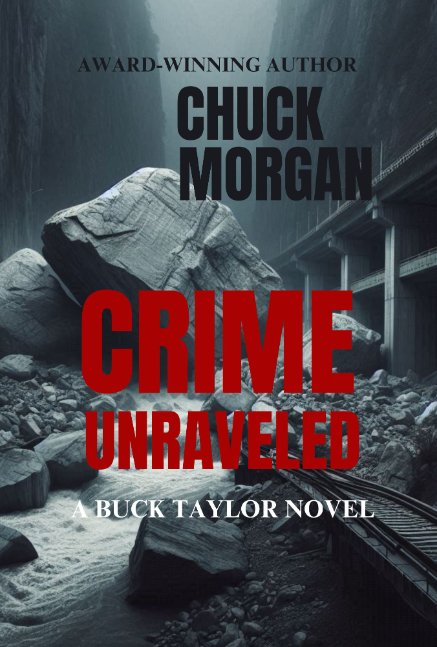
New Release, Crime Unraveled, A Buck Taylor Novel by Chuck Morgan
New Release…10/22/2024
Crime Unraveled, A Buck Taylor Novel by Chuck Morgan
Colorado Bureau of Investigation Agent Buck Taylor and his team are back in the 13th novel in the award-winning CRIME series.
Special release week ebook price…only $.99 (10/22/20 thru 1/27/24)
https://www.amazon.com/dp/B0DJMTF9K5/
HORRIBLE NATURAL DISASTER OR MAN-MADE CATASTROPHE?
The picturesque Glenwood Canyon in Colorado has been a source of awe and inspiration for tourists and locals alike. But now, it has become a scene of chaos and destruction. The highway through the canyon, known for its engineering marvel, has been obliterated by a massive landslide, causing the Colorado River to be blocked. As the disaster unfolds, one question lingers: was this a natural disaster or a man-made catastrophe?
Colorado Bureau of Investigation Agent Buck Taylor is determined to find the answer. But when a geologist is found murdered, and another's wife meets a brutal death, Buck realizes that there may be more to this case than meets the eye. As he delves deeper into the investigation, he uncovers a web of secrets and lies involving a wealthy local family with a rich history. And as the body count rises, it becomes clear that someone is willing to do anything to keep the truth hidden.
When Buck thinks he's getting closer to the truth, an ecoterrorist group claims responsibility for the landslide, throwing the case in a new direction. With the harsh Colorado winter fast approaching, Buck and his team race against time to unravel the mystery before it's too late. But little do they know the end of the road may bring about a disaster that hits closer to home.
Reviewed by Keith Mbuya for Readers' Favorite
Confusion and panic erupted in Glenwood Springs, Colorado, after part of Glenwood Canyon collapsed in the night, shaking buildings in the small town, breaking windows, and leaving a section of a major highway and the Colorado River blocked. A state trooper and a few motorists, who were on the affected highway during the incident, were all found dead. Speculation among some of the townsfolk was that an earthquake was behind the disaster. Some thought it was an explosion. Local authorities bring in the Colorado Bureau of Investigation (CBI) to investigate the incident. As agent Buck Taylor of the CBI goes in pursuit of answers, he finds himself with more murders, all connected to a rich and powerful family that owns mines in the canyon. What was the family after? Can Agent Taylor expose them and stop their reign of terror in Colorado? Find out Chuck Morgan’s Crime Unraveled: A Buck Taylor Novel, Book 13.
⭐⭐⭐⭐⭐ If you are looking for a mystery murder novel with a touch of crime, Chuck Morgan’s Crime Unraveled is just what you should be looking for. Starring the seasoned crime-solving Agent Buck Taylor, Morgan weaved an intriguing plot, treating me to exciting twists, adventure, thrill, drama, mystery, and so much more. The edge-of-the-seat suspense hooked me, leaving me flipping through page after page. Morgan breathed life into the scenes with colorful depictions, making me feel like I was next to the cast in every scene, watching events unfold. The depictions of the cast’s emotions and the juxtaposing of their complex traits allowed me to connect with them. Albeit the thirteenth in the series, this whodunit featuring money, power, greed, blood, murder, deception, secrets, blackmail, and murder is a stand-alone read.
Don’t miss out on the special release week ebook price…only $.99 at:
https://www.amazon.com/dp/B0DJMTF9K5/

CRIME DENIED, A BUCK TAYLOR NOVEL BY CHUCK MORGAN
Crime Denied, A Buck Taylor Novel by Chuck Morgan
Winner . . . 2020 Pacific Book Awards Best Mystery
2020 Chanticleer International Book Awards: 1st Place Blue Ribbon, CLUE Book Awards for Suspense, Thriller Fiction
⭐⭐⭐⭐⭐Reviewed by Romuald Dzemo for Readers' Favorite
Alicia Hawkins is a pretty young woman with purple streaked blond hair tucked up under a straw cowboy hat, tight jeans, and a snap-front Western shirt. When we meet her, she's just come back to Aspen, but she is not just a harmless beautiful girl sitting in the bar. No, she is a vicious predator waiting for the next prey. Alicia is determined to fulfill a promise she made to her dying grandfather. Her disguise is perfect, and on her way to Colorado, she left several bodies in her wake, keeping a task force of federal agents at work, slicing up seven women in Florida and Colorado and one in Mississippi. But then, she’s been always a step ahead of the task force. Now, she is preparing for something big. Can Colorado Bureau of Investigation agent Buck Taylor and his team stop her? The clock is ticking!
Crime Denied is the fifth book in the Buck Taylor series by Chuck Morgan, a compelling thriller that follows a dangerous serial killer. A cunningly plotted and gorgeously written entry in a compelling series, Crime Denied explores the psyche of a serial killer and the perversity of human nature while taking readers on an exhilarating investigation. Chuck Morgan has the knack for creating characters that are realistic and genuinely flawed, scenes that are focused, and a conflict that builds up quickly and that escalates into a crisis point. Crime Denied is a page-turner for fans of sleuth and murder fiction.
⭐⭐⭐⭐⭐Reviewed by K.C. Finn for Readers' Favorite
Crime Denied is a work of fiction in the crime and adventure genres penned by author Chuck Morgan as part of the Buck Taylor series of novels. Written for adults due to scenes that contain sexual situations, the use of explicit language and some moderate violence, this new adventure sees Buck hot on the trail of a dangerous and unexpected villain, Alicia Hawkins. Alicia is not the average serial killer, and her motivations must be slowly unpicked by the Colorado Bureau of Investigation in order to understand her deadly plan. Buck has to do all this and in time to save his own nearest and dearest before they too become part of Alicia’s deadly games.
Author Chuck Morgan has crafted an excellent hero in Buck Taylor, whose relatability is grounded in realistic dialogue and a close narration which helps us to empathize with him but also admire his mind and his skillset. Morgan’s prose flows well from chapter to chapter, and it has a great sense of pacing for those moments of tension that build the web of connections surrounding Alicia and her deadly deeds. It’s really progressive to see a female serial killer portrayed with such intelligent writing and depth of character, and the cat and mouse chase dynamic is thrown off nicely by the switching of genders. What results is a really enjoyable thriller and crime mystery novel, and overall Crime Denied is certain to please fans of both hard-boiled detective tales and action/adventure crime novels.
COMING SOON
HORRIBLE NATURAL DISASTER, OR MAN-MADE CATASTROPHE?
The picturesque Glenwood Canyon in Colorado has been a source of awe and inspiration for tourists and locals alike. But now, it has become a scene of chaos and destruction. The highway through the canyon, known for its engineering marvel, has been obliterated by a massive landslide, causing the Colorado River to be blocked. As the disaster unfolds, one question lingers in everyone's mind - was this a natural disaster or a man-made catastrophe?
Colorado Bureau of Investigation Agent Buck Taylor is determined to find the answer. But when a geologist is found murdered and another's wife meets a brutal death, Buck realizes that there may be more to this case than meets the eye. As he delves deeper into the investigation, he uncovers a web of secrets and lies involving a wealthy local family with a rich history. And as the body count rises, it becomes clear that someone is willing to do anything to keep the truth hidden.
Just when Buck thinks he's getting closer to the truth, an eco-terrorist group claims responsibility for the landslide, throwing the case in a whole new direction. With the harsh Colorado winter fast approaching, Buck and his team race against time to unravel the mystery before it's too late. But little do they know; the end of the road may bring about a disaster that hits closer to home.
https://www.amazon.com/dp/B084ZCZKXY/
⭐⭐⭐⭐⭐”It’s really progressive to see a female serial killer portrayed with such intelligent writing and depth of character, and the cat and mouse chase dynamic is thrown off nicely by the switching of genders.” Reader’s Favorites review
⭐⭐⭐⭐⭐”CRIME DENIED is a great story with many original plot points and plenty of suspense.” Amazon Reader review

CRIME EXPOSED, A BUCK TAYLOR NOVEL BY CHUCK MORGAN
CRIME EXPOSED, A BUCK TAYLOR NOVEL
⭐⭐⭐⭐⭐ Reviewed by Romuald Dzemo for Readers' Favorite
Crime Exposed: A Buck Taylor Novel by Chuck Morgan is the fourth entry in a riveting crime series. Buck Taylor is pulled into investigating the disappearance of a missing journalist, a case that eventually leads to murder and child pornography. The narrative starts in a very curious way, a powerful opening that piqued my sense of curiosity. We get a clear glimpse of the protagonist in the first line of the narration: “Jim McBride knew his wife was pissed... The sound of slamming doors that bombarded his ears indicated that whoever she was mad at would receive her full wrath. He was glad it wasn't him.” This strong opening already gives readers a hint of what to expect, and they are keen on discovering who Barb will turn out to be. But she disappears just after the first chapter and in a tragic kind of way that establishes the suspense and the irony that drives the narrative.
Chuck Morgan has a unique gift for plot, one that makes Crime Exposed: A Buck Taylor Novel a hard-to-put-down book. From the start, readers know what happens to Barb, but they become curious as they follow the investigation, wondering if the characters will find out what happened to her. The descriptions are filled with clarity and they offer readers great images. The prose is elegant and it captures both the emotional and psychological elements of the novel clearly while offering vivid descriptions of scenes and characters. This is a fast-paced thriller with memorable characters and a criminal investigation that is so real readers will believe it could happen.
⭐⭐⭐⭐⭐ Reviewed by K.C. Finn for Readers' Favorite
Crime Exposed is a work of exciting criminal fiction penned by author Chuck Morgan and is the fourth novel featuring Agent Buck Taylor and his investigative team. Following the events of Crime Unsolved, we find Buck ready for a new challenge despite all that he’s been through thus far. When a journalist goes missing, Buck and the team begin a series of questions, interviews and following clues which will lead them to a much bigger scandal at work. Not only is a brutal murder evidenced, but far darker and depraved practices are going on that need to be exposed and stopped as soon as possible.
Written for adults due to its language, violence, and themes of child abuse, this is a compelling and thrilling work of crime fiction which can easily be read as a stand-alone if you’re not caught up on the current series. The dialogue is suitably gritty for the context, and author Chuck Morgan has a gift for conveying so much personality from his characters just by the way that they speak. Buck Taylor presents initially as a classic hero, capable and strong-minded, but we see his weaknesses unveiled as the case challenges him, and how he relies on the bonds between his teammates to get through it. There’s also plenty of danger, revelation, and suspense to keep the action fresh, with well-placed plot moments throughout the tale. Overall, Crime Exposed marks an excellent addition to a well written series and is a highly recommended crime novel.
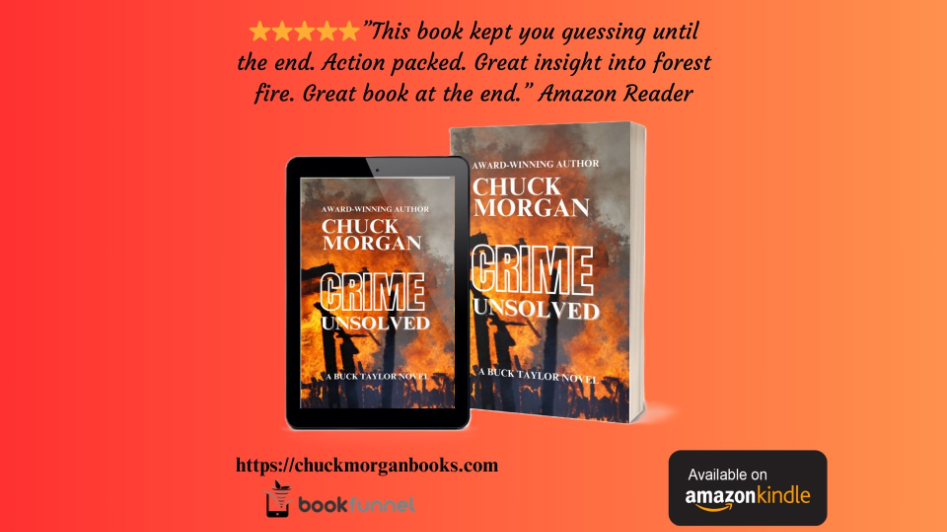
Crime Unsolved, A Buck Taylor Novel by Chuck Morgan
⭐⭐⭐⭐⭐ Reviewed by Susan Sewell for Readers' Favorite
"A forest fire sweeps through Colorado's Rio Blanco county along the White River, and while the flames ravage the pristine wilderness, the ugliness of greed, murder, and revenge are exposed in the exciting suspense novel, Crime Unsolved (A Buck Taylor Novel) by Chuck Morgan.
A fishing lodge, constructed despite a controversial land swap between the Forest Service and a wealthy developer, is ground zero for an out-of-control wildfire. An environmentalist group is claiming responsibility for the blaze, and the governor feels the need to call in CBI investigator Buck Taylor.
With a murder victim found among the ruins of the lodge and as murder isn't their usual mode of operation, Buck isn't convinced the environmentalists are the culprits. Working together with the local authorities, Buck combs through the remains of the lodge, looking for clues to the cause of the fire. The more evidence they uncover, the more it points to other suspects who have more pressing motives. Their leads indicate other fires recently started in the area may be related.
When an item discovered at one of those sites reveals there are more to the fires than environmentalists gone wild, the investigation takes a turn. A scheme which endangers the community and the environment is taking place, and someone is willing to kill to keep it hidden.
Professionally written in the style of a best-selling crime novelist, such as Tom Clancy, Crime Unsolved (A Buck Taylor Novel) by Chuck Morgan is a spell-binding suspense novel with an environmental flair. Intriguing subplots of fraud, survivalist paranoia, and murder weave their way through the fabric of the plot, creating a dynamic story. This is an action-filled, stimulating tale which contains fascinating details that are relevant in our present climate. The heroic efforts of those who confront the destructive forces of raging forest fires are beautifully portrayed, along with alarming environmental issues, such as chemical dumping. The chemical dumping factor is frighteningly eye-opening and increased the intensity of the story line.
I was captivated by the subjects presented within the text, and even though it was an exciting fiction story, I felt I came away from the book more knowledgeable than I was before I picked it up. I love it when that happens! Fire, environmental issues, murder, and arson are the keynotes for this thrilling novel, and if any of these topics interest you, then you will want to read this book!"
⭐⭐⭐⭐⭐ Reviewed by Amanda Rofe for Readers' Favorite
"Crime Unsolved: A Buck Taylor Novel by Chuck Morgan is a crime novel set in Colorado. CBI Agent Buck Taylor, who recently lost his wife to breast cancer, is eased back into work with an important assignment. He needs to find those responsible for an arson attack on a multi-million dollar fishing lodge development.
While Buck is attempting to solve one crime, he uncovers others including a scheme to dispose of illegal chemical waste, murder and a prescription drug ring. The plot thickens when Buck's brother-inlaw, Hardy, becomes implicated. Buck and his team work hard to bring the perpetrators to justice. In a dramatic conclusion, Buck ends up fighting a wildfire that threatens a local town.
Chuck Morgan writes a gritty crime drama with a solid main protagonist in Buck Taylor, a character I warmed to immediately. Buck has great depth and was the perfect leading man. He was aided and abetted by a number of powerful and interesting women characters including a close colleague, a casual love interest and a feisty daughter who works as a firefighter. His daughter, coincidentally, was part of a hotshot team that fought the wildfire that threatened the town.
The crimes themselves were complex and provided a satisfying plot line that I felt one could really become immersed in. I loved the spiky relationship between the volatile Hardy (Buck's brother-in-law) and the calm and measured Buck. Crime Unsolved has all the ingredients of a good crime novel and was a pleasure to read. I look forward to exploring more in this series of books."
COMING SOON
CRIME UNRAVELED, A BUCK TAYLOR NOVEL
HORRIBLE NATURAL DISASTER, OR MAN-MADE CATASTROPHE?
The picturesque Glenwood Canyon in Colorado has been a source of awe and inspiration for tourists and locals alike. But now, it has become a scene of chaos and destruction.
In the heart of picturesque Glenwood Canyon, the Colorado River flows peacefully through the towering cliffs. But when a massive landslide blocks the river and destroys the highway, chaos erupts, and the once tranquil canyon becomes a scene of destruction. As the community struggles to make sense of the disaster, one question lingers - was this a natural occurrence or a man-made disaster?
For Colorado Bureau of Investigation Agent Buck Taylor, the answer is crucial. But as he delves into the investigation, he uncovers a string of murders and a wealthy family with a dark history. With each new lead, Buck realizes there may be more to this case than meets the eye. But as the body count rises, it becomes clear that someone will do anything to keep the truth hidden.
Just when Buck thinks he's getting closer to the truth, a radical eco-terrorist group claims responsibility for the landslide, throwing the case into chaos. With the harsh Colorado winter quickly approaching, Buck and his team race against time to unravel the mystery before it's too late. But little do they know, the end of the road may bring about a disaster that hits closer to home.