

#WritingInspiration

SC ‘n ST (Prevention Of Atrocities) Act, Or A Political Ploy of the Cynical Minds
Though for a long while, the dalits and the janjatis, aka SCs and STs, were wont to get the rough end of the social discriminatory stick, yet it was only forty years after independence that Rajiv Gandhi occasioned the SC and ST (Prevention of Atrocities) Act 1989, but not for any holistic reasons. It was but a cynical idea to stem the growing political mobilization of the dalits outside his congress umbrella that ensued the weakening of their traditional support to it from the early eighties. That was precisely because, by then, their social awakening, political empowerment and educational advancement, coupled with the country’s growing urbanization, made them assertive as a class and aggressive in their manners.
If anything, the ill-motivated SC and ST (Prevention Of Atrocities) Act that ironically came into force a year later on January 30, Gandhi’s death anniversary, in a way, gave the unscrupulous among the SC-STs the license to kill, not literally that is, just not in self-defense. It’s thus, the cynical law has squarely put the boot is the other leg, so to say, with statistical backing.
The official data pertaining to the complaints under the lopsided law and the convictions thereunder reads as under:
In 2022, while 57,569 cases were preferred by SCs, the ST count was 10,064 (put together 67,633); and the convictions during the year (including the ongoing trials from previous years) was 34.1% and 28.1% respectively that is 31.1% in all. So, some 70% of the SC-ST complaints fell by the wayside, being unproven!
Likewise, in 2023, whereas 57,766 cases pertained to SCs, the ST proportion stood at 12,959 (70,725 combined) and so also the convictions during the year (reckoning the pending cases of previous years) added up to 32.4% and 24.6% respectively, put together at 28.5%. So, again, 71.5% of the SC-ST accusations remained unsubstantiated!
Similarly, the case count for 2024 was, 55,685 of SCs and 9,961 of STs, together adding up to 65,646, a drop of 5,079. However, the conviction rates during the year(accounting for the previous years’ cases) came to 33.9% for SCs and 33.2% for STs, averaging 33.6% for both the categories. Thus, about 66.4% of the SC-ST cases did not result in conviction, although this represented an improvement in the conviction rate over the previous year.
However, as the average conviction rate in the three recent years came to 31%, it can be said without any contradiction that nearly 7 out of 10 SC-ST allegations failed to find traction in the country’s courts. What’s worse, while many of the innocent seven rotted in gaols for varied periods, for no fault of theirs, their accusers smiled all the way to their banks to collect the Sarkari ransom for their atrocities against the innocents!
All that is in the public domain but as they say, the devil is in the small print, and this is no exception.
As per the last census (2011), the SCs formed 20.14 crore and the STs, 10.42 crore of the country's total population of 121 crores, which means, they respectively made up 16.6%, and 8.6% of the populace, and together a quarter of it. So, by extrapolation, for the lack of an intervening census, in the 2022-24 period, they together would have made up some 60 crores out of the 140-crore envisaged population.
Just the same, the social dynamics are different in that out of 60 crore SC-STs, on an average, only 68,001 of them complained in each of the said three years that is a miniscule 0.113% of their ilk! What is more, given that only 31% of the SC-ST complaints led to convictions, the alleged atrocities against them would have been no more than 0.003% of their folks!! If it’s not making a caste mountain out of a social molehill, what else is this SC and ST (Prevention of Atrocities) Act? But therein lies the catch-22 of the Indian electoral politics.
Be that as it may, It is seldom appreciated that the atrocious media coverage of these odd complaints to the saturation levels has the inimical effect of othering these communities besides infusing a sense of victimhood in them. So, willy-nilly, it is as if to set up the conversion stage on the SC-ST ground for the proselytizers to poach the disgruntled into the alien faiths to nurture them in India’s Sanatan bosom.
And making it a double jeopardy for the Hindu society, as most of these complaints turn out to be false and fabricated, it’s but natural that the affected sections get further alienated from SC-STs as communities. If anything, that these politically pampered sections are being allowed to make money by dubious means completes the social schism, which is not in the national interest. But, sadly for our country, the moral cynicism has become the electoral compulsion of our political parties – they collectively alienate them from the rest even as they severally court them for political favours, for they form a quarter of the franchise.
If anything, the recent SC fiasco in IIT-Bombay has brought the devious Act’s dubious character to the fore like never before. Now, it is very much in the public domain that the morally corrupt as well as the legally savvy among SC-STs have been milking the State exchequer with profitable FIRs. Well, the notoriety the SC-ST ‘business model’ gained may ensure a plethora of new startups to the chagrin of the rest of the society. As for the political parties, it’s a case of ‘he who rides a tiger is afraid to dismount’. Maybe, VS Naipaul would have as well summed it up thus - India: A Million Miseries Now. So, it is imperative that India should apply its collective mind to nurse its ‘affected quarter’ to normal health, in the short term as well as in its long course.
So, the need of the hour is a multi-member high-power committee of eminences from the representative sections with the nationalist mindset and a pragmatic outlook, majority of them belonging to SC-ST communities, to come up with an equitable SC - ST Progression Act that is after taking the altered ground realities in the rural and the urban India into account. This is the short run, but to cover the long course, this author’s essay in the internet, Dali as Deva, à la Black is Beautiful can come in handy. Here under is an excerpt from it.
“Though the dalit tag affords political clout to its desperate classes as a whole, it had failed to buttress the self-worth of its disparate caste groups for in the Indian cultural calculus, caste is intrinsic to the social-worth of its members. Thus, it is imperative to cast a sense of caste-worth in the dalit fold in the ‘Black is Beautiful’ mould for the collective moral upliftment of its member castes. But self-belief being the by-product of the zeal to strive and not a corollary of plucking low-hanging fruits, the system of reservations has effectually given a go-by to the zeal to excel, a vital ingredient of personality development. It is thus, the doles of the state inadvertently, but effectually, came to harm the dalit cause in the long run, and what’s worse, even the genuine dalit achievements entail a diminished stature for they come under the shadows set by low performance bars, thereby precluding their due social recognition at large. The way out, while yet retaining their quotas is for the dalits to volunteer to get their reservation bar raised to touch the prevailing positions.
“What's in a name? That which we call a rose
By any other name would smell as sweet,”
said Shakespeare but what he left unsaid was
‘And alike it makes any other name as rosy.’
Likewise, had the lexicologists named the Lord in the skies as Sod and an annoying guy on planet earth as God, the former name would’ve acquired divine connotations and the latter, a taboo word. Thus, it may be appreciated that a name is ‘worth neutral’ in its essence but becomes exalted or gets diminished depending on the object it’s associated with, which, in turn, is the subject of our subjective attributions. And the same applies to the caste names that came to represent the ascending steps of the Hindu social ladder for the demeaned Mala indeed sounds better than the exulted Brahmin, the denigrated Madiga is easy on the ear than the extolled Maratha, the dismissed Chamar is more sonorous than the domineering Choudhary et al. Hence, for an Indian variant of Black is Beautiful movement, it is essential for the members of the depressed castes to begin taking pride in their respective castes and suffix their caste name to their social name with the same sense of pride as Yadavs, Reddys etc. resort to. Indeed, as Manda Krishna Madiga of Madiga Reservation Porata Samithi , so to say, has given the lead in this direction, the other castes in the dalit fold should follow suit wearing their caste worth on their sleeves.”

Semitic Faiths ‘n Sanatan Dharma: A Simple Study of Contrasts
While Christianity and Islam are hostile to the Jews but not to Judaism per se, their followers are antagonistic towards Hinduism, the Sanatana dharma of the Hindus, and for a good reason. Judaism being the father of the Abrahamic faiths, denouncing it amounts to theological self-deprecation but as Hinduism is outside their monotheistic Semitic fold, running it down runs no such risk. Besides, weakening its polytheistic hold on a billion souls would soften the path of harvesting them for their bottomless religious granaries.
Even taking their proselytising urge in good faith – the Christian belief that without faith in Jesus, people stand condemned and the Islamic relief of a final truth to guide humanity - are their religious credos any better than the Sanatana dharma that postulates ekam sadviprā bahudhā vadanti (what is right is One only, describe it wise variedly) is the question that needs to be addressed for any rational study of contrasts among these diverse dispensations. Whatever, if Hinduism is a ‘Way of Life’, as ruled by India’s apex court, then it can be said that Christianity and Islam are the by-lanes of Moses’ Semitic Path, and to comprehend the former, one has to go through the latter. However, it’s not much known that the oft-quoted "seeing is believing’ is the rational part of clergyman Thomas Fuller’s full quote, “seeing is believing, but feeling is the truth," that underscores this simple study of their contrasts.
To begin with, when the Ten Commandments were first proclaimed, Jehovah spoke audibly to Moses from Mount Sinai amid smoke, fire, thunder, and lightning, so that the assembled Israelites heard His voice. When the people saw the thunder and lightning and heard the trumpet and saw the mountain in smoke, they trembled with fear. They stayed at a distance and said to Moses, “Speak to us yourself and we will listen. But do not have God speak to us or we will die.” Then Moses said to the people, “Do not be afraid. God has come to test you, so that the fear of God will be with you to keep you from sinning.” Though this Biblical account is not up to Fuller’s seeing is believing, the Jewish belief about its happening makes them hold Jehovah’s diktats in dread. Whatever, in their God’s scheme of rewards and punishments there was no provision for recompense from sins through repentance.
But even when it comes to hearing, it’s one thing for Jesus himself to claim to be the Son of God, that he never did, and yet another for his apostles to proclaim so, what with the innovative immaculate conception, added much later after his demise. So also, Jesus’ teachings, including the Sermon on the Mount as well as his “Go specifically to the lost sheep of Israel; don't enter Gentile, Samaritan towns” during his ministry and “Go and make disciples of all nations, baptizing them and teaching them” that was after his resurrection (what did change in the meantime for his change of mind!), as cited in Mathew 10 and 28 respectively, have no evidentiary value whatsoever. It's thus, the entire Biblical legend of Jesus that is the fulcrum of the Christian faith is totally based on hearsay or improvement, as the case may be, but yet, the belief of the Christians in this regard is the gospel truth.
When it comes to the Islamic narrative, Gabriel, in incognito, met Muhammad in a cave of Mount Hira and made him say after him: “Recite in the name of thy Lord who created! He createth man from a clot of blood etc.” But as he fled from the cave in panic and was half-way down the hill, he heard a voice from above, “O Muhammad, thou art the Messenger of God, and I am Gabriel.” So, for his followers, Muhammad’s word became the basis of their devotion for him and eventually the truth of Islam. Not only that, the guidance he said he received from Allah, the Arabic avatar of Jehovah, became the ayats of the Quran to forever rule the minds of the Musalmans, for good or bad.
Just the same, it is this Semitic dogma that became its dictum; ‘the God’ revealed to their prophet the right ‘path of life’ for them to unquestioningly follow so as to stand the believers in good stead on the Day of Judgment. Besides, but for Judaism, in its religious offshoots of Christianity and Islam, the messiah is believed to be endowed with the power of intercession on behalf of the faithful on that Fateful Day. It’s thus, intended or otherwise, the prophet became the fulcrum of the faith as well as the icon of the Christian and the Islamic religious credos, relegating the otherwise haughty God to the fringes, never mind the pretence to the contrary.
It's another matter though that the Christians became antagonistic to Jews on the grouse that they were collectively responsible for Jesus’ death resulting in their persecution over the ages, culminating in the holocaust. That apart, so as to keep his flock together in the face of the Jewish mocking at his prophethood, Muhammad incited them against his detractors, the God’s chosen people. Not only that, so as to insulate his followers as well from the Christians, the acolytes of His son, he ordained them to keep away from the latter on the pretext that he (Jesus) sought to partner with Him along with Mary, his mother. Whatever, it is ironical that while the Unitary God had divided his flock into three mutually antagonistic factions, the Hindu gods and goddesses amalgamated the amorphous Sanatana societies in their dharmic fold!
So, what of the peerless Hindu phenomenon, which the monotheists dismiss as idolatrous polytheism, that too even as the crosses with Jesus and his baby self in Mary’s arms abound in the Churches, and the Hajis fall over each other to kiss Hajar al-Aswad (Black Stone) at the Kabbah! If only the uninitiated realise, what they mistake as Hindu idol worship in essence is an obeisance to the deities in their distinctive vigrahas, in which their gods and goddesses get manifested (pranaprathista) through Vedic rituals, formulated in enchanting Sanskrit mantras.
Set aside their credos, what if we measure these four on the scale of gender justice that today’s man’s world pretends to hold dear. Whereas the Semitic dispensations are dictated by the Lord God (as already seen, Christianity had added Mary and Jesus in its pantheon to the chagrin of Islam), the Sanatana dharma is governed by spouse gods galore. Not only that, while the Semitic God is stern and aloof, Vishnu, the sustainer, (the creator Brahma and the destroyer Shiva being the others in the Trinity) in his avatars on earth, mingled with the Hindu folks. Won’t that fulfil Fuller’s twin criteria of seeing is believing, and feeling is the truth. What’s more, in respect of cultural aspects, while the solemn, even sombre, Semitic events, centred around the God and his prophets, for the most part that is, can almost be counted on the fingers of one hand, the numerous Hindu festivities, with mirth and music, associated with the gods and goddesses, nearly need a calculator to account for. And for those who experience it, that’s life, the blessed one at that.
All the same, for the discerning minds, the vital difference between the Sanatana dharma and the Semitic faiths lies in the concurrent philosophical stream of the former and the abject absence of the same in the latter that the Roberto Baggio episode amply underscores. Inconsolable at letting down Italy in that FIFA world cup final with his over-the-crossbar kick in the penalty shootout against Brazil, that too as its captain, and not finding any solace in ‘Jesus shedding his blood to save sinners’, he turned to Buddhism, a spiritual offshoot of Hinduism, for good effect.
What is amusing is that Christians and Muslims, whose God is not clear about the creation of man (see the tailpiece) seek to emancipate the Hindus whose progenitors had propositioned that it’s man who created the god, in theories many, as expostulated in the Brihadāranyaka Upanishad, composed around 700 B.C.E. Here’s is an excerpt from Valerie J. Roebuck’s The Upanisads, just to cite one such.
“He knew: “I am creation, for I created all this.” So he became creation. Whoever knows this, come to be in this, his creation.”
“When they say, “Sacrifice to that one!”, “Sacrifice to that one!”- some god or other, that is his varied creation, and he himself is all the gods.
Then he created from seed whatever is moist, and that is Soma. All this is just food and the eater of food. Soma is food, and Agni is the eater of food.
This is the higher creation of Brahma, since he created gods who are better than he: and also because, being mortal, he created immortals, it is his higher creation. Whoever knows this, comes to be in this, his higher creation.”
That’s not all; the Hindus have the Bhagavad-Gita, which according to the Prussian philosopher, William von Humboldt, “is the most beautiful, perhaps the only true philosophical song existing in any known tongue.” The author’s translation in verses, Bhagvad-Gita: Treatise of Self-help, is in the public domain that can be perused as free ebook, the essence of which is –
“The Supreme Spirit through Nature causes the birth of all beings. Thus, the indwelling spirit in the beings is a divisible part of the same Indivisible Supreme Spirit. The spirit lying within beings is subject in degrees to virtue, passion and delusion, the three attributes of Nature. It should remain the human endeavor to free the indwelling spirit from these nature-induced influences. This, however, is not possible for any in a single birth, and indeed, it would take the sustained effort of lot many births for that. Thus, in the end, the soul could be tended towards that state of purity, which matches with that of the Supreme Spirit. As and when this happens, the indwelling spirit merges with the Supreme Spirit which is nothing but moksha.”
It's thus, the god is truly within man (aham brahmasmi) so also the so-called Satan, the salvation is not as simple as being or becoming a Christian or a Musalman, and the entry into heaven or the hereafter, as the case may be, is not based on the intercession of the messiah on the Day of Judgement. So, one may wake up and smell the coffee.
The Tailpiece
Clueless Creation,
A Satirical poem by the author.
Told God man In Genesis One
Him He created in form of His
Not when asked as how He did
Thought He fit in Genesis Two
To tell He used the dust for that
But to change tack after that,
So in time Muhammad told
Made Jibrail recite him
In the name of One who makes
Man on earth from clot of blood,
Failed as he then to enquire
Wherefrom He gets all that blood
And since God hath sealed His mouth
Knows not man the true roots of his.

A Word To Milords
Seldom, if at all, do the proponents as well as the opponents of the vexed collegium system delve much into the antecedents of its coming into being.
So, here we go; first, in pursuance of a committed judiciary, it was Justice AN Ray’s elevation, by the supersession of three senor most Supreme Court judges in 1973, followed by the side-lining of Justice HR Khanna in 1977 for having been the sole defender of the citizen’s right to life and liberty during India’s infamous internal emergency. Then, adding insult to injury was the 1980 direct induction of Justice Baharul Islam, the jurist-politician, on the vaunted bench, all orchestrated by the dictatorial daughter of the autocratic Nehru. Yet, when Indira was alive, the successive justices conceded her executive right to appoint the judges, though in consultation with the Chief Justice (First Judges case, 1981). It was only a decade after her death that the judiciary made bold to wrest the initiative from the executive with the Second Judges case (1993). But with the disarray of successive central sarkars thereafter, in 1998, the emboldened Milords through the Third Judges Case became the Lords unto themselves in their Collegium Rings. That is fencing themselves from the executive arm, once and for all.
Now that they had long avenged their slights and had the last laugh too a decade back in negating the NJAC Act, it’s time for Milords to take stock of the untenable situation in which our judiciary has come to lay, and this word is meant just to be an aid. And what is their argument against the unanimous NJAC – the mere presence of the Union Law Minister in the selection committee of five would impinge upon judicial independence! LOL. So, by the same logic, the selected judges should be toeing the judicial line drawn by the collegium Milords, right. Oh, how specious, but they are gray-haired enough to know that independence of mind and living by the principles are the characteristics of spirited men and women, but that is just an excuse to hold on to their usurped power to further their nepotistic causes.
With around one lakh cases lying on their own benches and sixty-five lakhs in high courts under their watch and ward, not to speak of over five crores in the so-called lower courts, if it’s not the time for the collegium lords to self-introspect, then it has only to be at the calamity. It’s but natural that their judicial time leaves not much time for attending to the herculean task of finding the right judges to adorn the higher benches, made difficult by the prevailing state of our compromised polity. So, lacking the wherewithal to venture into the discovery channel besides being hard-pressed to dispense justice in time, is like falling between two stools. Surely, Milords cannot be unaware of the fact that they have bitten off the judicial cake more than they could chew. Why, they are even incapable of filling around thirty percent of their high court benches, not to speak of speeding up PMLA proceedings! Whatever, they could not be insensitive to the abysmal state of the judicial affairs, taken as a whole, hamstrung with mundane ailments one too many.
So, the question that naturally arises is why won’t they untangle themselves from the tangled collegium web for personal relief as well as for the public good. Well, judges are human too, and power intoxicates them no less, made worse by our extra selfish times. If, by chance, Milords have read thus far to develop second thoughts, then they may go through further for a welcome denouement.
"Ay, sir. To be honest, as this world goes, is to be one man picked out of ten thousand"- Hamlet to Polonius.
That was then, and if Shakespeare were to revise it now, Hamlet would’ve said ‘out of hundred thousand’.
So to say, the clue to the honesty drop of our times was provided by Andy Hargreaves, “There is no morality without temptation; otherwise it is just lack of opportunity”.
However, be it in the world of yore with limited opportunities or in the modern times with unlimited avenues, the honest are few and far between but the Bard of Avon wouldn’t have meant that the rest of the multitudes were patently dishonest. The master’s intent would’ve been that rarely are men innately honest but the vast majority of them lack the conviction to be upright, regardless. In other words, the bulk of the people by nature are character-neutral and by disposition are fence-sitters. It’s thus, the ethos of an organization comes to be shaped by the upright or deviant, as the case may be, and that counts.
It is in this context that the exceptional thinking of the much-maligned Joseph Goebbels, expressed in his ‘Addendum to Adolf Hitler's Testament’ that brings forth another Shakespearean dictum , ”Virtue itself turns vice, being misapplied, / And vice sometime by action dignified", becomes eminently relevant.
“The Führer has ordered me, in the event of the collapse of the defense, to leave the Reich capital Berlin and to participate as a leading member in a government appointed by him.
For the first time in my life I must categorically refuse to obey an order of the Führer. My wife and my children join me in this refusal. Otherwise—quite apart from the fact that for human reasons and reasons of personal loyalty we could never bring ourselves to leave the Führer alone in his most difficult hour—I would regard myself for the rest of my life as a dishonorable renegade and a contemptible scoundrel, who, together with his self-respect, would also lose the respect of his people, which would have to be the prerequisite for any further service by me in shaping the future of the German nation and the German Reich.
Amid the delirium of betrayal that surrounds the Führer in these critical days of the war, there must at least be some who stand by him unconditionally and unto death, even if this contradicts a formal order, however well-founded, that he expresses in his political testament.
I believe that by doing this I am rendering the best service to the German people for its future, because in the difficult times that lie ahead, examples are more important than men. There will always be men who show the nation the way to freedom. But a reconstruction of our national life would be impossible if it did not develop on the foundation of clear examples comprehensible to everyone.
For this reason, together with my wife and in the name of my children, who are too young to express themselves but who, if they were of the necessary age, would unreservedly join in this decision, I declare my irrevocable determination not to leave the Reich capital even if it falls, and rather to end a life at the Führer's side that has no personal value for me if I cannot devote it in the service of the Führer and at his side.
Given in Berlin, 29 April 1945, 5:30 a.m.
Dr. Goebbels” [Emphasis supplied]
What examples the collegium benches had set for the judges it inducts into the judicial system – Not one but two Chief Justices went judicial overboard to protect a notorious woman of judicial pedigree from being prosecuted for her wrongdoings though their brother judge said that she should be hauled up as a fraudster. While some bails have become the instruments of favour, the ideological biases emanating from some of the benches even foul the country’s atmosphere. So to say, in all such cases, miscarriage of justice is not only done but is seen to be done, without any remorse or shame, not even later-day regret. But on the contrary, the fear to face the truth grips the ultimate bench in that save the honourable Justic Gogoi exception of the Ram Janma Bhoomi litigation, it is dead scared of dispensing justice in case of Kashi, Mathura etc. That successive CJIs should lack the courage to resolve the country’s cultural vexations speaks for the lack of character and the absence of conviction in the collegium benches.
Given that our society has become grossly corrupt, by and large that is, it is a matter of segregating the honest grain from the dishonest chaff that is bound to be beyond the narrow collegium vision as that is possible only through a broad NJAC search. If anything, the scandal of the burning bundles underscores this well and true – how come Justice Verma was so unabashedly unashamed is the question. Why not; he could only be cursing his bad luck that burnt all his ill gains (is it so); how fair it is to expect him to forego whatever might be in his retirement store, especially as much of his biradari continues to make merry, without let or hindrance that is.
However, I for one believe that Justice Surya Kant is better than most of the collegium-era Chiefs and as I dedicate this word to him as it’s a product of his address in the recent Ram Jethmalani Memorial Lecture, I urge him to grasp the Goebbels moment of his destiny to change our country’s judicial course. That’s by bringing the curtains down on the ugly collegium drama that is being staged for far too long. Maybe, he can give a thought to it as it comes from the maternal grandson of the upright C. Kameswara Rao, author of ‘The Law of Damages and Compensation’ among others, who was wont to advocate only the just causes that tended the Judges of the District Court in Kakinada, where he had practiced, to pre-judge their merit.
Marketing strategies that work for self-published fiction authors.
Marketing strategies that work for self-published fiction authors.
Chuck Morgan, Crime Fiction Author
Over the years, self-published fiction authors like you have discovered that effective marketing strategies can significantly enhance your book's visibility and sales. Understanding the nuances of your target audience, leveraging social media, and optimizing your online presence are just a few tactics that can propel your writing career forward. In this blog post, you’ll uncover various marketing strategies tailored for self-published authors, helping you navigate the competitive landscape with confidence and purpose.
Understanding Your Audience
A deep understanding of your audience is crucial in effectively marketing your self-published fiction. By identifying who your readers are, what they enjoy, and where they spend their time, you can tailor your promotional efforts to resonate with them. This knowledge not only enhances your marketing strategies but also enables you to create content that speaks directly to their interests and needs.
Identifying Target Readers
Along your journey as an author, it’s important to pinpoint your target readers. These individuals are the ones most likely to enjoy and appreciate your work. Consider factors such as age, gender, reading preferences, and even their favorite genres. Engaging in research through surveys or social media interactions can reveal valuable insights into who your ideal readers are, helping you tailor your approach.
Creating Reader Personas
Around the foundation of understanding your audience lies the creation of detailed reader personas. These fictional representations of your ideal readers capture demographic information, preferences, and pain points. By developing multiple personas, you can visualize different segments of your readership, enabling you to craft specific marketing messages that appeal to each unique group.
And when you create these reader personas, you give yourself a powerful tool for targeted marketing. Start by outlining their interests, challenges, and what drives their reading choices. You can use this information to inform your book descriptions, cover designs, and even social media content. Tailoring your outreach to speak directly to these personas will not only enhance your engagement but also foster a loyal reader base that feels understood and connected to your work.
Building an Author Brand
Any self-published fiction author must focus on building a strong author brand to stand out in a competitive market. Your brand encompasses your writing style, the themes you explore, and how you interact with your audience. Establishing a clear identity creates a cohesive image that resonates with readers, enhances your marketing efforts, and fosters loyalty among your fanbase.
Establishing a Unique Voice
Your unique voice sets you apart from other authors between the genres you write and the themes you explore. It shapes how readers perceive your work and connects them to your stories on a deeper level. Focus on consistency in tone, style, and subject matter to ensure your voice remains recognizable across your portfolio.
Visual Branding Elements
Besides your unique voice, visual branding elements play a significant role in reinforcing your author brand. This includes your book covers, website design, and any social media graphics you use. Consistency in colors, fonts, and images will help create a visual identity that readers can easily associate with your work.
A cohesive visual branding strategy should reflect your genre and personal style while appealing to your target audience. For example, if you write dark fantasy, deep colors and gothic imagery may be appropriate. Ensure your book covers grab attention and represent your stories accurately, while your website and social media profiles should include visual elements that make navigating your content easy and enjoyable, fostering a strong connection with readers.
Leveraging Social Media
You have a powerful tool at your fingertips for promoting your self-published fiction: social media. Platforms like Facebook, Instagram, Twitter, and TikTok can help you reach a wider audience, showcase your personality, and connect with readers on a personal level. By creating engaging content that resonates with your audience, you can foster a loyal community and enhance your book's visibility.
Platforms for Authors
At your disposal are various social media platforms that cater specifically to authors. Twitter is great for connecting with other writers and industry professionals, while Instagram allows you to share visually appealing content about your books. Facebook groups can help foster community engagement, and TikTok has become a hotspot for book recommendations through inventive short videos.
Engaging with Readers
To effectively engage with your readers, focus on building relationships rather than simply promoting your work. Share insights into your writing process, seek feedback, and participate in conversations that reflect your interests and values. This two-way interaction not only humanizes you as an author but also creates lasting connections that encourage readers to follow your journey.
Readers appreciate authenticity and a personal touch. By sharing behind-the-scenes content, such as your writing routine, character inspirations, or even snippets of your work-in-progress, you create opportunities for more meaningful interactions. Polls, Q&As, and giveaways are fantastic ways to encourage reader participation and keep your audience engaged. The more you interact with your followers, the more invested they will become in you and your writing.
Developing a Website
Building a website is an important step for self-published fiction authors to establish their online presence. A well-designed site acts as a central hub for your marketing efforts, where readers can find information about your books, learn about you, and engage with your content. Your website should reflect your unique voice and brand, making it easier for potential readers to connect with you and your work.
Essential Features
With a focus on key elements, your website should include an author bio, book listings with purchase links, a blog for updates and insights, and contact information for reader engagement. You might also consider a newsletter signup option to build your mailing list, as this can be a valuable tool for keeping your audience informed and engaged with your writing journey.
SEO Best Practices
Before you launch your website, you’ll want to incorporate SEO best practices to enhance your visibility in search engine results. This includes optimizing your content with relevant keywords, using descriptive titles and meta descriptions, and ensuring your site is mobile-friendly and fast-loading. By doing this, you increase your chances of being discovered by potential readers searching for genre-specific content.
Further, engaging with SEO can significantly improve your online presence. Start by researching keywords that resonate with your genre and audience, then integrate them naturally throughout your website content. Regularly updating your blog with fresh, relevant material will not only showcase your expertise but also signal to search engines that your site is active. Building backlinks through guest blogging and collaborations can also boost your authority, increasing the chances of attracting organic traffic to your website.
Using Email Marketing
After establishing your presence as a self-published author, email marketing serves as an invaluable tool to connect with your readers. By communicating directly with your audience, you can build lasting relationships, share updates about your work, and drive sales—all while maintaining a personal touch. Email marketing enables you to reach dedicated fans who eagerly await your content, ensuring that your voice is heard beyond social media algorithms.
Building an Email List
List the potential readers who would enjoy your writing by actively building an email list. This can be accomplished by offering incentives such as free samples, exclusive content, or special discounts for signing up. Promote your signup forms on your website and social media profiles, ensuring that your target audience knows they can access unique material through your newsletter.
Crafting Effective Newsletters
Below are several tips for crafting effective newsletters that engage your readers. To capture your audience's attention, focus on delivering valuable content that resonates with their interests. Be concise but informative, using an appealing layout and eye-catching images. Personalize your messages and consider including a call to action that encourages your readers to interact with your work, such as purchasing your latest novel or participating in a giveaway.
Email is an excellent platform for storytelling. You can share behind-the-scenes insights into your writing process, updates on forthcoming projects, and personalized recommendations based on your readers' preferences. A well-crafted newsletter not only maintains engagement but, fosters a deeper connection between you and your audience, turning casual readers into dedicated fans who eagerly await your next release.
Exploring Online Advertising
To effectively reach potential readers, exploring online advertising can be a powerful tool for self-published fiction authors. With various platforms available, including social media and search engines, you can create targeted campaigns that resonate with your audience. The right online advertising strategy not only boosts your visibility but can also lead to increased book sales and reader engagement.
Paid Promotion Options
By investing in paid promotion options, you can enhance your book's visibility across various platforms. Popular choices include Facebook ads, Amazon Marketing Services, and BookBub advertisements. Each platform offers unique features and targeting capabilities, allowing you to design campaigns that effectively appeal to your specific audience.
Targeting Your Audience
Above all, understanding your target audience is imperative in creating impactful advertising campaigns. By analyzing demographics, interests, and reading habits, you can tailor your ads to attract the right readers. This not only increases the chances of attracting more sales but fosters a loyal reader base that engages with your future works.
Paid advertising options allow you to analyze specific interests and behaviors associated with your target audience. Start by establishing clear criteria based on your book’s genre, themes, and character types. Using tools available on advertising platforms can help you generate insights into your audience's preferences. This granular targeting enables you to reach people who are more likely to appreciate your work, making your advertising efforts more effective.
To wrap up
Following this, you should now understand the best marketing strategies for promoting your self-published fiction. Focus on building your online presence through social media, engaging with readers, and using email marketing. Don’t underestimate the power of book reviews and collaborations with bloggers or influencers to reach a broader audience.
https://chuckmorganbooks.com
How Can Book Reviews Propel Your Self-Published Fiction to New Heights?
How Can Book Reviews Propel Your Self-Published Fiction to New Heights?
Chuck Morgan, Crime Fiction Author
It's imperative for you as a self-published author to understand the impact of book reviews on your fiction's success. Positive reviews can significantly enhance your visibility and credibility, drawing in potential readers who rely on the opinions of others. In this post, we’ll explore how you can leverage reviews to build a strong reputation and ultimately boost your sales, helping your literary work reach new audiences and achieve greater recognition. Your self-publishing journey can thrive with the right strategies for cultivating and using book reviews effectively.
The Importance of Book Reviews
The significance of book reviews in the self-publishing realm cannot be understated. They serve as social proof, helping to validate your work in the eyes of potential readers. When someone encounters a positive review, it can reassure them of your book's quality and entice them to give it a chance, ultimately assisting you in reaching a wider audience and achieving greater success.
Building Credibility and Trust
Along with attracting readers, book reviews help you establish credibility in a saturated market. When previous readers endorse your work through honest reviews, it enhances your author brand and makes you more trustworthy. This trust can ignite word-of-mouth promotions, where satisfied readers share your book with their circles, further expanding your reach.
Enhancing Visibility and Discoverability
Between various online platforms, having reviews of your book can significantly elevate its visibility. Search algorithms often factor in the number and quality of reviews when determining a book's ranking, making these reviews necessary for discoverability. A higher profile means more potential buyers are drawn to your self-published work, ultimately boosting your sales.
Another key element to consider is that book reviews not only impact your book’s immediate visibility but also contribute to its long-term discoverability. As readers post their thoughts on various platforms and social media channels, your book can surface in search results and recommendations, leading to ongoing interest. By consistently gathering reviews, you create a lasting impression that can continue to attract new readers long after your book's launch.
Types of Book Reviews
One of the best ways to leverage book reviews is by understanding the different types available to you:
- Professional Reviews
- Reader Reviews
- Editorial Reviews
- Peer Reviews
- Amazon and Goodreads Reviews
You can choose the type of review that best suits your self-published work for maximum impact.
| Type | Description |
| Professional Reviews | Reviews written by literature critics or established authors. |
| Reader Reviews | Reviews posted by general readers, often on platforms like Amazon and Goodreads. |
| Editorial Reviews | Reviews provided by editorial teams of book retailers or magazines. |
| Peer Reviews | Reviews from fellow indie authors or writing groups. |
| Amazon and Goodreads Reviews | Feedback from readers on e-commerce and social platforms. |
Professional Reviews
Besides gaining exposure, professional reviews lend credibility to your work. These reviews typically come from established critics who can provide insightful critiques and praise that resonate with your target audience. Having a few high-quality professional reviews can enhance your book's reputation and encourage more readers to take a chance on your writing.
Reader Reviews
To reap the benefits of reader reviews, focus on encouraging your audience to share their thoughts. These reviews can significantly influence potential readers and are often perceived as more authentic than professional critiques. Positive reader feedback can enhance your visibility, helping you attract more readers and boost your sales.
At the heart of reader reviews is their grassroots nature, making them invaluable for marketing your self-published fiction. Engaging with your audience through social media, book signings, and email newsletters can motivate readers to leave reviews. Their personal touch often resonates more with potential readers, establishing a community around your book and helping to create a buzz that propels your work forward.
Strategies to Gain Book Reviews
Any aspiring author knows that attracting book reviews is imperative for their self-published fiction. To effectively gain these reviews, consider implementing diverse strategies that resonate with your target audience. By actively seeking feedback and building relationships with readers, you can create a community eager to support your work. In this chapter, discover actionable approaches to garner those all-important reviews.
Engaging with Beta Readers
Between completing your manuscript and launching it to the public, engaging with beta readers is a beneficial step. These individuals provide valuable insights and share their opinions on your story, characters, and writing style. By nurturing these relationships, you can secure enthusiastic readers who will post reviews once your book is published.
Using Social Media and Platforms
Engaging with social media and relevant platforms can significantly expand your reach when acquiring book reviews. Establish your online presence by connecting with readers, authors, and influencers in your genre. Share insights, engage in conversations, and promote your book while inviting honest feedback. This interaction not only cultivates relationships but can also encourage readers to share reviews on their platforms, increasing your book's visibility.
To leverage social media effectively, consider joining genre-specific groups and forums where potential readers gather. Use platforms like Instagram, Facebook, and Goodreads to interact with your audience by sharing sneak peeks, discussing your writing process, and inviting opinions. Hosting giveaways or challenges where participants can receive a copy of your book in exchange for a review can also be a great way to reward reader engagement. By fostering an active presence on these platforms, you enhance your chances of garnering reviews that will propel your self-published fiction to new heights.
Crafting an Effective Review Request
To maximize your chances of receiving meaningful book reviews, it’s crucial to craft an interesting review request. This involves communicating the value of your work, providing potential reviewers with crucial details about your book, and outlining the type of feedback you seek. A well-structured request can grab attention and encourage recipients to engage with your story, ultimately leading to more impactful reviews.
Personalization and Professionalism
Above all, addressing your reviewers personally and showing professionalism can significantly enhance your request. Rather than sending out a generic template, take the time to research your potential reviewers and tailor your message to resonate with them. A personalized approach shows that you respect their opinions and are genuinely interested in their thoughts on your work.
Follow-Up Etiquette
Follow-up communications can be effective in prompting reviewers, but they must be handled with care. Ensure you balance persistence and respect by allowing a reasonable timeframe before reaching out again. Your follow-up should express appreciation for their time, gently remind them of your request, and offer to provide any additional information they might need.
Understanding the importance of follow-up etiquette can enhance your relationship with book reviewers. A considerate approach reflects well on your professionalism and can make reviewers more inclined to respond and write a review. If they haven’t gotten to your book yet, your thoughtful follow-up could spark their interest, making them more eager to share their insights on your fiction.
Leveraging Reviews for Marketing
Despite the common belief that writing a great book is enough to succeed, using book reviews effectively can elevate your marketing strategy. Reviews serve as social proof that your work resonates with readers, allowing you to build authenticity around your brand. By featuring reviews prominently on your website, social media, and promotional materials, you can attract new readers and engage your audience more effectively.
Using Reviews in Promotional Material
By integrating reviews into your promotional materials, you can enhance your book's appeal by showcasing positive feedback. Consider using snippets of reviews in ads, newsletters, and on your book cover. Highlighting endorsements from respected critics or readers will not only catch the attention of potential buyers but also reinforce the quality of your work, prompting others to take a closer look.
Encouraging More Reviews
Between publishing and engaging with readers, garnering reviews can be ongoing. Actively encourage your audience to share their thoughts, whether through social media, newsletters, or book signings. Building a community centered around your work invites more conversations and increases the likelihood that readers will leave reviews, contributing to your overall credibility.
Even after the initial launch, continue to foster relationships with your readers. Engage them through thank-you notes or personalized messages when they leave a review. You can also host giveaways or contests motivating reviews, making it a fun experience for your audience. Such strategies not only encourage more feedback but also cultivate a loyal reader base eager to support your future projects.
Handling Negative Reviews
For self-published authors, negative reviews can be challenging to navigate, but they are often an inevitable part of the journey. Instead of viewing them as a setback, consider how they can provide valuable insights into your work. Each review holds the potential to enhance your writing skills and shape your future projects, so approach them with an open mind and a willingness to learn.
Constructive Criticism as a Tool for Growth
Constructive criticism serves as a powerful tool for your growth as a writer. When readers take the time to provide thoughtful feedback, it can illuminate areas where your storytelling may need improvement. Embrace these insights as opportunities to hone your craft, develop richer characters, and strengthen your narrative structure.
Responding Gracefully
Handling negative reviews gracefully shows your professionalism and willingness to engage with your audience. Instead of reacting defensively, approach the feedback with curiosity and appreciation. By acknowledging the reviewer's perspective, you show that you value their opinion and are committed to growing as a writer.
It is vital to maintain a composed demeanor when addressing any negative feedback. Take a moment to process your feelings before responding, as a well-considered reply can leave a lasting impression. Thank the reviewer for their insights and ask for clarification on specific points. This not only shows your professionalism but can also foster a connection with your audience, turning potential critics into loyal readers.
To wrap up
By leveraging the power of book reviews, you can significantly enhance your self-published fiction's visibility and credibility. Positive reviews attract potential readers but also build trust and encourage word-of-mouth recommendations. Engaging with reviewers and using their feedback can further refine your work and foster a community around your writing. Ultimately, prioritizing reviews in your marketing strategy can open doors and elevate your self-published journey to new heights.
Understanding Algorithms: A Simple Guide for New Fiction Authors
Understanding Algorithms: A Simple Guide for New Fiction Authors
Chuck Morgan, Crime Fiction Author
If you’re a new fiction author, you’ve probably heard people talk about “the algorithm” like it’s some mysterious force controlling your book’s fate. An algorithm is just a set of rules a computer uses to decide what to show people.
And here’s the good news: once you understand what algorithms look for, you can work with them instead of feeling like they’re working against you.
What an Algorithm Actually Is
An algorithm is a recipe.
It takes in information, follows steps, and produces a result.
On book platforms and social media, algorithms decide things like:
· Which books appear in the search results
· Which books get recommended
· Which posts show up in someone’s feed
· Which videos go viral
They’re not judging your writing. They’re reacting to signals.
The Three Things All Algorithms Care About
No matter the platform, Amazon, TikTok, Facebook, Goodreads, they all focus on the same three things.
1. Relevance
Does your book match what the reader is looking for?
Algorithms look at your:
· Cover
· Title
· Description
· Keywords
· Categories
If your book looks and sounds like the genre readers want, the algorithm knows where to place it.
2. Engagement
Are people interacting with your book?
This includes:
· Clicks
· Purchases
· KU page reads
· Reviews
· Ratings
· Time spent reading
More engagement = more visibility.
3. Consistency
Are people interacting with your book over time?
Algorithms love steady activity, not one‑day spikes.
How Amazon’s Algorithm Works (Plain English)
Amazon’s goal is simple: show readers books they’re likely to buy.
It watches:
· What readers click
· What they buy
· What they read
· How fast they read
· What they search for
Then it recommends books that match those patterns.
The most important part of Amazon’s system is the recommendation engine—the “Also Boughts,” “Recommended for You,” and “Top Picks” sections. Most sales come from these, not from search.
If your book attracts the right readers, Amazon will show it to more of them.
How Social Media Algorithms Work
Social platforms reward content that keeps people watching, reading, or interacting.
They boost posts that:
· Get quick engagement
· Spark conversation
· Match a user’s interests
· Keep people on the platform
They bury posts that feel like ads or get ignored.
For authors, this means:
· Authentic beats salesy
· Storytelling beats shouting “Buy my book”
· Consistency beats randomness
You don’t need to go viral. You just need to show up regularly.
How Goodreads’ Algorithm Works
Goodreads recommends books based on:
· Shelves
· Ratings
· Reviews
· Lists
· Book clubs
· Reading activity
The more readers interact with your book, the more Goodreads spreads it.
So early reviews matter.
The Most Important Rule: Clear Signals Win
Algorithms don’t guess. They follow the signals you give them.
Strong signals:
· A cover that fits your genre
· A clear, genre‑specific title
· A description that uses reader‑friendly language
· Keywords readers actually search for
· Categories that match your book
· Steady sales or page reads
· Early reviews
Weak signals:
· A cover that confuses readers
· A vague description
· Misleading keywords
· Random categories
· Sales spikes followed by silence
· No reviews
Strong signals tell the algorithm, “This book belongs here.”
How to Work With Algorithms as a New Author
Here are simple steps that make a big difference.
1. Match your genre
Your cover, title, and description should instantly tell readers what kind of story you’re offering.
2. Use real search terms
Think like a reader:
· “small‑town romance,”
· “serial killer thriller,”
· “cozy mystery with cats,”
Not like a marketer.
3. Pick the right categories
Choose categories where your real readers browse—not tiny categories just to hit #1.
4. Encourage early engagement
Ask early readers to:
· Leave reviews
· Add your book to Goodreads
· Share it with friends
This teaches the algorithm who your audience is.
5. Stay consistent
Algorithms reward steady activity:
· Regular posts
· Small, ongoing ads
· Predictable release schedules
Slow and steady beats big bursts.
Final Thoughts
Algorithms aren’t magical or mysterious. They’re predictable once you understand what they look for: relevance, engagement, and consistency.
If you:
· Present your book clearly
· Aim it at the right readers
· Encourage early interaction
· Stay active over time
The algorithms will help readers discover your work.
NEW RELEASE
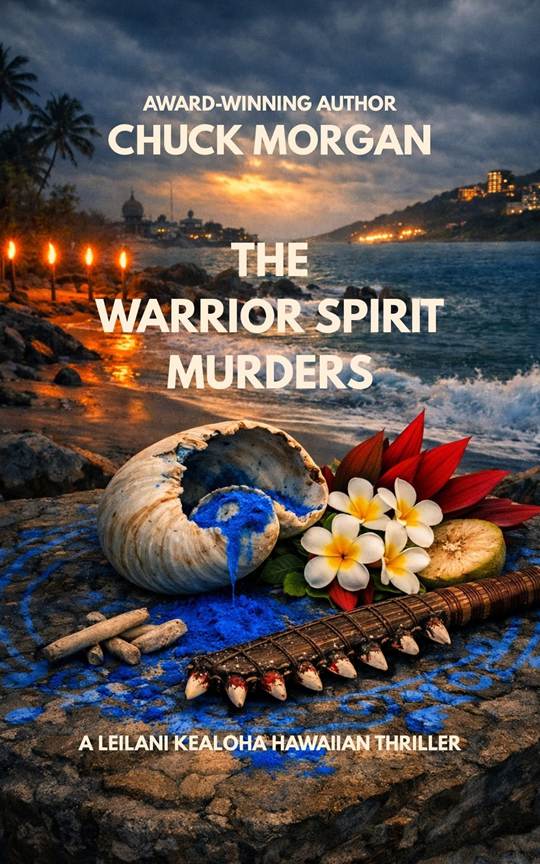
THE WARRIOR SPIRIT MURDERS
A Leilani Kealoha Hawaiian Thriller…new release ebook price…$0.99. Read for free with Kindle Unlimited
A Navy veteran is found on Oʻahu—marked with shells, blue pigment, and a ritual pattern older than the islands themselves. Detective Leilani Kealoha recognizes the signs: this isn’t imitation. It’s doctrine.
As more bodies surface, federal agents swarm the case, but Leilani sees a deeper truth. Someone is twisting cultural tradition into a weapon, resurrecting a corrupted “Warrior Spirit” philosophy to recruit the angry and the lost.
With her son and her elders in the crosshairs, Leilani must decipher a ritual language meant to mislead outsiders and lure insiders home. The killer is building toward a public spectacle that will terrify the island—and ignite a movement.
At the edge of the sea, where old law meets new justice, Leilani faces the most personal investigation of her life. Nothing sacred will be left untouched.
⭐⭐⭐⭐⭐The Warrior Spirit Murders is a fascinating thriller that kept me turning the pages. I enjoyed how the author blended the habitual procedural thriller elements with layered forensic detail that includes ritual knot patterns, encrypted communications, and analysis of coral dust. While these are exciting to follow, it was the relentless pacing that turned remote jungle heiaus and school open houses into pressure cookers of suspense for me. In this tale, actions and places are symbolic, and the sense of mystery grows as the heroine progresses in her chase after clues. Chuck Morgan’s characters are well-developed, rooted in ordinary backgrounds, yet facing a threat that raises the stakes. I enjoyed the depiction of Leilani as a fully realized lead character in the story, who balances her identity as a Hawaiian mother with her badge, while having a difficult partnership with NCIS Agent Castellano. This book is a well-crafted thriller that kept me guessing throughout and one that made me want to read more from this author. Reviewed by Christian Sia for Readers’ Favorite
***
FREE EBOOK
HERE IS AN AWESOME OPPORTUNITY TO FILL OUT YOUR SPRING AND SUMMER READING LISTS AND FIND YOUR NEXT FAVORITE AUTHOR
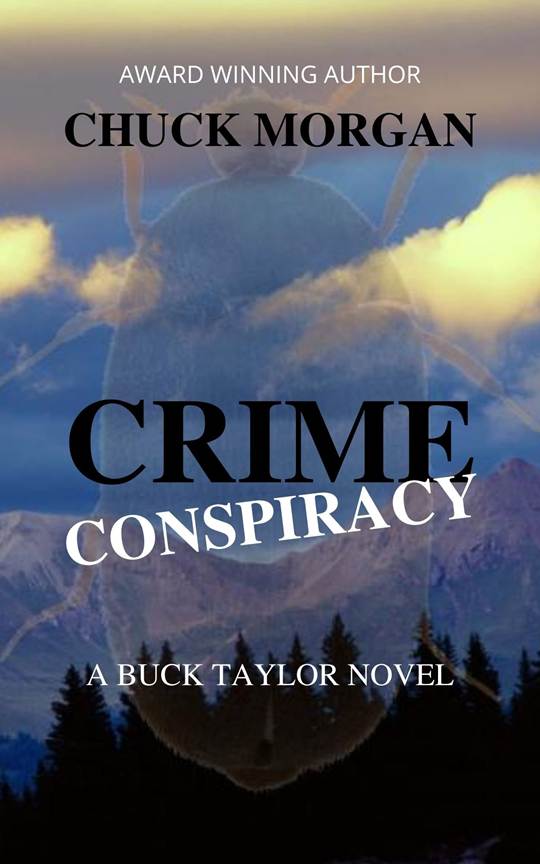 Hello readers…Here is a great opportunity to pick one of my FREE eBooks and check out a bunch of new authors. Click on the link below, enter your email and browse the free eBooks available. You might just find your next favorite author.
Get a free ebook copy of CRIME CONSPIRACY, A BUCK TAYLOR NOVEL…CLICK THE LINK BELOW:
https://books.bookfunnel.com/crimethrillersmay26/pq2st56x35
Check out the rest of my novels on amazon at:
https://www.amazon.com/author/chuckmorgan
or
PLEASE LEAVE AN AMAZON OR GOODREADS REVIEW. THIS IS AN INCREDIBLE HELP TO THE AUTHOR.
Chuck Morgan
The Best Marketing Strategies for New Fiction Authors: A Practical Guide to Building an Audience From Zero
The Best Marketing Strategies for New Fiction Authors: A Practical Guide to Building an Audience From Zero
Chuck Morgan, Crime Fiction Author
Most new fiction authors believe the hardest part of the journey is writing the book. Then they hit “publish” and discover the real challenge: getting readers to notice it. The truth is simple but uncomfortable, great books don’t sell themselves. Readers don’t magically appear. Visibility isn’t luck. It’s strategy, consistency, and understanding how readers discover new stories.
The good news is that fiction authors don’t need a huge budget, a massive following, or a marketing degree to build momentum. What they do need is a clear plan, a willingness to experiment, and a focus on long-term audience building rather than quick wins.
This guide breaks down the most effective, sustainable marketing strategies for new fiction authors. The ones that move books, build readership, and create a foundation for a long career.
1. Start With the Core: Know Your Genre and Your Reader
Marketing begins long before you post on social media or run an ad. It starts with understanding who your book is for.
Readers don’t buy genres, they buy experiences. They buy the feeling your story promises.
Ask yourself:
- What emotional experience does my book deliver?
- What tropes does it use?
- What books is it similar to?
- Who is the ideal reader — age, interests, reading habits?
- What problem does my book solve for them (escape, thrill, comfort, catharsis)?
When you know your reader, everything becomes easier: your cover, blurb, keywords, social content, newsletter tone, and even your long-term brand.
If you skip this step, every other marketing effort becomes guesswork.
2. Build an Author Brand That Signals Your Genre Instantly
Readers make snap decisions. They judge your professionalism, genre, and tone in seconds. Your brand should communicate:
- What you write
- Who it’s for
- What emotional promise do you deliver
For fiction authors, brand is not a logo; it’s consistency across:
- Book covers
- Website
- Social media tone
- Email voice
- Author photo
- Tagline
- Series naming conventions
A thriller author should feel different from a cozy mystery author. A fantasy author should feel different from a romance author.
Branding is not about being fancy; it’s about being recognizable.
3. Create an Email List Early — It’s Your Most Valuable Asset
Social media platforms change. Algorithms shift. Ads get expensive. But your email list is yours forever.
For fiction authors, an email list is the single most reliable way to:
- Launch books
- Build long-term readership
- Get reviews
- Sell backlist titles
- Announce promotions
- Create superfans
How to grow your list from scratch
- Offer a reader magnet. A short story, prequel, bonus epilogue, or character dossier works beautifully. It doesn’t need to be long, but it needs to be irresistible.
- Use a simple landing page. Tools like MailerLite or ConvertKit make this easy.
- Promote it everywhere.
- Back of your book
- Social media
- Website
- Author bio
- Guest posts
- Newsletter swaps
- Email consistently. Once a week or twice a month is enough. Share behind‑the‑scenes content, character insights, early cover reveals, and personal notes that build connection.
Your list becomes your launch team, your review team, and your most loyal fan base.
4. Optimize Your Amazon Presence. It’s Your Primary Storefront
Most fiction sales happen on Amazon, especially for new authors. That means your Amazon page must do the heavy lifting.
Key elements to optimize
- Cover — must match genre expectations instantly
- Title + subtitle — clear, interesting, keyword‑rich
- Book description — scannable, emotional, structured for conversion
- Categories — choose niche categories to increase visibility
- Keywords — use long‑tail phrases readers actually search
- A+ Content — free visual real estate that boosts conversions
- Author page — professional photo, bio, links, and updates
Amazon’s algorithm rewards books that convert well. A polished page increases conversion, which increases visibility, which increases sales; a self-reinforcing loop.
5. Use Social Media Strategically (Not Constantly)
You don’t need to be everywhere. You don’t need to post daily. You don’t need to dance on TikTok unless you want to.
What you need is a platform where you can:
- Show your personality
- Share your writing journey
- Connect with readers
- Network with other authors
- Promote your email list
Best platforms for fiction authors
- TikTok (BookTok) — explosive reach for fiction
- Instagram — visual storytelling, reels, aesthetic branding
- Facebook — groups, older readers, community building
- Threads — low-pressure, conversational
- YouTube Shorts — fast growth, evergreen content
What to post
- Tropes in your book
- Character teasers
- “If you like X, you’ll love this.”
- Behind-the-scenes writing moments
- Aesthetic mood boards
- Quotes from your book
- Personal stories that build connections
Social media is not about selling; it’s about attracting.
6. Leverage Communities Where Readers Already Gather
Instead of shouting into the void, go where readers already hang out.
High‑value communities
- Goodreads groups
- Reddit subreddits (genre‑specific)
- Facebook reader groups
- Discord servers
- Book clubs
- Local libraries
- Local writing groups
Take part as a human, not a marketer. Build relationships. Offer value. When you mention your book, it feels natural, and people respond.
7. Use Newsletter Swaps and Group Promos to Grow Fast
This is one of the most powerful growth strategies for new fiction authors, and it’s free.
Newsletter swaps
You promote another author’s book to your list, and they promote yours to theirs. The key is swapping with authors in your exact genre.
Group promos
Platforms like BookFunnel and StoryOrigin let you join themed promotions:
- “Thrillers with strong female leads.”
- “Cozy mysteries under 300 pages.”
- “Dark fantasy with antiheroes.”
Readers sign up for your magnet, and your list grows quickly with targeted fans.
8. Get Reviews Early and Consistently
Reviews are social proof. They influence Amazon ranking, conversions, and visibility.
How to get early reviews ethically
- ARC team (even 10–20 readers helps)
- Newsletter subscribers
- Beta readers
- BookFunnel ARC programs
- Reedsy Discovery
- Goodreads giveaways
- Back‑of‑book call‑to‑action
Never pay for reviews. Never trade reviews. Never pressure readers. Just make it easy and rewarding for them to support you.
9. Use Content Marketing to Build Long‑Term Discoverability
Content marketing is slow but powerful. It builds authority, SEO, and reader trust.
Effective content types for fiction authors
- Blog posts about your genre
- Behind-the-scenes world building articles
- Character interviews
- Writing journey updates
- Short stories
- YouTube videos
- Podcast guest appearances
This content attracts readers who love your world, your voice, and your storytelling style.
10. Build Relationships With Other Authors — It’s a Force Multiplier
The indie author world is collaborative, not competitive. Authors who network grow faster.
Ways to collaborate
- Co‑host giveaways
- Swap newsletters
- Share each other’s posts
- Co‑write short stories
- Appear on each other’s podcasts
- Bundle books
- Cross‑promote launches
A rising tide lifts all boats, especially in fiction.
11. Plan Launches Like Events, Not Afterthoughts
A strong launch sets the tone for your book’s entire lifespan.
A simple but effective launch plan
- 60 days out: cover reveal
- 45 days out: ARC team
- 30 days out: preorders
- 14 days out: teaser content
- Launch week: daily posts + email sequence
- Post‑launch: reviews push + newsletter swaps
Consistency beats intensity. A steady drumbeat works better than a single loud blast.
12. Think Long‑Term: Series Sell Better Than Standalones
If you want a career, not a one‑off success, write in series.
Series create:
- Repeat buyers
- Higher read‑through
- Stronger branding
- Easier marketing
- More predictable income
A reader who loves Book 1 will buy Book 2, 3, 4, and beyond. A standalone must win a new reader every time.
Final Thoughts: Marketing Is a Skill, Not a Mystery
New fiction authors often feel overwhelmed by marketing because it seems unpredictable. But once you understand how readers discover books — and how platforms reward engagement — the path becomes clear.
The most successful authors aren’t the loudest or the luckiest. They’re the ones who:
- Know their audience
- Build an email list
- Show up consistently
- Optimize their storefront
- Connect with readers
- Collaborate with other authors
- Treat their writing like a long‑term business
You don’t need to do everything. You just need to do the right things consistently.
Email Marketing and Building an Email List for New Authors: A Complete Guide
Email Marketing and Building an Email List for New Authors: A Complete Guide
Chuck Morgan, Crime Fiction Author
If you’re a new author, you’ve probably heard the advice: “Start an email list.” It’s repeated so often that it can feel like a cliché, but it’s also the most consistently accurate marketing truth in publishing. Social media trends shift, algorithms change, and retailers control visibility, but your email list is the one platform you truly own. It follows you from your first book to your twentieth, giving you a direct line to the readers most likely to buy, review, and champion your work.
This article breaks down why email marketing is essential, how to build your list from zero, and how to use it effectively without feeling overwhelmed.
Why Email Marketing Matters More Than Anything Else
Email marketing is the backbone of a sustainable author career for one simple reason: it gives you control. Unlike social media platforms, where your reach can disappear overnight, your email list is stable, predictable, and yours.
According to industry data, authors with strong email lists dramatically outperform those without them. Email consistently delivers higher engagement than any other channel because subscribers choose to hear from you. They’re invested. They’re curious. They’re primed to become fans.
For new authors, this is especially important. You may not have a large social following or a big advertising budget, but you can build a list of readers who care about your stories and want to follow your journey.
Step 1: Choose the Right Email Service Provider
Before you can build a list, you need a platform to host it. Fortunately, there are several beginner‑friendly options designed with authors in mind.
Popular choices include:
- MailerLite – clean interface, generous free tier, excellent automation tools.
- ConvertKit (Kit) – strong for creators, great for sequences and landing pages.
- Flodesk – beautiful templates and simple pricing.
- Substack – ideal if you want a newsletter‑first platform with built‑in discovery.
For most new authors, MailerLite is the easiest and most cost‑effective place to start. It offers free plans for small lists and intuitive tools for creating landing pages, automations, and newsletters.
Step 2: Create a Simple Author Website or Landing Page
You don’t need a full website to build your list. A single landing page, hosted by your email provider, is enough. This page should include:
- A clear headline (Get a Free Story + Exclusive Updates)
- A short description of what the reader will receive
- A signup form
- An interesting image (your book cover or author photo)
As you grow, you can expand into a full website, but don’t let perfection slow you down. A clean signup page is all you need to begin.
Step 3: Offer a Reader Magnet
A reader magnet is a free piece of content you give readers for joining your list. It’s the single most effective way to grow your audience quickly.
Great reader magnets include:
- A free novella or short story
- A prequel to your series
- The first few chapters of your upcoming book
- A bonus epilogue or alternate POV scene
- A world guide, map, or character dossier (for fantasy/sci‑fi)
Your magnet doesn’t need to be long; it just needs to be good and relevant to what you write. The goal is to give readers a taste of your storytelling so they want more.
Step 4: Use Multiple Touchpoints to Collect Emails
Once you have your magnet and landing page, you need to put them where readers will see them. Effective places include:
1. Back Matter of Your Books
This is the highest‑converting location. Add a link at the end of your book that says:
“Enjoyed this story? Get a free bonus chapter and future updates here.”
Readers who finish your book are your warmest leads.
2. Social Media Profiles
Pin your signup link to the top of your Facebook page, Instagram bio, TikTok profile, or X account.
3. Your Website
Place your signup form on your homepage, sidebar, and footer.
4. Giveaways and Promotions
Take part in genre‑specific giveaways through sites like Book Funnel or StoryOrigin. These can help you grow quickly; just be sure to clean your list afterward to remove freebie‑seekers who never engage.
5. In‑Person Events
If you attend signings, conferences, or book fairs, offer a QR code that links to your signup page.
Step 5: Send a Warm Welcome Sequence
Once someone joins your list, don’t leave them hanging. A welcome sequence is a short series of automated emails that introduces readers to you and your work.
A simple 3–5 email sequence might include:
- Delivery of the reader magnet
- A personal introduction—why you write, what you love
- A behind‑the‑scenes look at your book or series
- A soft pitch for your other books
- An invitation to connect on social media or reply to your email
This sequence builds trust and turns casual subscribers into fans.
Step 6: Email Consistently (But Not Constantly)
You don’t need to email every week. You do need to email regularly enough that readers remember who you are.
A good rhythm for new authors is:
- Once a month during quiet periods
- Once a week during a book launch
- Every 2–3 weeks during active writing or promotions
Your emails should be a mix of:
- Updates on your writing
- Behind‑the‑scenes insights
- Personal stories
- Book recommendations
- Exclusive content
- Launch announcements
- Sales and promotions
The key is to be authentic and consistent. Readers want to feel connected to you, not marketed to.
Step 7: Keep Your List Healthy
A strong list isn’t just about size; it’s about engagement. Clean your list every few months by removing subscribers who haven’t opened or clicked in a long time. This improves deliverability and ensures your emails reach the people who care.
Final Thoughts
Email marketing isn’t complicated; it’s strategic. Start with a simple landing page, offer an interesting reader magnet, and show up consistently with value. Over time, your list becomes your most powerful asset: a community of readers who support every book you write.
If you’re a new author, there’s no better time to start than today. Your future fans are waiting.
Social Media Posts vs. Paid Social Media Advertising: A Guide for New Writers
Social Media Posts vs. Paid Social Media Advertising: A Guide for New Writers
Chuck Morgan, Crime Fiction Author
Social media has become one of the most powerful tools for authors — whether you’re launching your first book, building an audience, or trying to grow your brand. But not all social media activity works the same way. As a new writer, you’ll hear two terms over and over: organic social media posts and paid social media advertising.
Both can help you grow. Both can sell books. Both can build your author brand. But they work differently.
This article breaks down the pros, cons, differences, and best uses of each so you can make smart decisions about your author platform, even if you’re starting with zero budget.
1. What Organic Social Media Posts Actually Are
Organic posts are the everyday content you share for free: updates, behind‑the‑scenes writing moments, quotes, videos, character art, book announcements, and conversations with readers. They appear in your followers’ feeds and sometimes reach new people through shares, hashtags, or platform algorithms.
Benefits of Organic Posting
· Builds genuine relationships. Organic content is about connection, not selling. Readers follow authors they feel close to.
· Free and sustainable. You can post daily without spending a dollar.
· Strengthens your brand's voice. Readers learn who you are, what you write, and why they should care.
· Encourages engagement. Comments, shares, and conversations help your visibility.
· Great for long‑term growth. Organic content compounds.
Drawbacks of Organic Posting
· Limited reach. Only a percentage of your followers see each post. Algorithms decide the rest.
· Slow growth. It can take months or years to build momentum.
· Not ideal for launches alone. If you rely only on organic posts, your book release may not reach enough people.
· Requires consistency. You need to show up regularly to stay visible.
2. What Paid Social Media Advertising Is
Paid social media advertising includes boosted posts, sponsored posts, and full ad campaigns on platforms like Facebook, Instagram, TikTok, and X. These ads reach people beyond your followers — often people who have never heard of you.
Benefits of Paid Advertising
· Massive reach. Paid ads can reach thousands of targeted readers instantly.
· Precise targeting. You can target readers by genre interests, age, location, behavior, and more.
· Fast results. Great for book launches, promotions, and list‑building.
· Scalable. Spend more → reach more.
· Customizable creative. Paid ads allow strong visuals, calls‑to‑action, and optimized messaging.
Drawbacks of Paid Advertising
· Costs money. Even small campaigns add up.
· Requires strategy. Poor targeting wastes money quickly.
· Learning curve. Ads require testing, tweaking, and analyzing.
· Not all ads convert. Even good ads can fail if the audience isn’t right.
3. Key Differences Between Organic Posts and Paid Ads
Purpose
Organic: Build relationships, community, and trust.
Paid: Drive reach, clicks, sales, and measurable actions.
Audience
Organic: Mostly your existing followers.
Paid: Anyone you choose to target — even people who’ve never heard of you.
Speed
Organic: Slow and steady.
Paid: Fast and scalable.
Cost
Organic: Free.
Paid: Budget required.
Control
Organic: Algorithm decides who sees your posts.
Paid: You control targeting, placement, and reach.
4. When New Writers Should Use Organic Posting
Organic posting is essential for:
Building your author identity
Readers want to know the person behind the book. Organic content lets you show your personality, process, and passion.
Developing a loyal community
Readers who feel connected to you become superfans, the ones who buy every book, leave reviews, and share your work.
Sharing your writing journey
Draft updates, character sketches, writing struggles, and victories all help readers feel invested.
Growing slowly but authentically
Organic posting is the foundation of your long‑term author brand.
5. When New Writers Should Use Paid Advertising
Paid ads are ideal for moments when you need reach, speed, and precision.
Book launches
Ads can introduce your book to thousands of genre‑specific readers instantly.
Building your email list
Paid ads can drive signups for a free novella, sample chapters, or reader magnet.
Boosting a high‑performing post
If an organic post is already doing well, boosting it can multiply its reach.
Running sales or promotions
Limited‑time discounts perform extremely well with paid ads.
6. Pros and Cons Summary Table
Feature Organic Posts Paid Ads
Cost Free Requires budget
Reach Limited to followers + shares Broad, targeted, scalable
Speed Slow Fast
Best For Community, trust, brand building Launches, sales, list‑building
Control Algorithm‑dependent Full targeting control
Longevity Long‑term growth Short‑term impact
Skill Needed Low Medium–high
7. Should New Writers Use Both?
Yes — and here’s why.
According to industry analysis, the strongest strategies combine organic and paid social media, using each for what it does best. Organic builds trust and steady growth; paid provides reach and results when you need them.
For new writers, this hybrid approach is ideal:
· Use organic content to build your voice, community, and authenticity.
· Use paid ads strategically during launches, promotions, or list‑building pushes.
You don’t need a huge budget. Even $5–$10 boosts can help.
8. A Simple Strategy for New Writers
Step 1: Post organically 3–5 times per week
Share:
· Writing updates
· Quotes
· Behind‑the‑scenes
· Reader questions
· Short videos
· Excerpts
Step 2: Watch what performs well
If a post gets strong engagement, save it. It might be a good candidate for boosting later.
Step 3: Boost only your best content
Boosting a high‑performing post is the easiest, safest way to start with paid ads.
Step 4: Run small, targeted campaigns for launches
Target readers who love your genre. Start small, test, and scale what works.
Final Thoughts
Organic posting and paid advertising are not competitors — they’re partners. Organic content builds your foundation; paid ads amplify your reach. As a new writer, you don’t need to master everything at once. Start with organic posting, learn your audience, and add paid ads when you’re ready.