

#WritingCommunity
Why Does Micro-Meditation Work Wonders Against Mental Stagnation?
Why Does Micro-Meditation Work Wonders Against Mental Stagnation?
Chuck Morgan, Crime Fiction Author
Many individuals experience mental stagnation, feeling stuck in their thoughts and unable to progress. Micro-meditations, brief mindfulness practices lasting just a few minutes, can effectively break this cycle. By incorporating these short bursts of meditation into your routine, you can enhance focus, increase clarity, and promote a sense of well-being. These techniques help you reset your mind, eliminate distractions, and foster creativity, ultimately allowing you to overcome mental blocks and improve your overall mental health.
Understanding Mental Stagnation
Mental stagnation often manifests as a feeling of being stuck, unable to progress in personal or professional life. You may experience a lack of motivation, decreased creativity, and an inability to solve problems effectively. This mental block can lead to frustration and a sense of hopelessness, overshadowing your potential and daily activities.
Definition and Symptoms
Mental stagnation is characterized by persistent feelings of inertia, where thoughts and ideas seem to freeze, hindering your ability to think clearly. Symptoms include a sense of overwhelm, fatigue, difficulty concentrating, and a pervasive lack of inspiration. You might also notice a decline in your overall productivity and decision-making abilities.
Causes of Mental Stagnation
Your mental stagnation can stem from various factors, such as prolonged stress, lack of stimulation, or unhealthy habits. External pressures, like job demands or personal responsibilities, may also contribute to this mental state. Negative thought patterns and a toxic environment are significant contributors that can form a feedback loop, perpetuating your stagnation.
Specific causes include burnout from work-related stress, which can reduce your cognitive flexibility and creativity. For example, engaging in repetitive tasks without adequate breaks can leave you feeling uninspired. A cluttered personal environment or social isolation can exacerbate this condition, further diminishing your motivation. Psychological factors, like fear of failure or perfectionism, also play a role, where the pressure to perform prevents you from trying alternative approaches or thinking outside the box.
The Science Behind Micro-Meditations
Micro-meditations tap into your brain's neuroplasticity, promoting neural rewiring with just a few minutes of focused attention. Scientific studies show that even brief mindfulness practices can enhance cognitive flexibility and increase overall mental clarity. By providing quick bursts of focus, these techniques trigger physiological and psychological changes that refresh your mental state, countering stagnation effectively.
Physiological Effects
Your body responds positively to micro-meditations by lowering cortisol levels and reducing stress markers. This reduction in physiological stress can lead to enhanced focus and improved energy levels. Specific studies show that even short mindfulness sessions can lower heart rates and improve overall cardiovascular health, creating a conducive environment for heightened mental function.
Psychological Benefits
Engaging in micro-meditations enhances your emotional well-being, promoting resilience against negative thoughts. These brief moments of mindfulness help in redirecting your focus, making it easier to combat feelings of anxiety and frustration. Research suggests that individuals who practice micro-meditations report increased feelings of happiness and lower levels of emotional distress, paving the way for greater productivity and creativity.
By incorporating micro-meditations into your daily routine, you cultivate mental agility, allowing yourself to respond more adeptly to challenges. For example, a study found that participants who practiced short meditative breaks experienced a 31% increase in creativity levels compared to a control group. These practices not only provide immediate emotional relief but also empower you to maintain a more positive outlook over time, effectively breaking the cycle of mental stagnation.
Techniques for Effective Micro-Meditation
Effective micro-meditation can be achieved through a variety of techniques tailored to fit seamlessly into your daily routine. One approach is focusing on your breath; inhale deeply through your nose, hold for a few seconds, and exhale slowly through your mouth. Alternatively, you might try guided imagery, visualizing a peaceful scene that brings you calm. Incorporating repetitive affirmations or mantras can also enhance your focus. The key is to find a technique that resonates with you and allows you to shift your mental state.
Duration and Frequency
Engage in micro-meditations lasting anywhere from 2 to 10 minutes, depending on what suits your schedule and needs. Consistency is crucial, so aim to practice several times throughout the day—ideally, three to five sessions. You may notice greater benefits by incorporating these short sessions during transitional periods, such as before meetings or after lunch, helping to refresh your mind and increase productivity.
Ideal Environments
Choosing the right environment for micro-meditation can significantly enhance its effectiveness. Aim for quiet spaces that minimize distractions, such as your home office or a secluded area in a park. Soft lighting, comfortable seating, and calming scents, like lavender or sandalwood, can create a comforting atmosphere. This intentional setting allows your mind to relax, paving the way for deeper focus and clarity during your sessions.
Consider finding a spot conducive to relaxation, free from interruptions. Natural settings, like a park or garden, often work wonders, providing peace and tranquility. Even a cozy corner in your home with minimal clutter can serve your needs. Experiment with different environments to discover which one helps you best settle into your mindfulness practice. Establishing a consistent locale can become a trigger for your brain, signaling that it's time to shift into a state of calm and focus.
Integrating Micro-Meditations into Daily Life
To reap the benefits of micro-meditations, seamlessly weaving them into your daily routine is necessary. Consider setting aside brief intervals throughout your day—perhaps during your morning coffee, a lunch break, or while waiting for public transport. Even just five minutes of focused breathing can enhance your mental clarity and reduce stress. The key is consistency; those few moments can accumulate to create a powerful habit that promotes mindfulness and creativity.
Creating a Routine
Your micro-meditation practice thrives on routine. Start by identifying natural pauses in your day, like after waking up or during commutes. Setting an alarm or reminder can help you pause without distraction. Choose specific locations that reinforce relaxation, whether it's a designated quiet corner at home or an outdoor space. The more you integrate these moments into your schedule, the more effortlessly they'll become a part of your everyday life.
Overcoming Barriers
Often, barriers to adopting micro-meditation stem from the misconception that it requires extensive time or effort. You may feel overwhelmed, thinking you need to experience silence or a calm mind before you start. However, the beauty of micro-meditation lies in its accessibility. Recognize that even a minute of focused attention can be transformative. Start small; commit to just one minute of focused breathing, increasing the duration as you become more comfortable. Breaking down these barriers makes the practice achievable and enjoyable.
Case Studies and Success Stories
Micro-meditations have led to notable transformations in individuals and organizations alike, showcasing their effectiveness against mental stagnation.
- A 2021 study involving 200 participants showed a 30% decrease in reported levels of anxiety after just two weeks of daily micro-meditation.
- Employees at a tech firm implemented micro-meditation breaks, resulting in a 25% increase in productivity over three months.
- Case research from a wellness center revealed that 85% of clients reported enhanced focus and creativity after incorporating micro-meditation into their routine for four weeks.
- An educational study found that students who practiced micro-meditation showed a 20% improvement in test scores due to increased concentration levels.
Personal Transformations
Many individuals have experienced life-altering benefits from micro-meditations. For instance, one participant shared that daily sessions helped them manage chronic stress, leading to improved relationships and better emotional regulation. This journey often unfolds in small steps, with users frequently reporting enhanced self-awareness and mindfulness.
Workplace Applications
Micro-meditations are increasingly adopted in workplaces, promoting mental clarity and reducing burnout among employees. Companies are integrating these practices into their wellness programs, leading to measurable improvements in overall morale and efficiency.
The direct impact on workplace culture is significant; teams that dedicate time to micro-meditation during work hours report fewer conflicts and increased collaboration. One case study showed an all-time low in absenteeism correlated with introducing micro-meditation, while another found that employee satisfaction ratings improved by over 40%. This holistic approach nurtures not only individual well-being but also collective creativity and productivity.
Comparing Micro-Meditations to Traditional Meditation
| Aspect | Micro-Meditation |
| Duration | Typically lasts 1-5 minutes |
| Frequency | Can be practiced multiple times daily |
| Format | Often spontaneous |
| Setting | Anywhere, no special environment needed |
Time Commitment
You can fit micro-meditations into even the busiest schedules, requiring only a moment of your day. Unlike traditional meditation, which often demands sizable blocks of time, micro-meditations empower you to regain focus and clarity quickly, making them perfect for a hectic lifestyle.
Accessibility and Approachability
Micro-meditations provide easy access to mindfulness techniques that may feel intimidating in a traditional setting. With no prerequisites necessary, you can engage in these brief practices anytime and anywhere, ensuring that meaningful moments of reflection are always within reach.
Unlike traditional meditation, which sometimes involves detailed techniques or specific environments, micro-meditations strip these elements away, making mindfulness adaptable to your needs. You don’t need prior experience or extensive knowledge; even a few seconds of conscious breathing in a coffee shop can yield benefits. Whether standing in line or taking a break at work, these practices foster a sense of peace without formalities, significantly enhancing their appeal and effectiveness in day-to-day life.
Conclusion
Upon reflecting, you can see how micro-meditations serve as effective tools against mental stagnation by breaking the cycle of repetitive thoughts and enhancing cognitive flexibility. These short, intentional pauses allow you to clear your mind, regain focus, and boost creativity. By integrating micro-meditations into your daily routine, you not only cultivate a sense of mindfulness but also create space for new ideas to flourish, ultimately leading to improved mental clarity and productivity.
https://chuckmorganbooks.com

Back to Square One on the Writing Board
So to say, in its origins, the writing board consisted the ‘rectangles of recognition’ over which, over time, the ‘pillars of popularity’ were formed that held the interests of the literature and the writers alike for long. However, in the later part of the last century, this ‘from bottom to top’ order was turned topsy-turvy under the ‘pyramids of publicity’ erected by the publisher-media nexus to promote the writers with the right connections. When it seemed, all was irrevocably lost to the unconnected authors, came the internet to usher in the e-book revolution followed by social media explosion that once again restored the rectangles of recognition, albeit in unruly profusion. All the same, it’s absurd that the daily churning of the writing mill of the day dwarfs the literary output of any yester-century, given even the enhanced social literacy! By and large, this is in the Indian context that may hold good everywhere else, and if only you bear with me, I would have a chance to explain this anomaly in the world of letters.
To start with, man would have made his mark with his brawn and woman with her beauty, and with time, the skill sets too came into the construct of the ‘rectangles of recognition’ in their respective communes. In time though, what with the formation of broader societies, still on narrow communal lines, as the rectangles too got widened, recognition needed the word-of-mouth to fill the enlarged spaces. Eventually, the societal sophistication that ensued the evolution of arts had ensured the formation of the ‘pillars of popularity’ over the enlarged ‘rectangles of recognition’, which was from bottom to top progression that is fair and square for praise and patronage. However, the advent of, from top to bottom, mainstream media altered all that for the writers but yet the ‘rectangles of recognition’ continue to cater to the modest causes of the singers, the dancers, the painters, the sculptures and such visual artists, more or less that is, even in our era of overwhelming publicity.
However, unlike the visual arts, as the written words cannot be appraised on espial, writers have always been handicapped in the arena of recognition, and if anything, in the world of printed words, the publisher-media nexus dealt them a double whammy, more so in the recent past. What with this vexatious commercial nexus pitchforking their favoured folks, aided by the literary editors, as published authors into the public limelight, the genuine writers got relegated into the scornful arena of self-publishing. Incredible though, that was when the mere sale of five-hundred copies of a published tome used to earn the writers the successful author tag in the newspapers’ literary supplements and the magazines’ book columns with guaranteed pre-launch interviews for their subsequent publications. But God only knows how many of those five-hundred ‘sold’ books forever remained as showpieces in their buyers’ bookracks even as their authors wormed their way into a million minds, of media-consumers. Yet, in the make-believe world of letters, it is the media awareness that imparts a literary touch to the goings on in the learned drawing rooms that is besides scoring points in the quiz competitions, if one happens to be a participant. Why, the media itself, the mother of publicity, fares no better in its eulogical obituaries of the famous writers, mostly of its own creation, for it seldom quotes a sentence or two from their writings as a measure of their literary worth.
However, as it seemed all was over bar sighing of the genuine writers, in came the internet with a formidable e-publishing space for their works as if to free the literature from the publishers’ prejudicial editorial grip and to directly deliver their e-books into the readers’ digital laps to sort them out for themselves. Laudable though this literary freedom in principle, yet in practice, so to say, the internet has wide opened the floodgates of writing, thereby enabling even those, who have no business to write, to inundate the e-book world with all sorts of imitative works. If only the aspiring writers would read Leo Tolstoy’s What is Art in which he articulated that to be qualified as an art, be it a good art or a bad art, the work must be original foremost, as otherwise, it’s just an imitation, and nothing else. What with the entry of the bloggers and the bots alike into the ever-expanding e-book arena to serve the ill-literary cause of the intruders, yet again it’s a theatre of the absurd for the destined writers. So, be it the mainstream media or the social media, in either case, the commercial pull has been inexorably pulling down the literary standards. Have any heard any author of the day say that he was influenced by the writings of Tolstoy, Dostoevsky, Turgenev, Gogol, Proust, Zola, Flaubert, or Fontaine, to name a few! So, to best describe the state of the current literature, barring honourable exceptions, as an analogy, one may borrow the old computer adage – garbage in, garbage out. But yet, on balance, the democratic word in the web world is far more conducive for the survival of the genuine literature than the literary tyranny of the publishing world.

To Be The Land Of A Thousand Classics
The universal success of The God of Small Things and the exuberant outburst of Salman Rushdie on ‘regional’ Indian writing call for a dispassionate approach to the genesis of Indo-English writing, nay, all Indian writing. Let us first propitiate the ‘God of Small Things’ before we turn our attention to the ‘Satan of Verses’
As Arundhati Roy’s success is of historical magnitude, it would be in order to follow the Gibbonian track to seek its causes. To this enquiry an obvious but satisfactory answer may be returned|: that it was owing to the newness of ‘The God o Small things’, exemplifies by the peculiar and pixilated use of the language to weave a sensuous story in a sinusoidal fashion, and the magical power of the narration, repetitions notwithstanding, that enthralls the reader throughout. But as truth and reason seldom find so favorable a reception in the world, and as the wisdom of Providence frequently condescends to use passion of the human heart, and the general circumstances of mankind, as instruments to execute its purpose. We may still be permitted, though with becoming submission to ask, not indeed what were the first, but what were the secondary causes, to borrow from Gibbon, of the unprecedented success of The God o Small Things, it will, perhaps, appear that it was most effectually favored by the three following causes. 1. The Indo-Christian ambience of the subject 2. The extraordinary hype bestowed upon it in a sustained manner, 3. The glamour and intelligence of its author.
As the second is widely felt, and the third truly perceived, it is the first of the secondary causes that needs to be delved into at some length for a general understanding. While ‘The God of Small Things’ is selling in six figures in The States, the other two most publicized faces of |Indo-Anglican writing, Salman Rushdie and Vikram Seth, reportedly, have come a cropper there. The reason, perhaps, is all too apparent on appraisal, notwithstanding the relative merits of their works. Rushdie’s writings are about Indo-Muslim ethos, while Seth’s ‘Suitable Boy’ is in essence Indo-Hindu, and both of which are alien to the American cultural mindset. On the other hand, the Christian experience conveyed in Roy’s book, abetted in the exotic Indian setting, could vibe well with the American cultural consciousness that helped it to position itself, for months on, on The New York Times Best Seller List. For the very same reason, perhaps, the book got patronized, in translations, in many European countries as well.
However, the culture-literary scene in England, where Rushdie and Seth too sell well, not to speak of Roy, is altogether different. Owing to historical causes, the British and privy to the Indo-Hindu as well as Indo-Muslim socio-cultural nuances, and for nostalgic reasons tend to condescend to patronize Indo literary products packaged with the right kind of market mix.
This inherent anomaly of Indo-English writing seems to have been grasped by many an aspiring writer to stay afloat in the treacherous literary waters. One feels constrained, so it appears, to pave hi literary way to the Western markets over the trans-continental route by transplanting assorted alien characters, for no rhyme save for a reason, in the Indian social sub-soil. But in spite of this promising recipe, or perhaps, because of it, most of the fare turns out to be stale literary kichdi. Most of this effort seems to lack conviction as superficial alien pegs are sought to be placed I soulless holes of the shallow native soil. Paradoxically, this compulsion occasioned the wastage of much Indian literary talent. Besides; the formula in most cases, failed to click in the West leaving many a hopeful stuck.
This is where Arundhati Roy scores. Being a Syrian Christian herself, she instinctively captured the ambience of her community ethos, and artfully crafted the East-West equations, albeit Christian, to make The God of Small Things refreshingly appealing, and eminently readable, to one and all in India, and the world over.
What about the compulsions and quality of the Indian regional writing?” the prose writing –both fiction and non-fiction-created I this period (post-independence) by Indian writers working in English is proving to be a stronger and more important body of work that most of what has been produced in the 16 ‘official languages’ of India, the so-called ‘vernacular languages’, during the same time. Thus spake Salman Rushdie, ruffling many a vernacular feather, and occasioning much regional breast beating. And the decibel levels of the retaliatory counter-trumpeting that followed could have made Rushdie more sleepless than the fear of the fatwa ever did earlier. To be fair to Rushdie, he did concede that he came to this conclusion based on his reading of the available body of translations, which obviously failed to inspire.
Why single our Rushdie when Naipaul is not flattering either. In ‘An Area of Darkness’, he wrote- |”the feeling is widespread that, whatever English might have done for Tolstoy, it can never do justice to India ‘language’ writers. This is possible: what I read of them in translation did not encourage me to read more. Premchand turned out to be minor fabulist. Other writers quickly fatigued me with their assertions that poverty was sad, that death was sad. Many of the modern short stories were only refurnished folk tales…’ can there be smoke without fire, or are these two highly successful and decorated writers jealous of their poor vernacular cousins to insinuate in like manner? But before we go into that, we should have a look at the other side of the coin as well. |U>R. Ananthamurthy, President, Sahitya Academy, sounds eminently reasonable when he states: “that no Indian writer in any of the languages can assume to know what is happening in the Indian languages. Rushdie does not even live in India. How can he make such an enormous assumption?”
But would human curiosity leave the issue at that so stoically? Doubtful, given the human propensity for comparison. Why, for that matter, don’t we come across people who claim their language is the best evolved, ad that their literature is better? It does not stop at that either: endless arguments ensure among the literati of the same like about the perceived merit of some writers over the others of their own language. Can one deny such debates ensuring literary introspection besides improving human understanding? By being privy to the varied experiences of the people of our vast lad, all Indians should stand to gain intellectually. And the only way out for effecting inter-linguistic cultural interaction is to bring all the noteworthy works in Indian regional languages into the English mainstream through translations. This enables the worth of the composite Indian writing to be judged on a single platform, by us as well as by others. But in the solution seems to lie the problem itself.
It has been, more or less, accepted, even by the protagonists of the regional language pre-eminence, that the available quality of the translations is woefully inadequate, for most part, robbing the Preston beauty of the originals. There is another school of thought that the real taste o the regional works cannot be captured in English translations owing to their unique linguistic flavor. First, let us turn to the alleged poor quality of the translations. Assuming the translators at work are novices, who are unable to capture the nuances of the original regional masterpieces, why should the professionals be shying away from the calling? For sure, there would be sufficient number of well read professionals capable of experiencing the nuances of the regional masterpieces, why should the professionals be shying away from the calling? For sure, there would be sufficient number of well-read professionals capable of experiencing the nuances of the regional works, who could also have been exposed to the intricacies of English, in all regions, to run out competent translations. What could be preventing these learned bi-linguists from bring the masterpieces of their mother tongues to the international like light? Besides attending to the patriotic calling, there would be chance too to make a name for themselves, if not money, in the process. But this, as alleged by many, is not happening. But why? Could it be possible that those who savored the best of world literature while acquiring mastery over English find the native stuff unsavour? It would serve well the regionalists to open channels with their bi-linguists, who hold the international literary barometers, to exchange notes, and then to update their efforts if necessary. Till then Rushdie will get away by default.
About the untranslatability of some of the vernacular works. The exponents of this theory, without their realizing it, may be admitting to the queer nature of such works in regional languages. If some works appeal solely for their unique vernacular glitter, which obviously does not lend itself for translation, then they deserve to remain where they are, for the greatness of world literature owes itself to substance in the main.
But where will all this lead Indian literature to? Shall it rest on the laurels of small things for all time to come. Going by the potential of our diverse cultural backdrop, to inspire varied literary expressions. India should, one day, be the land of a thousand classics. But to realize the dream there seems to be a need for the change of attitudes- of the writers, of the publishers and, of course, of the reading public. Firstly, our writers should weave ‘modern’ stories around our varied cultural canvas, than seeking worn-out western crutches as props, to explore true |Indian fallibilities and possibilities. When asked to buy, as of now, the Indian readers may say there is nothing inspiring, barring an odd ‘God of Small Things’ for them to venture into the arena of Indian creative writing. The vital links in the chain are the publishers who should consciously look for, and promote rue Indian experiences sans Western trespassing. It is only thus, in time, we may have our own Tolstoys and Zolas, who one day could trod the world literary scene as colossuses, and make India the land of a thousand classics.

YELLAMMA by Gautam K Mirchandani

Yellamma was a barren woman, her husband had died five years ago, leaving a piece of land near the sea for her where she lived all alone, grew her crops and did her breeding. never interfering with the village or with the villagers.
What did Yellamma do while living on her land alone? How did her husband die? It's speculated he was lost in the vast sea or was it the poison that killed him? It was rumour that he planned to remarry for a child but Yellamma opposed it. Was she a barren woman? or didn't like children? Could it be that she was the one??? The Witch!
The book is available at notionpress.com, and Amazon. in Filpkart.com

THE DANCE OF THE WHITE SHADOWS by Gautam K Mirchandani
Hey there!
I'm excited to tell you about my latest project "The Dance of the White Shadows". It's a collection of 110 poems that express different emotions through words and it's all about music.
I know you're passionate about music, just like me, so I thought you might enjoy checking out my songbook. I'd be thrilled to hear your thoughts on it!
Thanks so much for taking the time to read this, and I hope to hear from you soon! Available at notionpress.com
A SUMMER NIGHT NIGHTMARE
Lying awake in a warm bed
Blinking eyes in the dark
Trees whispering against the pane
Something is about to start
Terror clutches your heart
You feel the cold sweat run
Praying feverishly
Waiting for the rising sun
It is a summer night nightmare
There will be no tomorrow
The beginning of another horror
Shadows moving in your room
You feel faint about to swoon
You open your mouth to scream
This is for real no dream!
It is a summer night nightmare
The beginning of another horror
₲

Astounding (songs and photos) by Sony KT Mirchandani and Siddharth K Mirchandani.

Anguish is like a poison arrow that can destroy your dreams, hopes, body and soul.
Love is a four-letter word that sounds lovely and is wonderful to say. But don't take it as a weak word, for it has conquered the hearts of kings and even God.
Warfare is a private game by the human race to boost their hate and greed.
Distress is like a broken heartbeat in silence.
Available In: Print Edition, ebook, @amazon.com @Flipkart
AND YOU
You make me feel so good
I never felt like this before
My mind goes numb
When you are around
You take me higher
I can never feel down
And you… ohm you
You move into my heart
Filling it with your love
And you… ohm, yes you
Made me feel so good
Now the dullest days of mine
Look so joyful bright
I feel like a King
Wearing a love Crown
Everything looks like Heaven
When you’re around
Baby, oh baby
Stay with me forever
Never leave me, ever
You know it’s you...
Made me feel so good
I can’t leave a moment without you
I want to be in your heart forever
You bring so much good in me
You turn the girl inside of me
Into a beautiful woman
With your tender touches
And you… ohm you
You move into my heart
Filling it with love
And you… ohm, yes you
Made me feel so good.
$
![A MOTHER HEART SHALL ALWAYS CRY [A Shattering Heart] by Sony KT Mirchandani](https://litlinc.com/upload/post/hultmjwcresized-image_1727514254.png "A MOTHER HEART SHALL ALWAYS CRY [A Shattering Heart] by Sony KT Mirchandani")
A MOTHER HEART SHALL ALWAYS CRY [A Shattering Heart] by Sony KT Mirchandani

"A Mother's Heart Shall Always Cry" (A Shattering Heart) is a book of poems and songs depicting human experiences during warfare. The work in the book is based on the harsh realities that, people face on the battlefield and within the confines of their own, homes. The book is available at notionpress.com site.
AT THE END OF THE LIFE
The tears in her eyes
Comes falling down
Like a stream of hot river
The red welts
On her bruised body
She doesn’t feel the pain
For she is just as dead
And dead never feel anything
They took away her pride
Killed her family
In front of her eyes
The war keeps going on
Greenland turns desolate
Blood and bodies, everywhere
Taking everything with it
Top powerful nations
Get richer and richer
Selling ammunition
One handshake in peace
One hand sales
Dead at Devil's Feast
Humans Beings
The most powerful ones
Burning their heart and minds
In the sea of greedy
Fighting for things
Which is nothing but dust?
At the end of the life.
$

On Attitude to Money
While a conflict of interest, be it in life or in fiction, can bring about self-introspection, strange though it may seem, a casual encounter could lead to self-discovery. So it happened with me in the wake of my rebuff to a dogged tempter, “money is not my weakness” and his “what is your weakness” repartee; for the record, either I had been a straight purchase officer or a strict loss assessor, occupations amenable to monetary mischief.
However, the idea of this article is not to gloat over my uprightness but to present the genesis of my attitude to money and the vicissitudes of my life as a subject matter for possible research. But the caveat is that much of my growing up that shaped the same was in the times when the social pulls and the peer pressures, not to speak of the student stress, weren’t, as they have come to become of late, as emotionally unsettling. It was primarily because, as compared to the times now, in the days of yore, life tended to furrow in the tracks of karma siddhanta’s poorva janma sukrutam; the happy circumstances of one’s current life are the outcomes of the previous versions’ noble deeds. Besides keeping envy out of life’s framework for the equanimity of the haves and the have-nots alike, this karmic concept boded well for the collective social conduct buttressed by the individual hope of a bettered future life, never mind the bitter one on hand. But lest the laid back attitude should breed in societal lethargy, the dharmic work culture for a pragmatic life was formulated in v 47, ch2, Bhagvad-Gita: Treatise of Self-help, thus: “Hold as patent on thy work / Reckon thou not on royalty / With no way to ceasing work / Never mind outcome but go on.”
Given my birth in August 1948, so to say, I was conceived under the flying Tiranga and lived the first decade of my life in Kothalanka, a remote village in the picturesque Konaseema of the agrarian Andhra Pradesh. There my paternal grandfather Thimmaiah happened to hold a ten-acre paddy field and a five-acre coconut grove and as was the wont of the landed gentry in that era, he leased out all of that. It was in that rural setting, in those leisurely times, as the eldest of the third generation in a frugal household, that I have had a carefree childhood. But, when I turned ten, my father Peraiah, a remarkable man whom I sketched as A Character of Sorts in Glaring Shadow, my stream of consciousness novel, had shifted base to Amalapuram, a nearby small town, apparently for bettering my education.
And better it did for me. In the first academic year itself, I could make myself eligible for the merit-cum-means scholarship that though I chose to forego offhand and did not think much of it either to inform even my mother Kamakshi about it. But, having come to know of my ‘foolhardy act’ from my class fellows, when my grandfather questioned my strange conduct, I reminded him that it was he who told me that we are well-heeled, and he had no more to say. But, it was much later, and long after he disposed off that family silver and mismanaged its proceeds, that I realized my little eleven-year old rustic head could have instinctively figured out that our then family means made me peremptorily ineligible for the scholarship on that count. However, despite the latter-day material modesty, my attitude to money stayed course with my life and times as my youthful grasp of the ethereal value of woman’s effervescent love made the moolah inconsequential to my being as well as immaterial to my belonging, thereby ensuring that I remained immune to its lures that is notwithstanding the truism in the adage that ‘love is no more than a hackneyed expression unless backed by money’.
It’s thus, Napoleon Bonaparte’s “the surest way to remain poor is to be honest,” has been fine with me, and thankfully, with my spouse Naagamani as well. Nevertheless, the inexplicable period of penury that followed my cold shouldering a one crore bribe made me wonder whether goddess Lakshmi, feeling slighted at long last, thought it fit to punish me, the audacious errant. But, having subjected us to a four-year financial ordeal, as if to validate the Sanatana dharma’s credo, dharmo rakshati rakshita (righteousness protects the righteous persons); the goddess had finally relented by putting our life back on its modest track, so it seemed.
However, as it appears, maybe, Suresh Prabhu of my free ebook in the public domain, Jewel-less Crown: Saga of Life, has unraveled the ramifications of the moolah in its Spirituality of Materialism thus: “It’s the character of money to corrupt the ardent, tease the vacillating and curse the indifferent. That way, there seems to be no escape for man from money. You’re damned if you have it and accursed for the lack of it”. What is more, by way of showing an escape route to his bride Vidya, he cautioned her; “make money the measure and you are in for trouble dear”; it is as if he has alerted all of us to its pitfalls so that we can collectively regulate our monetary heads to make the best use of our life within our mundane means.
Cultivating the Power of Gratitude in Children
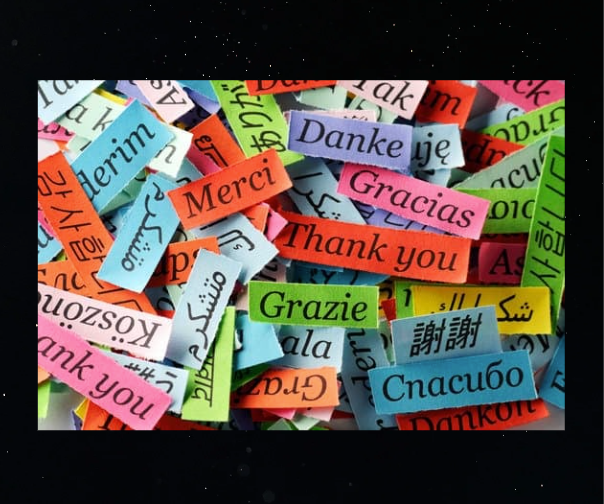
Gratitude is a powerful and transformative attitude that can have a profound impact on our lives. Teaching children the importance of gratitude from a young age not only helps them develop a positive outlook on life but also equips them with essential skills for building strong relationships, enhancing empathy, and fostering resilience. This article will explore the significant benefits of cultivating gratitude in children and provide practical tips for fostering this essential virtue.
The Importance of Gratitude:
Gratitude is more than just saying "thank you" – it is a mindset that allows us to appreciate the good in our lives, no matter how small. For children, learning to be grateful involves acknowledging the kindness of others, recognizing their own blessings, and expressing appreciation for the simple joys that surround them. By cultivating gratitude, children can develop a sense of contentment, perspective, and empathy that will serve them well throughout their lives.
Benefits of Gratitude for Children:
1. Improved Mental Health: Gratitude has been linked to lower levels of stress, anxiety, and depression. By focusing on the positive aspects of their lives, children can cultivate a sense of well-being and resilience that helps them navigate challenges with a more positive attitude.
2. Stronger Relationships: Grateful children are more likely to exhibit empathy, kindness, and generosity towards others. By teaching children to be thankful for the support and love they receive, we can help them build stronger and more meaningful relationships with family, friends, and peers.
3. Enhanced Academic Performance: Research has shown that grateful children tend to have a more positive attitude towards learning and are better able to persevere through challenges. By fostering gratitude, parents and educators can help children develop a growth mindset that promotes academic success.
Practical Tips for Fostering Gratitude in Children:
1. Lead by Example: Children learn best through observation, so make gratitude a regular part of your daily routine. Express appreciation for the little things in life and model a positive attitude towards challenges and setbacks.
2. Encourage Gratitude Practices: Encourage children to keep a gratitude journal where they can write down three things they are thankful for each day. This simple practice can help children focus on the positive aspects of their lives and cultivate a thankful mindset.
3. Practice Acts of Kindness: Teach children the joy of giving by engaging in acts of kindness together, such as volunteering at a local charity or helping a neighbor in need.
By showing children the impact of their actions on others, we can help them develop a sense of empathy and gratitude. Publications like my newly published, Gratitude Grace, available at http://www.louisamastro.com, can also be used to inspire young minds to be grateful for all that they experience.
Gratitude is a powerful virtue that has the potential to transform the way children perceive the world around them. By teaching children to be grateful for the blessings in their lives, we can help them develop a positive attitude, build stronger relationships, and navigate life's challenges with resilience and empathy. By fostering gratitude in children, we are not only equipping them with essential life skills but also nurturing their emotional well-being and overall happiness. Let us empower our children to embrace the power of gratitude and cultivate a mindset of thankfulness that will enrich their lives for years to come.

Expand Your Writing Network: Top X Communities, LinkedIn & Facebook Groups for Writers and Authors
Are you a writer or author looking to expand your network, find inspiration, and discover new opportunities? In the digital age, connecting with like-minded individuals and industry professionals has never been easier. We've curated essential resources from two reputable websites, bookblastboost.com and writezenith.com, guiding you to the top LinkedIn and Facebook groups where you can connect, learn, and grow.
1. LinkedIn: A Professional Haven for Writers & Authors
LinkedIn, known for its professional networking prowess, offers a goldmine of groups tailored for writers and authors. The article "Top Six LinkedIn Groups for Writers & Authors" on bookblastboost.com is your gateway to these elite communities. Whether you're seeking advice on publishing, looking for writing tips, or aiming to network with industry professionals, these LinkedIn groups provide a platform to engage with peers and experts alike.
Explore these top-rated groups by visiting: Top Six LinkedIn Groups for Writers & Authors. https://bookblastboost.com/article/top-six-linkedin-groups-for-writers-authors
2. Facebook: A Diverse Community for Creative Minds
On the other hand, Facebook's more casual and diverse environment hosts a variety of groups where writers and authors can share their work, seek feedback, and connect with fellow creatives. The article "Unlocking 29 Opportunities: Promote Your Book with These Elite Facebook Groups!" on writezenith.com introduces you to 29 vibrant communities. These groups cater to different genres, writing stages, and promotional needs, ensuring there's a spot for every writer.
Join these dynamic groups by visiting: Unlocking 29 Opportunities: Promote Your Book with These Elite Facebook Groups! https://writezenith.com/article/join-a-writers-community
3. The Power of X Communities for Authors
This comprehensive guide on LitLinc.com delves into 18 X communities, each offering unique opportunities for authors. From genre-specific groups to general author networks, these communities provide platforms for promotion, support, and collaboration. Whether you're a seasoned author or just starting out, these X communities can be pivotal in expanding your online presence.
Discover these vibrant communities by visiting: Mastering the Tweet: 18 X Communities for Authors and Book Promotion. https://litlinc.com/article/18-twitter-communities-authors
Why Join These Groups?
- Networking Opportunities: Connect with peers, mentors, and industry leaders.
- Resource Sharing: Access a wealth of information, from writing tips to marketing strategies.
- Feedback and Support: Engage in constructive discussions and receive feedback on your work.
- Promotional Platforms: Find new avenues to promote your writing and reach wider audiences.
X offers a world of possibilities for authors looking to enhance their online presence and promote their work. By joining the communities highlighted in LitLinc.com's article, you can unlock the potential of X and make meaningful connections in the literary world.
Both LinkedIn and Facebook groups offer unique advantages and environments. By joining these recommended groups, you can significantly enhance your writing journey, gain valuable insights, and make lasting connections in the literary world.
Take advantage of this opportunity to be part of vibrant, supportive communities that can propel your writing career forward. Visit bookblastboost.com, Litlinc.com, and writezenith.com today, and start exploring the best LinkedIn, X, and Facebook groups/communities for writers and authors!
Expanding Horizons: How LinkedIn, Facebook, and X Communities Empower Writers and Authors to Reach a Global Audience
In the ever-evolving landscape of book publishing and promotion, harnessing the power of social media platforms like LinkedIn, Facebook, and X has become essential for authors aiming to broaden their reach. These platforms offer unique communities where writers can connect, share, and promote their work to a global audience. Let's explore how these varied platforms help authors break geographical barriers and reach readers worldwide.
1. LinkedIn: The Professional Networking Powerhouse
LinkedIn, known for its professional network, is a valuable tool for authors to establish credibility and engage with industry professionals, including publishers, literary agents, and fellow authors. LinkedIn groups provide a space for sharing industry knowledge, discussing writing techniques, and promoting new releases. By connecting with professionals across the globe, authors can gain insights into different markets and expand their professional network, which is instrumental in securing global publishing deals and collaborations.
2. Facebook: The Community-Centric Giant
Facebook's diverse and vast user base offers authors a more casual platform to connect with readers and other writers. The platform's groups cater to various genres and interests, allowing authors to target specific reader demographics. Authors can participate in discussions, host live Q&A sessions, and share excerpts and updates about their books. By engaging with these communities, authors can build a loyal following, receive real-time feedback, and increase visibility, ultimately driving book sales across different regions.
3. X: The Dynamic and Interactive Platform
X communities, with their interactive and fast-paced nature, provide a unique avenue for authors to engage in real-time discussions, share bite-sized content, and participate in trending literary conversations. These communities are often frequented by avid readers, literary influencers, and industry professionals, offering authors the chance to promote their books directly to their target audience. The use of hashtags and participation in literary trends on X can significantly increase a book's visibility and appeal to a global audience.
The Combined Impact on Global Book Promotion
- Increased Visibility: By engaging with these diverse platforms, authors can increase the visibility of their books across different demographics and regions.
- Networking Opportunities: These platforms facilitate connections with industry professionals, influencers, and potential collaborators worldwide.
- Targeted Promotion: Authors can tailor their promotional strategies to specific groups and communities, ensuring their book reaches the most relevant audience.
- Feedback and Adaptation: Interacting with a global audience allows authors to gather diverse feedback, enabling them to adapt their writing and marketing strategies to suit different cultural contexts.
The combined power of LinkedIn, Facebook, and X communities offers a multifaceted approach for authors to promote their books globally. By leveraging the unique strengths of each platform, authors can effectively expand their reach, connect with readers worldwide, and achieve greater success in the global literary market.
For authors looking to take their book promotion to a global scale, embracing these platforms and their communities is not just a strategy, it's a necessity in today's digitally connected world.