

#Publishing
Writing Eye‑Catching Amazon Descriptions and Using Long‑Tail Keywords to Unlock Hidden Categories: A Guide for New Authors
Writing Eye‑Catching Amazon Descriptions and Using Long‑Tail Keywords to Unlock Hidden Categories: A Guide for New Authors
Chuck Morgan, Crime fiction Author
If you’re a new author stepping into the Amazon ecosystem, you’re entering the largest, most competitive bookstore in the world. Millions of titles. Thousands of new releases every day. Endless noise. And yet, authors break through every single week. Not because they’re lucky, not because they know someone on the inside, but because they understand how Amazon works and how to position their book so readers can find it.
Two of the most powerful tools at your disposal are:
1. An interesting, conversion‑driven Amazon description, and
2. Strategic long‑tail keywords that unlock hidden categories and niche browse paths.
Most new authors underestimate both. They treat the description like an afterthought and the keywords like a chore. But if you want visibility, discoverability, and sales, these two elements are non‑negotiable. They’re your storefront. Your pitch. Your algorithmic handshake with Amazon.
This article breaks down how to write descriptions that stop the scroll, how to use long‑tail keywords the way Amazon’s algorithm prefers, and how to position your book so it lands in the right categories, especially the hidden ones that most authors never even know exist.
Why Your Amazon Description Matters More Than You Think
Readers don’t buy books; they buy promises.
A promise of escape. A promise of tension. A promise of knowledge. A promise of transformation.
Your Amazon description is where you articulate that promise.
On Amazon, your description has three jobs:
1. Hook the reader emotionally
2. Communicate the core experience of your book
3. Convert curiosity into a purchase
If your description fails at any of these, the reader clicks away. And Amazon notices. Low conversion signals tell the algorithm your book isn’t satisfying customer intent, which pushes you down in rankings and reduces your visibility.
A strong description increases your click‑through rate, boosts conversions, and sends positive signals to Amazon’s recommendation engine. That’s how books start appearing in “Customers Also Bought,” “Recommended for You,” and “Trending Near You.”
The Anatomy of an Eye‑Catching Amazon Description
A high‑performing description usually follows a structure that mirrors the psychology of online shoppers. Here’s the breakdown:
1. The Hook (1–3 sentences)
This is your opening punch. It must be emotional, cinematic, or curiosity‑driven. Think of it like the first line of a thriller: it needs to grab the reader by the collar.
Examples of powerful hooks:
· A detective with everything to lose. A paradise with everything to hide.
· When the truth surfaces, someone always pays the price.
· She thought she had left her past behind. The past disagreed.
Your hook should feel like the heartbeat of your book distilled into a single moment of tension.
2. The Story Setup (1–2 brief paragraphs)
This is where you introduce:
· The protagonist
· The central conflict
· The stakes
· The emotional tone
Keep it tight. Keep it visual. Keep it focused on the reader’s experience, not a plot summary.
Readers don’t want a synopsis—they want a promise of the journey.
3. The Escalation (1 paragraph)
This is where you raise the stakes. What’s the ticking clock? What’s the danger? What’s the emotional cost?
This section should make the reader feel the tension rising.
4. The Genre Signal (1–2 sentences)
Amazon’s algorithm and your readers both need clarity. Tell them what kind of book this is.
Examples:
· Perfect for fans of gritty police procedurals and island‑noir thrillers.
· A fast‑paced medical thriller with emotional depth and relentless suspense.
This helps Amazon map your book to the right audience.
5. The Bullet Points (3–6 bullets)
Bullets are essential. They break up the text, increase readability, and highlight selling points. They also allow you to incorporate long‑tail keywords without sounding robotic.
Examples:
· A strong female detective navigating corruption, culture, and deadly secrets
· A tropical noir setting where paradise hides a criminal underworld
· A high‑stakes investigation that blends procedural detail with emotional depth
· A character‑driven thriller for fans of atmospheric, slow‑burn suspense
Bullets should reinforce the book’s identity and appeal.
6. The Call to Action (1–2 sentences)
Never end passively. Tell the reader what to do.
Examples:
· Dive into the first book of this gripping new series today.
· Perfect for fans of crime fiction—start reading now.
A clear CTA increases conversions.
Why Long‑Tail Keywords Matter More Than Short Ones?
Most new authors make the same mistake: they use short, generic keywords like “thriller,” “mystery,” or “romance.”
These are useless.
Amazon’s algorithm doesn’t need you to tell it your book is a thriller. It already knows—from your categories, your cover, your metadata, your Look Inside, your reviews, and your description.
What Amazon needs is context.
Long‑tail keywords provide that context.
A long‑tail keyword is a natural‑language phrase that reflects:
· Subgenre
· Setting
· Character type
· Plot mechanics
· Emotional tone
· Reader intent
Examples:
· tropical crime thriller detective investigates resort break-ins Hawaii
· female detective police procedural uncovering corruption in paradise
· organized crime conspiracy thriller with a strong heroine
· island noir mystery with cultural depth and atmospheric suspense
These phrases do three things:
1. Help Amazon map your book to niche categories
2. Match your book to specific reader search queries
3. Signal the algorithm which audience is most likely to buy
Short keywords are broad. Long‑tail keywords are precise. Precision gets you discovered.
How Long‑Tail Keywords Unlock Hidden Categories
Amazon has thousands of categories, but only a fraction are visible in the public browse tree. The rest are “hidden” or “suppressed”—meaning you can’t select them manually, but Amazon will place you in them if your metadata signals match.
Examples of hidden categories include:
· International Mystery & Crime > Island Noir
· Police Procedurals > Female Detectives
· Crime Thrillers > Organized Crime
· Suspense > Cultural & Regional Crime Fiction
You can’t choose these directly. But you can trigger them.
How?
By using long‑tail keyword sequences that reflect the exact attributes Amazon associates with those categories.
For example:
· tropical crime thriller detective investigates resort break-ins Hawaii
· → Signals Island Noir + Crime Thriller + Police Procedural
· female detective uncovering corruption high-stakes investigation
· → Signals Female Detectives + Police Procedural
· organized crime conspiracy thriller dangerous underworld secrets
· → Signals Organized Crime + Conspiracy Thriller
Amazon’s algorithm reads these sequences, compares them to reader behavior patterns, and maps your book to the categories where similar books perform well.
This is how you land in niche categories with lower competition and higher visibility.
Where to Use Long‑Tail Keywords
You have several strategic locations:
1. Backend Keywords (KDP Dashboard)
You get seven slots. Use natural‑language phrases, not single words. No commas. No repeats of title/author/series words.
2. Amazon Description (Bullets + Body)
Use them sparingly and naturally. Amazon reads your description for context.
3. A+ Content
Amazon scans this too. Use genre‑specific phrasing.
4. Ads (Amazon Ads / Meta / Google)
Long‑tail keywords make your ads more targeted and cheaper.
5. Author Website & Shopify Store
Consistency across platforms strengthens your SEO footprint.
How to Craft Effective Long‑Tail Keyword Sequences
A strong long‑tail keyword sequence should include:
· A genre signal (crime thriller, cozy mystery, medical suspense)
· A character type (female detective, retired cop, forensic pathologist)
· A plot mechanic (break‑ins, conspiracy, missing persons, cold case)
· A setting (Hawaii, small town, New Orleans, Arctic research station)
· An emotional tone (gritty, atmospheric, fast‑paced, character‑driven)
Example formula:
[Setting] + [Character] + [Plot Mechanic] + [Genre] + [Emotional Tone]
Examples:
· Hawaii female detective investigating resort break-ins tropical crime thriller gritty suspense
· small-town sheriff uncovering buried secrets slow-burn mystery atmospheric tension
These read like natural search queries—and that’s exactly what Amazon wants.
Putting It All Together: Description + Keywords + Categories
When your description and keywords work together, you create a unified signal that tells Amazon:
· What your book is
· Who it’s for
· Which categories it belongs in
· Which readers are most likely to buy
This alignment unlocks hidden categories and improves your ranking.
For example:
· Your description highlights a female detective in a tropical noir setting.
· Your bullets reinforce organized crime, cultural depth, and high‑stakes investigation.
· Your backend keywords include long‑tail sequences matching those elements.
Amazon sees the pattern.
Amazon maps you to the right readers.
Amazon places you in the right categories.
Your visibility increases.
Your conversions improve.
Your book climbs.
Final Thoughts: Your Description and Keywords Are Your First Real Marketing Tools
New authors often focus on the wrong things—social media, giveaways, ads—before they’ve nailed the fundamentals. But none of those matter if your Amazon listing isn’t optimized.
· Your description is your pitch.
· Your keywords are your map.
· Your categories are your battlefield.
Master these, and you give your book the best possible chance to break through the noise.
https://chuckmorganbooks.com
Why Do Some Fiction Book Covers Feel Timeless While Others Fade Quickly?
Why Do Some Fiction Book Covers Feel Timeless While Others Fade Quickly?
Chuck Morgan, Crime Fiction Author
There's a blend of design choices and cultural context that determine longevity, and you can learn to spot them: enduring covers use clear, restrained typography, balanced composition, and symbols that tap universal themes rather than fleeting trends; your eye also responds to durable production and flexible branding that translate across formats and decades, so timelessness is both aesthetic and strategic.
Design fundamentals that age well
You rely on a handful of durable choices to keep a cover from dating itself: a restrained 2-3 color palette, a strong typographic hierarchy, and a clear grid based on common trade sizes (5"×8" or 6"×9"). Historical examples-Penguin's orange fiction block since 1935 and Faber & Faber's typographic simplicity-show how consistent systems outlast trends. Favor scalable elements, avoid trendy textures, and design so the cover reads at thumbnail and full scale.
Composition, proportion, and the power of restraint
You create longevity by placing focal elements on established anchors: the rule of thirds or golden ratio (~1.618) guides eye flow and makes covers feel balanced. Use a 4-6 column grid, keep outside margins roughly 0.5-0.75", and let negative space breathe around type and imagery. Designers who pare back competing elements; single focal image and one dominant type block, generate covers that stay readable and relevant across formats and decades.
Timeless typography and enduring color systems
You pick typefaces with pedigrees-Garamond, Bembo, Baskerville for serifs; Helvetica, Univers, Frutiger for sans-then limit families to one display and one text style. Adopt a 2-3 color system and prefer Pantone spot inks when you need consistent print matches; CMYK works for mass trade but can mute saturated hues. Those choices give your cover reproducible, legible identity from jacket to ebook thumbnail.
You fine-tune further by pairing typefaces for contrast (large display at 48-72 pt on jacket fronts with secondary at 18-24 pt), applying optical kerning, and considering x-height for legibility at small sizes. Stick to two weights per family, use spot color for a single pop when possible, and study case studies like Chip Kidd’s 1990s covers-bold display type plus minimal imagery-to see how restraint and precise type work together to create lasting recognition.
Imagery and symbolism
Evocative, archetypal imagery versus trendy literalism
You react faster to archetypal images-eyes, keys, maps, a single weathered object because they condense theme into a memorable emblem. F. Scott Fitzgerald’s 1925 cover art (Francis Cugat’s “celestial eyes”) is a textbook example of an enduring motif. Many 2000s-2010s covers that leaned on literal photography or topical props, especially in YA, often date within five years as fashion and photo styles change, leaving you with a cover that feels of-the-moment rather than timeless.
Cultural specificity, universality, and iconography
You judge iconography by how a symbol travels: crowns and clocks usually read globally, while region-specific motifs-Andean textiles, Japanese ukiyo-e references, West African adinkra, anchor a cover to a place and audience. Editions of One Hundred Years of Solitude, for example, show wildly different visual vocabularies across Latin America, Europe and the U.S., which helps local resonance but can fragment a book’s global visual identity.
You should weigh color and symbol meanings when aiming for longevity: white signals purity in many Western markets but mourning in parts of East Asia, red can mean danger, luck or romance depending on culture, and pictorial metaphors translate unevenly. Test iconography across target markets; prefer scaled-back symbols that adapt to typography; and use a distinctive motif-one visual element that can be resized or recolored-to maintain recognition across editions and decades.
Production and material longevity
Manufacturing choices determine whether your copy will look decades old or freshly discarded; acid-free, lignin-free papers and Smyth-sewn bindings are proven to last 100-500 years in archival conditions, while cheap perfect binding and low-weight filler paper (50-70 gsm) start failing in 10-20 years. You’ll notice publishers like Folio Society and Penguin Deluxe invest in 120-160 gsm endpapers, 300-350 gsm cover boards and PUR adhesive to keep spines intact through heavy use.
Paper, printing techniques and finishes that endure
Archival 100% cotton or alkaline-buffered papers resist yellowing and can outlive wood-pulp stocks by centuries; interior text typically reads best at 70-90 gsm, but you’ll find durability jumps with 90-120 gsm grades. Offset lithography delivers consistent ink laydown for long runs, while digital suits short runs with variable data; finishes such as aqueous coatings, matt-laminate and hot-foil stamping protect covers-aqueous resists abrasion, matt preserves tones, and foil adds durability to lettering.
Reissues, dust jackets, and how physical care preserves relevance
Reissues often pair refreshed jacket art with upgraded materials-clothbound editions, slipcases and sewn signatures-to keep the book physically and visually relevant. Store jackets in archival polyester (Mylar) sleeves, keep humidity at 40-50% RH and temperature around 18-22°C, and place books upright with gentle bookends to avoid spine creep. Libraries and collectors use slipcases and periodic condition checks to extend both life and resale value.
When publishers mark anniversaries, they frequently upgrade production: 50th- or 100th-anniversary editions commonly include heavier cover boards, sewn binding, and archival paper, which you’ll see in limited runs from houses like Vintage and the Folio Society. For your own copies, use pH-neutral boxes or silica-gel packs to stabilize microclimates, avoid direct sunlight that fades inks in weeks to months, and handle spines with a cradle or your hands at the boards rather than forcing open the joint-small habits add decades to a book’s usable life.
Market dynamics and trend cycles
Short promotional windows, retailer merchandizing rules and cultural fashions conspire to make covers move fast: publishers concentrate marketing spend into 6-12 week launch cycles, retailers rotate front-of-store displays monthly, and social platforms like BookTok have vaulted titles such as The Song of Achilles back onto bestseller lists within days. You feel these forces as visible churn-one season’s neon gradients and serif-minimalism give way to the next aesthetic as attention and shelf space get redistributed.
How marketing, retail and fashion drive rapid turnover
Marketing teams chase visibility, so you’ll see covers redesigned to match current ad assets, influencer aesthetics and retail planograms; that alignment boosts conversion but shortens a look’s lifespan. Trade retailers favor bold, category-signaling designs on endcaps, while indie stores rotate themed tables by month, and fast-fashion cycles borrowed from apparel cause genre palettes-pastel romcoms, dark thriller matte blacks-to surge and fade within a single selling season.
Publisher strategy, series branding and backlist stewardship
When you manage a series or backlist, consistent spine treatments and logo treatments create discoverability that outlasts trends-Penguin Classics and many long-running fantasy series use uniform spines so readers can spot collections at a glance. You’ll also see publishers time reissues and new jackets to media tie-ins, anniversaries or awards, turning one-off marketing spikes into sustained sales for older titles.
You can extend a title’s lifespan by employing tiered editions, staggered reprints and coordinated campaigns: issue a trade paperback, follow with a mass-market or illustrated edition, and schedule a boxed set or anniversary slipcase around a film/TV release. Targeted pricing, placement in backlist-focused catalogs, and partnerships with book clubs or subscription boxes often multiply visibility-HarperCollins and Penguin regularly use these levers to convert single spikes into multi-year backlist revenue.
Reader perception and cultural context
You often read covers through cultural filters: Penguin’s orange fiction launched in 1935 still signals “classic” to many, while film tie-ins like The Hunger Games (2012) or Gone Girl (2014) shifted expectations toward cinematic imagery. Designers, marketing and major adaptations nudge your sense of what feels durable; when a book is repeatedly reissued, its visual language gets reinforced across bookstores, libraries and online thumbnails, which you interpret as either timeless coherence or a dated trend depending on the era and exposure.
Nostalgia, memory, and the role of collective taste
You respond strongly to nostalgia because it ties cover cues to personal and collective memories: mid-century paperbacks with Futura or Bodoni type, chipboard spines and limited palettes evoke 1950s-60s reading habits. Collectors pay hundreds or thousands for certain 1950s first editions, and designers like Chip Kidd (Jurassic Park, 1990) have created images that tap retro sensibilities. That shared memory network helps your preferences merge into a taste for “retro” or “timeless” aesthetics.
Critical reputation, awards and canonization effects
You perceive covers differently once critics and awards endorse a work: Booker, Pulitzer, Nobel or National Book Award winners often see backlist sales rise by hundreds of percent and are reissued with sober, enduring designs. Arundhati Roy’s 1997 Booker win and Kazuo Ishiguro’s 2017 Nobel illustrate how prizes amplify visibility and push publishers to present books as lasting cultural artifacts, which changes how you and the market treat their covers.
You can see publishers’ playbook after a prize: they add laurels, commission restrained typography and fold a book into a series-Penguin Modern Classics or Norton Critical Editions-so instructors, libraries and collectors accept a stable look. Course adoptions alone can move thousands of copies and lock a cover into academic circulation. Practical outcomes include uniform spines for shelf presence, larger type for longevity, and marketing that converts a temporary hit into a canonical-looking object you’re likelier to trust and keep.
Practical lessons for designers and publishers
Treat your covers as product systems: build a repeatable typography and color language (Penguin’s tri-band system from 1935 shows how a simple device endures), A/B test thumbnails because small image variants can shift click-through by double-digit percentages, and align cover choices with marketing windows and print specs so spine and trim communicate on-shelf and online.
Case examples: covers that stayed relevant versus those that dated quickly
You can study Francis Cugat’s 1925 artwork for The Great Gatsby and Harper Lee’s recurrent tree motif-both motifs persisted across reissues for decades-against 1980s airbrushed airport-thriller paperbacks and some 2010s white-minimalist trends that often looked tired within 5-7 years, showing how iconic imagery and clear systems outlast trendy stock-photo aesthetics.
Guidelines for creating an enduring fiction cover
Prioritize legibility at thumbnail size (ensure title reads at ~100 px wide), limit palettes to two or three dominant colors, establish a strong typographic hierarchy, design modular elements for variants and translations, and avoid overtly trendy textures or fonts so your cover reads coherently across formats and years.
Operationalize those guidelines by producing a small asset system: a thumbnail-focused layout, a full-cover layout, and a scalable vector title; define contrast targets (WCAG 4.5:1 for body-level text), specify final print dimensions (e.g., 6×9" at 300 DPI → 1800×2700 px), and version three tested thumbnails before committing to wide print runs.
Conclusion
The lasting appeal of some fiction covers comes from simplicity, strong typography, and imagery that taps archetypal themes so your cultural associations endure, while trend-driven designs rely on dated motifs, faddish color palettes, or overworked details that quickly age; when you evaluate or commission a cover, prioritize clarity of concept, material quality, and a visual restraint that serves the story, because those choices help your book feel relevant across generations.
How Can Self-Published Authors Effectively Market Their Fiction eBooks?
How Can Self-Published Authors Effectively Market Their Fiction eBooks?
Chuck Morgan, Crime Fiction Author
With the landscape of publishing constantly growing, you have a wealth of opportunities to market your fiction eBooks successfully. Navigating this dynamic environment can seem daunting, but with the right strategies, you can reach a broader audience and boost your sales. This blog post will provide you with practical tips and techniques that empower you to promote your work effectively, build an engaged reader base, and establish your presence in the competitive world of self-publishing.
Understanding Your Target Audience
Before plunging into marketing strategies, it’s vital to understand your target audience. Knowing who will read your fiction ebook will help you tailor your marketing efforts and create content that resonates with potential readers. This awareness informs your promotional choices, the platforms you use, and how you engage with your audience. By taking the time to identify your readers, you can effectively connect with the right people and drive interest in your work.
Identifying Your Genre
Among the first steps in understanding your target audience is identifying the genre of your ebook. Whether it’s romance, fantasy, or science fiction, each genre has its distinct audience. By pinpointing your genre, you can better understand the expectations and preferences of your readers, shaping your marketing strategy to appeal specifically to them.
Creating Reader Personas
For effective marketing, creating reader personas is key to understanding your audience's motivations and preferences. Reader personas represent fictional profiles of your ideal readers, including their demographics, interests, and reading habits. By developing these personas, you can gain insights into how to reach and engage your audience, tailoring your messaging and promotional tactics to meet their needs.
Another important aspect of creating reader personas is gathering data about your existing readership. This can involve analyzing feedback from readers, reviews, and social media interactions. You can refine your reader personas by considering factors such as age, profession, and lifestyle. As a result, you’ll be better equipped to craft marketing strategies that resonate, ultimately leading to stronger connections with your audience and increased sales for your ebook.
Building an Author Platform
It is necessary for self-published authors to create a strong author platform, as it serves as the foundation for their marketing efforts. This platform not only helps you connect with potential readers but also establishes your credibility and authority as a writer. By engaging actively with your audience and showcasing your work, you can foster lasting relationships that will benefit your book sales and overall career growth.
Establishing a Professional Website
Across the digital landscape, having a professional website is paramount for self-published authors aspiring to market their fiction eBooks. Your website acts as a central hub for your brand, providing readers with information about your books, upcoming events, and ways to connect with you. Ensure your website has a clean design, easy navigation, and optimized content to attract and keep visitors.
Leveraging Social Media
One of the most effective ways to engage with your audience is through social media platforms. These channels allow you to share updates, insights into your writing process, and interact with potential readers. By curating a consistent and authentic presence, you can broaden your reach and build a loyal follower base who are invested in your literary journey.
Websites and social media should work in tandem to amplify your author platform. Use your website to house your content and direct traffic from social media to further engage potential readers. Create captivating posts that not only share your book-related news but also provide valuable insights, behind-the-scenes content, and personal anecdotes. This method fosters a sense of community and encourages interactions that can lead to genuine interest in your work.
Using Online Marketplaces
One of the most effective ways to reach your audience is by leveraging online marketplaces where readers actively seek new titles. Platforms like Amazon Kindle Direct Publishing, Apple Books, and Kobo can vastly expand your book's visibility. By tapping into their extensive user bases, you can engage with potential readers and enhance your sales potential through well-placed listings. Tailoring your marketing strategies to these platforms can significantly improve your success as a self-published author.
Choosing the Right Retailers
Of the various online marketplaces available, it's vital to choose the ones that align with your target audience. Research the demographics and reading habits of each platform to determine where your specific genre thrives. For instance, Amazon may be ideal for fiction, whereas niche genres could find a better home on specialized sites. Your choice of retailer can influence your sales, so take the time to evaluate your options.
Optimizing Your Book Listings
Across all online marketplaces, optimizing your book listings is key to attracting readers. Ensure your book title, subtitle, and description are engaging, concise, and filled with relevant keywords. High-quality cover images and informative blurbs can catch potential buyers' attention. Engaging in regular updates and considering reader feedback can improve your listing's performance.
And to further enhance your book listings, focus on utilizing reader reviews and ratings to build credibility. Encourage readers to leave feedback, as positive reviews can influence others’ purchasing decisions. Use social media and mailing lists to promote your book's availability, driving traffic directly to your listings. Consider incorporating promotional pricing or limited-time offers to reward early sales and boost visibility on these platforms.
Generating Buzz Through Reviews
For self-published authors, generating buzz through book reviews can be a powerful tool in marketing their fiction eBooks. Reviews not only help establish credibility but also create an opportunity for readers to discover your work. Fostering positive reviews contributes to increased visibility and may encourage potential readers to choose your book over others.
The Importance of Book Reviews
By gathering reviews, you enhance your book's reputation while providing social proof to potential readers. Quality reviews help shape perceptions and can play a significant role in a reader's decision-making process. They signal to readers that your work is worth their time and investment.
Strategies for Obtaining Reviews
Importance lies in actively seeking reviews for your ebook. One effective strategy is to connect with book bloggers and reviewers who align with your genre. Engaging with your target audience through social media can also increase the likelihood of obtaining organic reviews. Consider offering free copies of your book in exchange for an honest review to generate initial feedback and build momentum.
It’s beneficial to create a list of potential reviewers, from book bloggers to influencers in your genre. Reach out with a personalized message explaining why your ebook would resonate with their audience. Use social media platforms and author communities to promote your book and invite readers to leave reviews. Consider incorporating a call to action within your book, encouraging readers to share their thoughts online. This proactive approach will foster a community of readers eager to support and review your work, ultimately driving buzz around your ebook.
Engaging with Reader Communities
Keep in mind that connecting with reader communities can significantly amplify your eBook's visibility. By actively engaging with these groups, you can create lasting relationships with potential readers who are passionate about your genre. Use social media platforms, local events, and online forums to immerse yourself in these communities, making it easier for your work to reach an enthusiastic audience.
Taking part in Book Clubs
Below are some practical tips for participating in book clubs to promote your work. Consider reaching out to local book clubs or joining online groups that focus on your genre. Offer to attend meetings as a guest author, facilitating discussions about your ebook. Providing a free copy for members can spark interest and generate buzz as they share their thoughts about your writing.
Using Forums and Online Groups
One effective method for increasing engagement is to tap into forums and online groups dedicated to books and writing. These platforms are filled with potential readers and fellow authors who are eager to discuss your genre.
Taking part in forums and online groups not only allows you to showcase your expertise but also fosters a sense of community. By sharing insights about your writing process and answering questions, you can build trust and rapport with group members. Engaging in meaningful conversations elevates your visibility, creating a genuine interest in your ebook. Be sure to contribute valuable content rather than overtly promoting your work, as this authentic approach will leave a positive impression and encourage readers to seek your writing.
Creating a Launch Strategy
Now that your ebook is ready, it’s time to define a launch strategy that maximizes your reach and engagement. Establishing a simple plan allows you to create a buzz around your book, ensuring that your audience is excited and informed on launch day. Your strategy should involve several phases, including pre-launch promotions to build anticipation and effective launch day tactics to maintain momentum. By organizing your approach, you can significantly increase your chances of a successful launch.
Pre-Launch Promotions
By implementing pre-launch promotions, you can create anticipation and excitement around your ebook. Consider running giveaways, offering advance review copies, or engaging in social media campaigns that highlight snippets of your work. You can also leverage your email list to share exclusive content and updates, helping to warm up your audience before the official release. These strategies not only generate buzz but also lay the groundwork for a more successful launch.
Launch Day Tactics
The day of your ebook launch is when all your preparation comes to fruition. You should be actively promoting your book across all your marketing channels, including social media, email newsletters, and your author website. Engage with readers by hosting a virtual event or live Q&A session, which can foster a sense of community and encourage instant purchases. Consider timing your promotions strategically, such as pricing your ebook at a discount for launch day only, to entice readers to click that buy button.
Strategy plays a vital role in your launch day tactics. You should focus on maximizing visibility by scheduling social media posts throughout the day, ensuring that your book is frequently in your followers' feeds. Encourage reviews and shares as they can influence potential readers’ decisions. Reaching out to book bloggers and influencers for potential features can enhance your visibility. Tracking engagement metrics on launch day will also provide insight into what resonates with your audience, allowing you to adjust your promotional strategies in real-time and foster ongoing interest in your ebook.
To wrap up
Summing up, effectively marketing your self-published fiction eBooks requires a multifaceted approach. You should leverage social media platforms to build a community around your work, engage in author collaborations, and optimize your book listings for search visibility. Consider using email newsletters to maintain direct communication with your readers. Investing time in online book promotion services and seeking honest reviews can significantly boost your visibility. By actively applying these strategies, you can enhance your outreach and connect with potential readers more effectively.
https://chuckmorganbooks.com

The Crucial Role of Beta Readers in Indie Publishing
The Crucial Role of Beta Readers in Indie Publishing
Chuck Morgan, Crime Fiction Author
In the competitive realm of indie publishing, beta readers serve as invaluable allies who provide insights that can significantly enhance the quality of your manuscript. Their feedback not only helps uncover plot inconsistencies or character development issues but also ensures that your story resonates with your target audience. By incorporating their perspectives, you can refine your work before it reaches a wider readership, ultimately increasing your chances of success in a crowded marketplace.
Defining the Beta Reader's Influence
Beta readers hold a unique position as the first audience for your manuscript, providing honest critiques that directly affect your narrative's effectiveness. Their opinions on pacing, character relatability, and emotional impact can guide you in making vital revisions that enhance the reader's experience. Their feedback creates a bridge between your creative intentions and the audience’s reception, transforming your manuscript into a more polished final product.
Distinguishing Beta Readers from Other Editorial Roles
While several editorial roles contribute to the publishing process, beta readers offer a distinct perspective that differentiates them from professional editors. Unlike developmental or copy editors who focus on technical aspects like grammar and structure, beta readers engage with your story as ordinary readers, critiquing it from a subjective standpoint. Their insights into reader engagement and emotional connection are often absent from more formal editorial feedback.
This distinction is vital for authors seeking to understand their audience's perspective. Beta readers emphasize the emotional journey and narrative flow, while editors target structural and grammatical precision. For example, a beta reader might highlight a character's lack of relatability, prompting a rewrite or deeper backstory to enhance connection, whereas a copy editor would merely correct punctuation errors. Understanding this difference allows you to use feedback from beta readers to refine not just the craft of your writing but also the heart of your storytelling.
The Art of Constructive Feedback
Effective feedback can enhance the author's work while preserving their vision. Think of it as a partnership; your role isn't to rewrite their story but to illuminate areas of improvement. Begin with observations about what works, followed by specific suggestions for growth. This balanced approach not only maintains the author's confidence but also fosters a productive dialogue that strengthens the narrative. Be conscious of their emotional investment in the work and aim for clarity and support throughout your feedback process.
Techniques for Delivering Impactful Insights
Use the "sandwich" method, where you enclose constructive criticism between two positive remarks. This technique softens the blow of criticism while allowing you to provide clarity on what needs improvement. Be specific about your observations, using examples from the text to illustrate your points. Incorporate actionable suggestions that the author can easily implement, making them feel empowered rather than discouraged. Highlighting not just the 'what' but the 'why' can deepen their understanding and appreciation for your insights.
Navigating Sensitive Conversations with Authors
Addressing sensitive subjects in writing requires tact and empathy. Acknowledge the author's hard work and emotional investment in their story before exploring constructive feedback. Approach different perspectives with care, framing your criticism in a way that sparks discussion rather than defensiveness. Share your thoughts as personal opinions rather than absolute truths, fostering an environment of trust and open dialogue.
Building rapport can significantly ease the tension during these conversations. Use phrases like “I felt…” or “This section made me think…” to create a space where the author feels safe and understood. By validating their strengths first, you encourage a receptive mindset for your insights. Offer alternative viewpoints as collaborative brainstorming rather than unsolicited changes, reinforcing that you're on the same team working toward a shared goal—their story's success. This supportive approach can transform potentially challenging discussions into fruitful exchanges that elevate the narrative without stifling the author's creative voice.
Bridging the Gap Between Writer and Reader
Engaging beta readers helps you uncover the nuanced relationship between your narrative and its audience. By exposing your manuscript to fresh perspectives, you gain insight into the themes and emotions that resonate, enabling you to refine your work further. This interaction fosters a necessary dialogue that influences not only your writing style but also the depth of your characters and plotlines.
Cultivating Empathy Through Reader Experience
Empathy is a vital component of storytelling. By understanding how beta readers connect with your characters and their journeys, you can develop richer emotional landscapes. Their feedback highlights which moments evoke genuine feelings and which fall flat, allowing you to create a more immersive and relatable experience for your readers.
The Beta Reader's Perspective: Crafting Authenticity
Authenticity in storytelling is often shaped by the input of beta readers. They bring a diverse array of life experiences and expectations, which challenge you to reconsider your narrative choices. Their unique insights can help identify places where your characters or dialogue feel disingenuous, pushing you to refine your voice and maintain credibility throughout the narrative.
In crafting authenticity, beta readers act as mirrors reflecting your work's strengths and weaknesses. Consider a situation where a beta reader points out inconsistencies in a character's motivation. This can prompt you to revise scenes that may have felt rushed or unclear. Such feedback not only sharpens character development but also deepens the reader's engagement, making your story more relatable and impactful. Beta readers facilitate a deeper understanding that enriches your storytelling, ultimately aligning your narrative voice with genuine experiences. This collaborative process produces a polished manuscript that resonates in a crowded market.
The Beta Reader as a Collaborative Ally
Beta readers transcend the role of mere critics; they become your allies in crafting a compelling narrative. By engaging them throughout the writing process, you establish a dynamic relationship that allows for shared insights and perspectives. Their input not only sharpens your manuscript but also strengthens your creative vision. By inviting beta readers into your writing journey, you unlock a collaborative spirit that often leads to unexpected improvements and a deeper understanding of your work.
Fostering a Creative Partnership
Building a creative partnership with your beta readers involves open communication and mutual respect. Encourage them to share honest feedback while emphasizing the type of insights you seek. This collaborative atmosphere cultivates trust, enabling them to offer valuable perspectives that enhance your story’s depth and complexity. When you nurture this relationship, it often yields richer dialogue and more engaging narratives.
The Evolution of Manuscripts through Beta Engagement
Engaging beta readers significantly transforms your manuscript. Their fresh perspectives can unveil plot inconsistencies, character development gaps, or pacing issues you might overlook. As they provide feedback, your work grows organically, adapting to insights that pave the way for a more polished final draft. The iterative process fosters innovation and inspires new ideas, which often leads to an interesting narrative that resonates with readers.
This evolution is not merely a matter of surface-level changes. When beta readers suggest adjustments, they often influence fundamental aspects of your story, such as character arcs or thematic depth. For instance, one author found that a beta reader's comment about the protagonist's motivations led to a complete reimagining of a pivotal chapter, ultimately enriching the narrative. As you incorporate feedback, your manuscript transitions from a singular vision to a multi-layered piece that reflects collective input, resulting in a more impactful reading experience.
The Uncharted Potential of Beta Readers in Indie Success
Beta readers hold significant power in shaping indie fiction, often acting as the bridge between raw manuscript and polished product. Their insights often reveal nuanced aspects of character development, pacing, and thematic resonance that an author may overlook. By harnessing the feedback from these readers, indie authors can elevate their work, hone their unique voices, and ultimately increase their market appeal. Your journey through the indie landscape can be profoundly affected by how effectively you engage with your beta readers’ perspectives.
The Impact of Beta Reader Demographics on Stories
The demographics of beta readers can influence the reception and development of your story. Readers from diverse backgrounds may provide insights into cultural representation, emotional triggers, and reader relatability. Understanding the varying perspectives of your beta readers helps you cater your narrative to a broader audience, making your work resonate more deeply. This demographic variety not only enriches your manuscript but also fosters genuine connections with a wider readership.
Elevating Indie Fiction through Collaborative Feedback
Collaborative feedback with beta readers can transform your indie fiction, turning isolated writing efforts into a more dynamic creative process. Engaging in open dialogues about plot points, character arcs, and pacing quirks allows for a more collective ownership of the narrative. This shared responsibility can spark innovative ideas and refine your story's trajectory, creating a richer experience for both you and your readers.
Involving beta readers in a collaborative feedback loop encourages a sense of community, allowing you to tap into a wealth of perspectives and experiences. You may discover that a simple comment about pacing transforms an entire chapter, or an observation on character motivations opens new avenues for depth. By inviting constructive criticism, you not only improve your manuscript's quality but also foster relationships with readers who feel invested in your success. This symbiotic relationship can be a game changer in navigating the competitive landscape of indie publishing.
Final Thoughts on Recognizing Beta Readers’ Craftsmanship
The Value of Insight
Recognizing the craftsmanship of beta readers involves understanding their impact on your narrative’s coherence and emotional resonance. Their ability to spot inconsistencies or unclear character motivations can significantly improve your manuscript's impact. Consider the case of a debut novelist whose beta readers identified pacing issues in early chapters; after revisions, that novel sold over 10,000 copies in its first month. Insight like this highlights how beta readers act not only as evaluators but also as vital collaborators in your creative process.
Cultivating Relationships
Building strong relationships with beta readers enhances your writing experience. Engaging in discussion about their feedback fosters a sense of shared purpose and encourages deeper insights. By acknowledging their contributions and valuing their opinions, you create an environment where they feel empowered to provide honest and thoughtful critiques. This mutual respect ultimately leads to better stories, as seen in writing groups that have yielded multiple bestsellers through collaborative revision.

AMPUTATED MINDS by Gautam K Mirchandani

AMPUTATED MINDS - A Story To Tell: A collection of 9 short stories about 9 human minds captive by their uncontrolled mind.
1. One Step Forward: A Terrible Step To Take.
2. The Letter: Dip In Blood.
3. Do On To Others: A Wishful Thought.
4. 24 Hours: Life Changed.
5. Seasons Greetings: Dreamy Nightmare.
6. The Milkman: Last Delivery.
7: The Insane Mind: Turning Tables.
8: Traveling Broad Gauche: Journey Ends
Available On: notionpress.com, Flipkart.com and Amazon. in

HOSPUR by Gautam K Mirchandani

Gautam K. Mirchandani, the author of 'Yellamma: The Secret Of Azalea Village', brings you his next horror fiction novella, Hospur.
The story of a small town named Hospur and its legacy, where you can't confront evil, but it can confront you. Available at notionpress.com and Amazon. in and Flipkart

THE DESOLATE STRETCHES OF THE MIND by Gautam K Mirchandani
A collection of poetry and songs exploring life, beauty, joy, sorrow, heartbreak, pain, grief, war, pop, rock, and thoughts transformed into words. THE DESOLATE STRETCHES OF THE MIND. The book is available on these sites: notionpress.com, and Amazon. in, Amazon.com, Amazon.co.uk, and Flipkart.com
20TH CENTURY
Two murmurs and a point
Makes a pretty good riot
Girls over here, girls over there
It's girls, girls, everywhere
The world of TV the world of Videos
Who wants the damn old Radio?
Boys shout here, boys wink there
It’s just a boy, boys, whistling everywhere
Where is old Santa Merry?
In 20th Century
In its fight, in its loot
In its’ love, in its shoot
Days and hash rules
Presidents are just fools
Kissing is common
From Commies to the Romans
Just take your pick
Knives, guns, and bricks
Throw the hell around
From heaven to the ground
Where is old Santa Merry?
In the 20th century
In its’ dance, in its’ chance
In its play, in its’ lay
Wars and Revolution
Are today’s solution
The sun gets hotter
Blood is cheaper than water
Liquor is for fun and gay
Let it be night or day
I say you, you say me
We just tell lies as we feel
We vote nuts to power
We stand in queues for hours
Do one thing for heaven's sake
Trust no one these days
₲

Astounding (songs and photos) by Sony KT Mirchandani and Siddharth K Mirchandani.

Anguish is like a poison arrow that can destroy your dreams, hopes, body and soul.
Love is a four-letter word that sounds lovely and is wonderful to say. But don't take it as a weak word, for it has conquered the hearts of kings and even God.
Warfare is a private game by the human race to boost their hate and greed.
Distress is like a broken heartbeat in silence.
Available In: Print Edition, ebook, @amazon.com @Flipkart
AND YOU
You make me feel so good
I never felt like this before
My mind goes numb
When you are around
You take me higher
I can never feel down
And you… ohm you
You move into my heart
Filling it with your love
And you… ohm, yes you
Made me feel so good
Now the dullest days of mine
Look so joyful bright
I feel like a King
Wearing a love Crown
Everything looks like Heaven
When you’re around
Baby, oh baby
Stay with me forever
Never leave me, ever
You know it’s you...
Made me feel so good
I can’t leave a moment without you
I want to be in your heart forever
You bring so much good in me
You turn the girl inside of me
Into a beautiful woman
With your tender touches
And you… ohm you
You move into my heart
Filling it with love
And you… ohm, yes you
Made me feel so good.
$
Mastering Kindle Direct Publishing(KDP) Your Ultimate Guide to Successful Self-Publishing on Amazon
Kindle Direct Publishing (KDP) has revolutionized the world of self-publishing, providing a platform for authors to publish their works with ease and reach a global audience. In this article, we'll delve deep into the nuances of KDP, exploring its benefits, the process of publishing, and tips for success.
Keywords: Kindle Direct Publishing, KDP, self-publishing, authors, e-books, Amazon, publishing process, book marketing.
The Essence of Kindle Direct Publishing (KDP)
What is KDP?
Kindle Direct Publishing is Amazon's self-publishing service that allows authors to independently publish their books directly to Kindle and Amazon's marketplace. This digital publishing platform has made it possible for writers to make their books available worldwide within 24-48 hours of submission.
Why Choose KDP?
KDP offers numerous advantages to authors:
- Royalties: KDP provides up to 70% in royalties, significantly higher than traditional publishing.
- Control: Authors maintain full control over their content, pricing, and rights.
- Reach: With Amazon’s vast audience, your book gains access to a global platform.
- Speed: Publishing on KDP is quick, with books typically going live within 48 hours.
The KDP Publishing Process
Step 1: Account Setup To start, create a KDP account on the Amazon KDP website. This process is straightforward and requires basic information about the author and payment details for royalties.
Step 2: Book Preparation Prepare your manuscript and cover. Ensure your book is professionally edited, and the cover design is attractive and fits Amazon’s specifications.
Step 3: Uploading and Publishing Upload your manuscript and cover to KDP. Fill in the necessary details like book title, description, keywords, and categories. These are crucial for your book's discoverability.
Step 4: Pricing and Rights Decide on the pricing of your book. KDP allows you to choose different prices for different regions. You also retain the rights to your book, which means you can publish it elsewhere if you choose.
Maximizing Success on KDP
Effective Marketing Strategies
- Book Description: Craft a compelling book description with relevant keywords.
- KDP Select: Consider enrolling in KDP Select for additional promotional opportunities.
- Social Media: Leverage social media platforms for book promotion.
- Reviews: Encourage readers to leave reviews to enhance credibility.
Optimizing for Search Use relevant keywords in your book title, description, and in the seven keyword slots provided by KDP. This improves your book's visibility in Amazon’s search results.
Kindle Direct Publishing (KDP) has opened doors for authors worldwide, offering an accessible platform for self-publishing e-books and paperbacks. This add-on article delves further into the intricacies of KDP, providing advanced tips and strategies for authors eager to master the art of self-publishing and book marketing on Amazon.
Advanced Strategies for Kindle Direct Publishing
Building an Author Brand on Amazon
- Author Page: Create a compelling Amazon Author Central page. This page should reflect your author brand, including a professional biography, author photo, and links to your website or social media.
- Book Series: If writing a series, ensure consistency in titling and cover design to build recognition and continuity.
Mastering the E-book Formatting
- Professional Formatting: Invest in or learn professional e-book formatting. Proper formatting enhances readability and ensures compatibility across different devices.
- Use of Images: If your e-book includes images, ensure they are high quality and properly formatted.
Understanding Amazon's Algorithms
- Category and Keyword Research: Conduct thorough research on categories and keywords. The right choices can significantly impact your book's visibility in Amazon searches.
- Algorithm Updates: Stay updated with Amazon’s algorithm changes and adjust your strategies accordingly.
Effective Book Marketing Techniques
Leveraging Amazon Tools
- KDP Select: Consider enrolling in KDP Select for promotional benefits like Kindle Unlimited, Free Book Promotion, and Kindle Countdown Deals.
- Amazon Advertising: Utilize Amazon Advertising to target potential readers directly on Amazon.
Building an Online Presence
- Author Website: Create an author website or blog. Regularly update it with content related to your books or writing journey.
- Email Marketing: Develop an email list to notify subscribers of new releases and promotions.
Engaging with Readers
- Social Media: Use social media platforms to engage with readers and promote your books.
- Reader Reviews: Encourage readers to leave honest reviews. Respond to reviews professionally, showing appreciation for feedback.
Continuous Learning and Networking
- Join Author Communities: Engage in author forums and communities for networking, support, and shared learning.
- Attend Workshops and Webinars: Participate in workshops and webinars to enhance your publishing and marketing skills.
You can get more tips on KDP by joining https://litlinc.com/
Success in Kindle Direct Publishing requires more than just great writing; it demands a strategic approach to book marketing, an understanding of Amazon's systems, and continuous engagement with your reader base. By embracing these advanced strategies, authors can maximize their potential on KDP and make a significant impact in the competitive world of self-publishing.
Take your self-publishing journey to the next level with Kindle Direct Publishing. Implement these strategies, stay committed to your craft, and watch as your author career flourishes on Amazon.
Kindle Direct Publishing offers a remarkable opportunity for authors to publish their work efficiently and reach a vast audience. By understanding and utilizing the tools and strategies available through KDP, authors can significantly increase their chances of success in the competitive world of digital publishing.
Embark on your publishing journey with Kindle Direct Publishing today and turn your writing dreams into reality. Remember, success in self-publishing is a blend of a great book, strategic marketing, and leveraging the powerful platform that KDP provides.
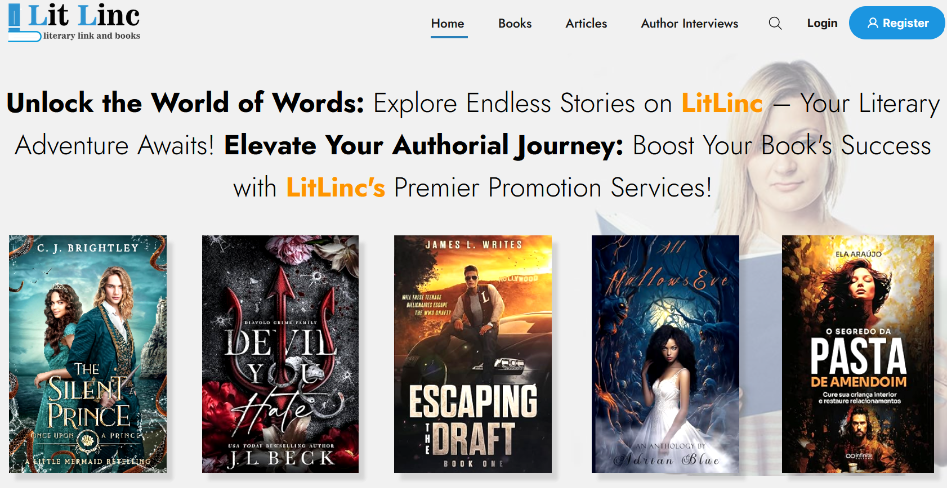
LitLinc: Your Ultimate Platform for Ebook Listings and Global Sales
In today's digital age, the world of literature has undergone a remarkable transformation, thanks to the rise of ebooks. Ebooks offer readers convenient access to a vast array of literary works, and authors an alternative way to share their stories with a global audience. In this ever-evolving landscape, platforms like LitLinc have emerged as game-changers, facilitating ebook listings and global sales for authors.
LitLinc: A Brief Overview
LitLinc is a dedicated platform designed to connect authors and readers, offering a seamless experience for both parties. It has quickly gained recognition as a go-to website for ebook listings and global sales. To list a book on LitLinc, authors must follow a straightforward process that starts with registration on the website (https://litlinc.com/auth/register). Once registered, authors gain access to a personalized dashboard that empowers them to manage and promote their literary creations.
Listing Your Ebook on LitLinc
The process of listing a book on LitLinc is designed to be user-friendly and efficient. Authors can easily add their ebooks by following these steps:
Author Registration: The first step is to create an account on LitLinc, providing essential information such as name, email, and password.
Author Dashboard: Upon successful registration, authors are granted access to their dashboard. This dashboard is the control center for managing and promoting their books.
Adding Book Details: Authors can create a listing for their ebook by filling in crucial information like book title, author name, genre, and book description. This description serves as a digital window into the world of the book, enticing potential readers.
Purchase Links: Authors can include purchase links to various platforms where their ebook is available for sale, such as Amazon, Barnes & Noble, or other online bookstores. This convenience allows readers to swiftly purchase the book from their preferred source.
Book Cover Upload: A visually appealing book cover is essential for attracting readers. Authors can easily upload their book cover image to complement their listing.
Bio and Links: LitLinc also offers authors the opportunity to showcase their personalities and connect with readers on a personal level. Authors can add their bio, website, and social media links, enabling readers to learn more about the creators behind the books they love.
Global Promotion of Books
One of the standout features of LitLinc is its commitment to promoting books on a global scale. In an era when authors are competing for readers' attention from all corners of the world, effective promotion is vital. LitLinc offers various promotional tools and services to help authors reach a wider audience.
Featured Listings: LitLinc periodically highlights select ebooks as "Featured Listings," giving them prime visibility on the platform's homepage. This exposure can significantly boost an author's chances of attracting readers.
Genre-Specific Curation: The platform categorizes ebooks by genre, making it easier for readers to discover books that match their interests. This genre-based curation increases the likelihood of authors connecting with their target audience.
Global Reach: LitLinc's user base spans across the globe, ensuring that authors can reach readers from diverse cultural backgrounds and geographical locations. This global reach enhances an ebook's potential for success.
User Reviews and Ratings: Readers can leave reviews and ratings for ebooks they've read, providing valuable feedback for authors. Positive reviews and high ratings can further boost an ebook's visibility and reputation on the platform.
LitLinc has established itself as a vital platform for authors seeking to list and sell their ebooks on a global scale. Its user-friendly interface, comprehensive book listings, and commitment to promoting literature make it a go-to destination for both authors and readers alike. By facilitating ebook listings and global sales, LitLinc plays a pivotal role in the ever-evolving world of digital publishing, connecting authors with their audience and enriching the literary landscape for all.